
Major automakers are urging the Environmental Protection Agency to quickly rewrite upcoming vehicle emissions regulations after the agency proposed delaying enforcement of stricter pollution standards by two years. The request highlights the growing tension between government policy changes, slowing EV demand, and the auto industry’s struggle to plan long-term product strategies.
The proposed EPA delay would push enforcement of tougher emissions standards for light- and medium-duty vehicles from 2027 to 2029. Automakers largely support the temporary pause, arguing the industry needs more realistic timelines and regulatory stability.
At the same time, manufacturers do not want the uncertainty dragging on indefinitely. Industry leaders say rapidly changing political priorities and emissions targets have already forced automakers to repeatedly adjust vehicle programs, powertrain investments, and EV production plans.
Environmental groups strongly oppose the delay, warning it could increase air pollution, worsen public health outcomes, and slow progress toward cleaner transportation. The debate once again places the auto industry directly between regulatory pressure and shifting consumer demand.
Automakers Say Current Rules Are Becoming Unrealistic
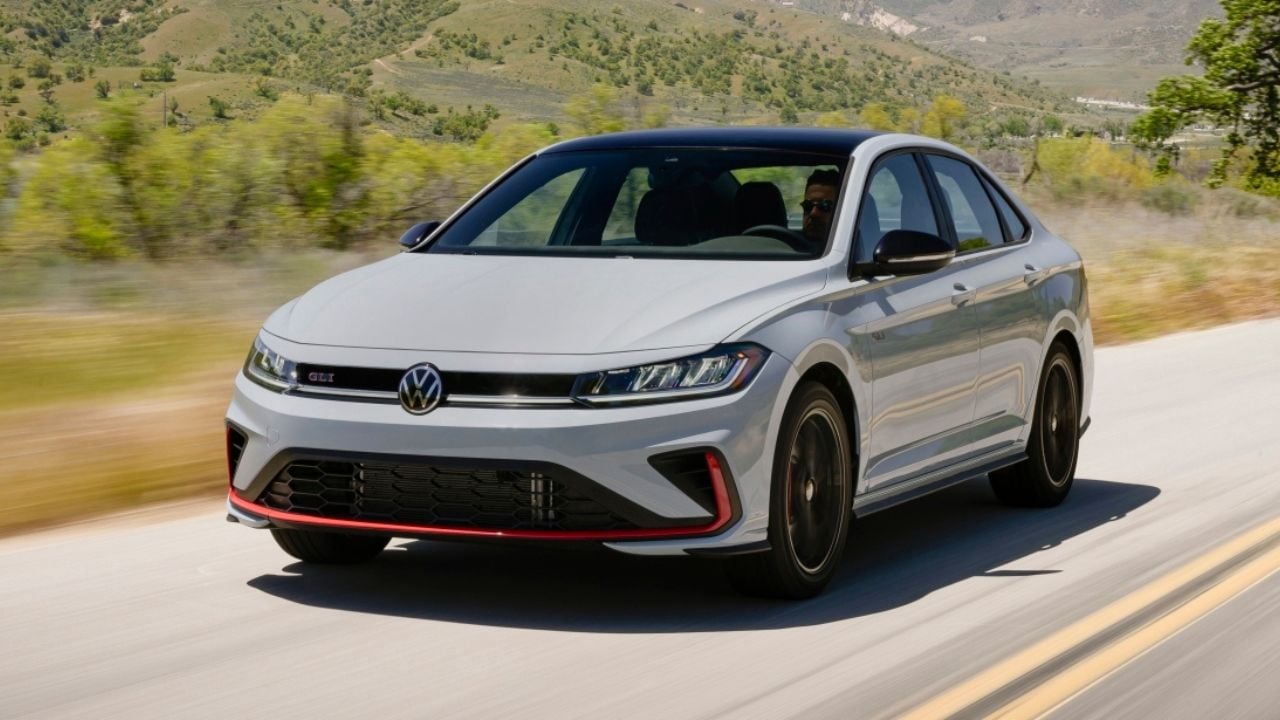
The Alliance for Automotive Innovation, which represents companies including General Motors, Ford, Toyota, Volkswagen, Hyundai, and Stellantis, publicly backed the EPA’s proposal during recent hearings in Washington.
According to Reuters, the organization called for “reasonable” and “workable” emissions standards while urging regulators to quickly establish long-term rules the industry can realistically achieve. Automakers argue that uncertainty itself has become a major business problem.
During the Biden administration, manufacturers were preparing for significantly stricter emissions requirements stretching through 2032. Those rules targeted major reductions in pollutants linked to smog, soot, and other air-quality concerns.
The standards called for a 50% reduction in criteria pollutants from light-duty vehicles and a 58% reduction for medium-duty vehicles. Automakers now say rapidly changing market conditions make those targets difficult to achieve within the original timeline.
Slowing EV Demand Changed The Industry’s Calculations
One major reason behind the EPA’s proposed delay involves electric vehicle adoption. Regulators acknowledged that EV sales growth has slowed compared to earlier projections, making stricter emissions targets harder for automakers to meet.
Manufacturers invested tens of billions of dollars into EV development during the last several years. Many companies expanded battery production, retooled factories, and launched entirely new electric platforms expecting consumer demand to rise much faster than it ultimately did.
Instead, EV growth has cooled as affordability concerns, charging infrastructure limitations, and changing buyer preferences push many consumers back toward hybrids and traditional gasoline vehicles. Several automakers have already scaled back EV production targets as a result.
Industry groups argue that forcing companies to rapidly meet aggressive emissions targets under those conditions could create massive financial strain while increasing vehicle costs for consumers. The EPA estimates the proposed delay could save automakers roughly $1.7 billion.
Environmental Groups Warn The Delay Carries Serious Consequences
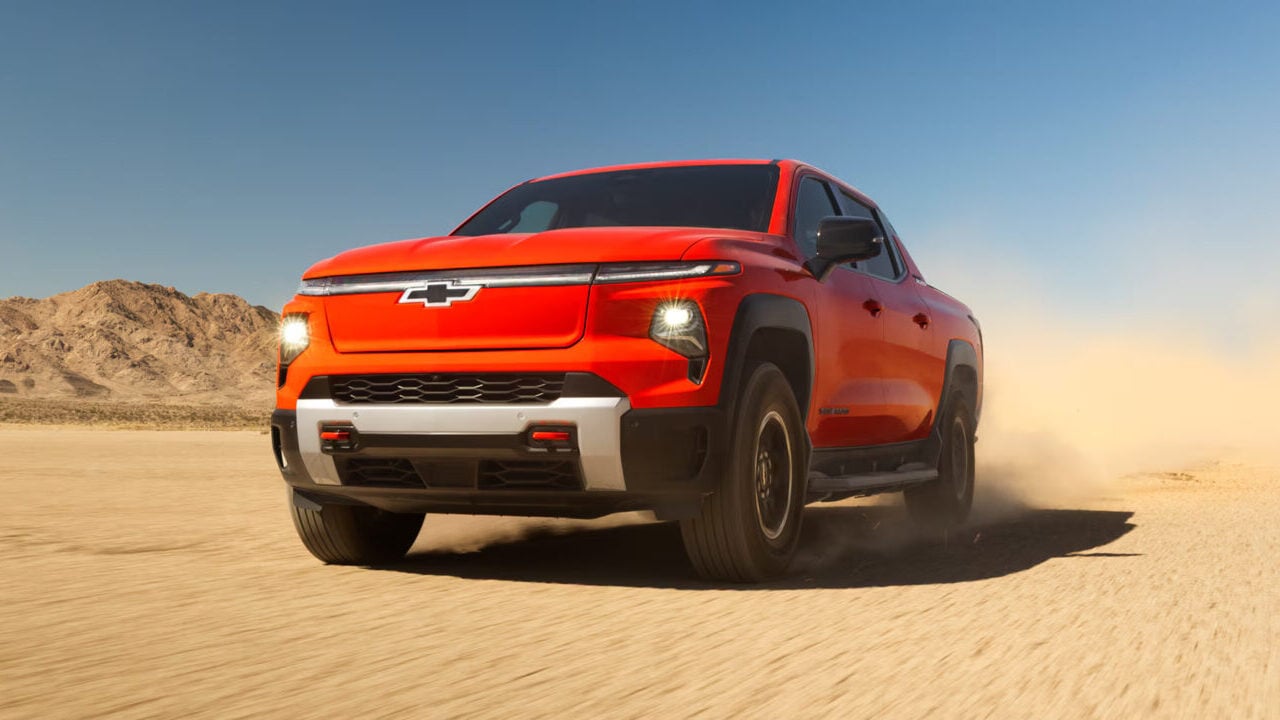
Environmental organizations see the issue very differently. Critics argue delaying the standards could worsen air quality and increase preventable health problems tied to vehicle emissions.
The Environmental Defense Fund warned the delay may contribute to additional heart disease, lung disease, and premature deaths linked to higher pollution levels. Supporters of stricter rules also point to long-term public health benefits associated with cleaner transportation.
When the Biden-era standards were finalized in 2024, the EPA estimated the regulations would generate roughly $13 billion annually in health-related benefits. Reduced soot and smog levels were expected to improve air quality nationwide.
Critics of the rollback argue that relaxing standards now may create larger environmental and healthcare costs later. They also warn that inconsistent policy changes make it harder for manufacturers to commit confidently to cleaner technologies.
Automakers Are Caught In Constant Regulatory Whiplash
The larger issue facing the industry is how dramatically regulations can change depending on which political party controls Washington. Automakers often spend years planning vehicles around rules that may later change before those vehicles even reach production.
Under President Biden, manufacturers aggressively pursued electrification and stricter emissions targets. The current administration has instead focused on relaxing several regulations, including fuel economy standards and emissions rules.
That constant policy reversal creates major planning challenges for automakers developing vehicles with lifecycles that often stretch six or seven years into the future. Engineers, suppliers, and manufacturing plants all depend heavily on stable long-term regulations.
Several automakers have privately expressed frustration that product strategies are increasingly shaped by political cycles instead of long-term market realities. The result has been expensive pivots, delayed investments, and billions lost on EV programs that no longer align with current demand.
The Industry Wants Stability More Than Anything
Despite supporting the EPA delay, automakers clearly do not want the issue lingering unresolved for years. Manufacturers are now asking regulators to quickly establish durable standards that remain achievable regardless of future political shifts.
That may prove difficult in today’s political environment. Vehicle emissions, fuel economy, and electrification policies have become deeply tied to broader ideological battles over climate policy and industrial strategy.
Meanwhile, automakers still face pressure from global competitors moving rapidly into hybrids, EVs, and next-generation powertrains. Companies must balance profitability, consumer demand, and regulatory compliance all at the same time.
For now, the EPA’s proposed delay offers manufacturers temporary breathing room. The larger challenge will be creating emissions standards stable enough to let the industry confidently invest in whatever comes next.