The best modern classics are not always the cars everyone celebrated when they were new. Many spent years sitting in used-car listings as oddballs, underdogs, or misunderstood experiments before enthusiasts started recognizing what made them special.
The 2000s produced plenty of those cars. Automakers were still building manual transmissions, naturally aspirated engines, turbocharged sport compacts, rotary coupes, and strange brand experiments that would be hard to justify in today’s market.
A car does not need million-dollar auction results to become the right kind of modern classic. It needs a clear identity, a loyal owner base, interesting engineering, a driving experience worth preserving, and enough scarcity that clean examples no longer feel easy to replace.
These six cars fit that idea. They were overlooked, misunderstood, or underappreciated for years, but the best survivors now preserve the kind of hardware and personality buyers cannot easily find in new-car showrooms.
Pontiac GTO
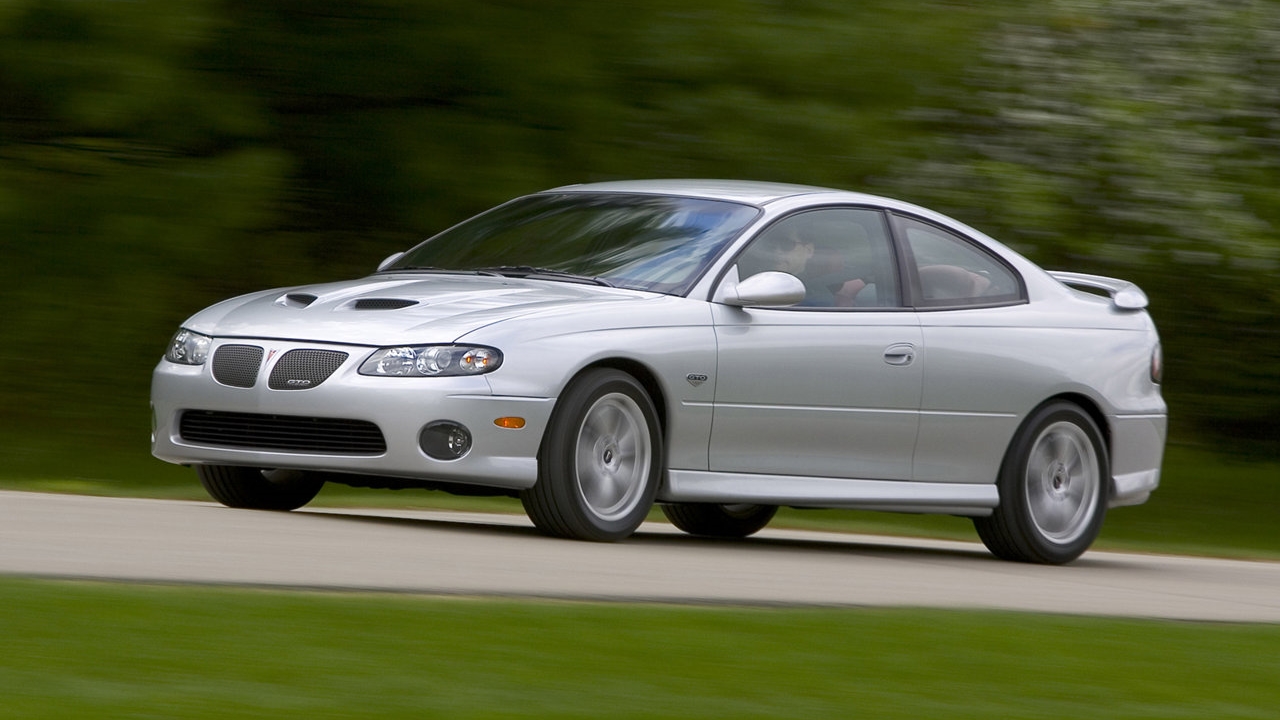
The 2004 to 2006 Pontiac GTO was easy to dismiss when new because it did not look wild enough for the badge. Under the quiet body, it carried serious rear-wheel-drive performance from Australia’s Holden Monaro, with V8 power, an available six-speed manual transmission, and a more mature grand-touring feel than many American muscle coupes of the time.
The 2005 and 2006 cars are the ones many buyers watch most closely because they received the 6.0-liter LS2 V8 rated at 400 horsepower and 400 lb-ft of torque. That gave the reborn GTO real performance, even if its styling never shouted as loudly as some buyers expected.
Classic.com currently lists the fifth-generation GTO market with an average sale price around $21,500, while the strongest clean examples can bring much more attention than tired, high-mileage cars. The difference between an ordinary used GTO and a carefully kept one is becoming more obvious every year.
The GTO has aged well because its original weakness became part of its appeal. It is subtle, comfortable, fast, and much rarer on the road than a Mustang or Camaro. A clean, stock LS2 manual car now feels like the modern classic many buyers missed when it was sitting on Pontiac lots.
Acura RSX Type-S

The Acura RSX Type-S was respected by Honda fans, but it spent years living in the shadow of older Integra Type-R mythology. That kept many people from seeing it clearly as one of the most balanced front-drive sport coupes of the 2000s.
The RSX Type-S was a 2002 to 2006 liftback coupe. Early Type-S models used the K20A2 engine rated at 200 horsepower, while 2005 models received the K20Z1 rated at 210 horsepower. For 2006, Acura listed the Type-S at 201 horsepower under the revised SAE net rating. Every Type-S used a six-speed manual transmission.
That specification looks stronger with time. The RSX Type-S has a high-revving four-cylinder engine, practical hatch access, clean proportions, and the kind of Honda shifter feel that modern buyers still chase.
Modified cars are everywhere, so originality matters. A clean Type-S with service records, factory body panels, a healthy interior, and no poor tuning choices has become exactly the kind of compact modern classic worth saving.
Mazda RX-8
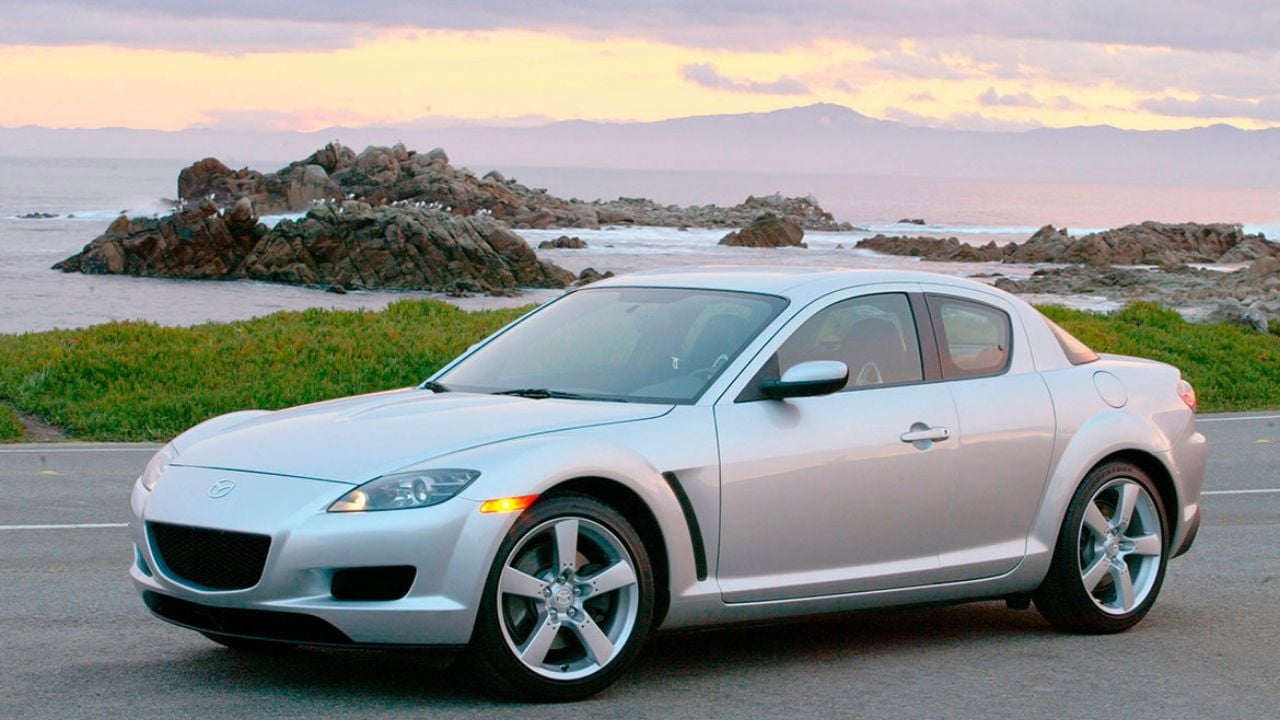
The Mazda RX-8 has one of the most complicated reputations of any 2000s performance car. It was praised for balance, steering, and originality, then punished by the used market for rotary maintenance concerns, fuel economy, and owner neglect.
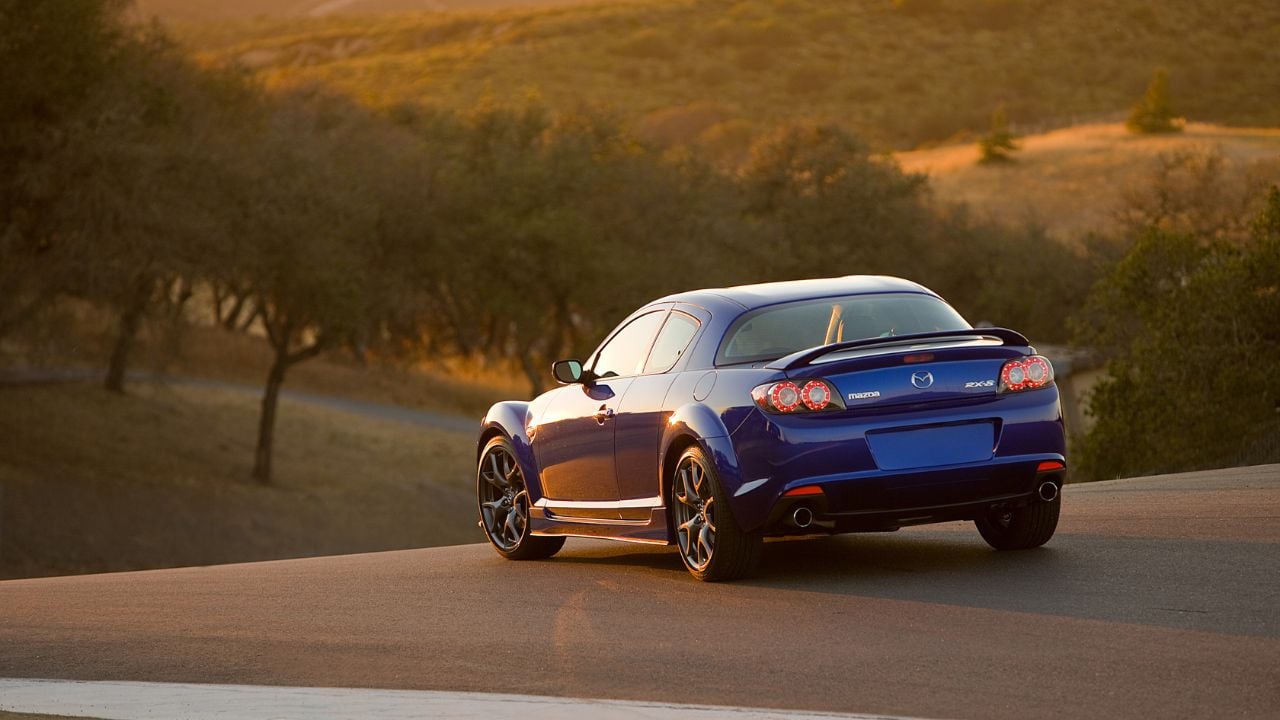
That complexity is exactly why good examples are becoming more interesting. The RX-8 was one of the final rotary-powered production cars sold in the United States, and it delivered a combination few modern cars can copy: rear-wheel drive, a high-revving rotary engine, rear-hinged half doors, a usable rear seat, and a chassis that felt genuinely light and responsive.
Classic.com currently lists the Mazda RX-8 market with an average sale price around $12,900, but clean manual examples and special editions stand apart from rough, poorly maintained cars.
The RX-8 demands a careful buyer. Compression testing, oil use, cooling health, ignition system condition, rust checks, and service history are essential. A properly maintained manual RX-8 still feels unusual, precise, and deeply tied to Mazda’s most interesting engineering tradition.
Chrysler Crossfire SRT-6
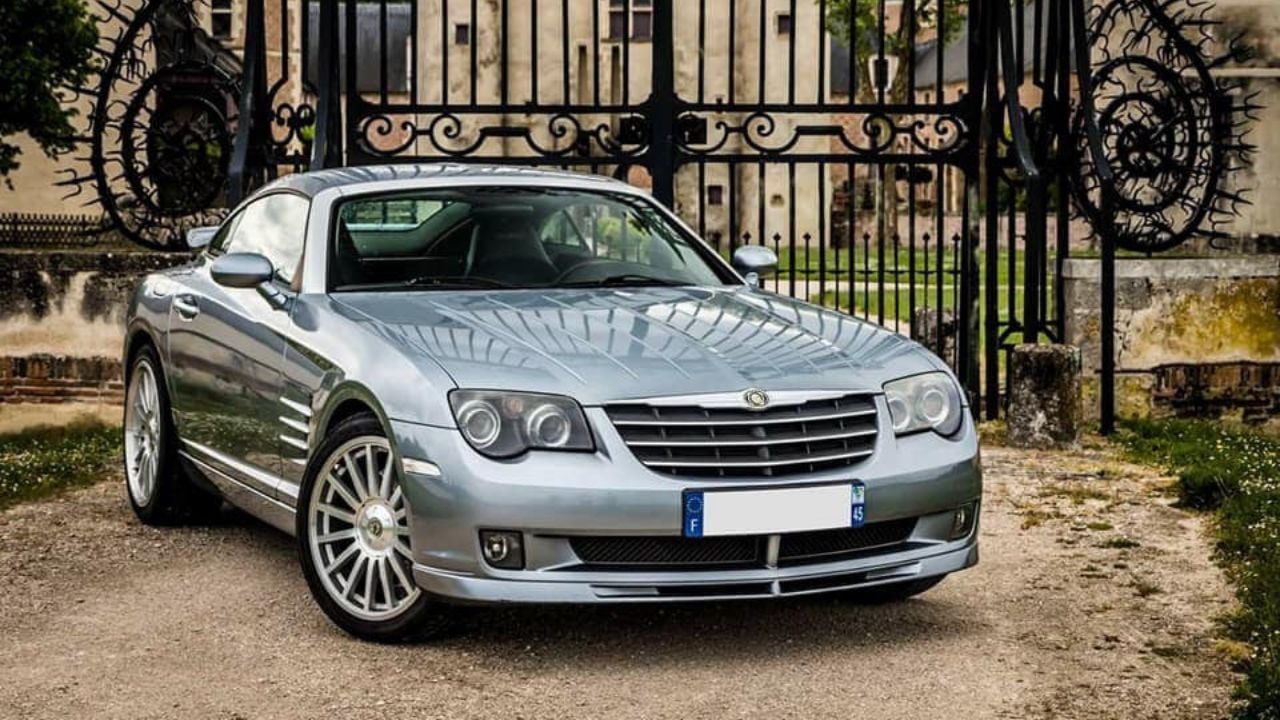
The Chrysler Crossfire SRT-6 looked strange when new, and that may have helped hide how serious the performance version really was. Beneath the dramatic body, it shared important hardware with the Mercedes-Benz SLK platform, while the SRT-6 added a supercharged 3.2-liter V6 rated at 330 horsepower and 310 lb-ft of torque.
The SRT-6 arrived for the 2005 model year and is most strongly associated with the 2005 and 2006 U.S. cars. Unlike the regular Crossfire, the SRT-6 was automatic-only, using a five-speed automatic transmission rather than a manual gearbox.
That does not hurt its oddball appeal today. The Crossfire SRT-6 feels like a product of a very specific moment: Chrysler styling, AMG-derived performance hardware, rear-wheel drive, low production visibility, and a shape that still divides opinion.
It will never appeal to everyone, which is part of the point. The right buyer sees a strange DaimlerChrysler-era performance coupe with real hardware and enough scarcity that clean examples are no longer easy to ignore.
Chevrolet Cobalt SS Turbocharged
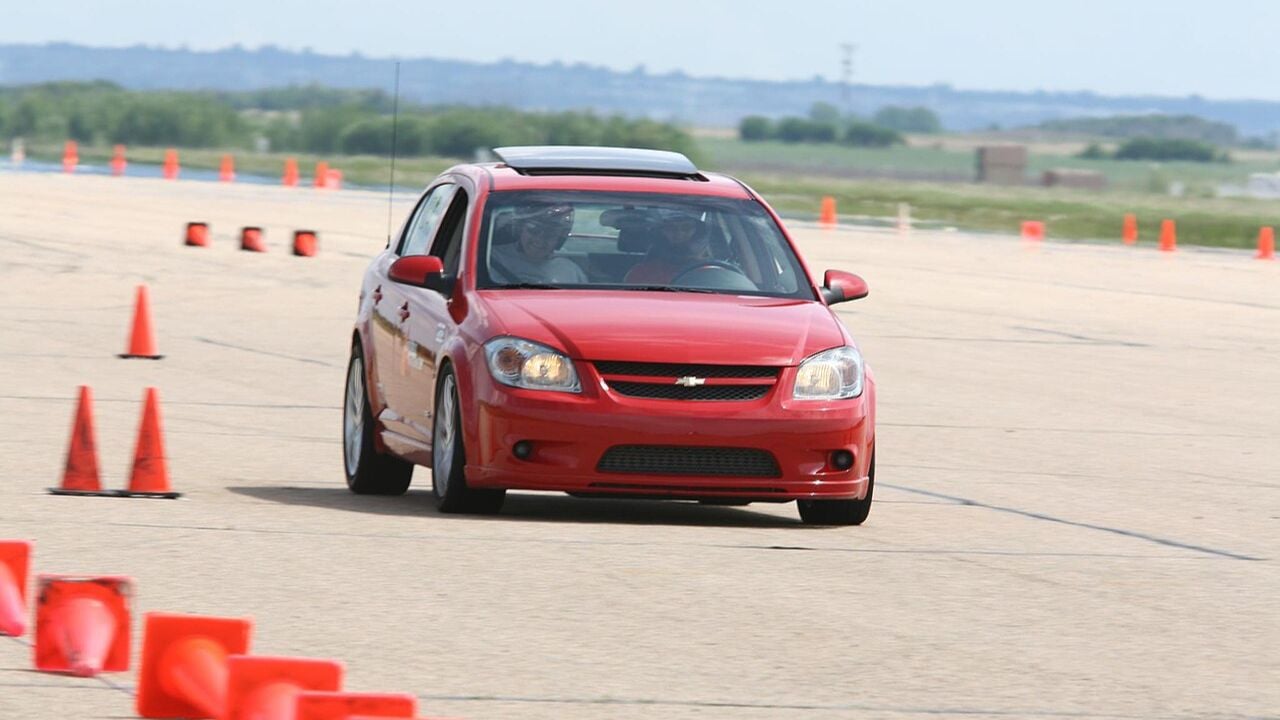
The Chevrolet Cobalt SS Turbocharged is the kind of car many people dismissed because of the badge and interior. That was a mistake. The 2008 to 2010 turbocharged SS was a serious GM Performance Division effort hiding under a compact Chevrolet coupe body, with a sedan version also appearing later.
Car and Driver reported that the 2008 Cobalt SS used a 2.0-liter turbocharged Ecotec four-cylinder with 260 horsepower and 260 lb-ft of torque. KBB lists the five-speed manual as the transmission for the turbocharged SS, which fits the car’s focused sport-compact character.
The Cobalt SS Turbo had real hardware, including Brembo brakes, strong suspension tuning, front-drive pace, and the kind of lap-time credibility that surprised people who only saw a cheap compact Chevrolet. Classic.com lists the broader Cobalt market around the $9,000 average range, but the best turbocharged SS cars can sit well above ordinary examples.
Clean examples matter here. Many were modified, abused, or treated like disposable cheap speed. A stock or carefully maintained SS Turbo has quietly become one of the great American sport compact sleepers.
Pontiac Solstice GXP

The Pontiac Solstice GXP was a small rear-wheel-drive roadster from a brand that vanished soon after. That alone gives it modern classic tension. Add the 2.0-liter turbocharged Ecotec engine, available manual transmission, dramatic styling, and short production life, and the GXP becomes much more interesting than its early reputation suggested.
The GXP’s turbocharged engine produced 260 horsepower and 260 lb-ft of torque, giving the small Pontiac far more punch than its playful styling implied. Buyers could get the GXP with a five-speed manual transmission, which remains the version many enthusiasts prefer.
Classic.com currently lists the Pontiac Solstice as a 2006 to 2010 model with an average sale price around $16,400. The rare 2009 Solstice GXP Coupe is the collector headline, with Classic.com showing a $57,000 high sale, but clean GXP roadsters also carry the right story.
The GXP is not the most practical car here. Cargo space is limited, the cabin is tight, and the top is not as easy to use as some rivals. Modern classic buyers now focus on the pieces that give it staying power: rear-drive layout, turbo power, manual availability, and a shape that still looks special.
It is a forgotten GM roadster that now feels far more interesting than many people expected.
The Cars That Finally Found Their Audience

The right modern classic often needs time. A car can be too strange, too subtle, too maintenance-sensitive, or too misunderstood when new, then become more compelling once the market loses access to anything similar.
These cars now stand out because each one carries a mechanical identity that has become harder to find in new-car showrooms. The best survivors offer the mix modern classic buyers increasingly recognize: honest performance hardware, distinctive design, strong owner communities, and enough scarcity to make clean examples feel worth preserving.
The warning is the same across the list: buy condition, not nostalgia. Service records, originality, rust checks, compression tests where needed, clean interiors, factory panels, and careful ownership history matter more than a tempting price.
These cars quietly became modern classics because they still feel specific. They were built with ideas, quirks, and mechanical identities that new cars rarely repeat. That is exactly why the right survivors deserve attention before they disappear into private collections, enthusiast garages, and long-term ownership.