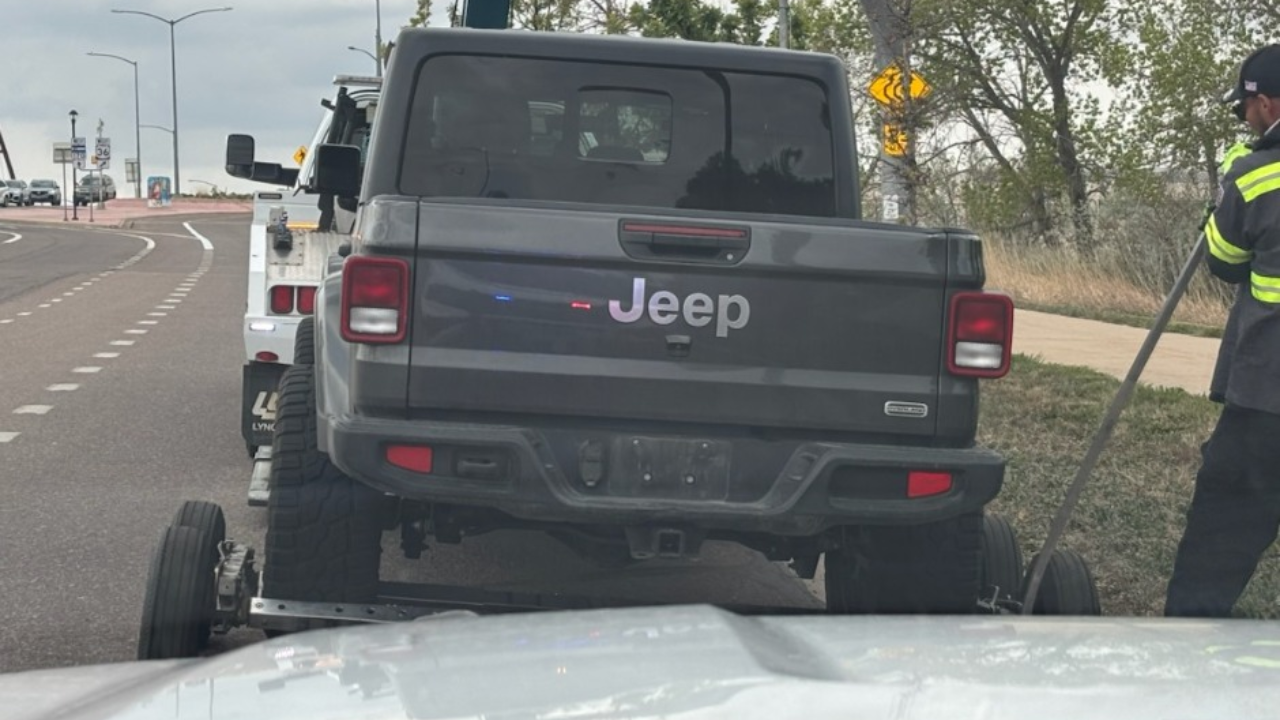
A Colorado police agency recently impounded a vehicle that was being driven on the roads without valid registration and without proof of insurance, and used the incident to walk the public through what Colorado law actually requires of drivers. The agency didn’t publicly identify the driver, the vehicle or the date of the stop. The post itself spent more time on what every Colorado driver should be doing than on the specific case that prompted it.
The reveal in the police department’s post is the impound itself. Officers stopped a vehicle, found it operating with neither current registration nor proof of insurance, and removed it from the road. From there, the post pivoted into Colorado law and county registration procedures.
Colorado law requires drivers to carry current registration, valid plates or temporary tags, and proof of insurance whenever they take a vehicle onto a public road. As explained, the insurance requirement is set out in Colorado Revised Statute 42-4-1409. Driving without insurance under that statute is a misdemeanor offense.
The post closes by walking through how a driver in Colorado registers a vehicle in the first place, what to bring to the county motor vehicle office, and what can happen to a vehicle still being driven on expired temporary tags. The agency framed the entire post as a community message rather than an enforcement boast. The closing line thanks residents who help keep the roads legal.
The Impound Itself
Officers recently impounded a vehicle that was being operated on public roads without valid registration and without proof of insurance. The agency didn’t identify the driver, the make or model of the vehicle, the date of the stop, or the city where it occurred. It was all anonymous for a reason. The post framed the impound as a way to keep readers abreast of all the current info about keeping their cars from being impounded.
The agency reminded the community that, under Colorado law, vehicles being driven on public roads must have current registration, valid license plates or temporary tags, and proof of insurance. Drivers must also provide that proof of insurance when requested by law enforcement, the agency said, and pointed to Colorado Revised Statute 42-4-1409, which requires every driver to carry evidence of a complying insurance policy while operating a motor vehicle. A violation of that statute is a class 1 misdemeanor traffic offense under Colorado law.
What Colorado Law Requires
Vehicle registration in Colorado is handled through the driver’s county motor vehicle office, the agency wrote. Drivers will need to bring proof of ownership or title, valid identification, proof of insurance, emissions testing where required, and payment for the relevant taxes and fees. If you have questions about registration or renewals, you can always check the Colorado Division of Motor Vehicles website. The county clerk’s office can also assist.
The post specifically addressed temporary license plates, which the agency said are valid only through the expiration date printed on the tag. Once the tag has expired, the vehicle is no longer legally registered to operate on public roadways. Continuing to drive on expired temporary tags can result in tickets. In some cases, it can result in your car being towed or also impounded.