
Some countries make train travel practical for more than one city. Stations sit near old towns, museum districts, waterfronts, hotels, and local transit, so travelers can move between stops without airport transfers or parking searches.
These six countries work well for rail-based vacations because the main routes connect places visitors are likely to include on the same trip. A rental car can still help for remote villages, rural stays, or mountain roads, but trains can handle much of the route in these destinations.
1. Czechia
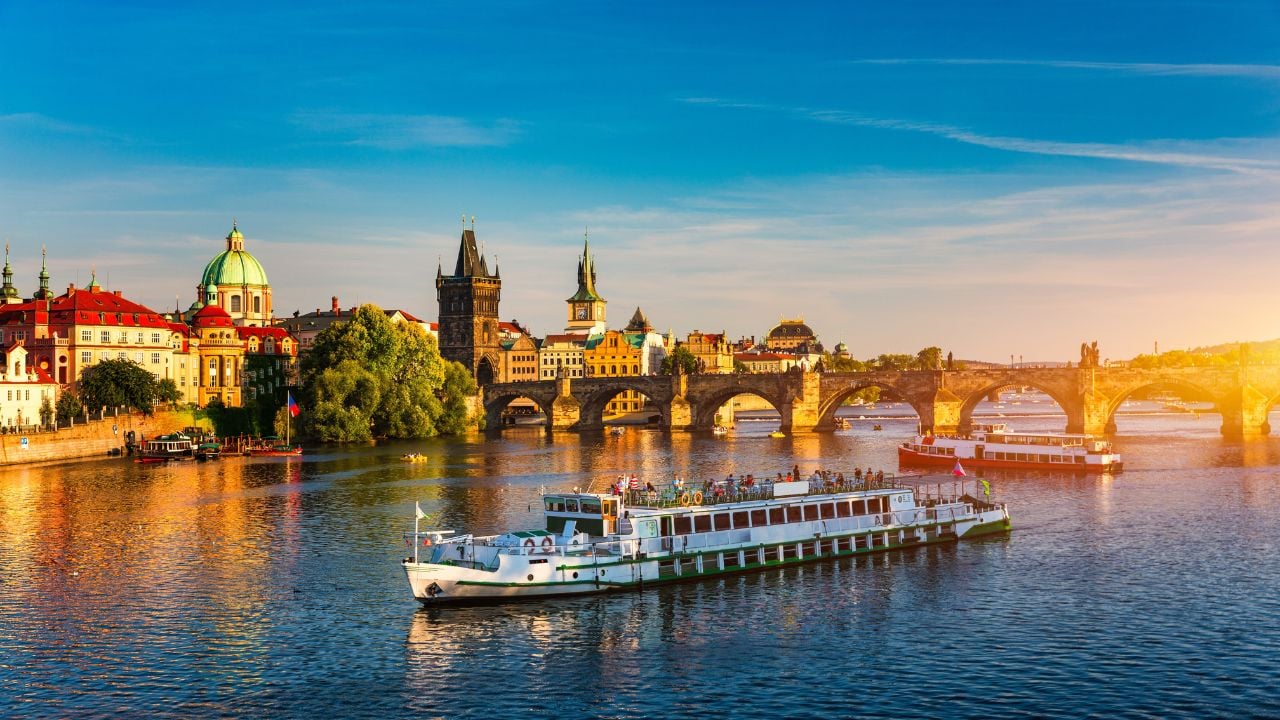
Czechia gives travelers more than a Prague city break. České dráhy lists Brno to Prague by railjet at about 2 hours and 59 minutes, and Ostrava to Prague by SC Pendolino at about 3 hours and 12 minutes. Those routes make it easier to add Moravia, spa towns, beer cities, or eastern Czech stops without renting a car.
Prague, Brno, Olomouc, Plzeň, and Ostrava all have rail stations linked to trams, buses, taxis, or walkable central areas. That helps visitors avoid driving into historic centers where parking, traffic zones, and narrow streets can slow the day.
A first rail itinerary can start in Prague, continue to Brno, and add Olomouc before returning to the capital or moving east. That route gives travelers architecture, cafés, food markets, beer halls, and old squares without building the trip around highways.
2. Denmark
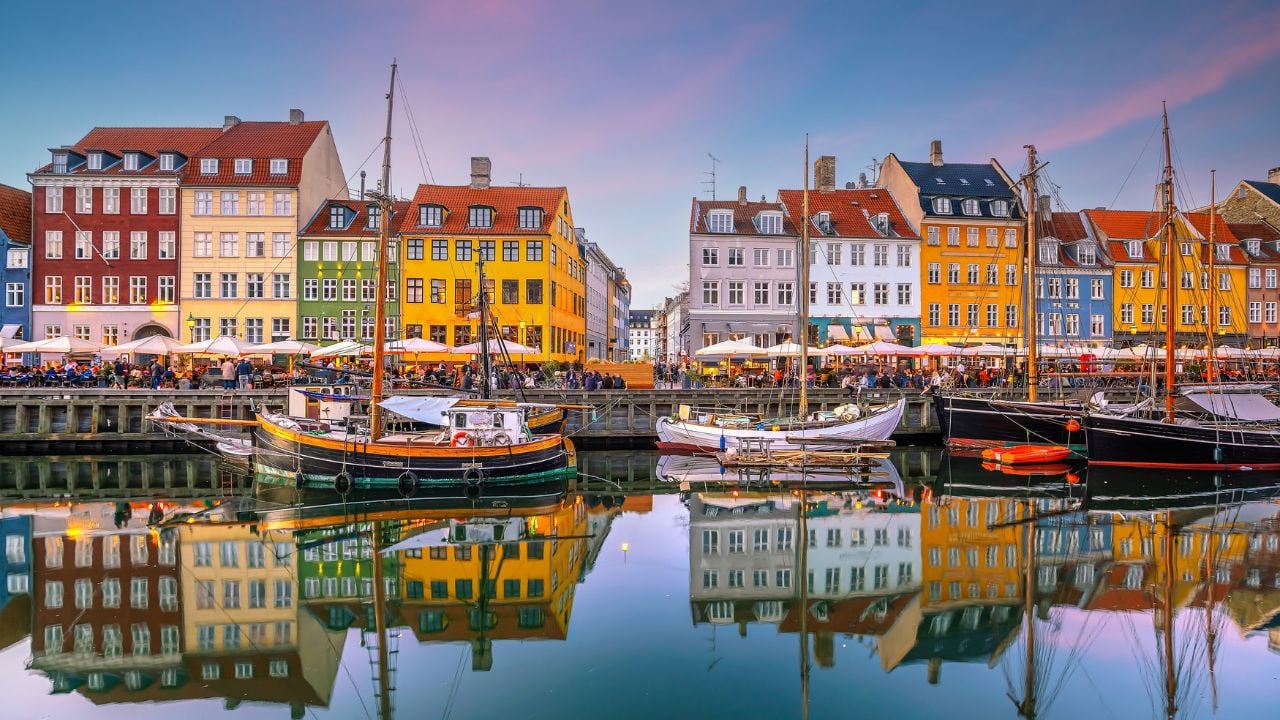
Denmark’s size makes rail useful for a short multi-city trip. DSB says Odense is about 1½ hours by express train from Copenhagen or Aarhus. DSB also lists Copenhagen to Aarhus at about three hours by train.
Copenhagen can anchor the start of the trip, with rail onward to Odense for Hans Christian Andersen sites, old streets, museums, and cafés. Aarhus adds ARoS, Den Gamle By, the Latin Quarter, harbor areas, and food stops without requiring a domestic flight or rental car.
Stations in these cities place travelers close to buses, walking routes, bikes, and taxis. A rail route also avoids repeated parking searches in Copenhagen and makes one-way city planning easier for visitors who do not want to return to the same base each night.
3. Sweden
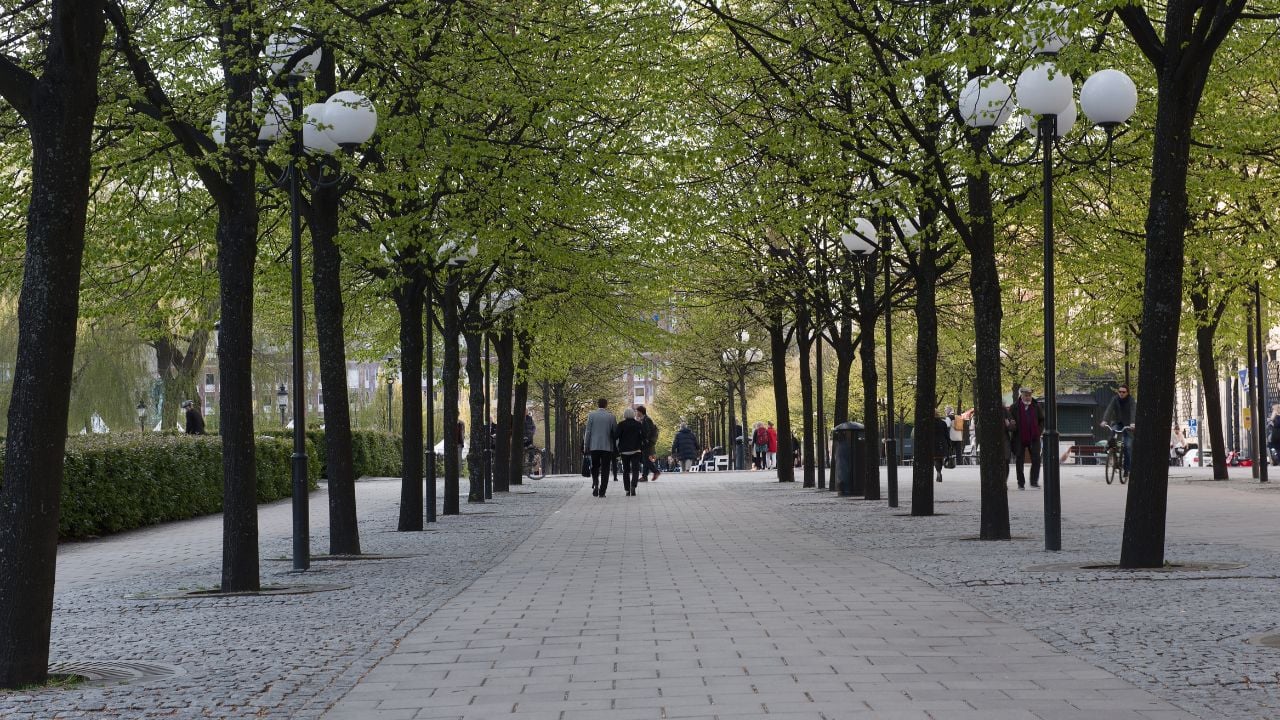
Sweden covers long distances, but the main southern and central city routes work well by train. SJ handles rail booking across Sweden, while Eurail says SJ high-speed trains run from Stockholm to Copenhagen, Gothenburg, Malmö, Sundsvall, and Oslo.
Stockholm can be paired with Gothenburg for the west coast, seafood, trams, and waterfront neighborhoods. Malmö gives travelers a southern stop near Denmark, with Copenhagen reachable across the Øresund connection. Those city pairs are easier by rail than by repeated airport transfers.
A car can still help for cabins, rural lakes, ski areas, or far-north travel. For Stockholm, Gothenburg, Malmö, and Copenhagen-style itineraries, trains keep the route centered on stations and local transit instead of airport runs.
4. Poland
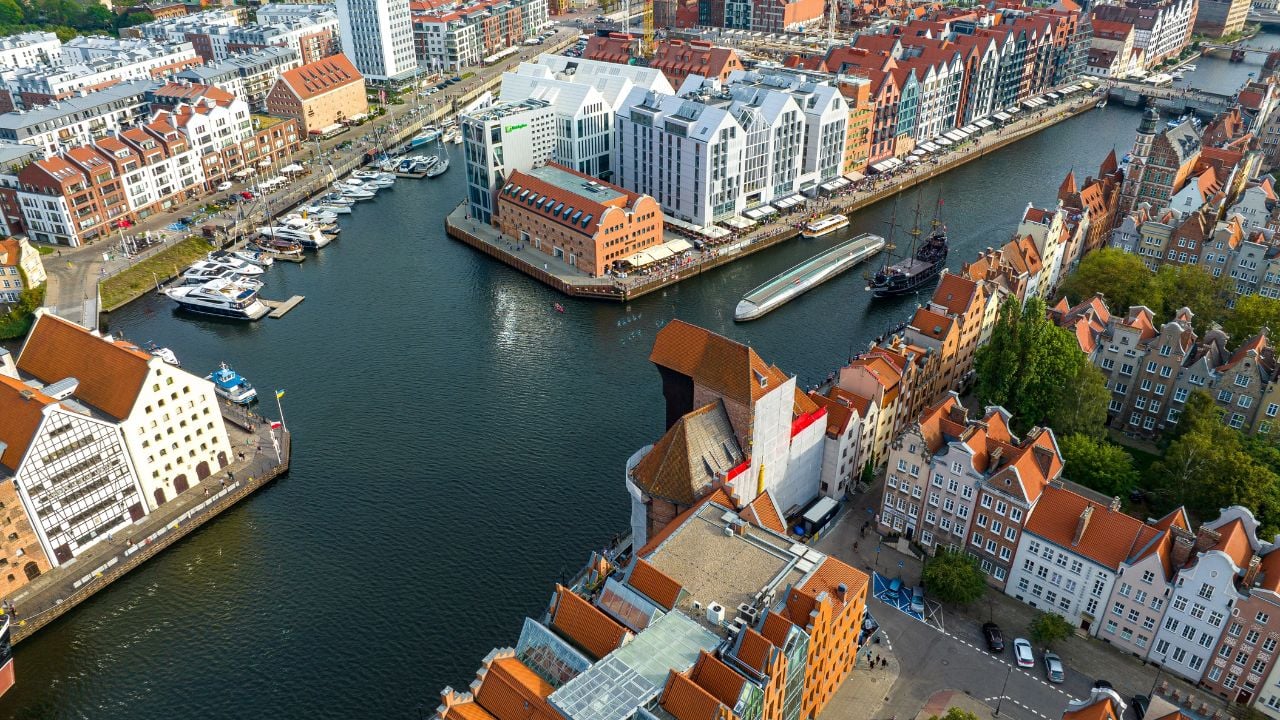
Poland works well for a rail trip because several major cities line up on long-distance routes. PKP Intercity provides online ticketing for intercity travel. Eurail says Express InterCity Premium trains connect Warsaw with Gdańsk in the north and Kraków, Katowice, and Wrocław in the south.
Warsaw, Kraków, Wrocław, and Gdańsk each support a different part of the trip. Warsaw brings museums, reconstructed old streets, modern restaurants, and riverfront areas. Kraków adds a major historic center. Wrocław gives travelers bridges, islands, market squares, and colorful facades. Gdańsk adds Baltic air, maritime history, and the Motława waterfront.
Driving can work in Poland, but a city-focused itinerary usually means parking near old towns, hotel garages, and traffic around major entrances. The train lets travelers move between the main stops and use local transit, taxis, or walking once they arrive.
5. Austria
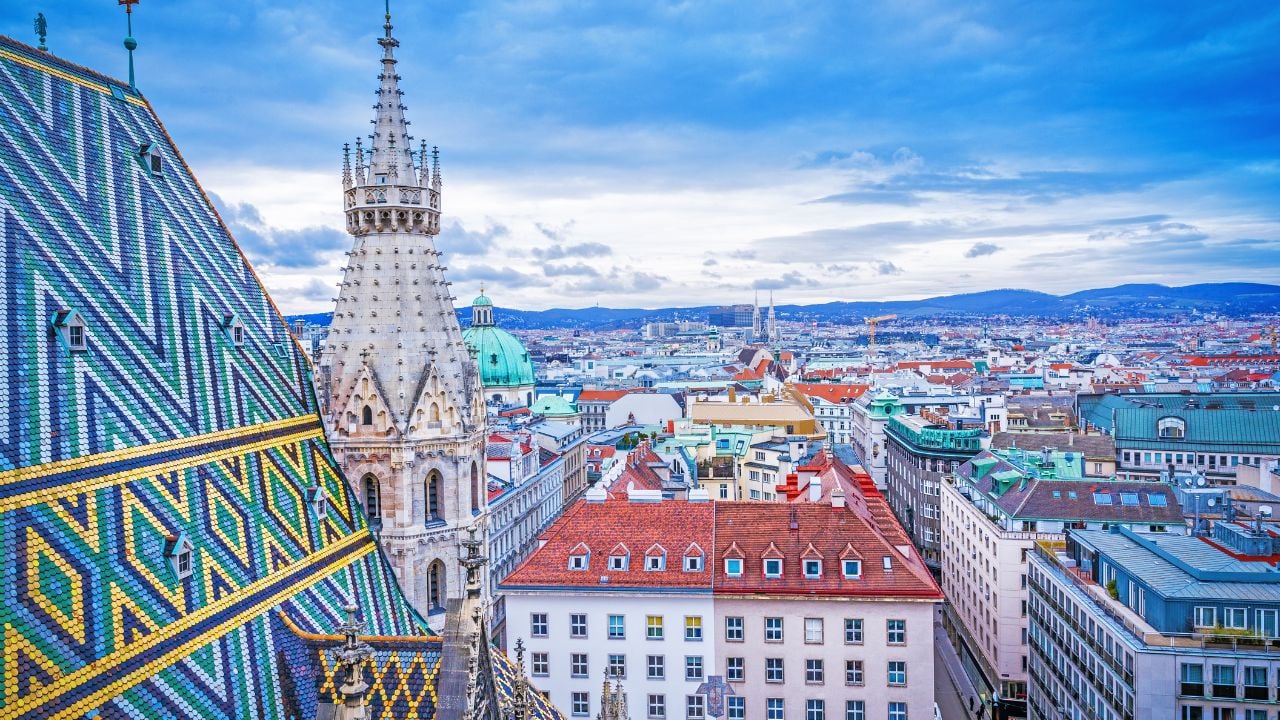
Austria’s main visitor route fits rail travel well. Austria.info lists Vienna to Salzburg at less than 2.5 hours by ÖBB Railjet and Salzburg to Innsbruck at less than 2 hours by ÖBB Railjet.
That route gives travelers a clear sequence: Vienna for museums, coffeehouses, palaces, and the Ringstrasse; Salzburg for baroque streets, music history, and fortress views; Innsbruck for alpine scenery and mountain access. The main stations connect with local buses, trams, taxis, and hotels.
ÖBB says trains run twice per hour from Vienna to Salzburg on the Western Line, with fast RJX services continuing toward Innsbruck and beyond. That frequency gives travelers more departure choices when planning museum times, hotel check-ins, and same-day transfers.
Remote valleys, trailheads, and countryside hotels may still call for a car or shuttle. For Vienna, Salzburg, and Innsbruck, the core vacation route can be built around rail.
6. The Netherlands
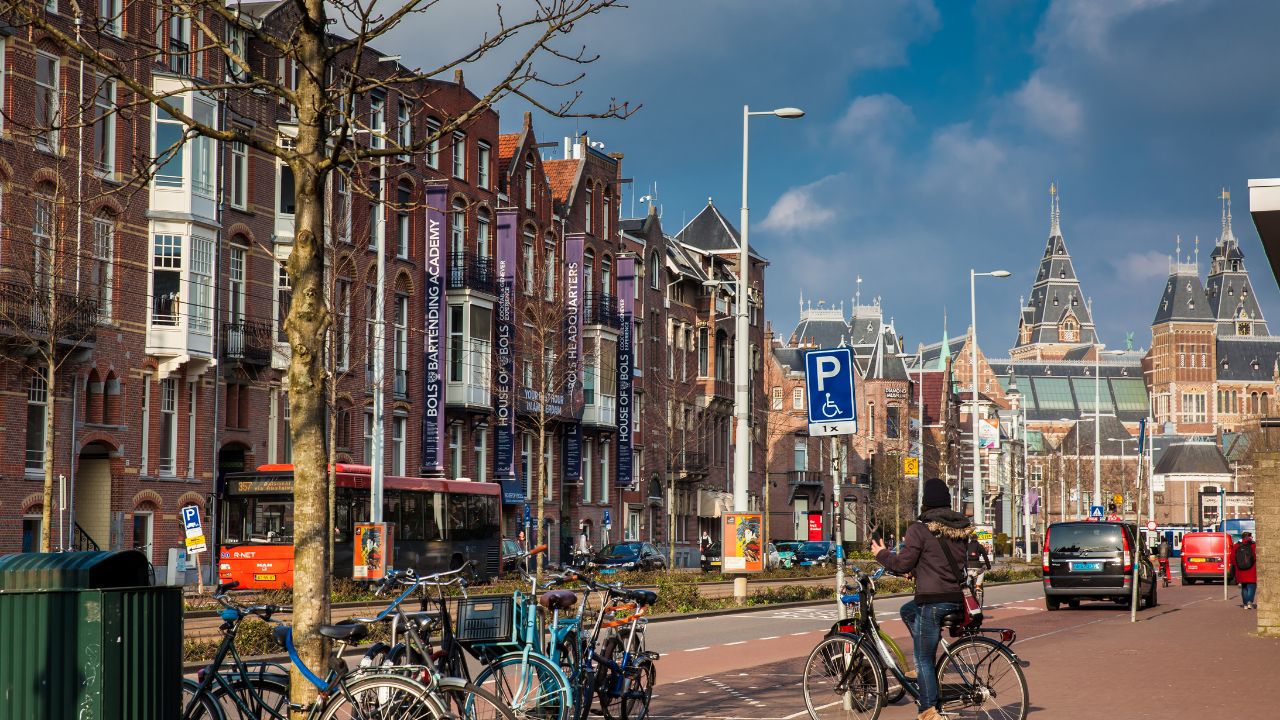
The Netherlands is useful for travelers who want several cities without a rental car. NS says travelers can check in and out with an OV-pas or debit card, allowing travel by train, bus, tram, and metro across the Netherlands.
Amsterdam can be paired with Haarlem, Utrecht, Leiden, Delft, Rotterdam, The Hague, Gouda, or other nearby stops. Many of those trips are short enough for day visits, while others can become overnight stays without changing the basic transport system.
The rail network works especially well for travelers who want museums, canals, markets, architecture, beaches near The Hague, or modern Rotterdam in one trip. Instead of choosing one base and forcing every side trip by car or taxi, visitors can build the route around train stations and local transit.