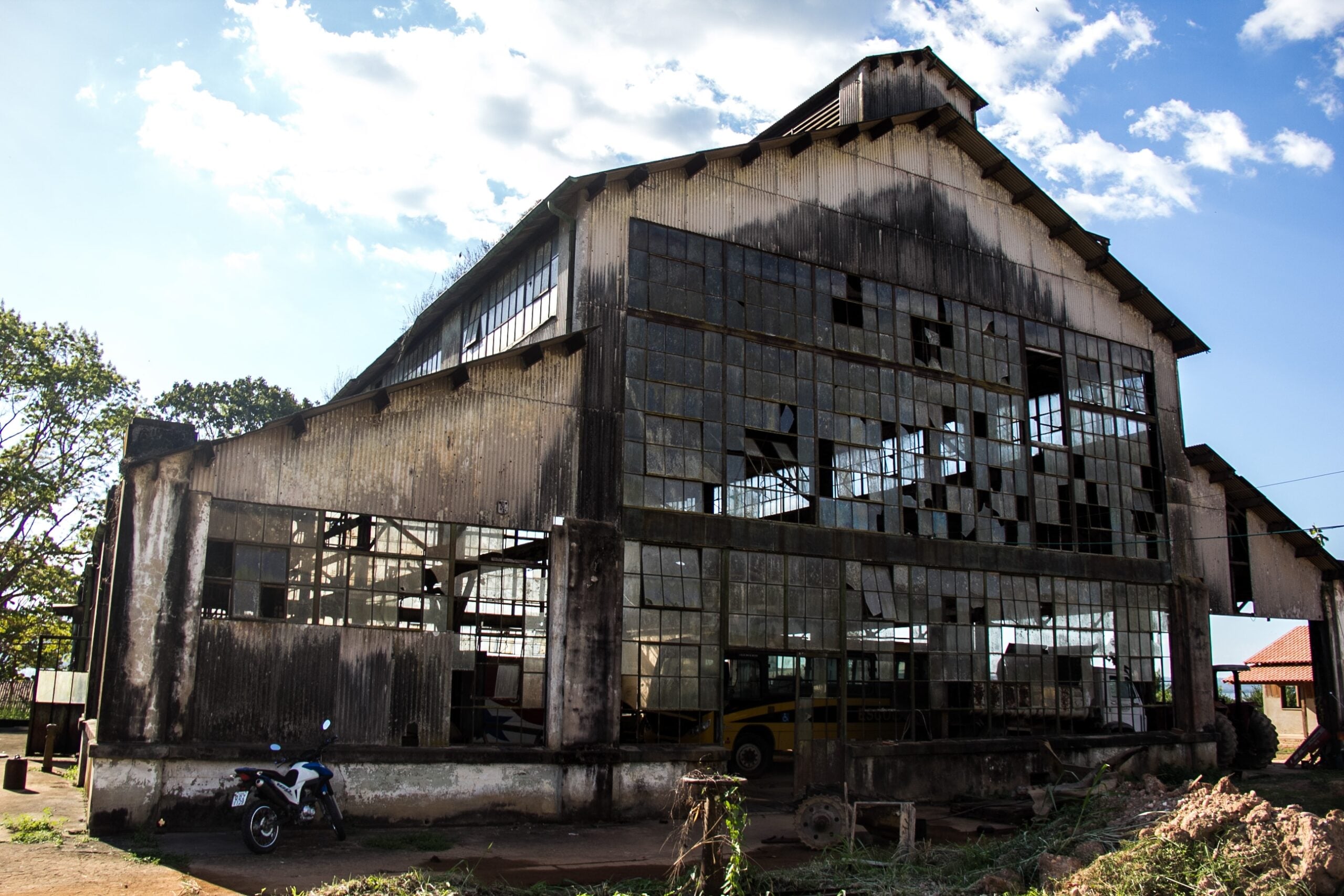
In 1927, the demand for rubber was at an all-time high. The new material was being used by the boatload by car manufacturers to equip their vehicles with tires.
Henry Ford made the decision to move operations to the Amazon in Brazil, building a city of considerable size in the region. He hoped to plant and grow a rubber plantation. Here, managers, workers, and exporters could live in relative comfort, surrounded by a city that was built to mirror those of the US.
The Amazon is notoriously hard to build in, and yet the city was the third largest in the region. However, when disease ravaged the trees in 1945, the whole area was abandoned and left to be reclaimed by the endless miles of jungle. It was purchased by the Brazilian government shortly afterward and mostly forgotten about.
However, the city of Fordlandia, a US city replica commissioned by Henry Ford, might see a new breath of life as the court of Pará rules that it must be restored and preserved. Car enthusiasts and history buffs alike may soon be able to visit the historical rainforest city.
Cool explainer on Fordlandia. 👇 Please allow a moment for it to load.
Forging a Path for Ford
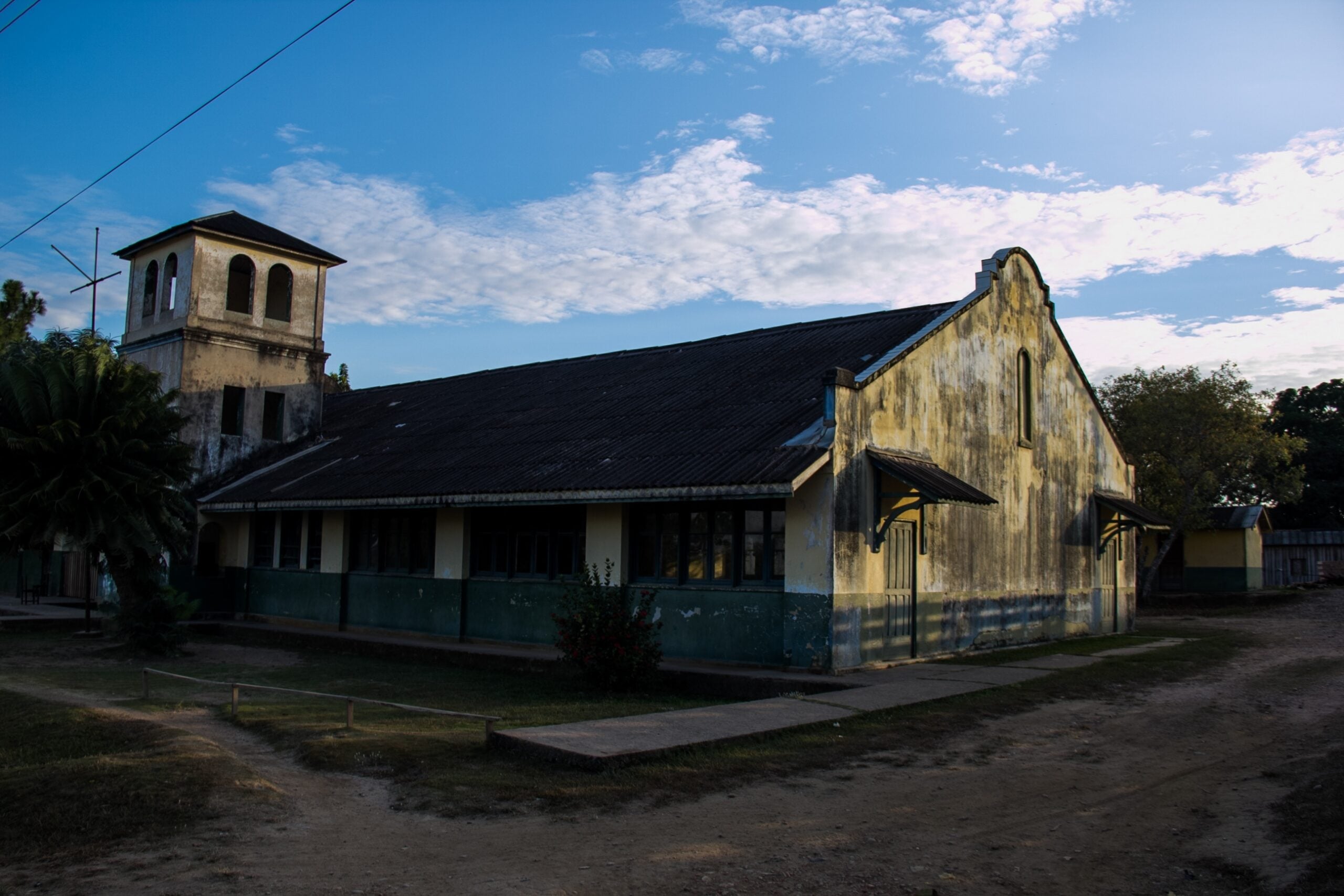
Even today, making tracks through the Amazon rainforest is no easy feat. The dense jungle, full of thick vegetation, unpredictable terrain, and wild animals, is inhospitable to say the least. To build a city there in the 1920’s was a marvel.
Henry Ford was determined to challenge the British monopoly on rubber, so he turned his sights to creating a hub in the uncharted wilds. Fordlandia was born, but its history was fraught with setbacks, disappointment, and even rebellion. The project was an uphill struggle from the start.
Clearing the jungle was already an incredibly hard task, and for the first few years, workers were left with dwindling resources, rotting food, and a broken supply line. Ford’s insistence on an alcohol-free city did little to quell the rising discord. However, by the end of 1930, the landmark water tower was built, and the city was able to start focusing on planting rubber trees.
The city brought infrastructure to the Amazon, boasting a hospital, running water, electricity, and a movie theater. However, the one thing it failed to produce was rubber. Despite calling in experts, the land that had been so difficult to clear of rainforest failed to yield any rubber trees.
A Failed Project
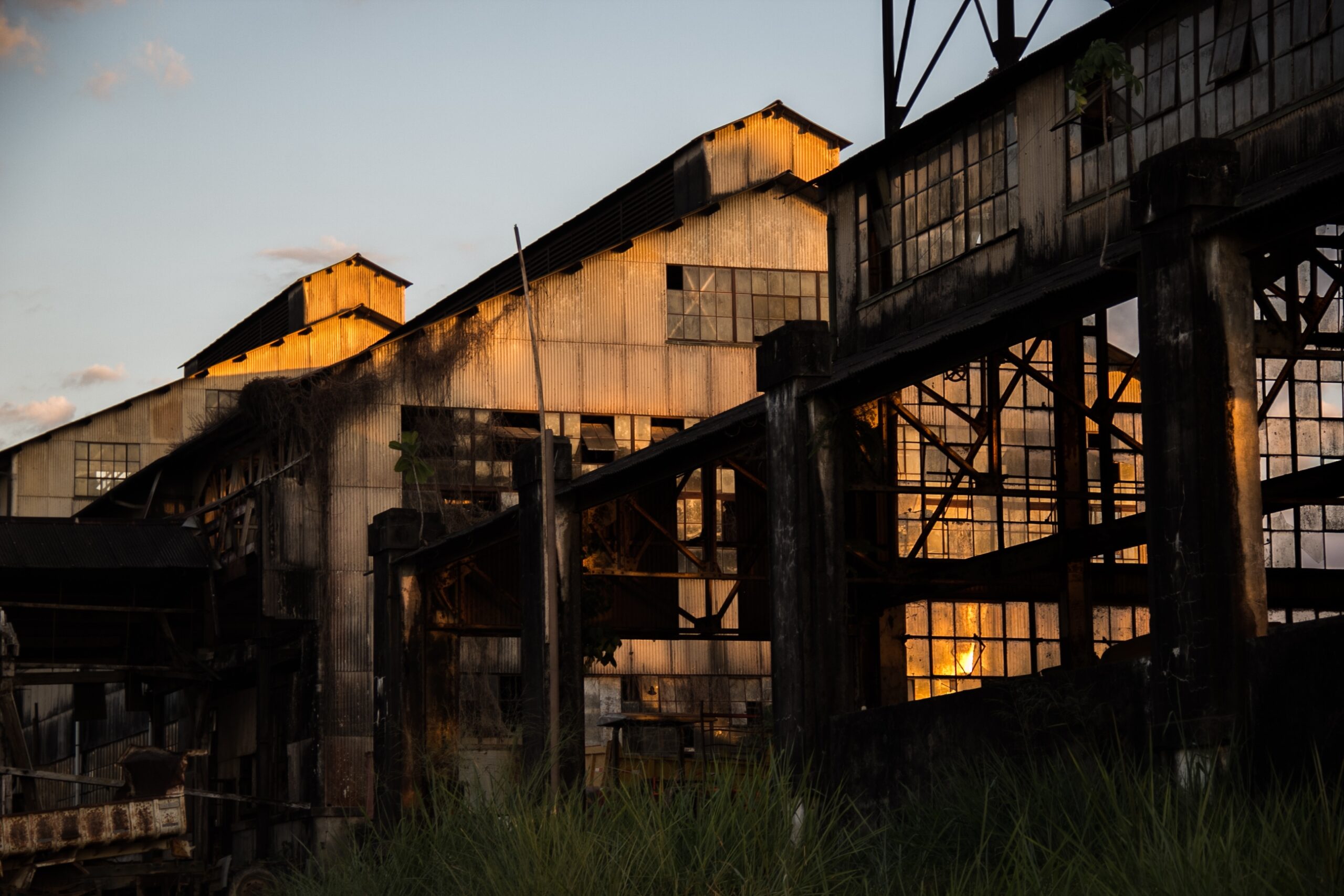
Eventually, the Second World War rolled around, and Fordlandia was still failing to produce enough rubber. The focus of Ford’s factories had been turned to military production, and Fordlandia was used as a military outpost housing soldiers during the war.
Post-war, Ford’s son took over management of the company, and to save costs for the company, had to make cutbacks. Fordlandia was the first to go, and was sold to the government of Brazil. Since then, it has been more or less forgotten.
However, there is still a population living deep in the Amazon rainforest city, with a current population of around 3,000. Now, with the new cultural mandate, they will see Fordlandia revitalized once the government implements a recovery project. For the adventurous among car enthusiasts, the forgotten rubber city will be a must-see.