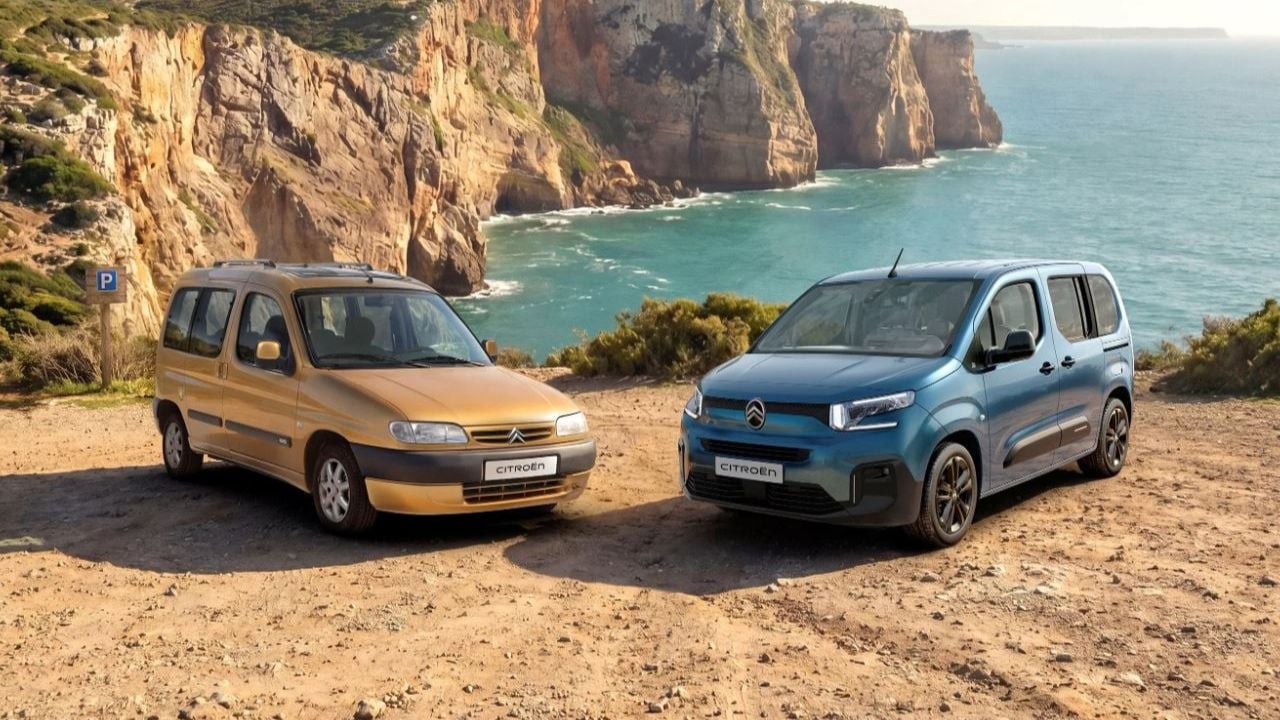
The Citroën Berlingo is one of Europe’s most recognizable van-based family vehicles. For three decades, it has given buyers something simple but difficult to replace: the space of a small van, the usability of a family car, and the kind of practicality that works for tradespeople, parents, outdoor users, and anyone who needs one vehicle to do several jobs.
The Berlingo has never fit neatly into one category. It can be a compact commercial van, a family hauler, a weekend activity vehicle, or a roomy alternative to a traditional minivan. That flexibility is the point.
Today, the Berlingo sits inside a much larger vehicle family than it did when the first generation appeared in 1996. Related Stellantis and Toyota models include the Peugeot Partner/Rifter, Opel Combo, Fiat Doblò, and Toyota Proace City/Proace City Verso, depending on market and body style.
That shared family makes the Berlingo even more important. It remains one of those vehicles built around space, access, sliding-door usefulness, cargo flexibility, and everyday function rather than fashion.
A Practical Shape That Changed The Segment
Earlier compact vans often carried a clear visual break between the front passenger area and the cargo box. The Berlingo helped move the segment away from that older look.
When Citroën launched the Berlingo commercial vehicle in 1996, it offered an integrated load volume rather than the more obvious add-on cargo-box appearance of older small vans. The passenger-focused Multispace followed in 1997 and helped create the leisure activity vehicle idea: compact outside, roomy inside, easy to load, and useful for daily family life.
That formula gave the Berlingo a wide audience. Tradespeople could use it as a work tool. Families could use it as a practical people carrier. Outdoor users could load bikes, bags, dogs, and weekend gear without moving into a much larger van.
With Citroën’s C4 SpaceTourer and Grand C4 SpaceTourer family gone, the passenger Berlingo has become even more important for buyers who still want a practical Citroën family vehicle. It does not try to feel fashionable. It succeeds by being useful.
The Current Berlingo Gets A Cleaner Look
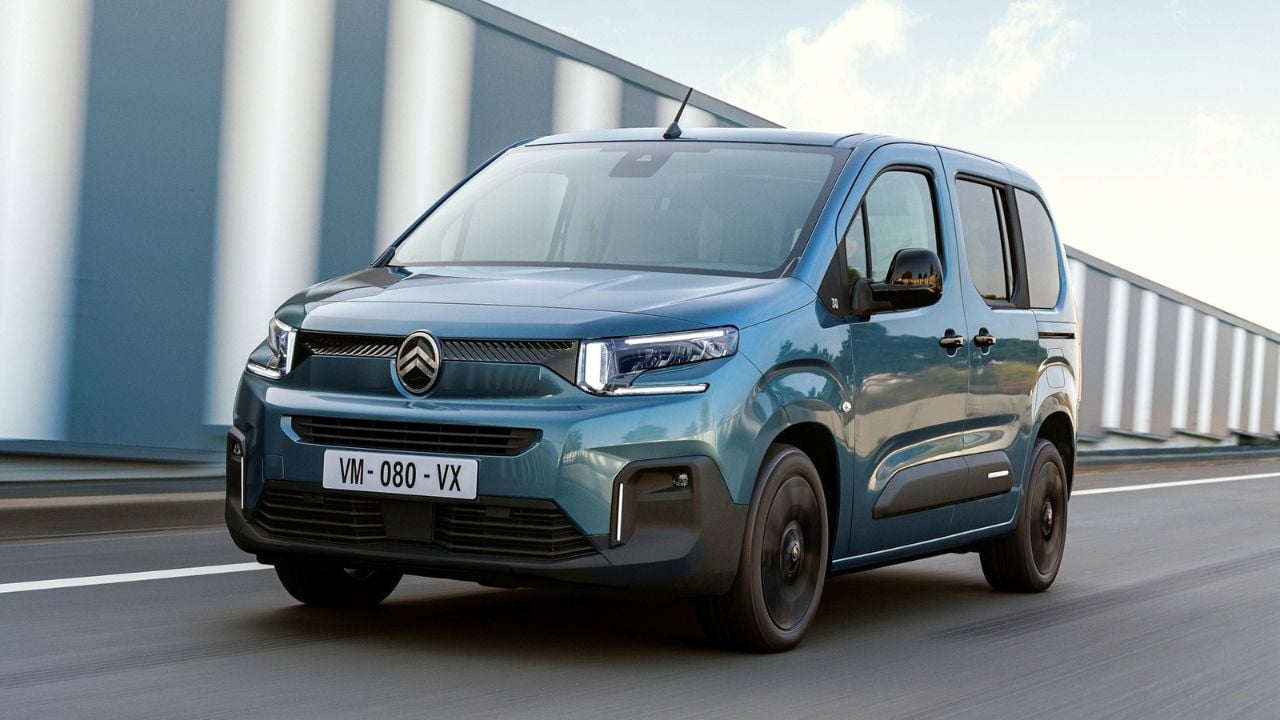
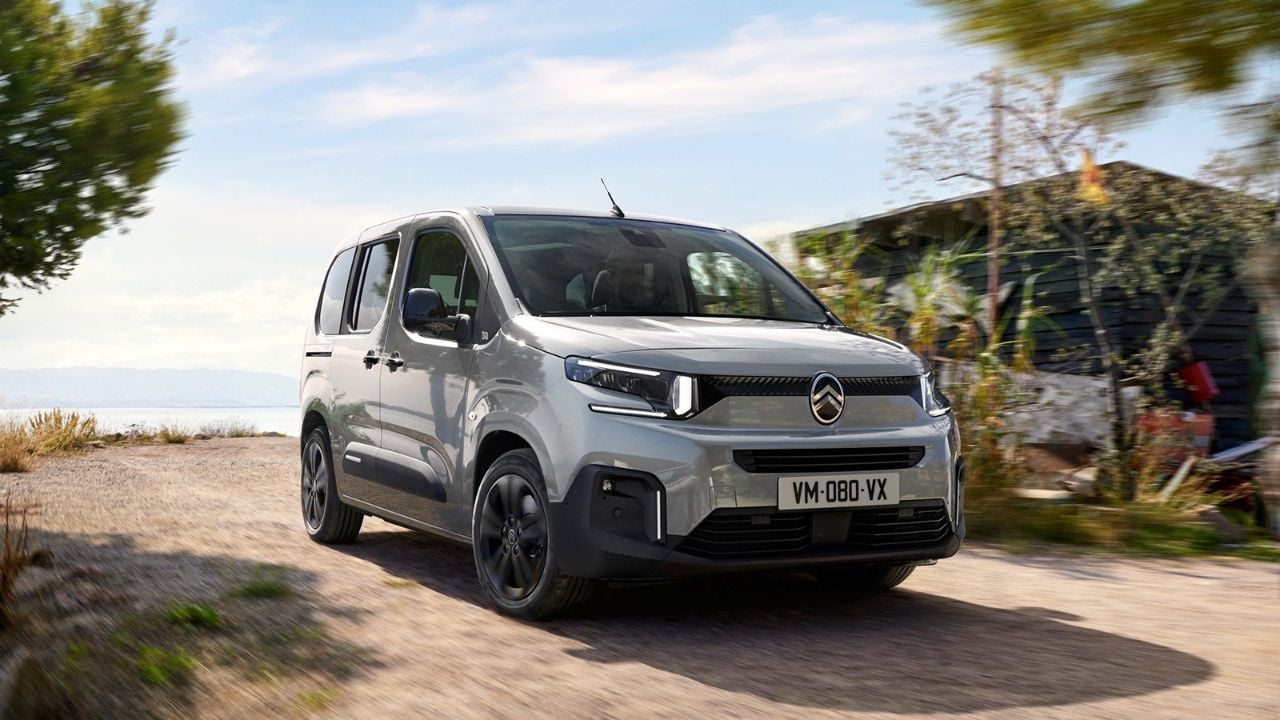
The third-generation Berlingo arrived in 2018 and was updated for 2024 with Citroën’s newer design identity. The refreshed model brought a more vertical front end, the brand’s oval badge, a redesigned dashboard, and more modern technology inside.
The current Berlingo keeps the basic idea intact. It is still tall, boxy, practical, and easy to load, but the cabin now feels closer to Citroën’s latest passenger-car lineup. Available 10-inch displays, updated infotainment, improved seating, and driver-assistance technology give it a more contemporary feel without changing the vehicle’s purpose.
For its 30th anniversary, Citroën is introducing the Berlingo “30 Years” special edition. The model is available only as a leisure activity/passenger version, in M and XL body styles, and it sits between the Plus and Max trim levels.
The anniversary version is marked by a “30” badge on the front pillar, a small detail that connects the current model to three decades of work, family use, road trips, house moves, and everyday European mobility.
What Comes With The 30 Years Edition
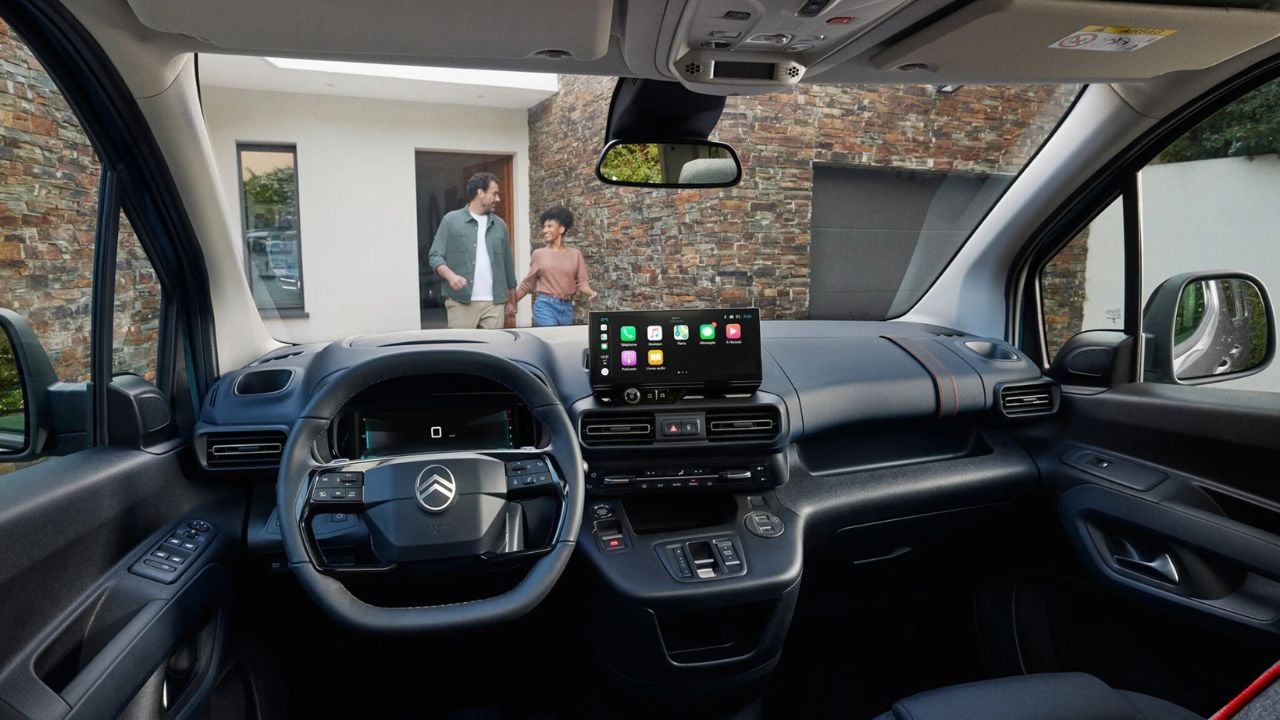
The “30 Years” edition adds the kind of equipment that makes sense in a vehicle people actually use every day. Citroën lists Citroën Advanced Comfort seats, three individual seats in the second row, a 10-inch HD screen, a 10-inch digital instrument cluster, a rearview camera with Top Rear Vision, and a heated leather steering wheel.
The package also includes electrically folding mirrors, 16-inch black Chaves alloy wheels, and tinted windows. It gives the Berlingo a richer feel without moving it completely away from its practical roots.
The M body style measures 4.40 meters, while the longer XL measures 4.75 meters. The M version is offered as a five-seater, while the XL versions are listed as five-seaters with a seven-seat option.
That keeps the anniversary edition focused on families and private buyers rather than purely commercial customers. It also fits the Berlingo’s broader role as a vehicle for people who need space, access, and flexibility more than a conventional hatchback or SUV image.
Gas, Diesel, And Electric Power Remain Available
The engine lineup for the anniversary version keeps the Berlingo’s practical character. Citroën lists a 110-horsepower petrol engine with a manual gearbox, plus two diesel versions: a 100-horsepower diesel with a manual gearbox and a 130-horsepower diesel with an automatic gearbox.
The electric ë-Berlingo “30 Years” uses a 136-horsepower electric motor and a 54 kWh battery in the anniversary-edition release. Like the rest of the Berlingo range, it keeps the focus on front-wheel-drive practicality rather than performance theater.
In official German-market pricing, the Berlingo “30 Years” starts at €27,800 including VAT for the M petrol manual five-seater. The range reaches €39,500 including VAT for the XL ë-Berlingo Electric with the 54 kWh battery, automatic transmission, and five-seat layout with a seven-seat option.
That places the anniversary model in familiar Berlingo territory. It is still a practical everyday vehicle first, but now with more equipment, cleaner styling, and a clearer link to the model’s 30-year story.
This article was originally published by Autorepublika.com and is republished with permission. It has been reviewed and edited by Guessing Headlights.