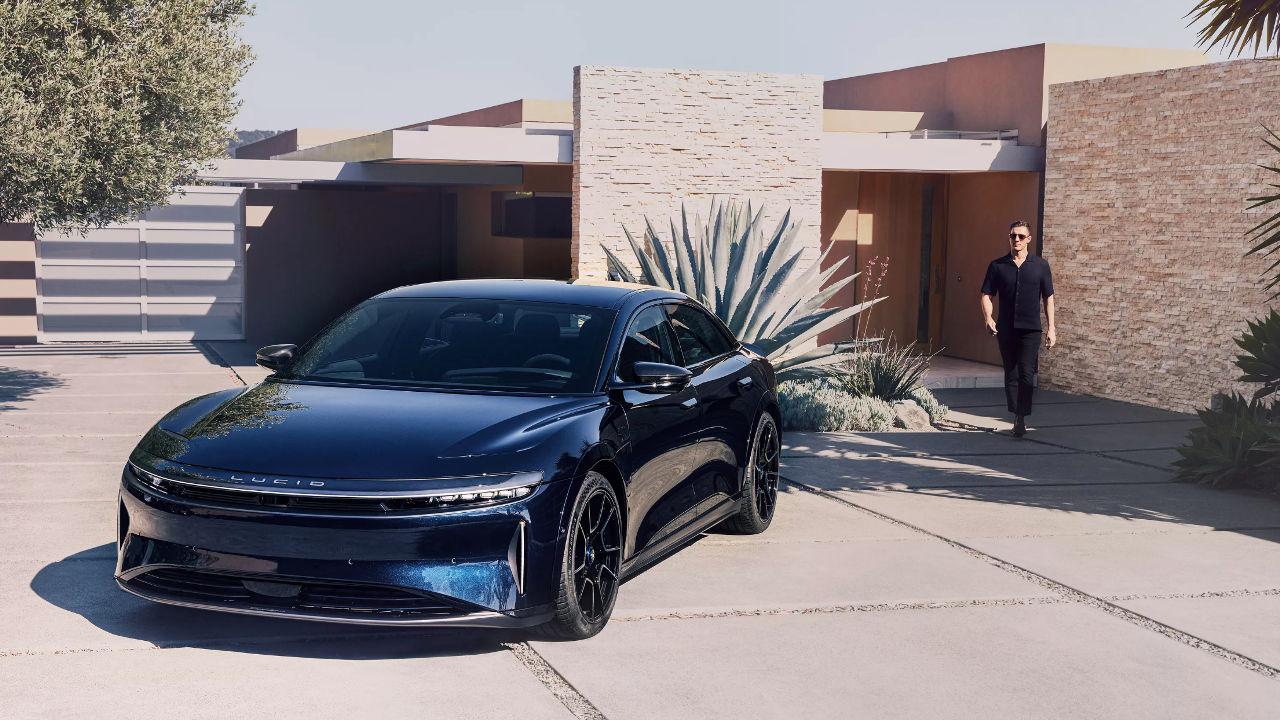
A Lucid Air owner in Quebec has won an arbitration case against the automaker after documenting a long list of problems with his 2024 Air Pure. The decision forced Lucid to cancel the lease and take the vehicle back roughly 18 months into a four-year agreement.
The owner, posting under the name LucidGoosey on the Lucid Owners forum, said he represented himself through Canada’s CAMVAP arbitration process rather than pursuing a traditional court case. He said the outcome brought relief after what he described as the worst ownership and service experience he had ever encountered.
The case has attracted attention not only because the owner won, but because of the arguments Lucid allegedly made during the arbitration. According to the forum post, the automaker suggested some of the vehicle’s issues were caused by improper use rather than design or manufacturing defects.
Among the most surprising claims, the owner said Lucid argued the car was not meant to be parked outdoors in freezing winter conditions and that its driver-assistance system was not designed for city or country-road use.
Owner Documented Repeated Failures

The Air Pure owner said he experienced multiple serious issues, including repeated towings, roadside breakdowns, frunk-related failures, electrical problems, GPS and audio dropouts, trim defects, weatherproofing problems, and seat stitching coming apart.
He also claimed the vehicle’s ADAS system repeatedly attempted to steer into oncoming traffic. According to the owner, he documented the problems with timestamped photos and videos each time an error message or failure occurred.
That documentation appears to have been central to his case. The owner said the vehicle also required wheel alignments several times per year, something he argued was abnormal for a luxury EV.
Lucid’s Alleged Defense Drew Attention
The most controversial part of the story involves Lucid’s reported explanations during the arbitration. According to the owner, the company argued that frequent realignments were normal because the vehicle was extremely heavy, allegedly claiming it weighed more than 6,000 pounds.
The owner pushed back, noting his Air Pure weighed closer to 4,500 pounds. He also said Lucid’s legal team claimed the ADAS system was intended only for multi-lane highways and should be manually disabled on city streets or country roads.
The frunk issue produced another striking claim. According to the post, Lucid said snow or ice could cause the frunk to misread its open or closed status and that the car was not designed to be parked outside below freezing.
Quality Concerns Remain a Challenge

The forum account comes as Lucid continues working to establish itself as a serious luxury EV manufacturer. The Air remains one of the most impressive electric sedans on sale, with strong range figures, high-end performance, and a refined cabin that has helped it stand apart from Tesla and legacy luxury rivals.
However, the brand has also faced scrutiny over quality and reliability. The owner’s complaints included a mix of electronic issues, driver-assistance concerns, body trim problems, and weather-related failures that would be especially frustrating in a premium vehicle.
Even the owner acknowledged the car’s appeal, describing it as beautiful, comfortable, and advanced. His criticism centered on reliability, service, and how the company handled the dispute.
A Reminder That Luxury EVs Still Need Old-School Durability
Lucid’s challenge is not proving that it can build a fast, long-range, technically impressive EV. The Air has already done that. The bigger challenge is proving that it can deliver the consistent quality and ownership support expected from a premium brand.
For a vehicle sold as a luxury sedan, customers expect it to function reliably in ordinary real-world conditions, including winter weather, city driving, and daily outdoor parking. Blaming those conditions on the owner, if accurately described, is unlikely to reassure current or future buyers.
The arbitration result applies to one owner and one vehicle, but the story lands because it touches a broader concern for newer EV brands. Technology may attract buyers, but long-term trust depends on reliability, accountability, and service when things go wrong.