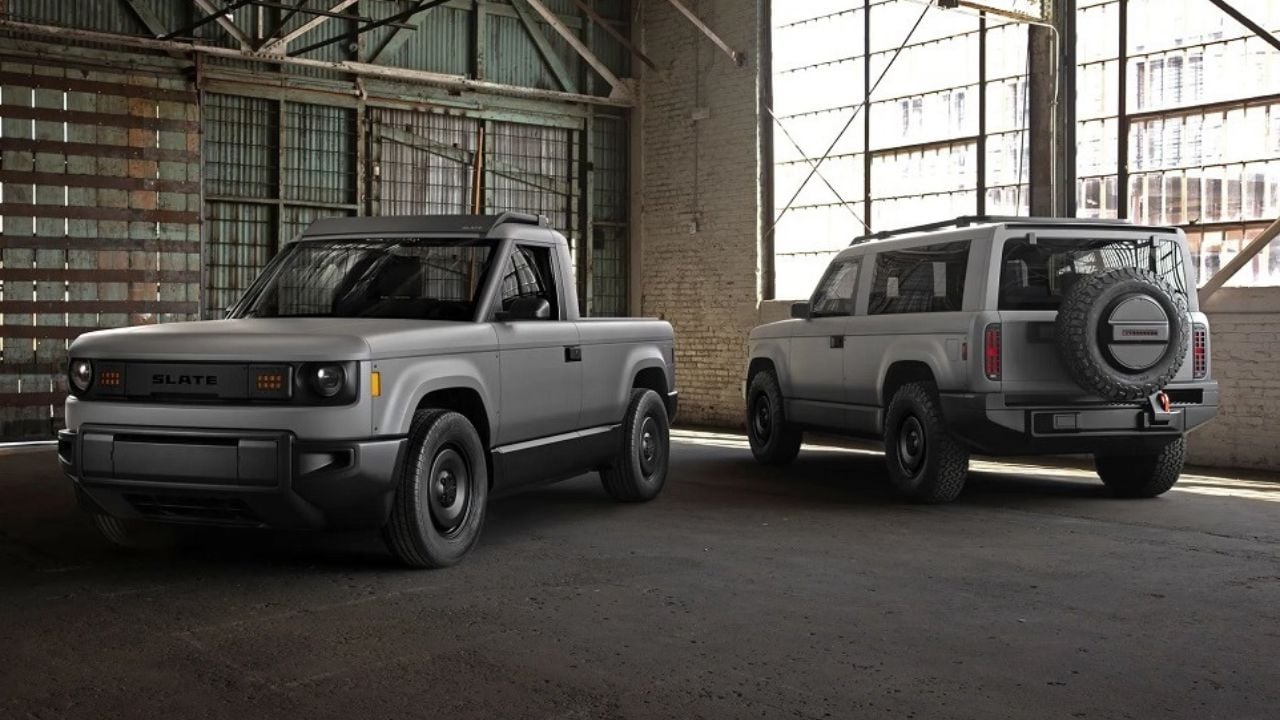
Slate Auto is preparing to take the next major step toward bringing its affordable electric pickup to market. Beginning June 24, reservation holders will be able to convert their spots into official preorders by placing a non-refundable deposit.
The move marks a significant milestone for the Amazon-backed startup, which has generated considerable attention with its promise of a simple, low-cost electric truck. However, prospective buyers will be asked to commit additional money before knowing exactly how much the vehicle will cost.
While Slate continues to advertise a starting price in the mid-$20,000 range, final pricing has yet to be revealed. That information is expected to arrive when preorders officially open later this month.
For many of the more than 160,000 people who have already placed reservations, the decision will come down to whether they are willing to secure their place in line without seeing the final numbers first.
Preorders Open June 24
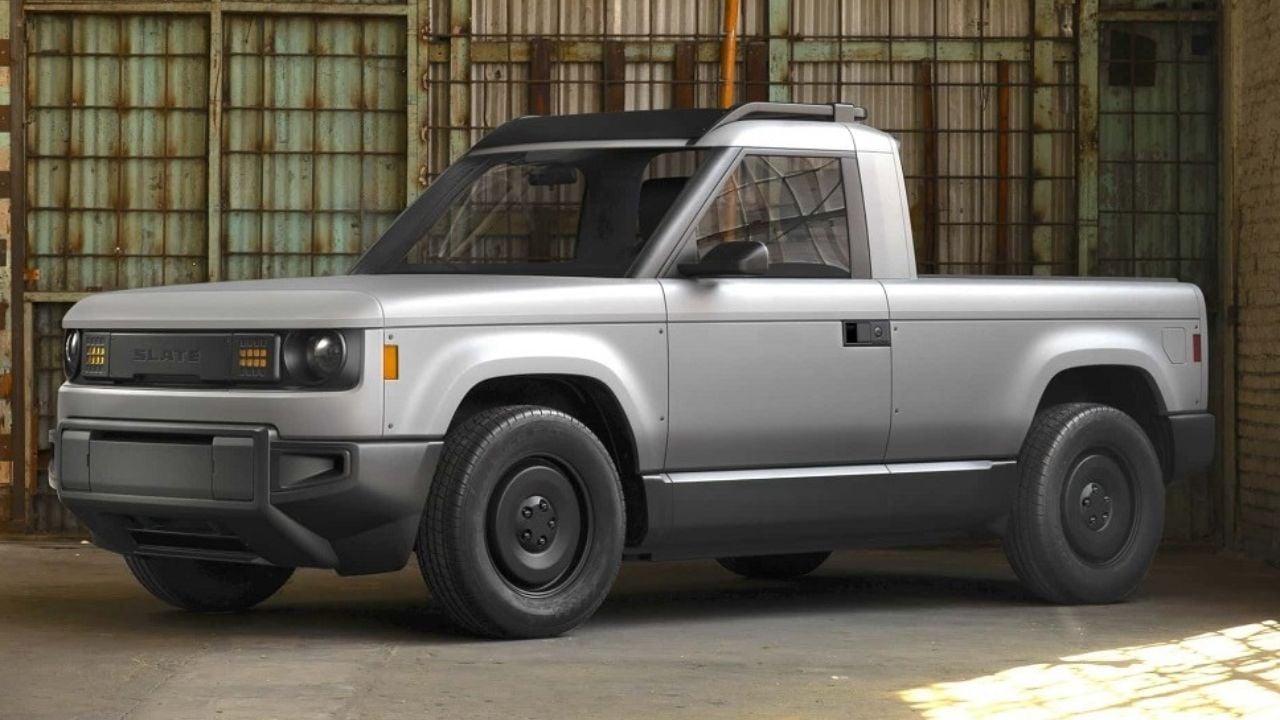
According to information shared with reservation holders and later posted on Slate Forums, customers will gain access to preorder details through their Slate accounts starting June 24. Buyers will be assigned a delivery window and receive a link allowing them to move forward with an order.
To secure that delivery slot, customers will need to place a $300 non-refundable deposit within 30 days. Existing reservation holders who previously paid a $50 reservation fee will have that amount credited toward the preorder deposit.
Slate says customers who miss the initial 30-day deadline will still be able to place a preorder. However, doing so will push their delivery timing into a later production window.
The company also confirmed that the deposit will ultimately be applied toward the final purchase price of the vehicle.
Buyers Still Don’t Know The Exact Price
The unusual aspect of Slate’s preorder process is that customers are being asked to commit additional money before the company has announced final pricing.
When Slate first revealed its compact electric pickup, it attracted attention by targeting a starting price in the mid-$20,000 range. That figure was originally expected to benefit from federal EV tax incentives that have since become less certain, creating questions about where the final MSRP will land.
As a result, buyers placing deposits later this month will effectively be reserving production slots based on broad pricing estimates rather than confirmed figures. For a startup still working toward production, that represents a notable leap of faith for early adopters.
A Startup Facing Major Challenges
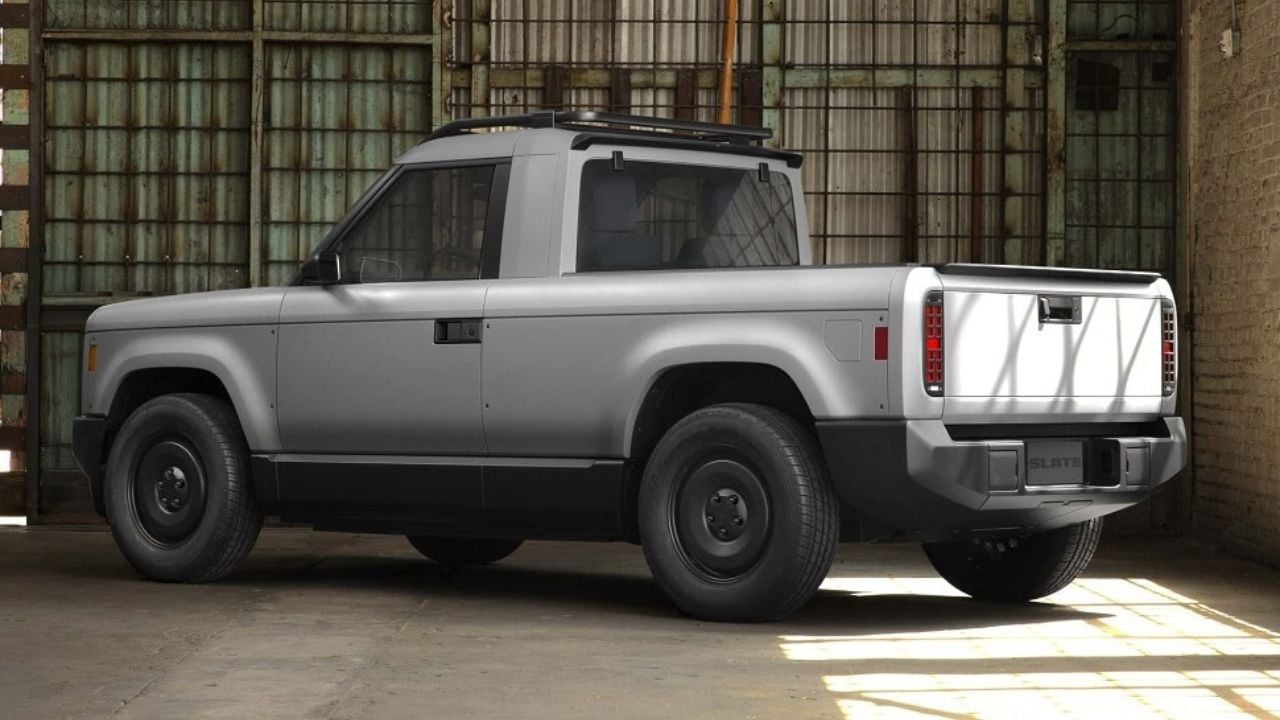
Slate has generated significant buzz by taking a different approach from many modern EV startups. The company has emphasized simplicity, promising features such as manual windows and a stripped-down design intended to keep costs under control.
The road to production has not been entirely smooth, however. The startup has undergone leadership changes, including the appointment of a new CEO with Amazon ties, while also navigating shifting EV market conditions and changing government incentive programs.
Another unconventional element of Slate’s business plan involves vehicle servicing. Rather than establishing a dedicated network of service centers, the company intends to rely on independent repair facilities and local mechanics to support owners.
That strategy could help reduce operating costs, although it also raises questions about long-term customer support as the company scales.
Deliveries Remain More Than A Year Away
Even after customers place their deposits this summer, they will still face a lengthy wait before receiving their trucks.
Slate’s current timeline calls for customization and accessory selection to begin in Fall 2026. Buyers will then be able to finalize financing arrangements and complete purchase agreements as their production slots approach.
Vehicle deliveries are not expected to begin until mid-2027, meaning some reservation holders could wait more than a year before taking possession.
For now, Slate is asking buyers to place their trust in a vision that remains largely unfinished. Whether consumers are willing to commit additional money before seeing the final price may offer some insight as to just how strong demand for America’s most talked-about budget EV truck really is.