
Ford’s Power Stroke diesel engines have built a reputation for surviving abuse that would destroy most powertrains. A recent viral test featured mechanics deliberately trying to destroy one of Ford’s older diesel engines using extreme methods, yet the engine continued running long after many viewers expected catastrophic failure. The experiment, highlighted by automotive outlets and YouTube creators, has reignited debate around which Ford diesel engines deserve their legendary status and which generations earned criticism from truck owners.
The video at the center of the discussion shows a Ford diesel subjected to repeated mechanical punishment, including contaminated fluids and aggressive operation under stress. While the spectacle was designed for entertainment, it also underscored how durable some older Power Stroke engines remain decades after production. Diesel enthusiasts across forums and social media have pointed to the test as proof that Ford’s earlier heavy-duty diesels were engineered with longevity in mind. Others argue the brand’s diesel history is more complicated, especially during the troubled 6.0-liter and 6.4-liter eras.
Why Older Power Stroke Engines Refuse To Die
Among diesel enthusiasts, the 7.3-liter Power Stroke remains one of Ford’s most respected engines. Introduced in the 1990s, the turbo diesel became known for durability, towing capability, and relatively simple engineering compared to modern emissions-heavy diesels. Ford Trucks described the engine as a “legendary motor,” noting that more than two million examples remain on the road today.
That reputation explains why videos attempting to “kill” these engines attract millions of views online. In one recent test, mechanics ran a 7.3-liter Power Stroke on fluids other than diesel fuel. They changed the oil, while the engine was operating, and repeatedly abused the van carrying the engine. Despite this punishment, the engine kept running.
Durability largely came down to the engine’s heavy-duty construction. Older diesel engines were often overbuilt to handle commercial workloads and long-distance towing. Simpler electronics and fewer emissions systems also reduced the number of components that could fail.
Ford’s Diesel Reputation Took a Hit During the 6.0 and 6.4 Era
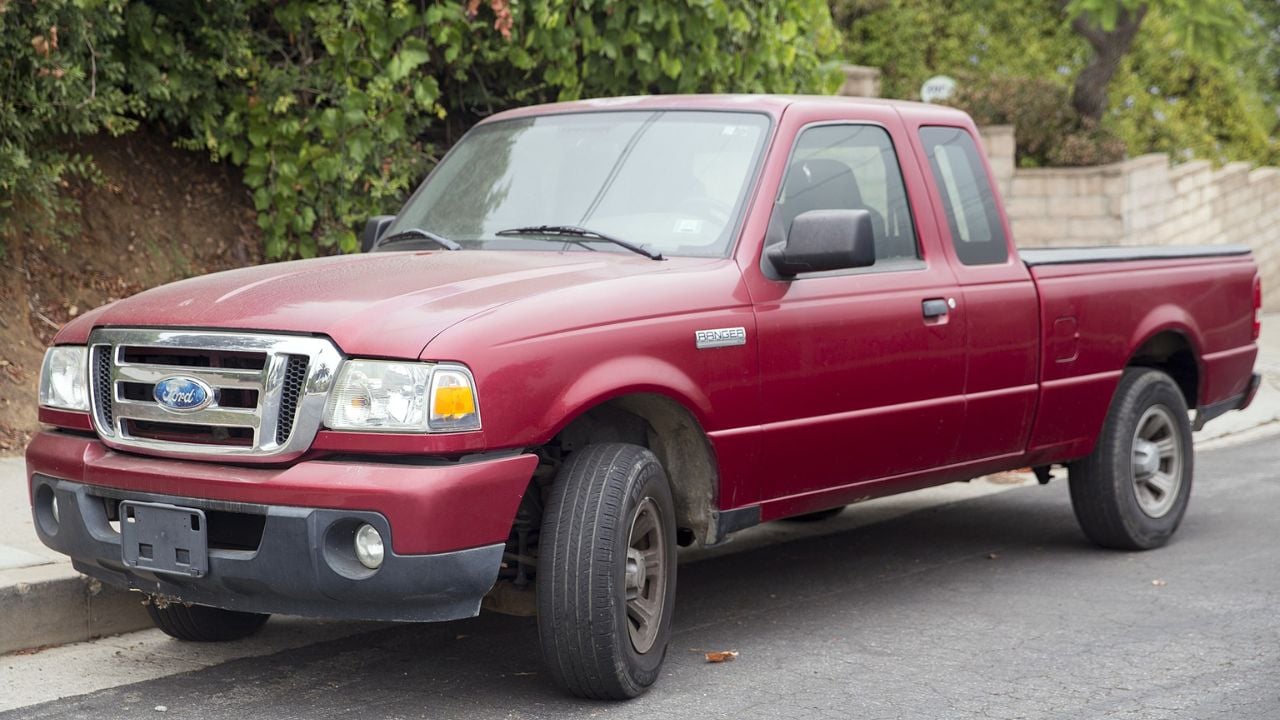
Not every Power Stroke earned universal praise. Ford’s 6.0-liter and 6.4-liter diesel engines became infamous for reliability problems that damaged the brand’s standing among truck buyers. Diesel Army recently noted that both engines became “legendary for all the wrong reasons,” citing years of complaints involving head gaskets, emissions equipment, fuel systems, and internal failures.
The 6.4-liter Power Stroke in particular remains controversial in diesel circles. Reddit users discussing the engine frequently mention cracked pistons, failed fuel systems, radiator leaks, and expensive repairs. One owner described the truck as enjoyable to drive, but financially draining due to repeated breakdowns and towing incidents.
The problems became so severe that Ford eventually ended its partnership with Navistar International and shifted toward developing diesel engines in-house. That transition led to the creation of the 6.7-liter Power Stroke, internally known as the “Scorpion.”
Ford subjected the 6.7-liter to extensive durability testing before launch. Engineers simulated 250,000 miles of hard towing conditions, extreme temperature swings, and structural stress tests designed to expose production weaknesses before trucks reached customers.
Modern Power Stroke Engines Focus on Power and Endurance

Ford’s newer diesel trucks have shifted focus toward balancing durability with stricter emissions standards and higher performance targets. Modern Super Duty trucks equipped with the high-output 6.7-liter Power Stroke now produce enormous torque figures that rival those of medium-duty commercial trucks.
Ford has continued refining the engine over multiple generations, increasing towing capability while improving efficiency and reliability. Even so, many longtime diesel fans still view the older 7.3-liter Power Stroke as the company’s toughest engine.
That perception explains why torture-test videos continue drawing attention online. They tap into a broader nostalgia for older diesel trucks built before modern emissions equipment complicated ownership. While newer engines deliver more power and cleaner operation, the old-school Power Stroke still holds a unique reputation among enthusiasts who believe true durability matters more than anything else.