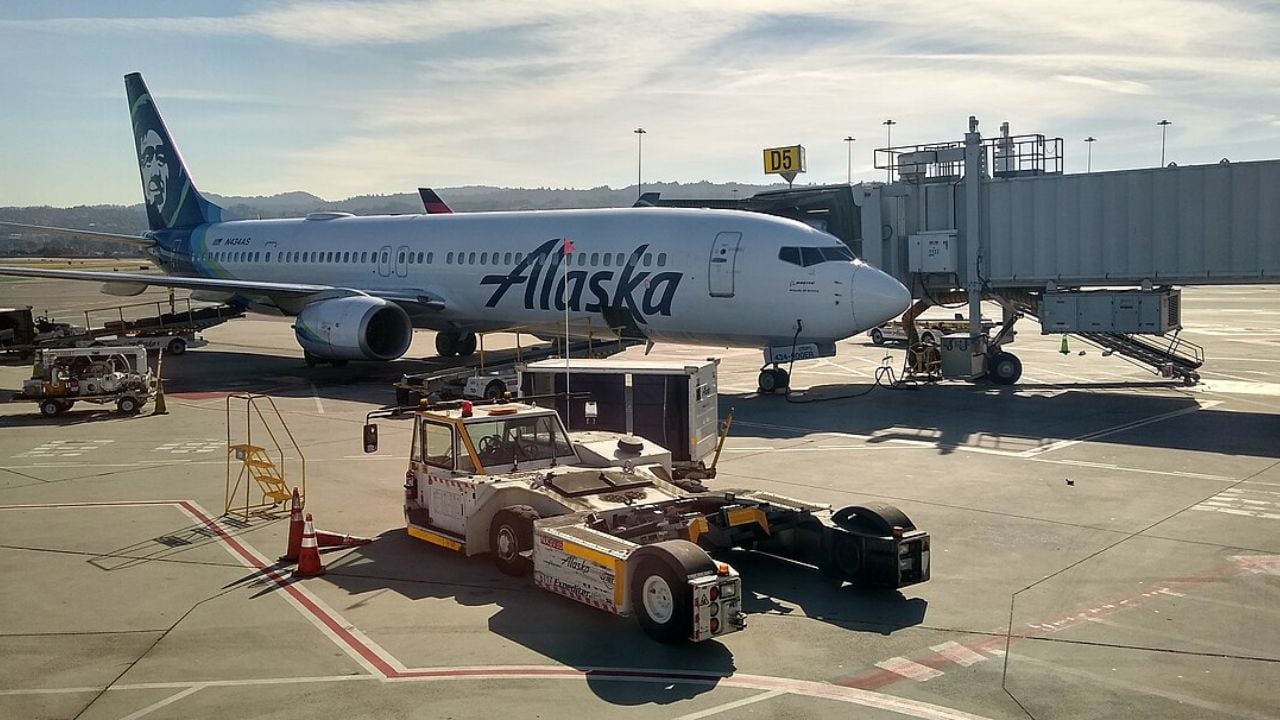

The U.S. aviation industry is facing another regulatory flashpoint after the Federal Aviation Administration proposed a $165,000 civil penalty against Alaska Airlines over allegations that the carrier allowed visibly intoxicated passengers to board multiple flights. The agency said the incidents happened across 11 separate flights between February 2024 and February 2025.
The proposed fine lands during a period of heightened federal scrutiny on airline safety culture in the United States. Regulators have spent the past two years intensifying oversight of carriers, maintenance operations, staffing practices, and onboard safety procedures after a series of high-profile incidents rattled public confidence in commercial aviation.
FAA rules are unambiguous on intoxicated passengers. Federal regulations prohibit airlines from permitting anyone who appears intoxicated to board an aircraft, largely because alcohol-related disturbances in the air can escalate into threats to crew members, passengers, and flight operations.
The agency did not publicly identify the flights involved or disclose how intoxicated the passengers allegedly appeared before boarding. It also remains unclear whether the passengers caused disruptions in the cabin after takeoff, though the FAA’s enforcement action suggests investigators believed airline staff failed to follow required screening standards.
FAA Escalates Pressure on Airlines
The case against Alaska Airlines reflects a broader enforcement push by the FAA under increasing political and public pressure to tighten airline accountability. Regulators have become especially aggressive toward carriers accused of overlooking procedures tied directly to passenger and crew safety.
Earlier this year, the FAA also proposed penalties against other major U.S. airlines for separate compliance failures. Southwest Airlines was hit with a proposed $304,000 penalty tied to alleged failures involving employee drug and alcohol testing requirements, while American Airlines faced a proposed $255,000 penalty over similar allegations.
The aviation regulator has increasingly leaned on financial penalties as it tries to reinforce operational discipline inside airlines that are still dealing with post-pandemic staffing pressures. Industry analysts say front-line workers, including gate agents and flight attendants, have faced mounting challenges handling disruptive passengers since travel demand surged back worldwide.
Alcohol-related incidents became a particularly sensitive issue after the pandemic era saw a spike in unruly passenger cases across U.S. airlines. Several carriers temporarily restricted onboard alcohol sales in earlier years after violent altercations and crew assaults made national headlines.
Alaska Airlines Responds
Alaska Airlines said it cooperated fully with the FAA audit and has already implemented corrective measures over the past year. According to the airline, new training programs have been introduced for both customer service agents and cabin crews to strengthen compliance with federal standards.
The airline also expressed confidence in the effectiveness of those changes, signaling that it believes the alleged violations do not reflect its current operating procedures. The FAA, however, appears determined to send a message that airlines remain responsible for identifying intoxicated passengers before boarding begins.
Under federal enforcement procedures, Alaska Airlines has 30 days to respond after receiving the FAA’s enforcement letter. The carrier can either contest the allegations, negotiate with regulators, or agree to pay the proposed fine.
While $165,000 is relatively small for a major airline, enforcement actions like this can still carry reputational consequences. Airlines spend heavily training employees to detect impairment because alcohol-related incidents in the air are uniquely difficult to manage once an aircraft leaves the gate.
A Longstanding Aviation Safety Concern
The aviation industry’s strict stance on intoxicated passengers dates back decades and is rooted in hard lessons learned from disruptive inflight incidents. Unlike disturbances in terminals or other public spaces, incidents aboard aircraft unfold in confined environments thousands of feet above the ground, often with limited options for intervention.
Cabin crews are trained to watch for slurred speech, impaired balance, aggressive behavior, or passengers consuming excessive alcohol before departure. In many cases, airlines also coordinate with airport bars and concession operators when travelers appear heavily intoxicated before boarding.
The Alaska Airlines enforcement case underscores how regulators increasingly expect airlines to document and enforce those judgments consistently. Even without a major onboard incident tied to the flights in question, the FAA appears focused on reinforcing the idea that prevention on the ground remains one of aviation’s most important safety barriers.
Source: Reuters