
The cheapest airport transfer is not always the one with the lowest fare. The expensive part often appears after the first ride: the taxi from the final station, the extra Tube leg with luggage, the late-night backup ride, the missed fixed train ticket, or the second suitcase dragged through stairs and rain.
A good airport arrival starts with the whole route, not the airport name. Travelers should price the ride from the terminal to the hotel door, including the final walk, the last train of the night, luggage, stairs, weather, group size, and payment rules at the gate.
1. The Fast Airport Train May Drop You in the Wrong Part of Town
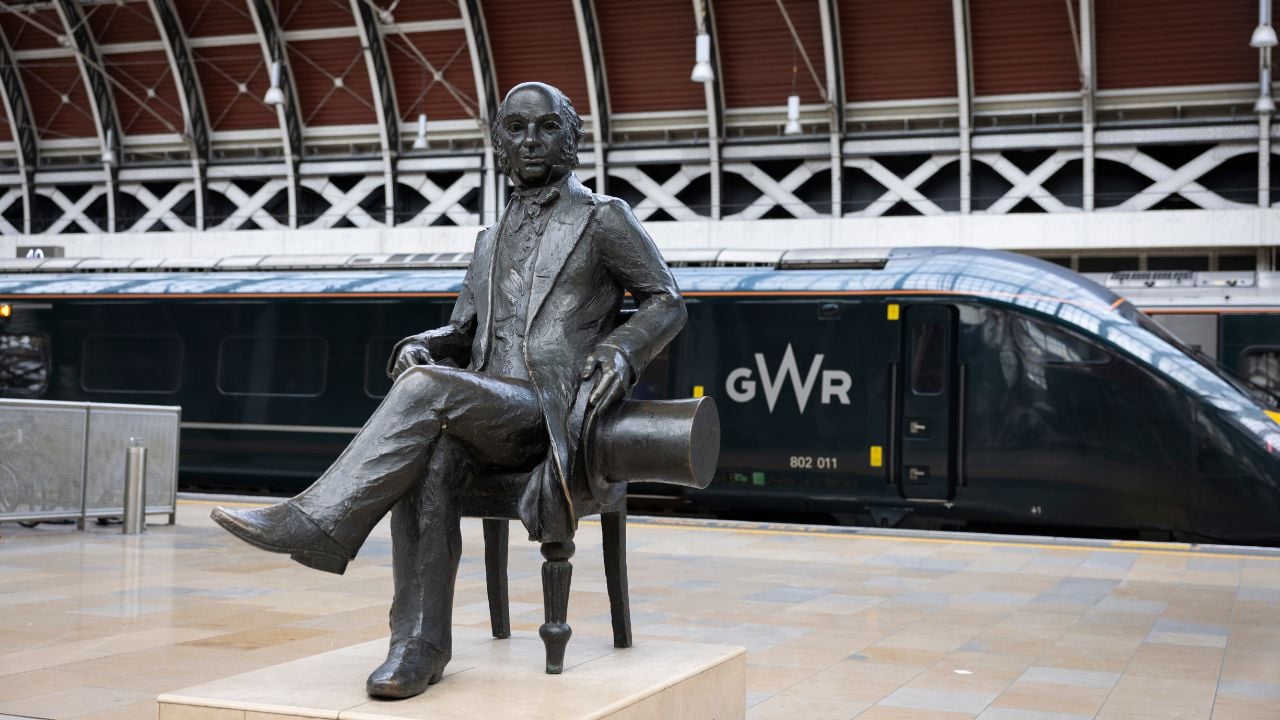
Airport trains can look cheap and simple until the hotel address enters the calculation. Heathrow Express says trains reach London Paddington in 15 minutes, run every 15 minutes, and offer tickets from £10 one way. For a hotel near Paddington, Bayswater, Notting Hill, Marylebone, or the Elizabeth line, that can be a clean arrival.
For a hotel in South Bank, Shoreditch, Kensington, Covent Garden, or far east London, Paddington may only be the first stop. The trip can still require the Tube, a taxi, a bus, or a long walk with bags after the airport train ends.
Price the transfer to the hotel entrance, not only to the first city station. Check the platform-to-street walk, elevator access, stairs, hotel-side station exit, and how the route looks with luggage after a long flight.
A slower airport route that lands on the right side of the city can cost less than a faster express train followed by another paid ride across town.
2. A Cheap Public Route Can Disappear Late at Night
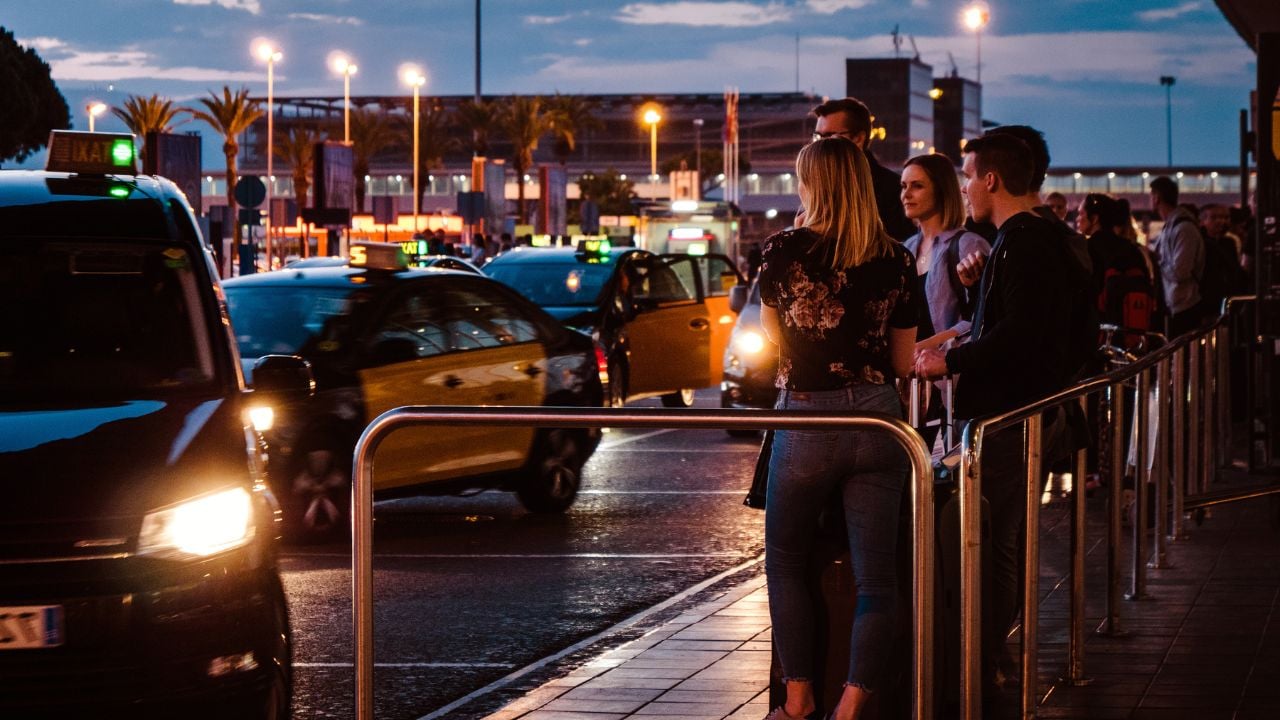
Public transport can be the best airport transfer during the day and a bad gamble after a delayed evening landing. Paris Charles de Gaulle shows the problem clearly. Paris Aéroport describes the RER B as the simplest and most direct public transport link between CDG and central Paris, especially Gare du Nord and Châtelet.
That route still needs a current timetable check. Late arrivals, engineering works, strikes, reduced service, and missed connections can push travelers toward a taxi queue or ride-hailing fare they did not budget for.
Save the hotel address offline, screenshot check-in instructions, keep the hotel phone number easy to find, and know where the official taxi rank is before leaving home. A traveler landing after midnight with children, heavy luggage, or a hotel on a quiet side street should price the backup ride before the plane takes off.
The cheapest daytime route is not the real transfer cost if the flight lands after the last useful connection.
3. A Fixed Train Ticket Can Turn a Delay Into a New Purchase

Some airport rail links are easy once the traveler reaches the platform. Trenitalia says the Leonardo Express connects Rome Fiumicino Airport with Roma Termini in 32 minutes, with departures scheduled every 15 minutes.
The ticket still has to fit the arrival day. Passport control, baggage claim, a long terminal walk, a bathroom stop, and confusion around the station can eat more time than expected. A ticket tied to a strict time, fare condition, or booking window can create a problem before the traveler reaches the train.
Read the fare conditions before buying. Check whether the ticket allows a later train, whether it needs validation, and whether the price difference between fixed and flexible travel is worth worrying about after an international flight.
An airport train should remove the first taxi bill, not create a race from baggage claim to the platform.
4. One Wrong Tap Can Break a Contactless Fare Cap
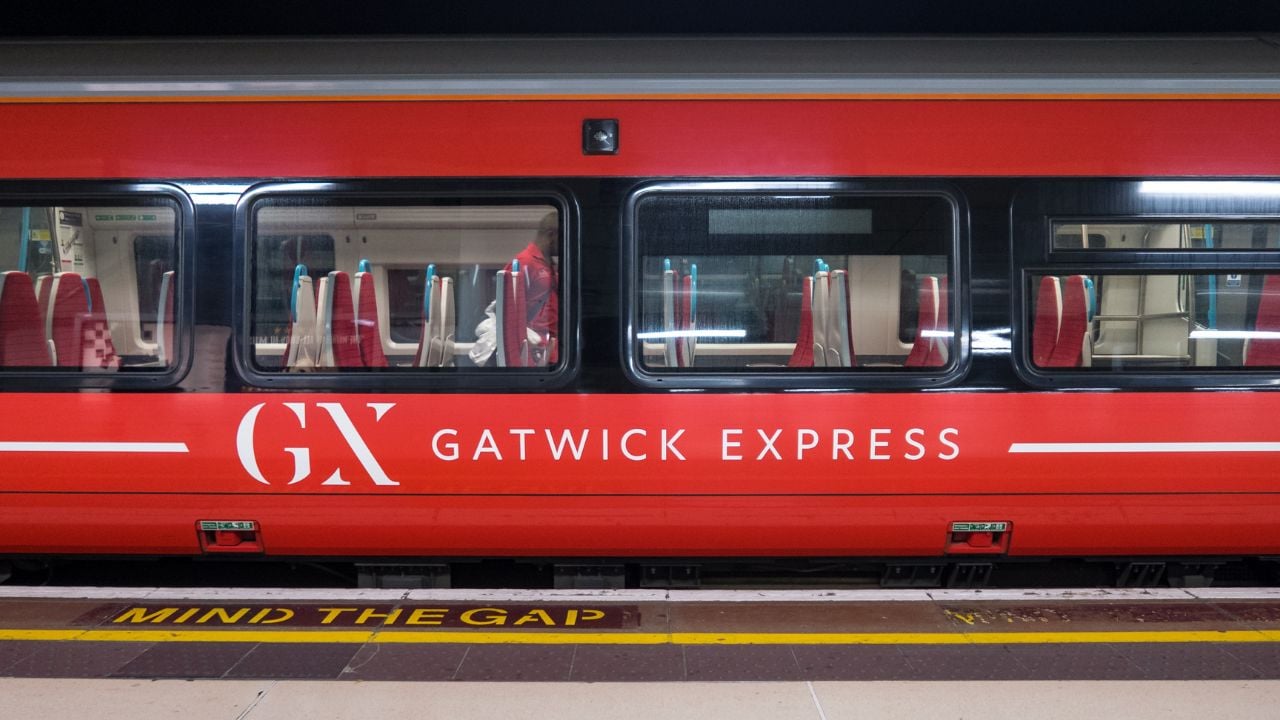
Contactless transit is convenient, but the payment device has to stay consistent. Transport for London says travelers should always use the same contactless card, device, or Oyster card to touch in and out. TfL gives the example of not touching in with an iPhone and touching out with an Apple Watch or contactless card.
The same rule affects fare caps. A phone, physical card, and watch can look like three different payment methods to the system. Switching between them can stop the day’s rides from counting together.
Choose the payment method before the first airport gate. Use the same phone, watch, Oyster card, or physical contactless card for the airport train, Tube, bus, or connected ride. Keep a backup card separate in case a bank blocks the first card or a phone battery dies.
This is a small arrival detail, but it can decide whether the first day’s transit charges stay capped or turn into separate fares.
5. Luggage and Group Size Can Flip the Price Math
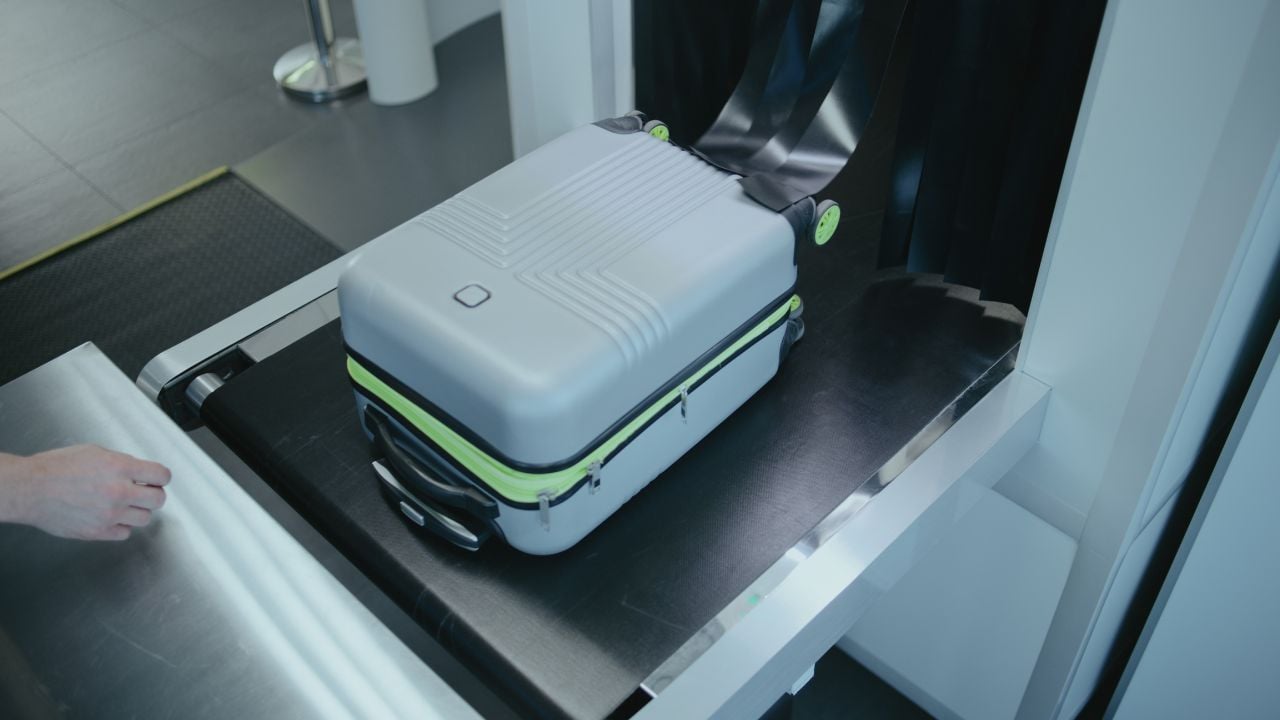
A train can be perfect for one traveler with a carry-on and awkward for four people with checked bags, a stroller, and a hotel several blocks from the station. The transfer price should be divided by the group, then measured against stairs, platform changes, walking distance, weather, and the final hotel approach.
A taxi or prebooked car may look expensive beside one train ticket. For a family or group, the gap can shrink quickly after four rail fares, local transit, and a final short taxi from the station. Door-to-door service can also remove the worst parts of arrival: crowded platforms, broken elevators, luggage on escalators, and a walk through unfamiliar streets after dark.
Public transport still wins when the route is direct, the hotel is near the station, and everyone can carry their own bags. Airport rail can beat traffic, avoid taxi queues, and keep the cost predictable.
Before choosing, count people and bags first. One backpack and a daytime arrival favor the train. Several suitcases, children, sports gear, late landing, heavy rain, or an uphill hotel street can make a door-to-door ride the cheaper decision once stress and extra fares are included.