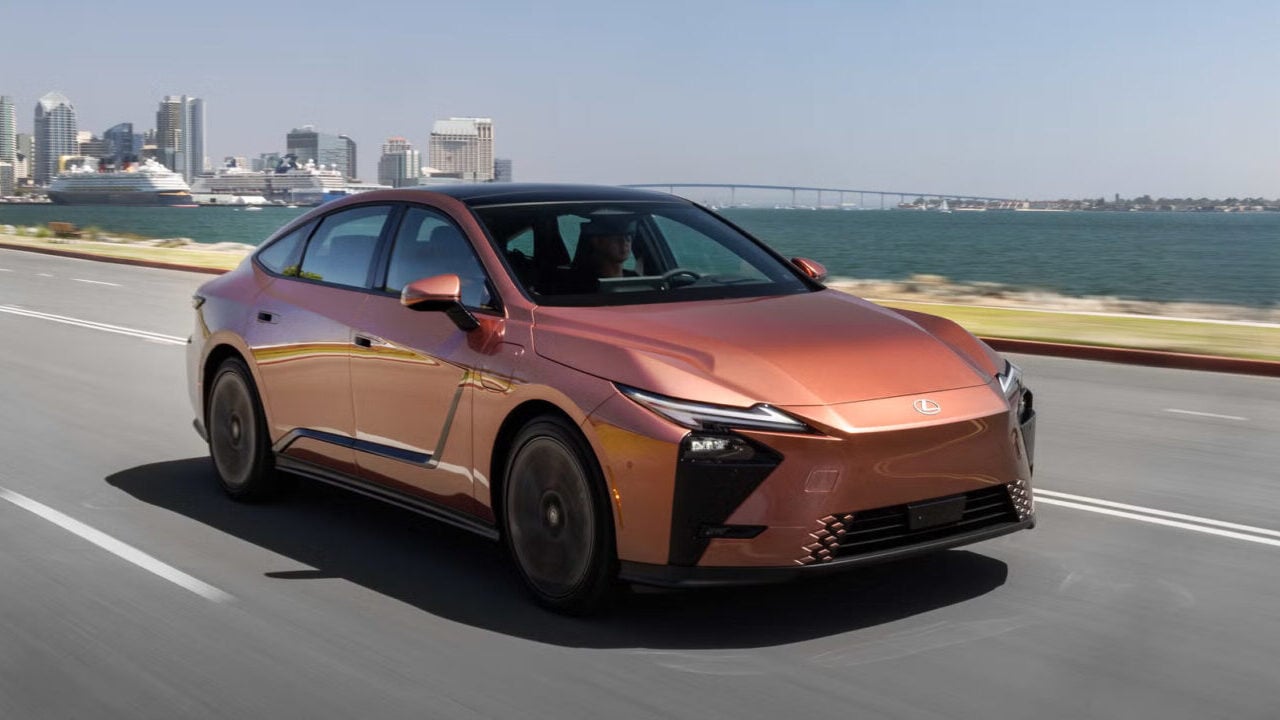
The Lexus sedan lineup is entering a major transition. With the LS preparing to exit production after decades as the brand’s flagship luxury sedan, the redesigned 2026 Lexus ES is suddenly being asked to fill a much bigger role.
That responsibility becomes especially clear in the new electric ES variants. Lexus has transformed the traditionally conservative midsize sedan into a larger, more upscale, and significantly more ambitious luxury car designed to appeal to both longtime Lexus buyers and new EV customers.
The changes go far beyond simply adding batteries. The eighth-generation ES grows substantially in size, introduces Lexus’ latest infotainment technology, and adds features previously reserved for flagship-level vehicles.
In many ways, the new ES no longer feels like the familiar Camry-based luxury sedan people have known for decades. Instead, it appears Lexus is repositioning the ES as the centerpiece of its future sedan lineup.
Lexus Is Replacing The LS Without Saying It
The timing of the new ES is difficult to ignore. Lexus recently confirmed the LS will effectively bow out with a limited 250-unit Heritage Edition run for 2026, leaving the brand without a traditional flagship sedan for the first time in decades.
As a result, the ES now carries responsibilities that once belonged to the LS. Lexus has stretched the car’s wheelbase by more than three inches while increasing overall length and height dramatically. At over 202 inches long, the new ES now approaches full-size luxury sedan territory.
Rear-seat comfort clearly became a priority during development. Certain trims of the electric ES350e even offer an Executive rear-seat package with reclining seats, ventilation, heating, massage functions, and a powered ottoman for the passenger-side rear seat.
Lexus also developed a dedicated drive mode aimed specifically at rear-seat comfort by softening regenerative braking responses. The company says the system was designed to reduce the jerky sensation passengers sometimes experience in electric rideshare vehicles.
The New ES Goes Fully Electric
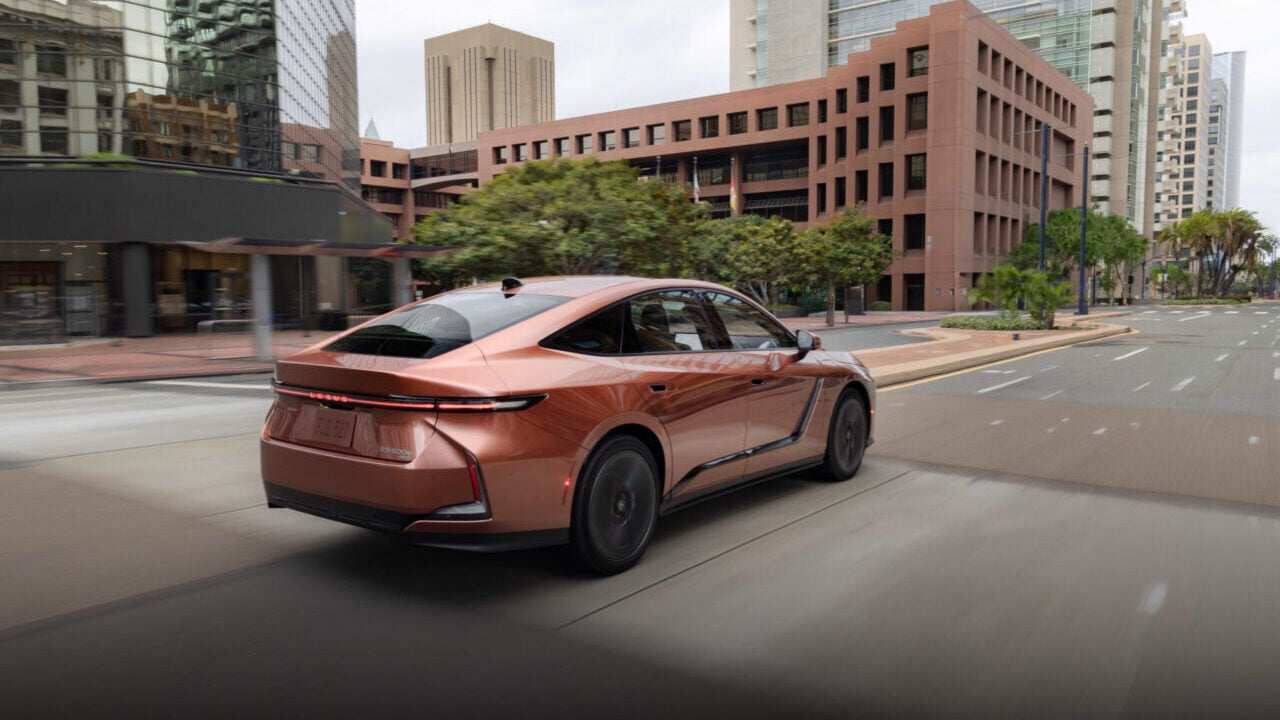
For the first time ever, the ES is available as a fully electric vehicle. Lexus will offer two EV variants: the front-wheel-drive ES350e and the dual-motor all-wheel-drive ES500e.
The ES350e produces 221 horsepower, while the ES500e raises output to 338 hp. Despite the extra power, Lexus continues prioritizing comfort over outright speed. The company estimates the ES500e will reach 60 mph in roughly five seconds, quick enough for everyday driving without chasing sports sedan territory.
Both models use the same battery pack, although range varies depending on drivetrain and wheel size. Lexus estimates up to 307 miles of range for the front-wheel-drive ES350e and roughly 276 miles for the more powerful ES500e.
Charging performance remains somewhat conservative compared to newer EV rivals. The ES supports DC fast charging at up to 150 kW, allowing a 10-to-80 percent recharge in around 30 minutes under ideal conditions.
Comfort Still Defines The ES Experience
Even with its electric transformation, the ES remains unmistakably focused on comfort and quietness. Reviews from early drives consistently describe the car as smooth, refined, and isolated from road noise.
The EV versions are especially quiet inside, though the added battery weight becomes noticeable during aggressive cornering. Fully loaded ES500e models reportedly approach 5,000 pounds, giving the sedan a heavier feel than the hybrid variants.
Lexus also chose not to include true one-pedal driving functionality. Drivers can adjust regenerative braking through multiple levels, but the car will not come to a complete stop without using the brake pedal.
That decision reflects Lexus’ traditional approach to luxury. Rather than aggressively chasing Tesla-style driving characteristics, the company appears focused on preserving the calm and familiar behavior longtime ES buyers expect.
A New Design With Mixed Reactions
The styling of the 2026 ES may prove more divisive than its driving experience. Lexus dramatically altered the proportions of the sedan, giving it a taller body, a sleeker roofline, and a much blunter front end.
The familiar spindle grille survives only as a subtle design cue, particularly on the electric models, where cooling requirements are reduced. The overall shape almost pushes the ES into crossover territory visually, especially from certain angles.
Still, the larger dimensions create enormous interior space, particularly for rear passengers. Some reviewers noted that the new ES actually offers more rear legroom than the outgoing LS flagship sedan.
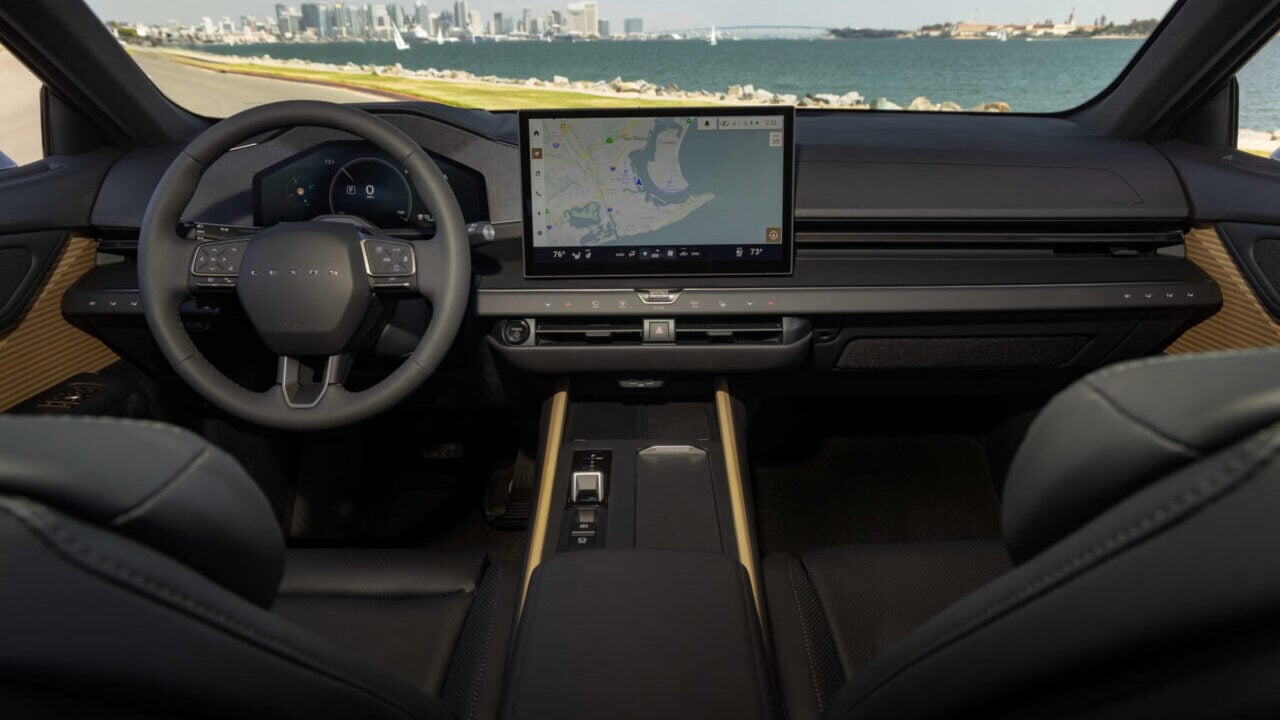
Inside, Lexus introduces one of its best cabins yet. Materials look considerably more upscale, ambient lighting has become more sophisticated, and the brand’s latest infotainment system finally feels competitive with rival luxury automakers.
Lexus Is Betting On Affordable Luxury EV Buyers
Perhaps the most surprising part of the new electric ES is its pricing. Despite its larger size, luxury features, and EV powertrain, Lexus kept pricing relatively accessible.
The ES350e starts below $50,000, placing it surprisingly close to mainstream electric sedans like the Tesla Model 3 while offering significantly more cabin space and a far more luxurious interior environment.
That pricing strategy could become one of the ES EV’s biggest strengths. While rivals continue emphasizing performance and technology, Lexus is leaning heavily into comfort, quietness, and traditional luxury values.
With the LS fading away, the ES is no longer simply the sensible Lexus sedan. It is now expected to carry the luxury brand’s flagship identity into an electric future.