Two days in Paris works best when the route stays focused. The city is too large for a first-timer to chase every famous museum, tower, neighborhood, bridge, and café in one weekend, so the smartest plan uses a few strong anchors and keeps the rest walkable.
Start with the Seine, one major museum, a garden walk, and an Eiffel Tower evening. Save the second day for Montmartre in the morning, then choose either the Marais or Saint-Germain for the afternoon instead of crossing the city for another long checklist.
Location matters on a short stay. A hotel near the Marais, Saint-Germain-des-Prés, the Latin Quarter, Opéra, or the river makes it easier to walk, use the Metro, and come back for a rest before dinner. A cheaper room far from the center can cost more in lost time than it saves.
The plan below is not built to “finish” Paris. It gives first-time visitors the river, one major cultural stop, the Eiffel Tower, Montmartre, café time, and a final view without turning the weekend into a race across the Metro map.
1. Choose a Base That Keeps the Weekend Simple
For a 48-hour visit, the hotel location should do some of the work. Staying near the Seine, the Marais, Saint-Germain-des-Prés, the Latin Quarter, Opéra, or a useful Metro line makes the route easier from the first morning.
A central base helps with more than sightseeing. It makes a midday break realistic, keeps dinner from becoming another long transfer, and gives visitors the option to walk home after an evening by the river or the Eiffel Tower.
Do not plan the weekend around constant cross-city movement. Paris rewards slow blocks of time: one river walk, one museum, one neighborhood, one evening view. The city feels much better when every hour is not spent recovering from the last transfer.
2. Day One Morning: Start With the Seine and One Major Museum
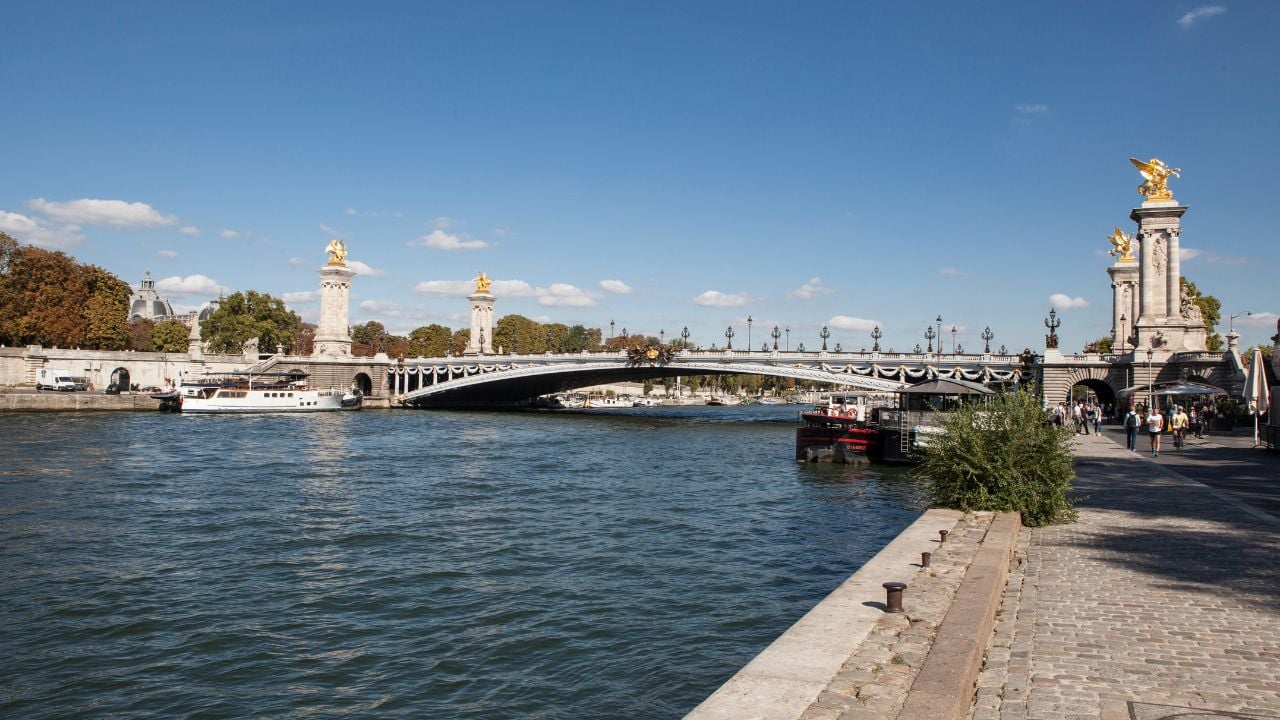
Start near the river. Walk around Île de la Cité, cross toward the Left Bank or the Louvre side, and let the Seine give the first morning a clear shape. Bridges, bookstalls, stone embankments, and river views help visitors understand the city faster than a crowded first Metro ride.
Then choose one major cultural stop. For many first-time visitors, that means the Louvre. The Louvre says it is closed on Tuesdays, open from 9 a.m. to 6 p.m. on Monday, Thursday, Saturday, and Sunday, and open until 9 p.m. on Wednesday and Friday. Last entry is one hour before closing.
A short Louvre visit works better with priorities. Pick a few galleries, paintings, or periods before arrival instead of trying to see the whole museum. Two focused hours can feel better than four exhausted ones.
If the Louvre feels too large for a short trip, choose another major museum and build the morning around that. The important part is to make one formal stop, not three.
3. Day One Afternoon: Walk the Tuileries, Then Cross Toward Saint-Germain
After the Louvre, keep the route close instead of jumping to the other side of Paris. Walk through the Tuileries, pause near the gardens, and use lunch or coffee to reset before the afternoon gets too packed.
If the weather is good, continue toward Place de la Concorde or cross the river toward Saint-Germain-des-Prés. The Left Bank gives the afternoon a slower shape: bookshops, galleries, cafés, church squares, and side streets that do not need a timed ticket.
This is where many short Paris trips go wrong. Visitors finish one major sight and immediately rush toward another. A better first day leaves space for walking, sitting down, and noticing the city between the landmarks.
Keep dinner near the area where the evening will end. If the Eiffel Tower is the final stop, choose a restaurant or café that does not require crossing Paris twice.
4. Day One Evening: Save the Eiffel Tower for Later Light
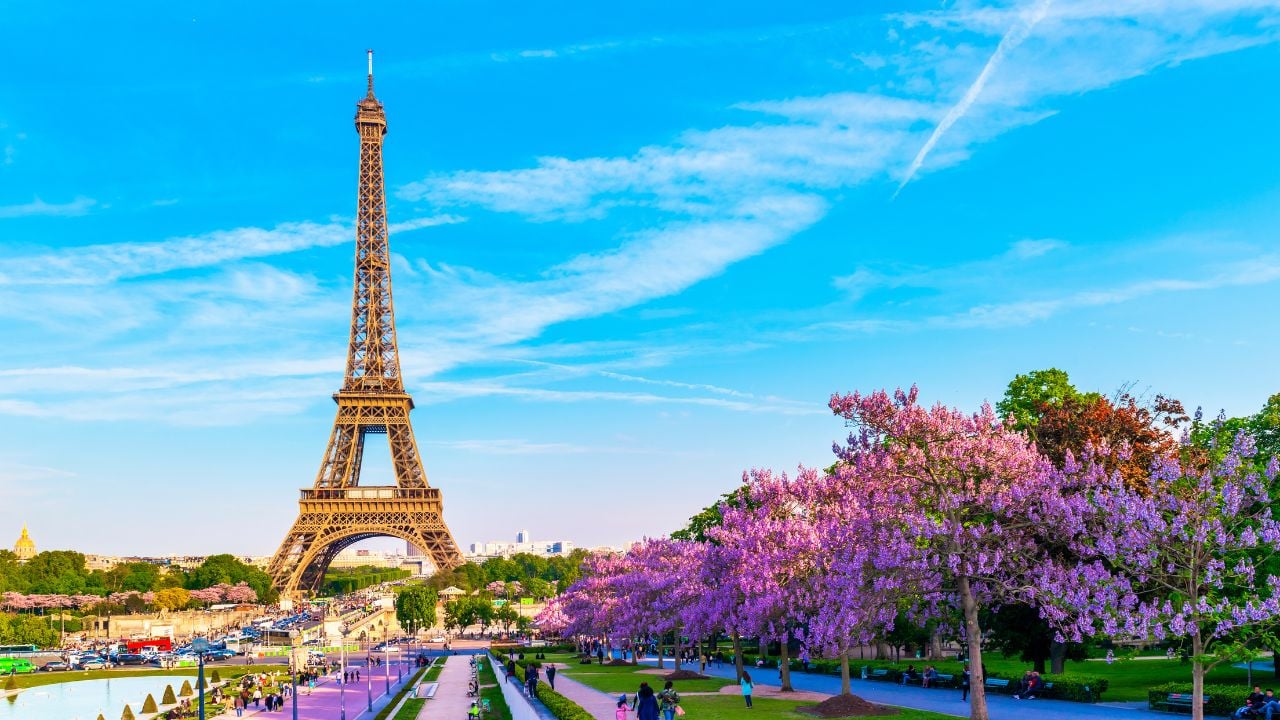
The Eiffel Tower works best near evening, especially on a short visit. The tower, the river, and the surrounding streets feel different as the day starts to cool and the lights come on.
The official Eiffel Tower site advises visitors to buy tickets in advance through its online ticket office to avoid waiting at the ticket office at the Tower. It also notes that time-stamped e-tickets can save time on site.
Visitors who want to go up should book the official ticket early and leave enough time for security, lines, and the walk around the area. Visitors who care more about the view of the tower than the view from it can keep things simpler: Trocadéro, Champ de Mars, the Seine bridges, and nearby streets all give strong evening angles.
End the first night with the river or tower area, not another rushed attraction. Paris does not need a packed finish to feel memorable.
5. Day Two Morning: See Montmartre Before the Streets Fill Up
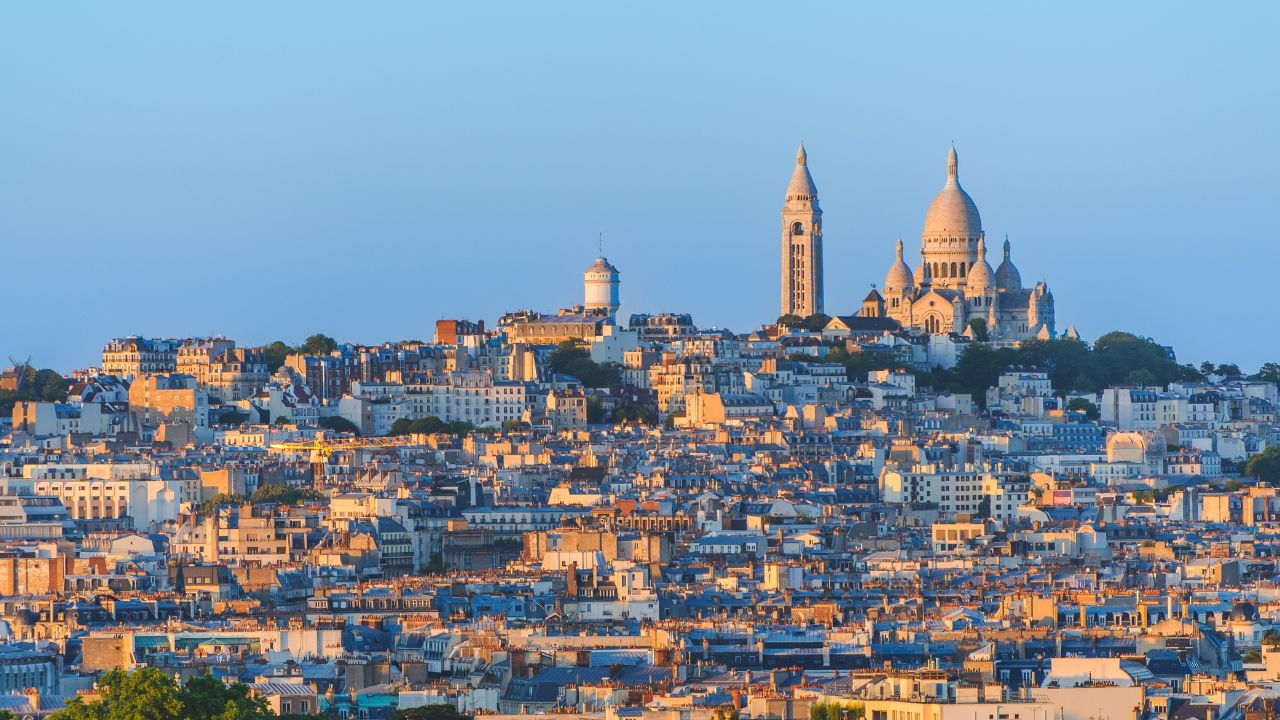
Start the second day in Montmartre before the busiest part of the day. The hill, stairways, bakeries, small squares, and views give the morning a different feel from the river route on day one.
Begin near Abbesses or Lamarck-Caulaincourt, then work toward Sacré-Cœur rather than arriving only at the most crowded viewpoint. The side streets are part of the reason to come: shutters, steps, small cafés, and corners where the hill still feels like a neighborhood.
Sacré-Cœur’s official dome page says the climb involves nearly 300 steps and gives a 360-degree panoramic view of Paris. It also notes that the dome visit can close because of maintenance work or weather conditions, so check the official dome tour page before making the climb the main plan.
Even without the dome, Montmartre works well as a morning walk. Avoid turning it into only Sacré-Cœur and Place du Tertre. Give the neighborhood time, then leave before the midday crowds make the lanes harder to enjoy.
6. Day Two Afternoon: Pick the Marais or Saint-Germain, Then End With One Last View
After Montmartre, do not try to see every neighborhood left on the list. Choose one strong area for the final afternoon. The Marais works well for small streets, shops, museums, falafel, cafés, and easy wandering. Saint-Germain works better for bookshops, galleries, classic cafés, and a slower Left Bank finish.
Paris transport can help, but a 48-hour visit does not always need a complicated pass. RATP lists visitor ticket and pass options, including Paris Visite and the Navigo Easy pass, which can be loaded with tickets. Compare those with simple rides before buying a pass, especially if most of the weekend is walkable.
Save the final hour for one view instead of one more attraction. The Seine at sunset, Pont des Arts, the Arc de Triomphe terrace, the steps of Sacré-Cœur, or a quiet bridge can end the trip better than another cross-town sprint.
The weekend works best when the final hours stay simple: one neighborhood, one last view, and no chase across Paris for a landmark that needed more time than the trip had left.