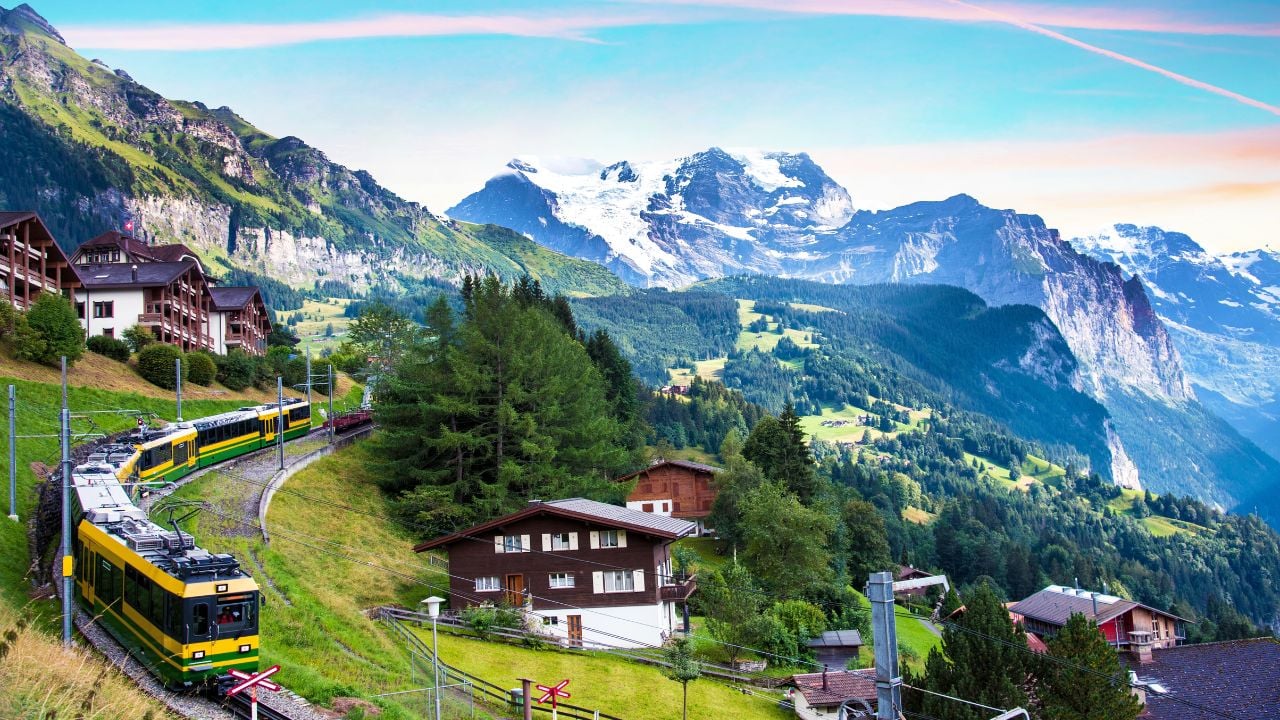
Switzerland is one of the easiest countries in Europe to explore by train, but first-time visitors can still waste money or lock themselves into the wrong ticket. The network is excellent, but the choices are not all the same: Swiss Travel Pass, Swiss Half Fare Card, Saver Day Pass, Supersaver Tickets, panoramic trains, mountain railways, lockers, and the SBB app all solve different problems.
The mistake is buying the pass or ticket before the route is clear. A traveler spending every other day on trains, boats, and city transport may need a different setup from someone staying three nights in Lucerne and taking one mountain excursion. A famous panoramic train may be covered by a pass but still require a seat reservation. A cheap Supersaver Ticket may save money but remove flexibility.
Start with the actual itinerary. Count the long travel days, mountain trips, lake boats, city transit, and scenic trains. Then compare the Swiss Travel Pass, Swiss Half Fare Card, Saver Day Passes, and point-to-point tickets around that route instead of guessing from the name alone.
Once the ticket logic is clear, Swiss train travel becomes much easier. The key is knowing when to pay for flexibility, when a discount is safe, when a reservation is separate from the ticket, and how to keep luggage from controlling the day.
1. Do Not Buy a Swiss Travel Pass Before Comparing the Actual Route
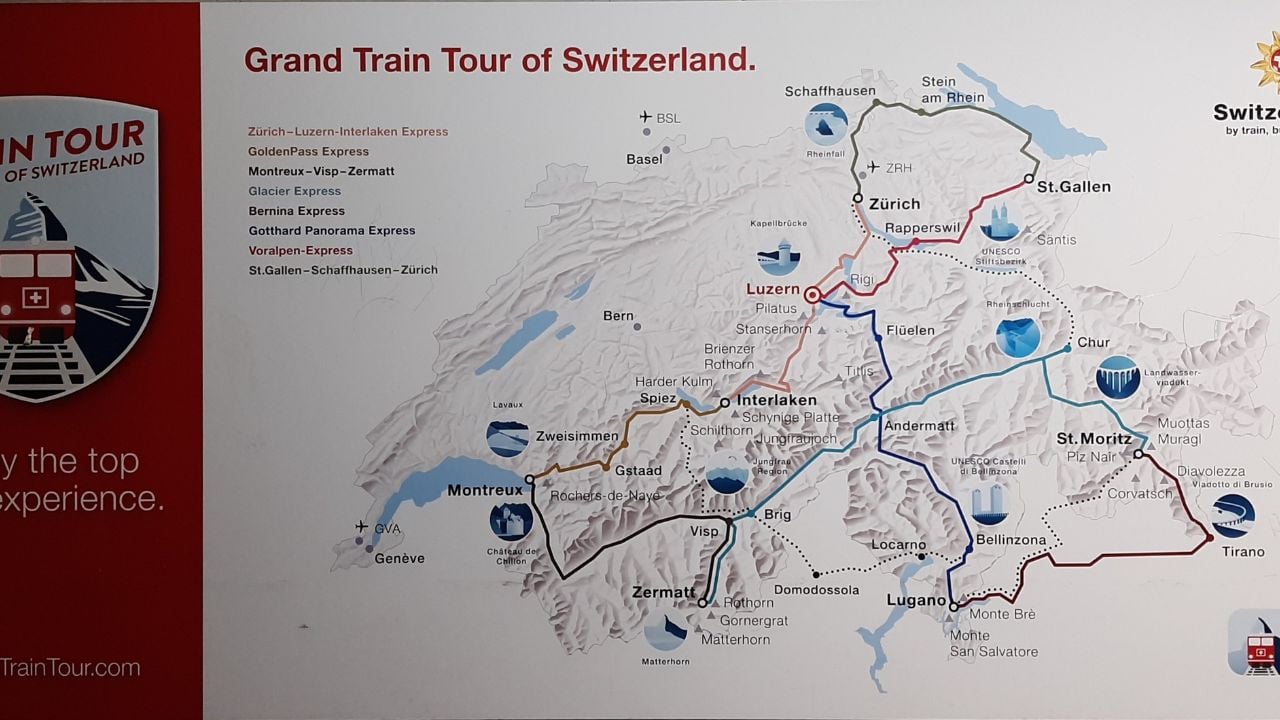
The Swiss Travel Pass can be excellent, but it is not automatically the cheapest choice for every visitor. SBB says the pass covers travel across Switzerland by train, bus, boat, and panorama train, with seat reservations or supplements excluded. It also includes local public transport in more than 90 towns and cities.
That coverage is valuable for busy routes with several travel days, boat rides, city transit, and covered long-distance journeys in a short window. A traveler moving from Zurich to Lucerne, then Interlaken, Montreux, or Zermatt may appreciate not buying separate tickets for every leg.
A slower trip may need different math. If the itinerary has only two or three major train rides, point-to-point tickets, a Saver Day Pass, or a Swiss Half Fare Card may work better. The Half Fare Card can be especially worth comparing when the trip includes expensive trains, boats, or mountain excursions that are not fully covered by another pass.
Price the actual route before committing. The Swiss Travel Pass is strongest when the itinerary uses its coverage often enough to justify the cost, not just because it sounds like the easiest option.
2. Know Which Tickets Lock You to a Specific Train
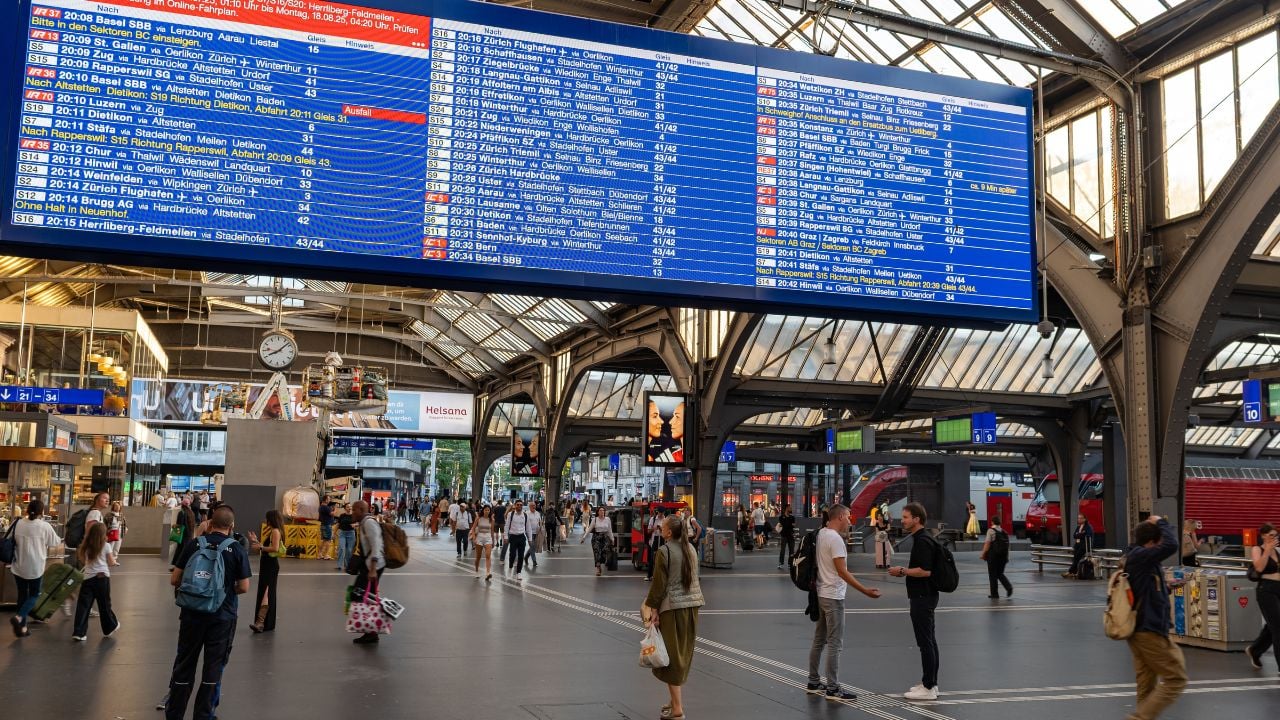
Swiss public transport can feel flexible, but discounted tickets may come with strict rules. SBB says Supersaver Tickets are valid only for the selected public transport connection, and the route or connection cannot be changed. In cases such as cancellations, delays, or line interruptions, passengers can take the next train if they obtain written confirmation from ticket control or sales staff.
That restriction matters on arrival days. A delayed flight, a slow baggage claim, a longer passport line, or a tired traveler who needs lunch can make a train-specific ticket stressful. A cheap fare is not a good deal if the timing was never realistic.
Use strict discounts on settled days, not fragile ones. Supersaver Tickets can make sense when the hotel is nearby, the schedule is clear, and the traveler knows exactly which connection they want. They are less useful when the day includes a flight arrival, a long transfer, or plans that may change with weather.
For sightseeing days, flexibility can be worth paying for. A looser ticket may let travelers stop for a lake walk, take a later train after lunch, or avoid sprinting through a station with luggage.
3. Scenic Trains May Still Need Reservations or Supplements

Panoramic trains are one of Switzerland’s biggest rail draws, but the ticket and the seat are not always the same thing. SBB says Swiss Travel Pass holders can use panorama trains, but seat reservations or supplements are excluded. Travelers should not assume that a valid pass automatically covers every required charge.
The Glacier Express makes that distinction clear. Its official FAQ says a Saver Day Pass gives unlimited travel for the day and includes the Glacier Express, but a separate seat reservation is necessary. The same reservation issue applies to Swiss Travel Pass holders on the Glacier Express.
Book the famous panoramic trains early if the date matters. The Glacier Express, Bernina Express, and Gotthard Panorama Express can be popular during peak seasons, especially on classic routes and clear-weather travel days.
Travelers who care more about the route than the branded panoramic car may have more flexible options. Regular trains over similar corridors can mean more departures, easier breaks, and fewer reservation problems, while still giving travelers mountain, valley, lake, or village views along the way.
4. Use the SBB App Before Every Travel Day
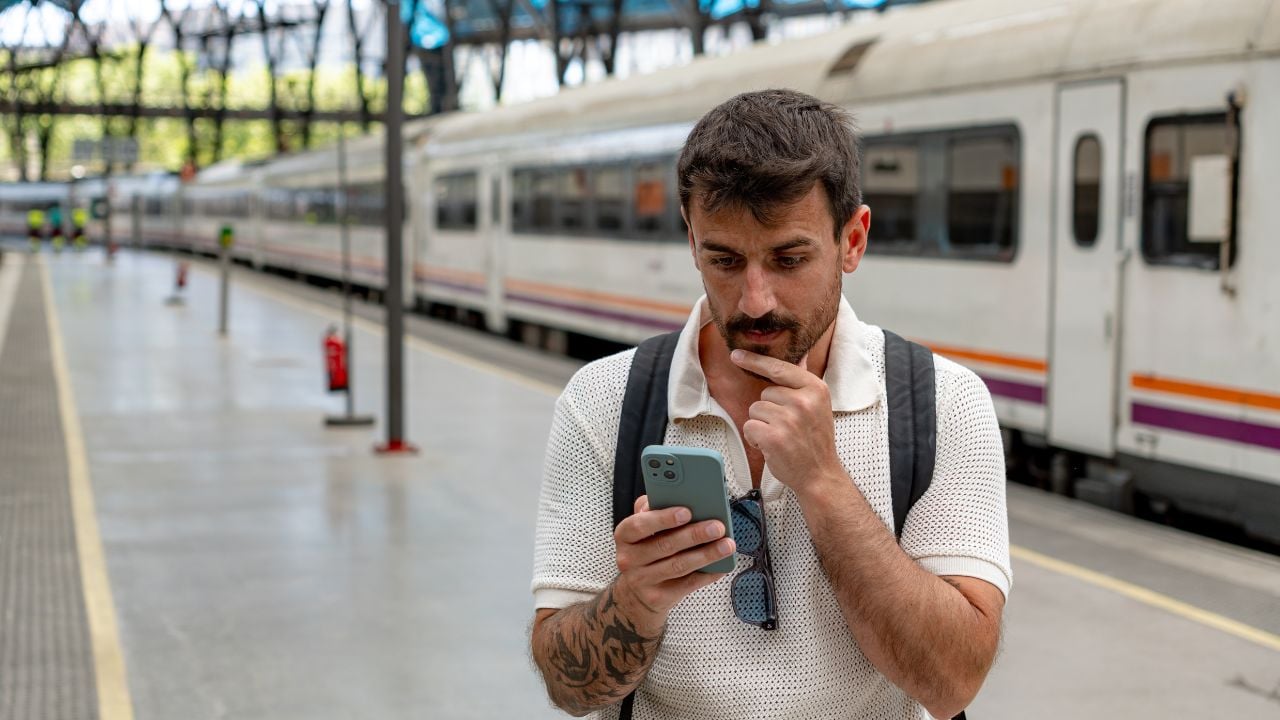
The SBB Mobile app should be part of the daily routine, not something travelers open only after reaching the platform. SBB says the app offers personalized timetable searches, lets users buy tickets in two clicks, and can display certain travelcards digitally.
Its real value is in the small decisions. Check platforms, transfer times, route changes, later departures, bus links, boat connections, and whether a slower option gives more breathing room. Swiss transfers can be efficient, but not every visitor wants a tight connection with luggage.
Use the app before leaving the hotel. If the day includes a mountain railway, lake boat, bus connection, or scenic route, check the whole chain instead of only the first train. Weather and timing can change what makes sense, especially in mountain areas.
The app also helps travelers recover when plans shift. A missed coffee stop, slower lunch, rain delay, or crowded platform is less stressful when the next workable connection is already visible.
5. Plan Luggage Around Stations, Not Just Hotels
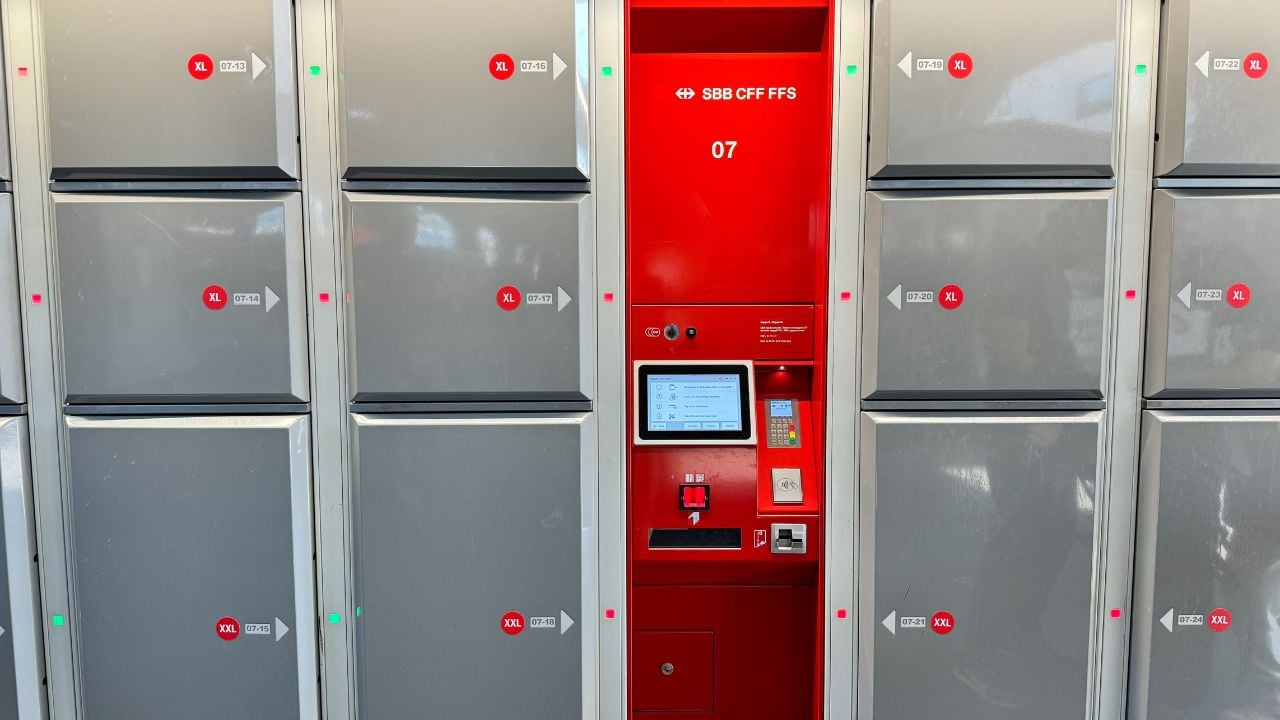
Luggage can decide whether a train-heavy Switzerland itinerary feels easy or annoying. SBB says station lockers have a standard rental period of six hours and a maximum rental period of 96 hours, with additional payment required after the first six hours.
That can make day stops much easier. Travelers can store bags during a few hours in Lucerne, Bern, Lausanne, Zurich, Interlaken, or another station town before continuing to the next base. It also helps when a hotel check-in is later than arrival time.
Pack with platforms, stairs, cobblestones, hotel walks, and mountain transfers in mind. Swiss stations are efficient, but oversized luggage still makes short connections harder and can turn a simple hotel walk into a chore.
A smaller suitcase gives travelers more freedom to stop between bases, take a boat, change platforms, use lockers, or walk to a hotel without needing a taxi for every move. Switzerland’s trains are easiest when the luggage fits the way the country is meant to be traveled.