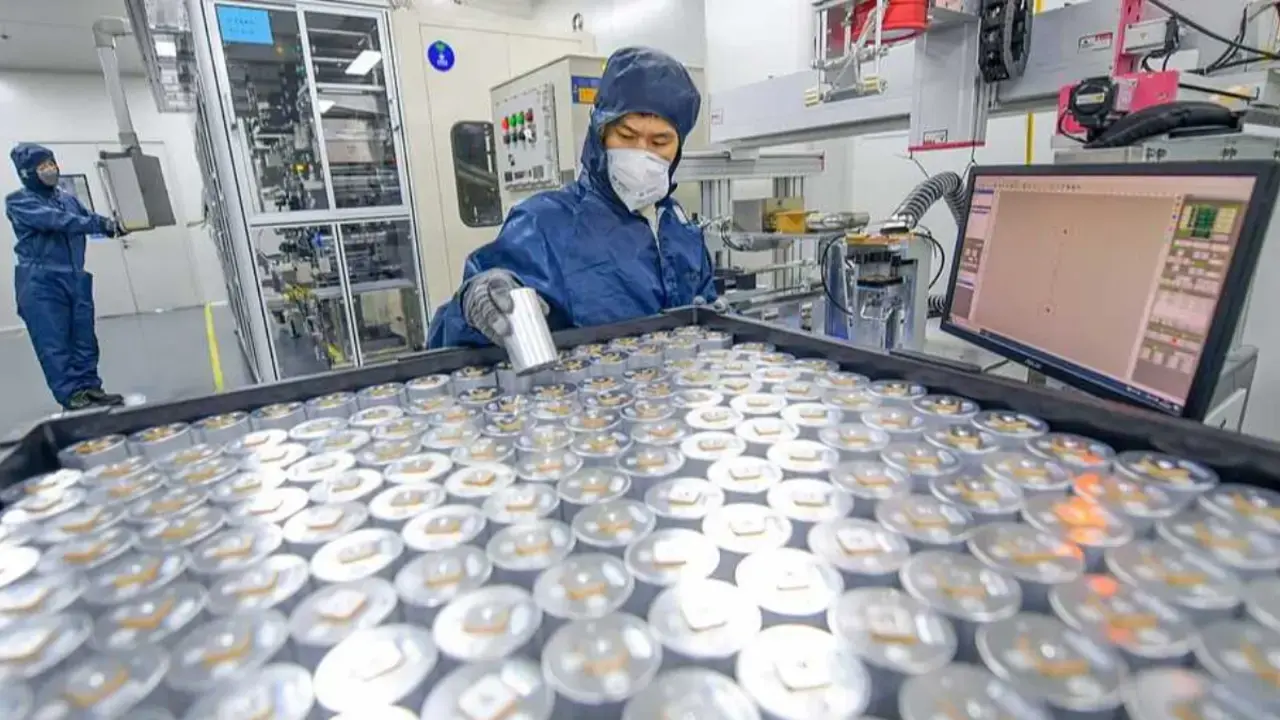
China may be leading the solid-state battery race on paper, but its own industry analysts are warning that the advantage is not guaranteed to last. The country currently holds one of the world’s largest research pipelines and patent portfolios in the sector.
Solid-state batteries are viewed as a breakthrough technology for electric vehicles, robotics, aerospace, consumer electronics, and energy storage. Compared with conventional lithium-ion batteries, they promise higher energy density, improved safety, faster charging, and better long-term durability.
Chinese companies and research institutions have moved aggressively into the field. China now accounts for roughly 35% of the global solid-state battery patent market and about 39% of electrolyte-related patent filings worldwide.
Still, the race is far from settled. Japan, South Korea, Europe, and the United States are increasing policy support, patent activity, and industrial coordination as solid-state batteries move closer to early production.
China Leads In Research Volume
China’s research output has grown dramatically over the last decade. Annual solid-state battery paper publications reportedly rose from just 21 in 2015 to 562 in 2023, placing the country first globally.
Major institutions such as the Chinese Academy of Sciences and Tsinghua University have been highlighted for work on solid-solid interface engineering. That remains one of the toughest technical barriers preventing mass commercialization.
As of November 2025, global solid-state battery patents had reached 16,429 filings across 6,321 patent families. China and Japan remain the two largest patent applicants, followed by the United States and South Korea.
Japan Still Holds A Critical Advantage
China’s warning comes from the fact that patent volume does not automatically translate into technology leadership. Japan remains the largest source of underlying technology, accounting for around 37% of global patent filings compared with roughly 30% from China.
Corporate patent concentration also favors Japan and South Korea. Among the world’s top 30 institutions for solid-state battery and electrolyte patents, Japanese companies hold 17 spots, while Chinese firms hold only seven.
The top 10 institutions are reportedly entirely Japanese or South Korean. Toyota alone is identified as the largest corporate patent holder, with approximately 40% of global solid-state battery patents.
That creates a major challenge for China. Its research ecosystem is enormous, but its companies still need stronger international patent coverage and deeper control over foundational technologies.
Chinese Battery Giants Are Moving Quickly
Chinese companies are not standing still. CATL, BYD, SVOLT, Ganfeng Lithium, and Gotion High-tech are all pushing deeper into solid-state development.
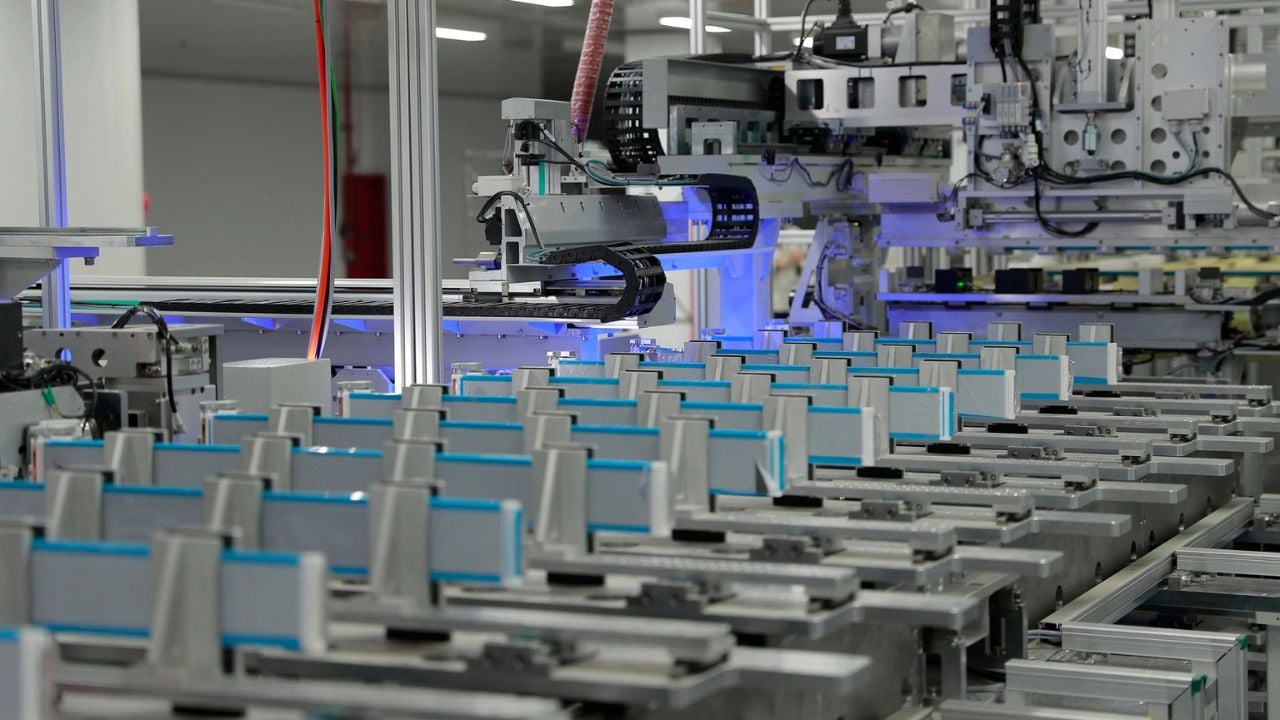
The industry is now moving from lab-scale research toward pilot production and limited early manufacturing. Small-batch production is expected around 2027, with broader commercialization targeted closer to 2030.
Recent announcements show how quickly development is accelerating. Chinese researchers reportedly revealed a 451.5 Wh/kg solid-state prototype with claimed three-minute charging capability, while Ganfeng has reported a 400 Wh/kg battery with 1,100 cycles.
Gotion has completed design work for a 2 GWh all-solid-state battery production line. A smaller 0.2 GWh pilot line is already operating, with vehicle testing underway.
The Technical Fight Is Still Wide Open
There is still no single winning formula for solid-state batteries. Development remains split between sulfide, oxide, and polymer electrolyte systems, each with major trade-offs.
Sulfide systems can offer strong conductivity but are difficult to manufacture and handle. Oxide systems are more stable but can be harder to process, while polymer systems may be cheaper but often struggle with conductivity and temperature performance.
Major technical hurdles remain unresolved. Lithium dendrite formation, ion transport, solid-solid interface stability, and long-term failure mechanisms are still difficult problems.
That uncertainty explains why China is concerned about losing ground. The winner may not be the country with the most papers or patents today, but the one that solves manufacturability, durability, safety, and cost first.
The Race Is Bigger Than EVs
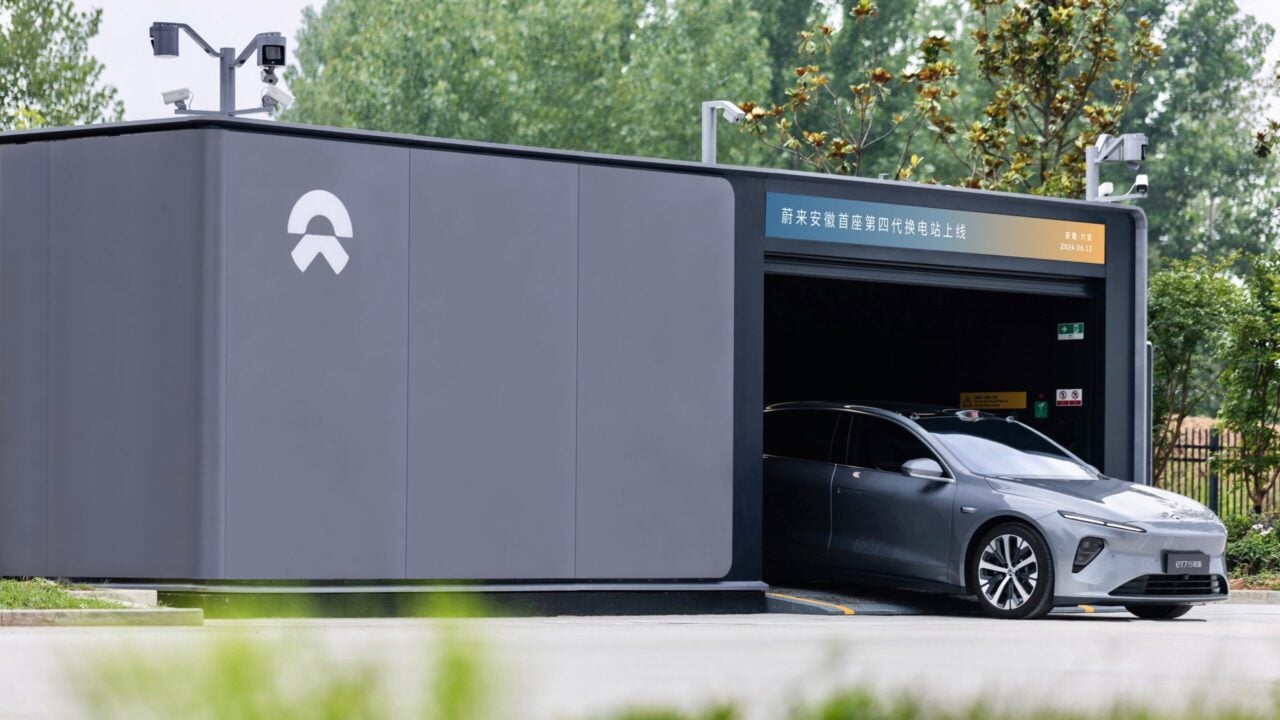
Electric vehicles remain the biggest prize, but solid-state batteries could reshape far more than cars. Future applications may include humanoid robots, electric aircraft, smartphones, drones, and large-scale energy storage systems.
China’s battery industry already dominates today’s EV market, led by CATL and BYD. Protecting that advantage in the solid-state era is now a strategic priority.
The country is also moving toward standardization, with its first national solid-state battery standard currently open for public consultation. That draft proposes classifying batteries into liquid, hybrid solid-liquid, and solid-state categories.
For now, China remains one of the strongest players in the race. The warning is clear, though: solid-state batteries are entering the hard part, and leadership in research does not guarantee victory in mass production.