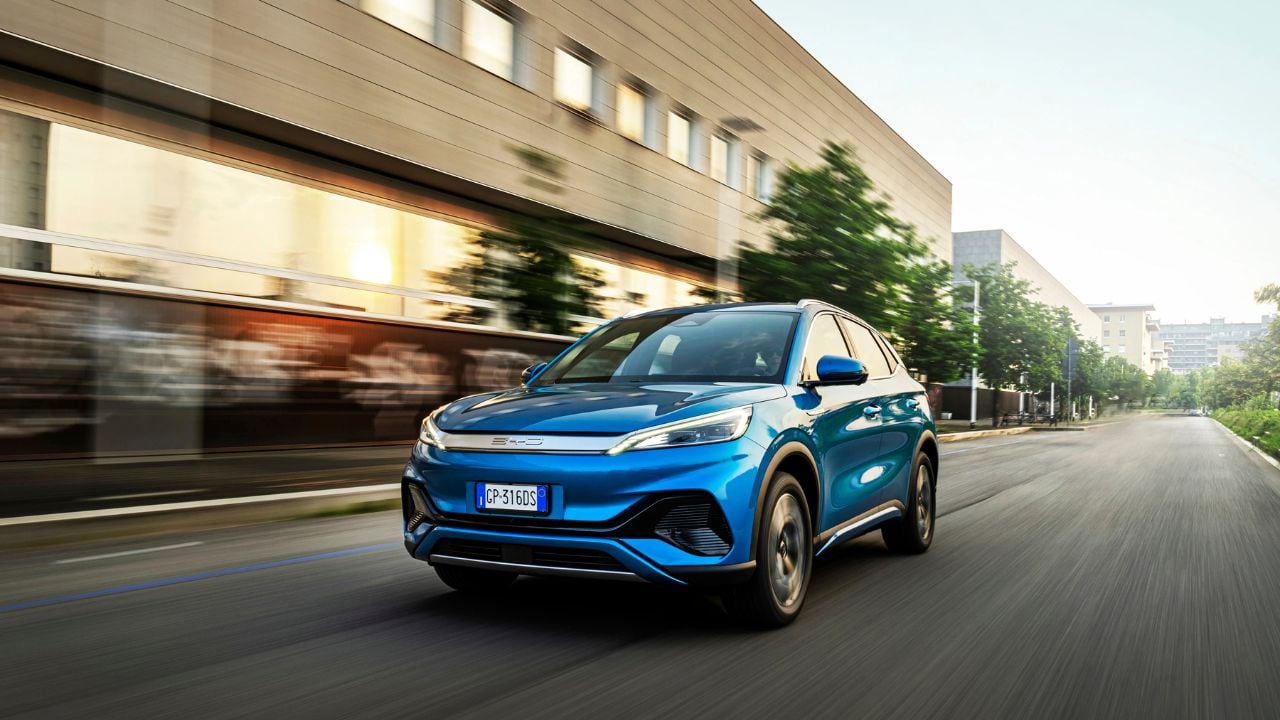
BYD says its advanced driver assistance technology is already delivering major real-world safety improvements across millions of vehicles. According to the Chinese automaker, severe crash rates among vehicles using its intelligent driving systems have dropped to roughly one-sixth of normal human-driven levels.
The figures were presented during the 13th Intelligent Connected Vehicle Technology Annual Conference in Shanghai by BYD senior vice president Yang Dongsheng. The company claims its “God’s Eye” assisted driving system is now active across more than 60 vehicle models and nearly 3 million vehicles on the road.
BYD says the data comes from monitoring airbag-triggered incidents across tens of millions of kilometers of driving. Parking-related scrapes and low-speed collisions reportedly fell even further, dropping to around one-fiftieth of typical human-driver levels when using the company’s parking assistance systems.
Those are bold claims, especially as automakers worldwide continue competing to prove their driver assistance systems are safer than humans. While many brands are still struggling with reliability questions surrounding autonomous tech, BYD is aggressively positioning itself as one of the leaders in large-scale deployment.
BYD Is Going All-In On Assisted Driving
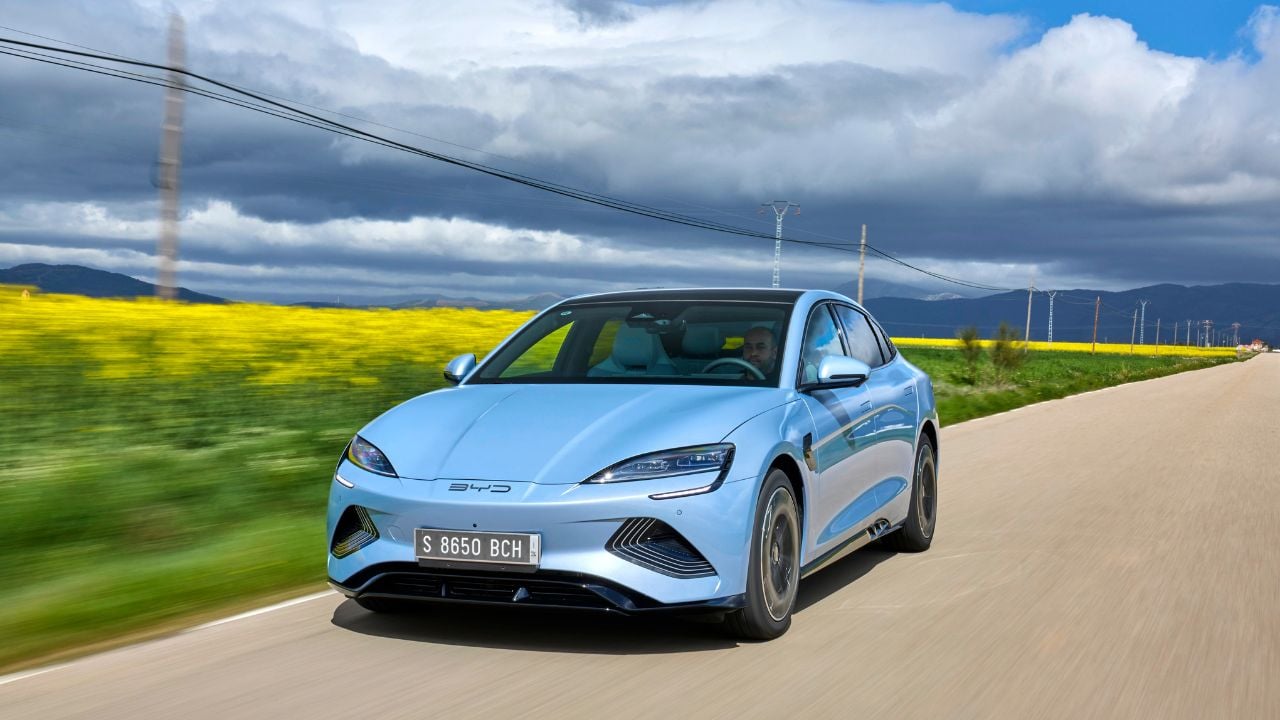
BYD began rapidly expanding its intelligent driving rollout at the start of 2025. Since then, the company says nearly its entire passenger vehicle lineup has adopted Level 2 assisted driving systems.
According to Yang, usage rates among owners are already extremely high. Navigation-assisted driving functions reportedly see activation rates exceeding 50%, while parking-assistance features have reached an 86% usage rate among drivers.
That level of adoption gives BYD enormous amounts of real-world driving data. The company claims its systems now generate roughly 190 million kilometers of driving information every single day, feeding cloud-based training models designed to improve future software updates.
BYD says its algorithms are now updated every three days through reinforcement learning and long-tail scenario simulations. In simple terms, the system constantly studies unusual or difficult driving situations so future vehicles can respond more effectively.
Safety Is Becoming The Main Battleground
The company’s presentation focused heavily on the idea that assisted driving systems should eventually surpass human safety levels rather than simply match them. Yang argued that modern vehicles already possess advantages humans do not, including faster sensors, millisecond-level motor responses, and continuous data learning.
BYD’s “Xuanji Architecture” is central to that strategy. The platform combines the vehicle’s electronic systems and electrification hardware into one integrated structure, allowing the car’s motors, suspension, braking, sensors, and driver assistance systems to work together more seamlessly.
The automaker says this integration becomes especially important in extreme conditions. BYD highlighted scenarios like high-speed tire blowouts, icy roads, heavy rain, and low-traction surfaces where rapid electronic responses may outperform human reflexes.
According to the company, its electric motor systems can react within milliseconds compared to the much slower response times associated with traditional combustion powertrains. BYD claims its stability systems can help regain control in under 200 milliseconds during certain emergency situations.
Parking Tech Is A Huge Focus

One of the more interesting parts of BYD’s presentation centered on parking assistance technology. The company says parking-related damage has become one of the biggest real-world benefits of advanced driver assistance systems.
BYD specifically highlighted difficult parking situations involving suspended obstacles, hollow objects, unusual structures, and low-visibility hazards. To improve detection, the company combines visual occupancy detection with lidar-based occupancy systems to reduce blind spots.
The “God’s Eye” system also includes a parking assistance guarantee program introduced in 2025. That program was designed to increase consumer confidence in relying more heavily on automated parking functions.
Parking assistance may sound less exciting than full self-driving headlines, but low-speed collisions and scrapes are incredibly common and expensive for owners. Reducing those incidents at scale could save drivers and insurers enormous amounts of money over time.
China’s Driver Assist Race Is Accelerating
BYD’s aggressive rollout comes as China rapidly pushes forward with assisted driving regulations and autonomous vehicle development. Mandatory Level 2 driver assistance standards are already advancing, while draft frameworks for Level 3 and Level 4 autonomous driving systems are also being discussed.
Competition in China’s EV and software sectors has become incredibly intense, with brands racing to integrate smarter driver assistance systems into even affordable mainstream vehicles. BYD’s scale gives it a major advantage because millions of cars on the road continuously provide data for future development.
The company is also expanding its intelligent driving systems alongside new EV technologies like ultra-fast charging, rear-wheel steering, and digital chassis systems. Recent BYD launches increasingly combine electrification and software as part of a strategy to dominate both hardware and intelligent vehicle technology.
Whether BYD’s safety claims hold up under independent global scrutiny remains to be seen. Still, the company’s massive deployment numbers show that advanced driver assistance systems are quickly becoming a standard expectation rather than a luxury feature reserved for high-end vehicles.