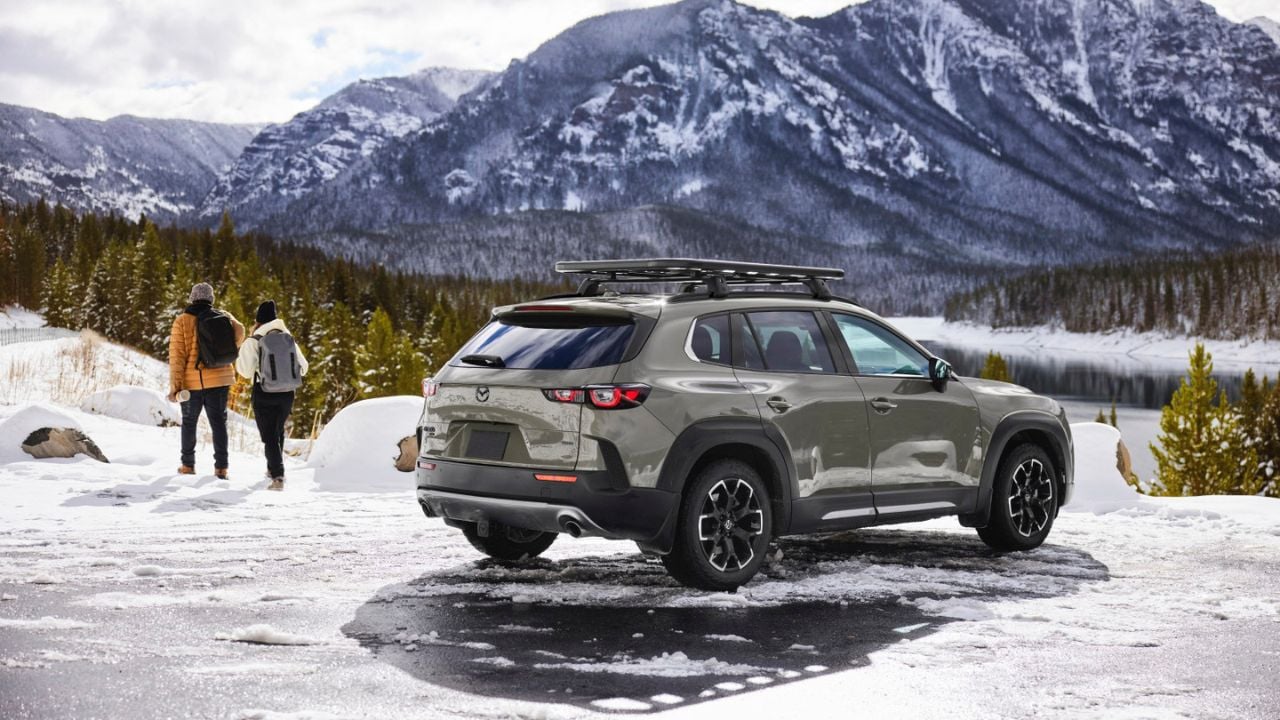
The Toyota RAV4 sits in the center of the compact crossover market for good reason. It has Toyota’s reliability reputation, family-friendly sizing, strong resale value, and for 2026, a lineup that now starts at $31,900 before destination and moves fully into hybrid and plug-in hybrid power.
That popularity creates a real shopping problem. The RAV4 was one of America’s best-selling vehicles in 2025, and early 2026 shopping reports have pointed to tight availability and higher average listing prices as Toyota ramps up the redesigned model. A buyer may like the RAV4 on paper, then find that the trim, drivetrain, color, or monthly payment they want is not the one sitting on the lot.
A smart RAV4 shopper should not only ask whether Toyota’s crossover is good. The better question is which rival fits the same daily life with less waiting, better pricing, stronger features, a roomier cabin, or a different powertrain strategy.
These eight new crossovers deserve test drives because each one answers the RAV4 question from a clear angle: value, hybrid efficiency, standard traction, interior space, warranty coverage, comfort, or a more polished driving feel.
Honda CR-V
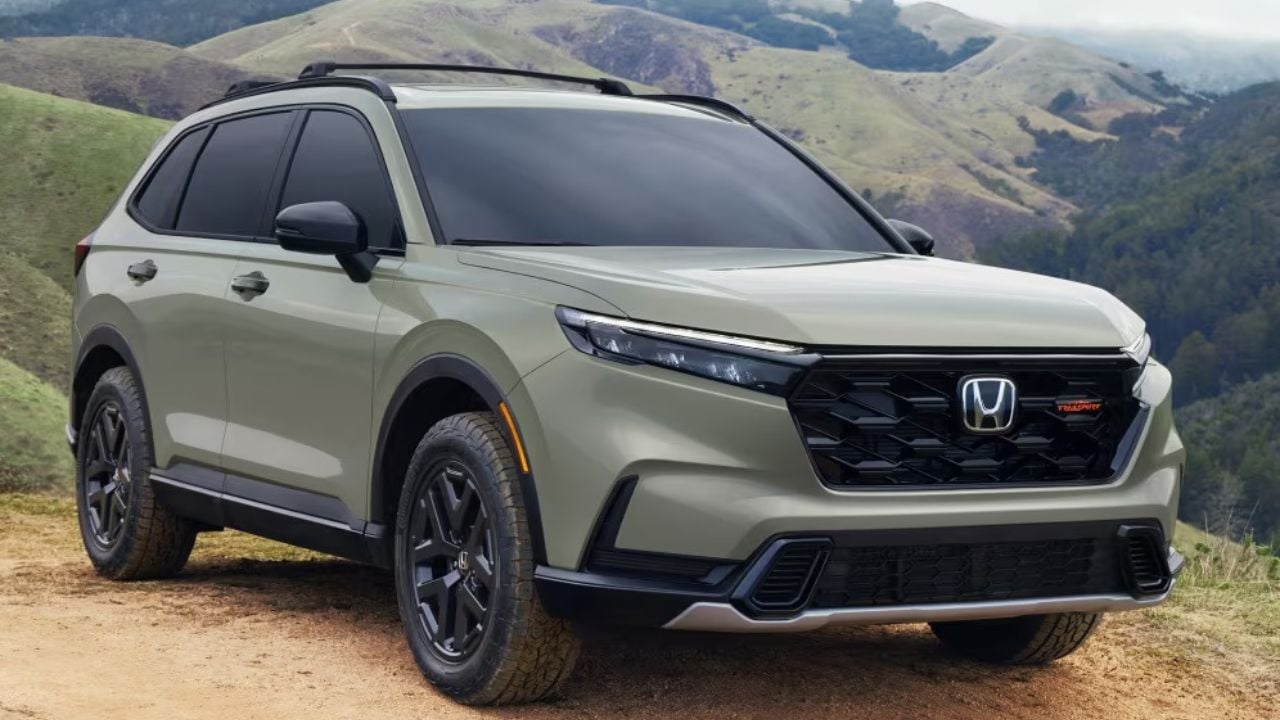
The Honda CR-V is the most natural RAV4 rival because it speaks to the same buyer: someone who wants space, predictable ownership, strong resale value, and a crossover that does not turn family duty into work. The 2026 CR-V lineup includes gas and hybrid versions, with Honda listing the CR-V Hybrid from $35,630 and the TrailSport Hybrid AWD from $38,800.
The CR-V feels less rugged than the RAV4 in personality, but its cabin packaging is excellent. Rear-seat space, cargo access, visibility, and simple controls give it everyday strength. The hybrid trims deserve special attention from RAV4 shoppers because they offer smooth power delivery and a calmer driving experience.
Families who prioritize refinement over outdoorsy styling should drive the CR-V before deciding Toyota is the only safe answer. It gives the same broad compact-SUV confidence with a quieter, more relaxed attitude.
Mazda CX-50
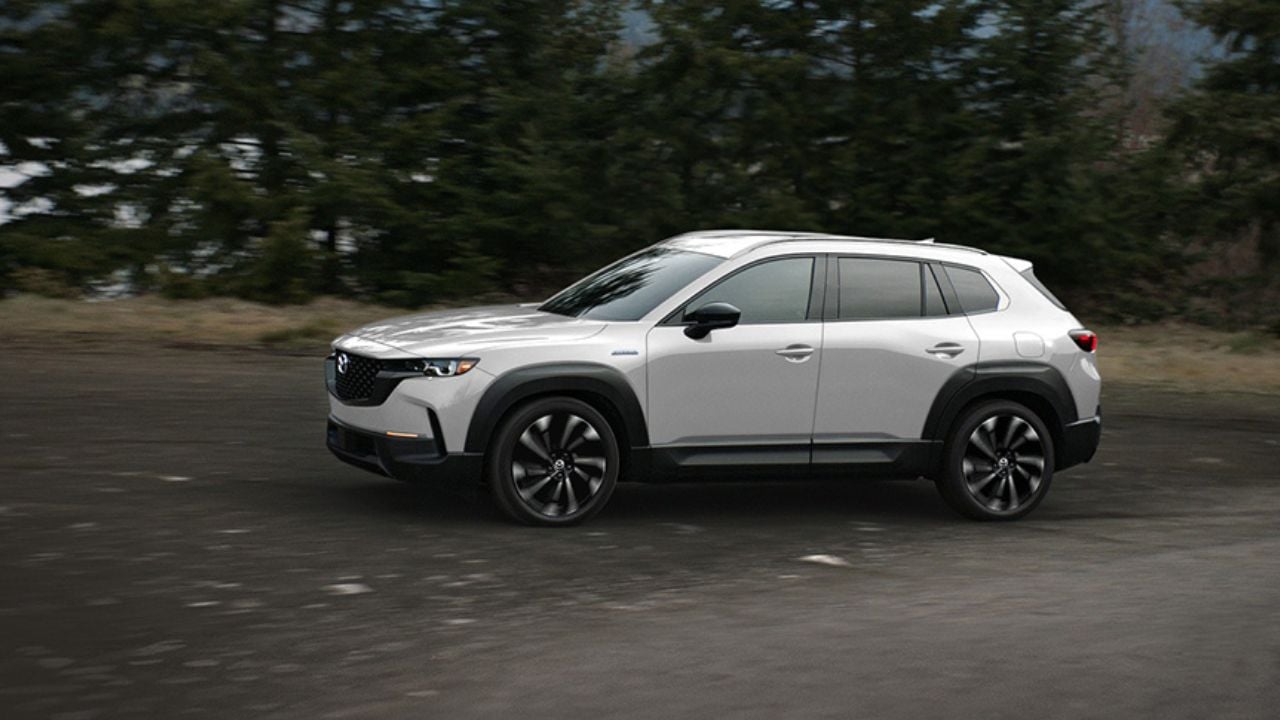
The Mazda CX-50 is the alternative for buyers who want the RAV4’s usefulness with a richer driving feel. Mazda lists the 2026 CX-50 from $29,900 before destination, and the lineup includes standard i-Activ AWD, which keeps the value story cleaner for shoppers who already know they want extra traction.
The CX-50 also has an important hybrid angle. Mazda lists the CX-50 Hybrid with 219 combined hp, an EPA-estimated 38 mpg combined, and electronic all-wheel drive. That gives RAV4 shoppers a direct hybrid comparison without leaving the mainstream compact-crossover price class.
Mazda’s crossover feels wider, lower, and sharper than many practical rivals. It does not have the softest ride in the class, but the cabin design, steering, and exterior stance give it a stronger personality than most family crossovers. Buyers who find the RAV4 too familiar or too conservative should put the CX-50 on the same test-drive day.
Subaru Forester
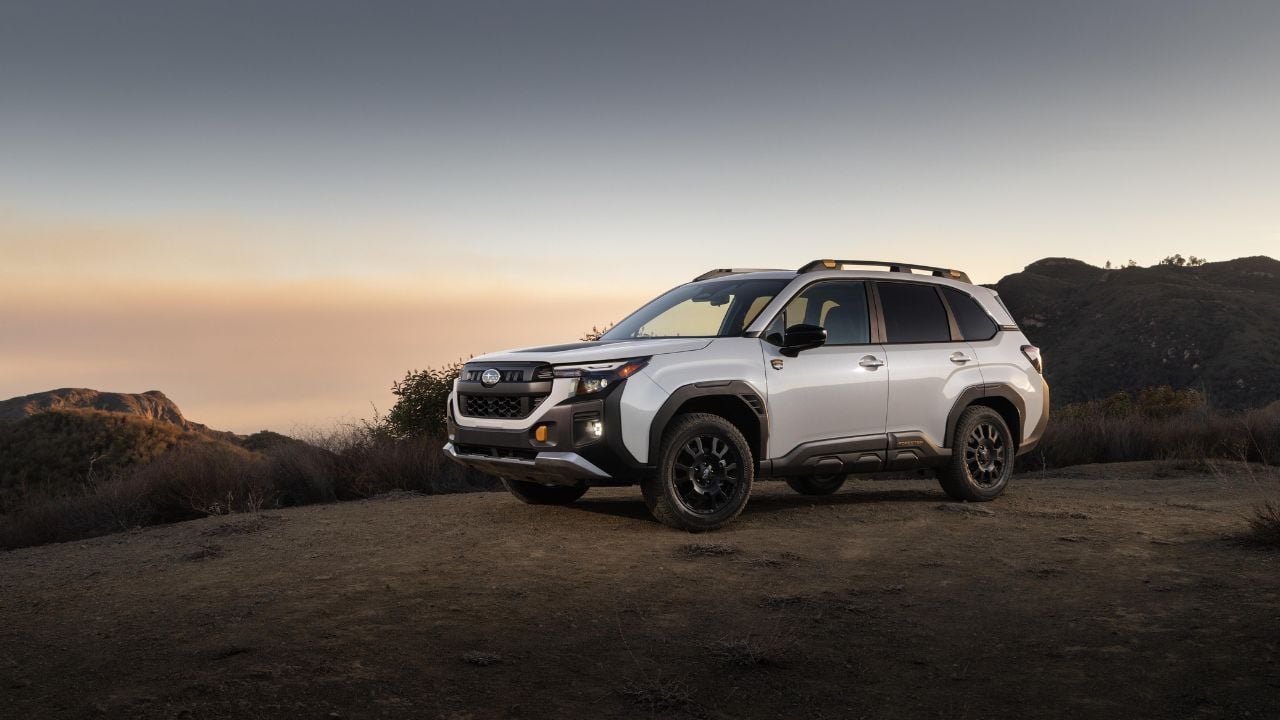
The Subaru Forester is the RAV4 alternative for buyers who care about visibility, all-weather confidence, and easy everyday use. Subaru lists the 2026 Forester with standard Symmetrical All-Wheel Drive, available X-Mode, and up to 110.8 cubic feet of passenger space.
The Forester’s upright glass, tall roof, and practical cargo area make it especially easy to live with for drivers who value outward visibility and straightforward packaging. It does not need an aggressive image to feel useful in rain, snow, gravel, or mountain-town weekends.
Subaru also offers Forester Hybrid versions for 2026, with Edmunds listing the hybrid at an EPA-estimated 35 mpg combined. RAV4 shoppers who want standard AWD and excellent visibility should drive the Forester before assuming Toyota has the practical side of the class covered.
Hyundai Tucson Hybrid
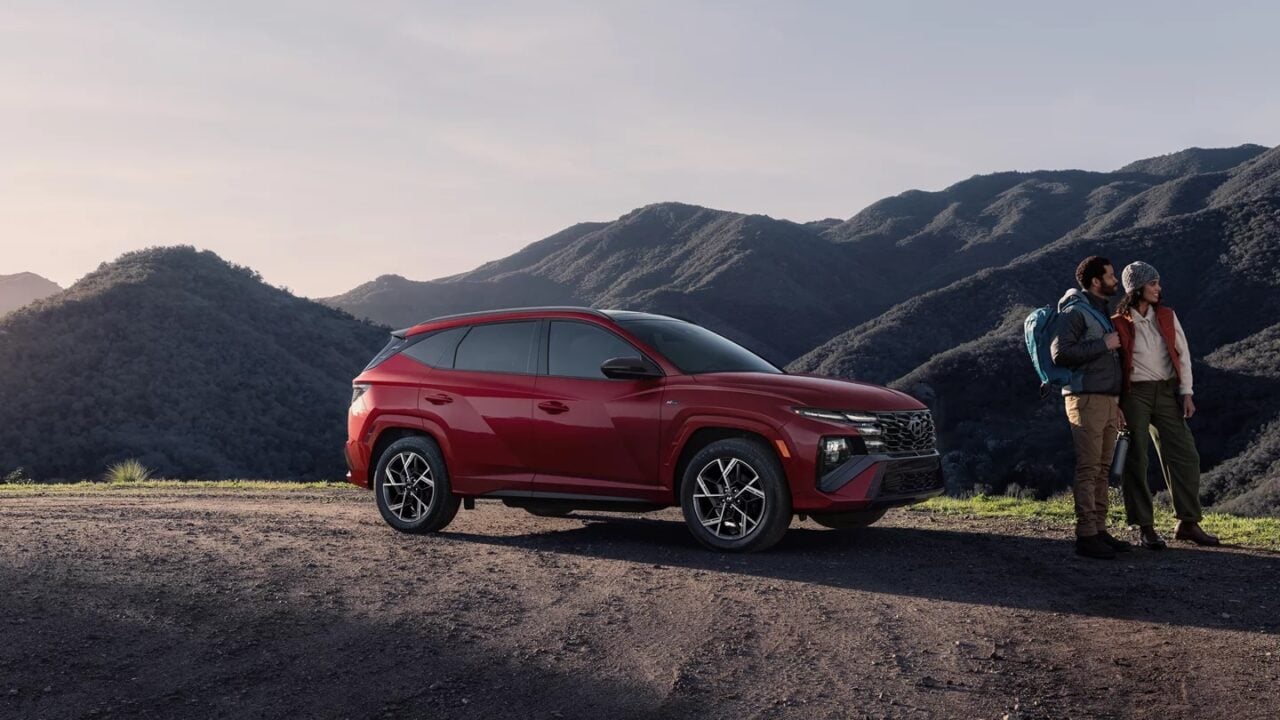
The Hyundai Tucson Hybrid makes sense for RAV4 shoppers who want strong warranty coverage, good feature value, and a hybrid powertrain with a little extra punch. Hyundai lists the 2026 Tucson Hybrid from $32,450, while Edmunds shows the Hybrid Blue SE with 38 mpg combined, five seats, 38.7 cubic feet of cargo room, and all-wheel drive.
The Tucson’s cabin gives it a more modern feel than many rivals, especially for buyers who like a digital layout and a clean dashboard design. It also offers a useful balance between price, equipment, efficiency, and warranty confidence.
This is the RAV4 alternative for shoppers who want hybrid mileage but do not want Toyota’s more familiar interior personality. The Tucson Hybrid feels more tech-forward, and its standard AWD hybrid setup gives families a strong value case without moving into luxury pricing.
Kia Sportage Hybrid
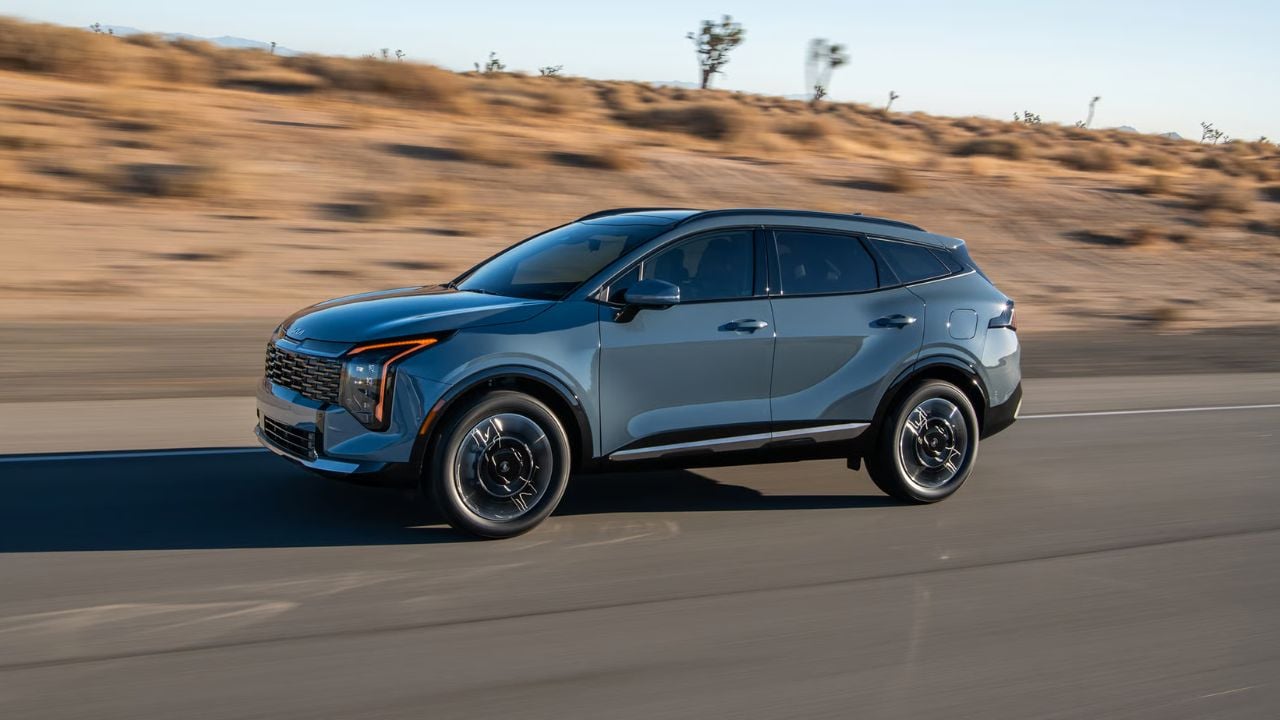
The Kia Sportage Hybrid is one of the strongest value plays against the RAV4. Kia promotes the 2026 Sportage Hybrid with 232 hp, up to 42 mpg combined on the LX, generous rear-seat and cargo space, and a 10-year/100,000-mile limited warranty that includes the hybrid battery.
The fuel-economy number needs the right context: the highest 42 mpg combined estimate applies to the front-drive LX. Buyers who choose AWD trims should expect lower mileage, but the Sportage Hybrid still gives RAV4 shoppers a strong mix of space, efficiency, and warranty coverage.
The Sportage has a bolder cabin and exterior design than the Toyota. That will appeal to buyers who want practical transportation without a conservative look. Families should also compare rear-seat comfort carefully, because Kia’s packaging is one of the reasons this crossover feels competitive beyond its price.
Nissan Rogue
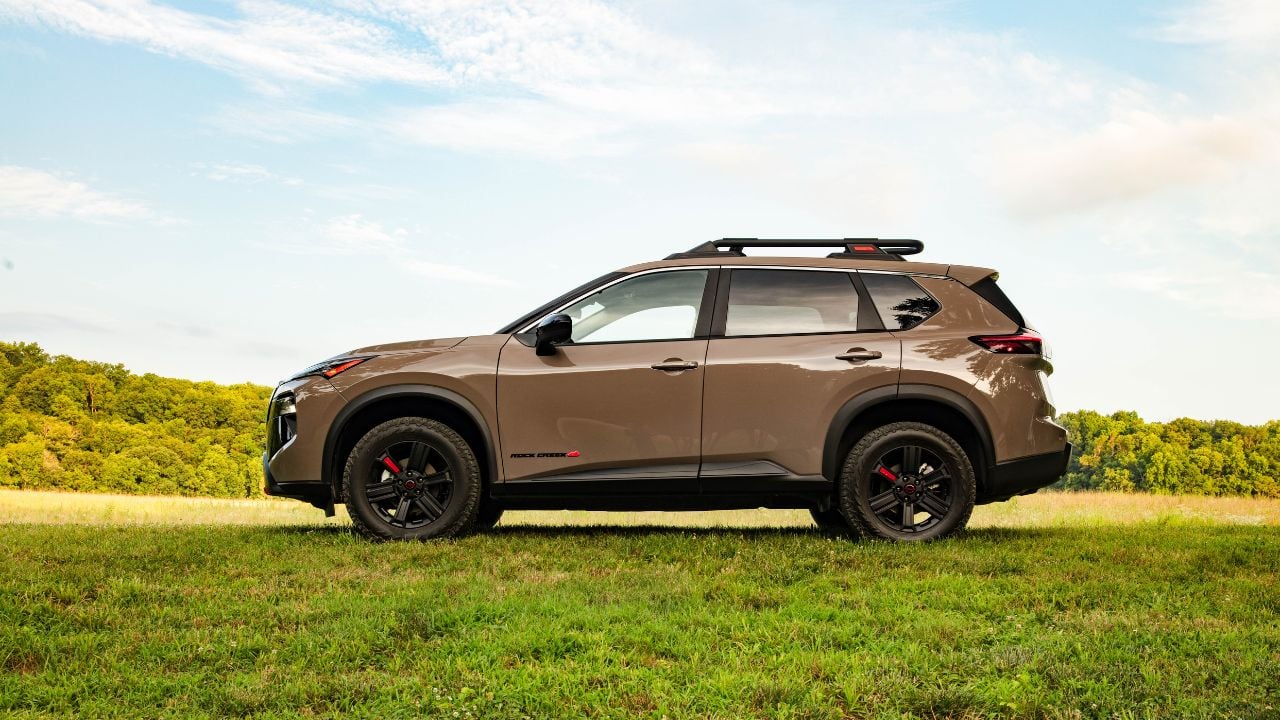
The Nissan Rogue should be on the same shopping route because it gives buyers a comfortable, efficient compact crossover with a very different feel from the RAV4. Nissan lists the 2026.5 Rogue from $29,490, while the Rock Creek version starts at $34,390 and adds a more outdoorsy look with standard all-wheel drive.
The Rogue’s strength is comfort. It has a quiet cabin, supportive seating, and a relaxed driving personality that suits commuters and family errands. Buyers who want hybrid efficiency may be tempted by the Rogue Plug-In Hybrid, but that version starts much higher at $45,990.
For most RAV4 shoppers, the regular Rogue makes the cleaner value argument. It is not as rugged as the Toyota, and it does not have the RAV4’s hybrid-only lineup, but it delivers a polished daily experience at a competitive price.
Chevrolet Equinox

The 2026 Chevrolet Equinox gives budget-minded RAV4 shoppers a straightforward American alternative. Chevrolet lists the Equinox from $28,800, with an 11.3-inch infotainment touchscreen, over 15 standard safety and driver-assistance features, and available all-wheel drive.
The Equinox is not the hybrid alternative. It is the value and familiarity alternative. Buyers get a compact crossover with a modern cabin design, broad Chevrolet dealer coverage, and pricing that starts below the RAV4.
That makes it worth driving for families who want a new crossover but do not need Toyota’s hybrid-only approach. The Equinox has a simple showroom pitch: reasonable price, useful space, familiar controls, and enough safety technology to feel current. For shoppers watching monthly payments closely, that clarity has real appeal.
Volkswagen Tiguan
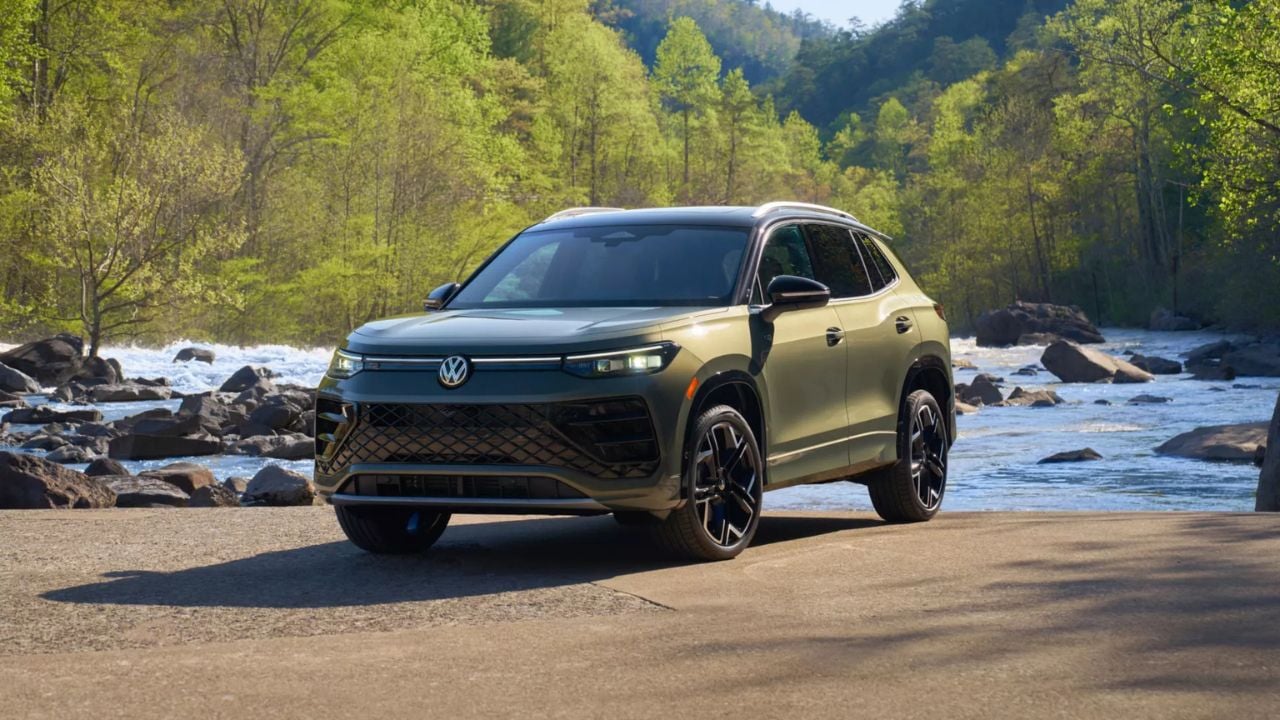
The 2026 Volkswagen Tiguan is the alternative for buyers who want a compact family crossover with a more European feel. Volkswagen lists the 2026 Tiguan from $30,805, with available 4MOTION all-wheel drive and IQ.DRIVE driver-assistance technology.
The Tiguan’s cabin and road manners give it a different personality from the RAV4. It feels more mature in design, with a slightly more premium atmosphere than many mainstream rivals. Buyers who want more power can look at the SEL R-Line Turbo, which Volkswagen lists with 268 hp, but that version sits much higher in the lineup than the base model.
RAV4 buyers should test drive the Tiguan if they want a quieter, more refined compact crossover. It may not match Toyota’s reputation for long-term dependability, but it brings style, space, and a more composed feel.
The Smart RAV4 Shopper Has More Than One Good Answer
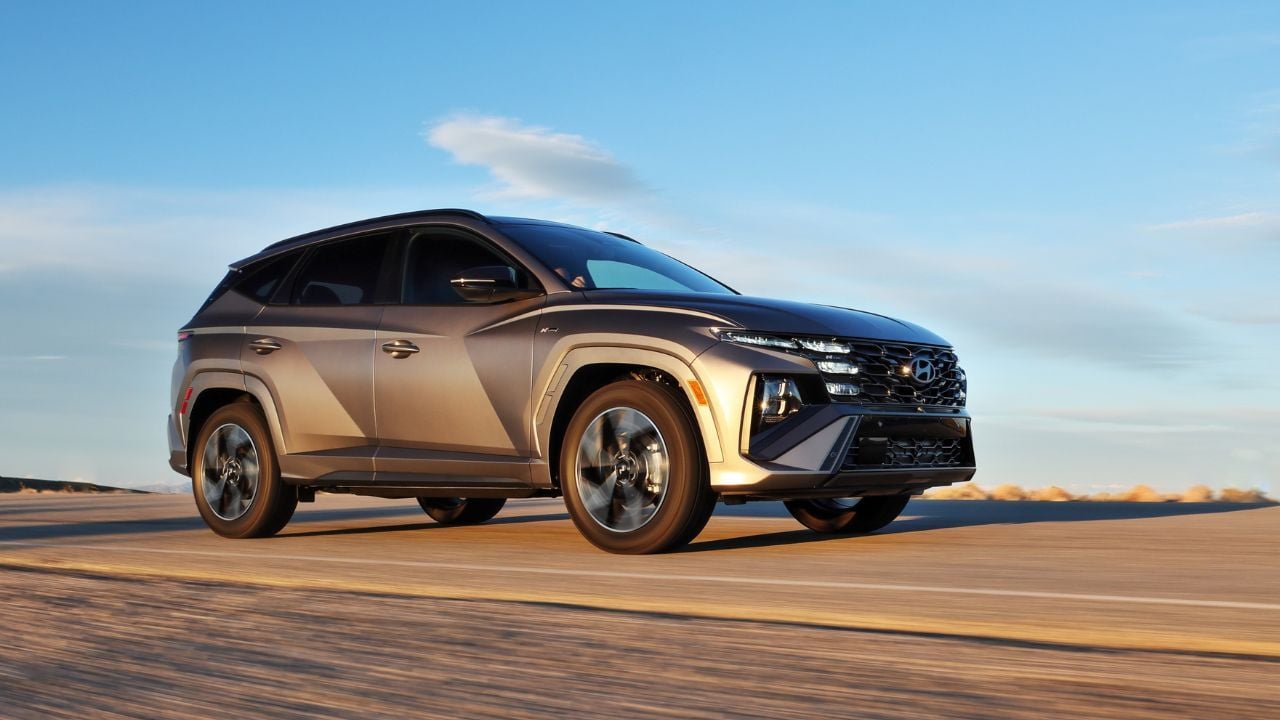
The RAV4 remains one of the safest choices in the compact crossover market, and Toyota’s hybrid-only move gives the 2026 model a clear identity. Strong demand, changing powertrains, and trim availability still make comparison shopping essential.
The CR-V is the closest traditional rival. The CX-50 gives buyers sharper style and standard AWD. The Forester leans into all-weather confidence and visibility. The Tucson Hybrid and Sportage Hybrid bring strong value and warranty coverage. The Rogue is calm and comfortable. The Equinox keeps pricing grounded. The Tiguan adds a more polished driving feel.
A test drive can settle what the spec sheet cannot. The right RAV4 alternative is not always the one with the most familiar badge. It is the crossover that fits the family, the budget, the commute, and the dealer lot reality sitting in front of the buyer right now.