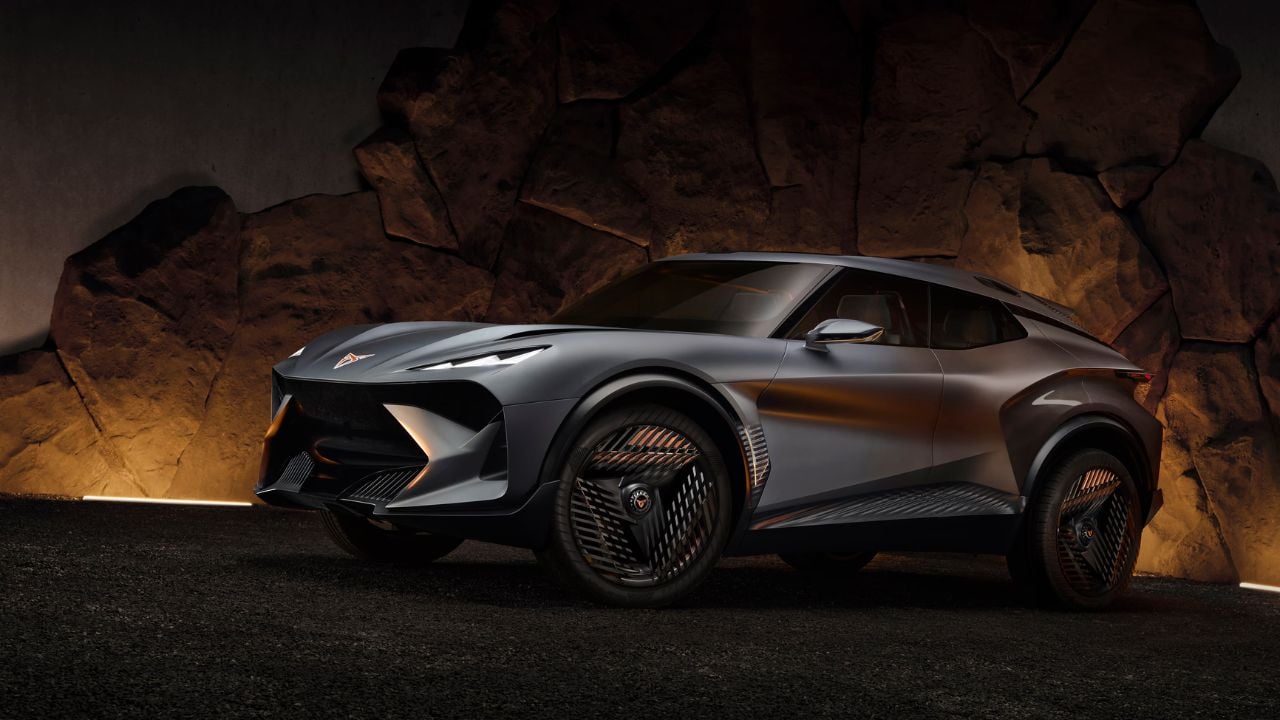
Cupra is preparing a new flagship that could change the Spanish brand’s position in Europe’s premium market. The futuristic Tindaya, first shown as a concept at last year’s Munich Motor Show, is now officially heading for production.
Markus Haupt, the head of Seat and Cupra, has confirmed that design and engineering teams are already working on the final version of the car. It will arrive in the next few years as a new top-of-the-range battery-powered model.
The production Tindaya is expected to compete with models such as the BMW iX3 and Volvo EX60. That would move Cupra into a much more expensive and competitive part of the European crossover market.
Haupt said the concept looks fantastic and asked why Cupra would not build it. He added that the company is already studying production timing and promised that the car will reach the road in the coming years.
Cupra Is Moving Into A Higher Segment
At about 185.8 inches long, the Tindaya will sit above the Tavascan and Terramar. That makes it Cupra’s first serious move into one of Europe’s most profitable premium crossover segments.
This is the space currently occupied by models such as the Audi Q5, BMW X3, and Mercedes GLC. At the same time, the segment is quickly shifting toward battery-powered platforms and new electric models.
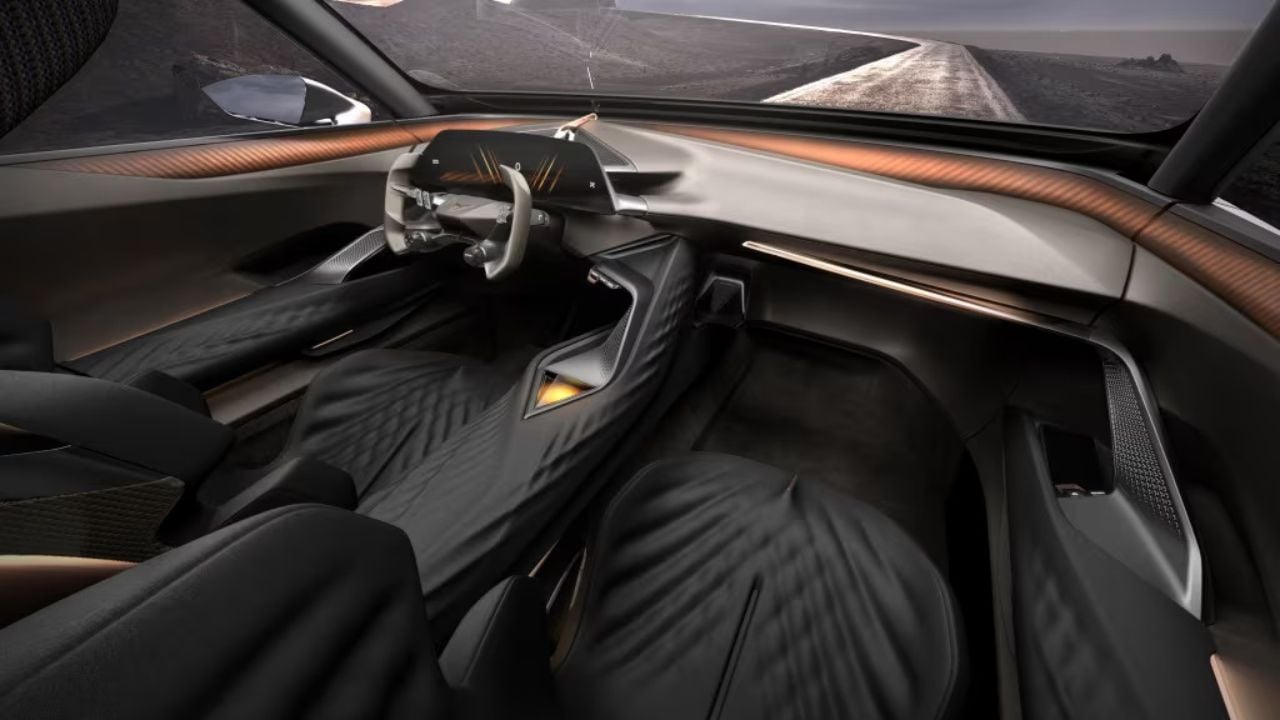
The Tindaya concept was presented as a highly modern crossover coupe with a strong focus on the driver. That fits Cupra’s identity, which has always tried to mix sporty character with a more emotional design approach.
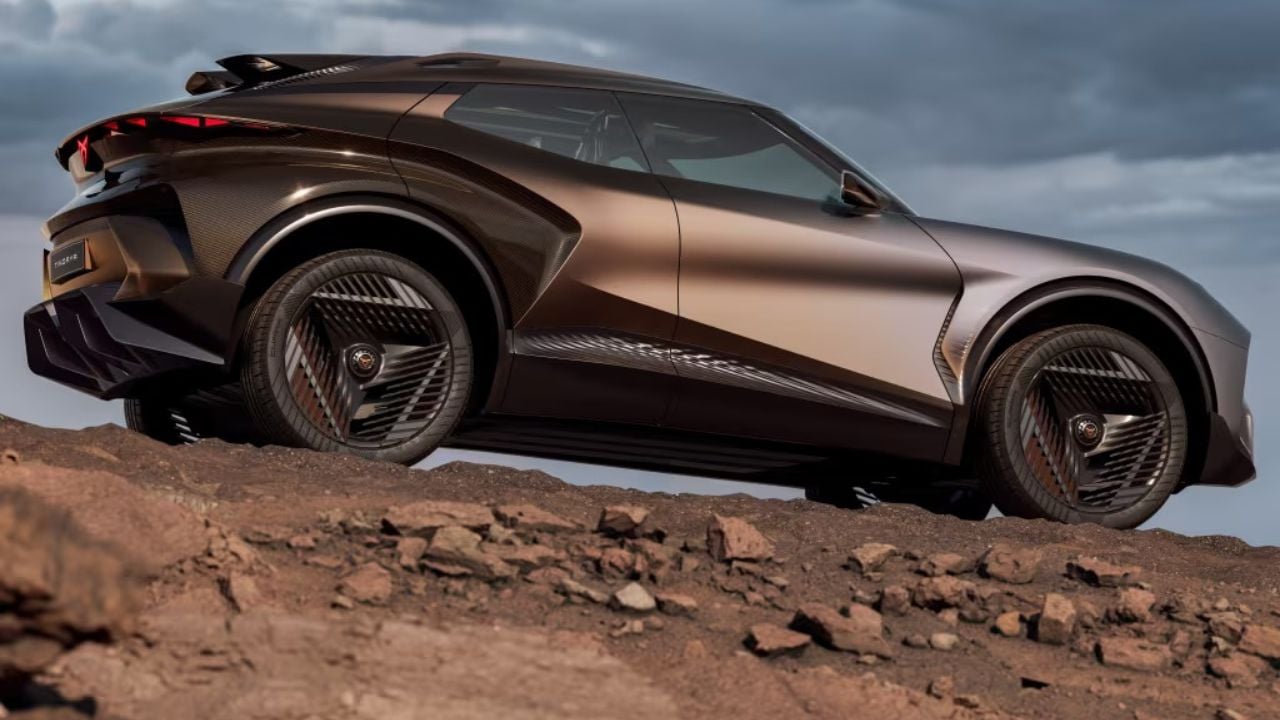
Its design features aggressive proportions, a low roofline, and a futuristic lighting signature. Cupra sees it as the next major step in the evolution of its styling language.
A Premium Price And A New Platform
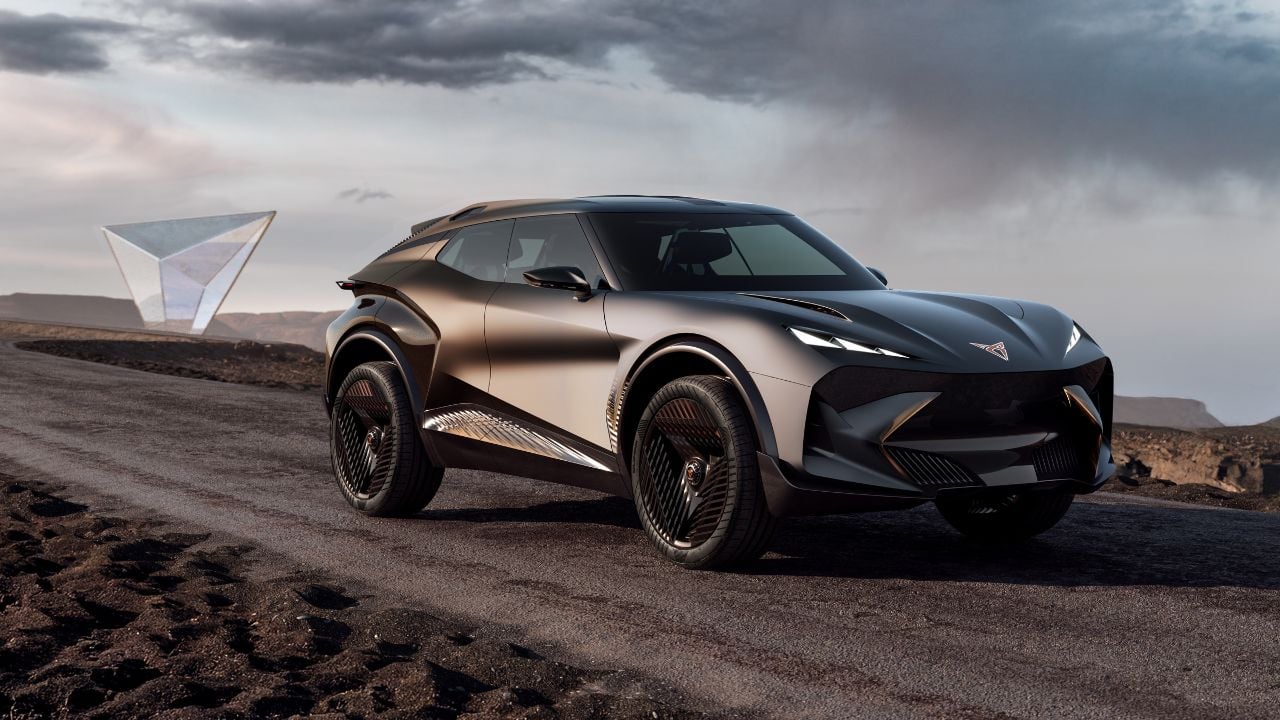
Although the Tindaya was first shown as a technology demonstrator, it has now become an important part of Cupra’s expansion strategy.
The production version is expected to cost around $76,000, putting it directly against German premium rivals, as well as models such as the Genesis GV70 and Lexus RZ.
The technical base will be the Volkswagen Group’s new SSP platform. This architecture is planned for the group’s next generation of electric vehicles and is expected to replace the current MEB platform.
SSP should allow much greater flexibility for different powertrain layouts, which could become important if the market continues to change before the Tindaya reaches production.
Cupra Wants To Keep Its Options Open
One of the biggest unknowns is the powertrain. The concept used a radical range extender setup with 489 horsepower, but Cupra has not confirmed whether the production model will keep that system.
Haupt says the company is deliberately keeping its options open. He explained that the market is changing quickly and that Cupra wants to remain flexible for as long as possible before making the final decision.
That means the brand is still judging how ready the market will be for fully electric models when the Tindaya arrives. SSP is designed to support electric powertrains, but it can also work with range extender technology.
That is an important shift compared with today’s MEB architecture, which was developed purely for EVs. Volkswagen Group clearly wants more flexibility after slower EV demand in some regions.
Tindaya Will Still Have To Feel Like A Cupra
Audi is expected to be the first brand to use the SSP platform, while the electric Volkswagen Golf Mk9, once planned for 2028, has now been delayed.
Cupra insists that expanding its lineup will not change the character of the brand. Haupt says the company does not want to become a mass-market manufacturer.
He believes Cupra’s success comes from being different and attracting buyers who want something outside the traditional car world.
That means the Tindaya will need to be more than another premium electric crossover. Cupra wants it to combine futuristic design, sporty character, and next-generation technology while keeping the rebellious identity that made the brand stand out in Europe.
This article originally appeared on Autorepublika.com and has been republished with permission by Guessing Headlights. AI-assisted translation was used, followed by human editing and review.