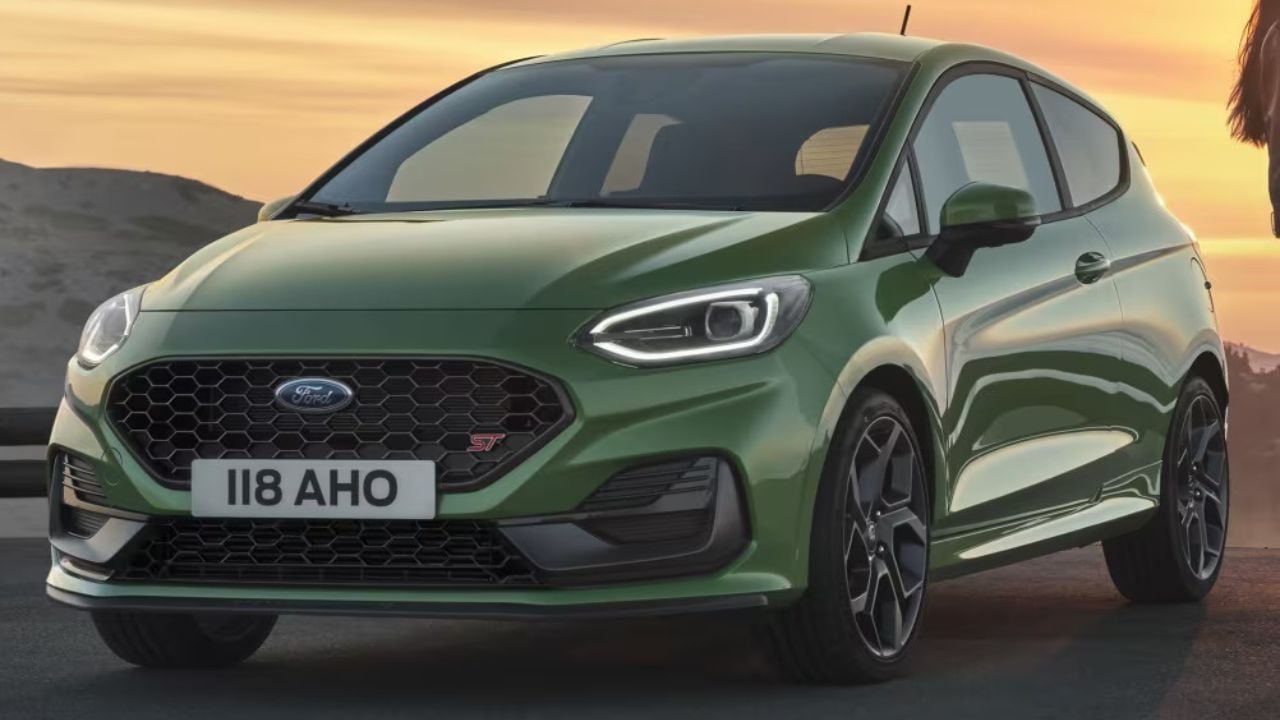
Ford is preparing one of the biggest transformations of its European lineup in decades. Between 2026 and 2029, the American automaker is expected to launch five new models for the European market.
The goal is to close the chapter shaped by the Fiesta and Focus while finding a new balance in a period when the shift to electric vehicles is moving more slowly than expected.
The new lineup is expected to include two smaller electric cars, two crossovers with several powertrain options, from hybrids to fully electric versions, and a Bronco-style SUV developed with European buyers in mind.
That model is currently expected to be offered with hybrid and fully electric powertrain options, giving Ford a stronger answer to Europe’s growing demand for rugged but efficient crossovers.
Ford Needs A New European Identity
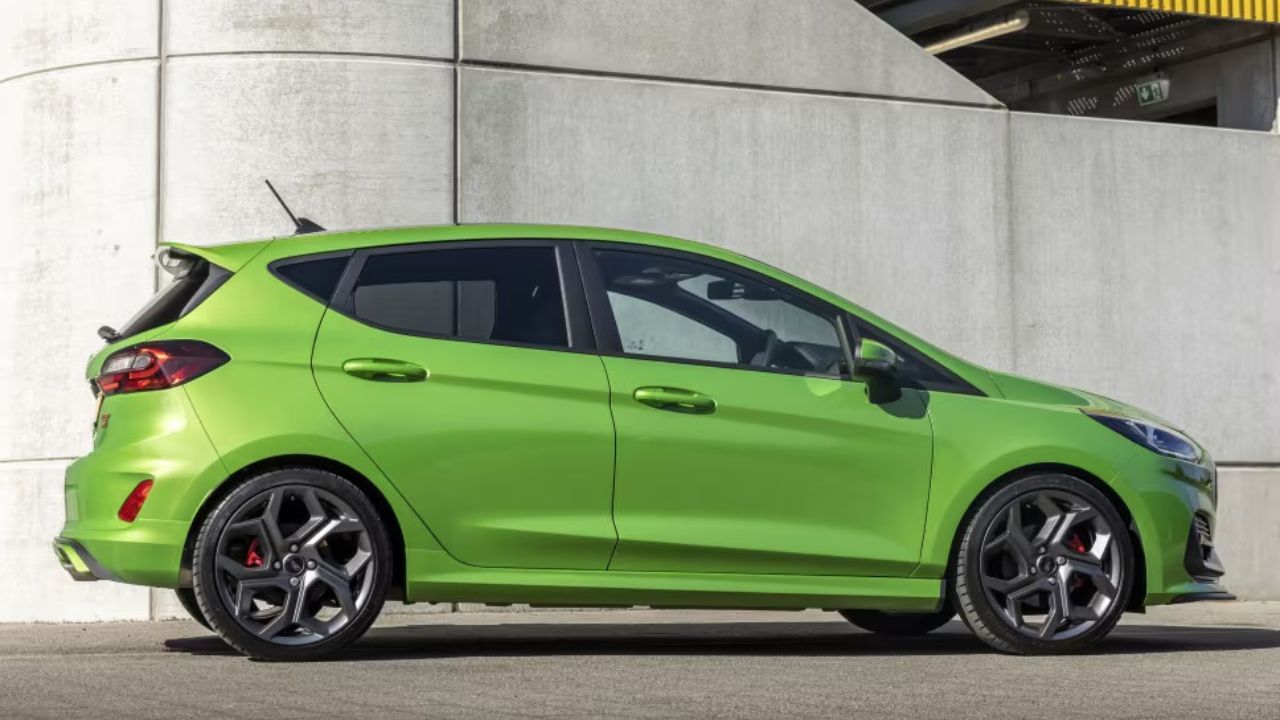
Ford is in a complicated position in Europe. On one side, the company has discontinued models that spent decades at the center of its regional lineup, including the Fiesta and Focus.
On the other side, the EV market has not grown as quickly as many automakers expected only a few years ago. Ford now has to rethink its strategy and find space between traditional combustion engines and the battery-powered future.
Christian Weingärtner, head of Ford’s passenger vehicle division in Europe, said the company has not yet decided whether famous names such as Fiesta and Focus could return on future models.
He said Fiesta carries major history, including a World Rally Championship title in 2017, but added that names with that much meaning also bring major responsibility.
Why Fiesta Had To Go
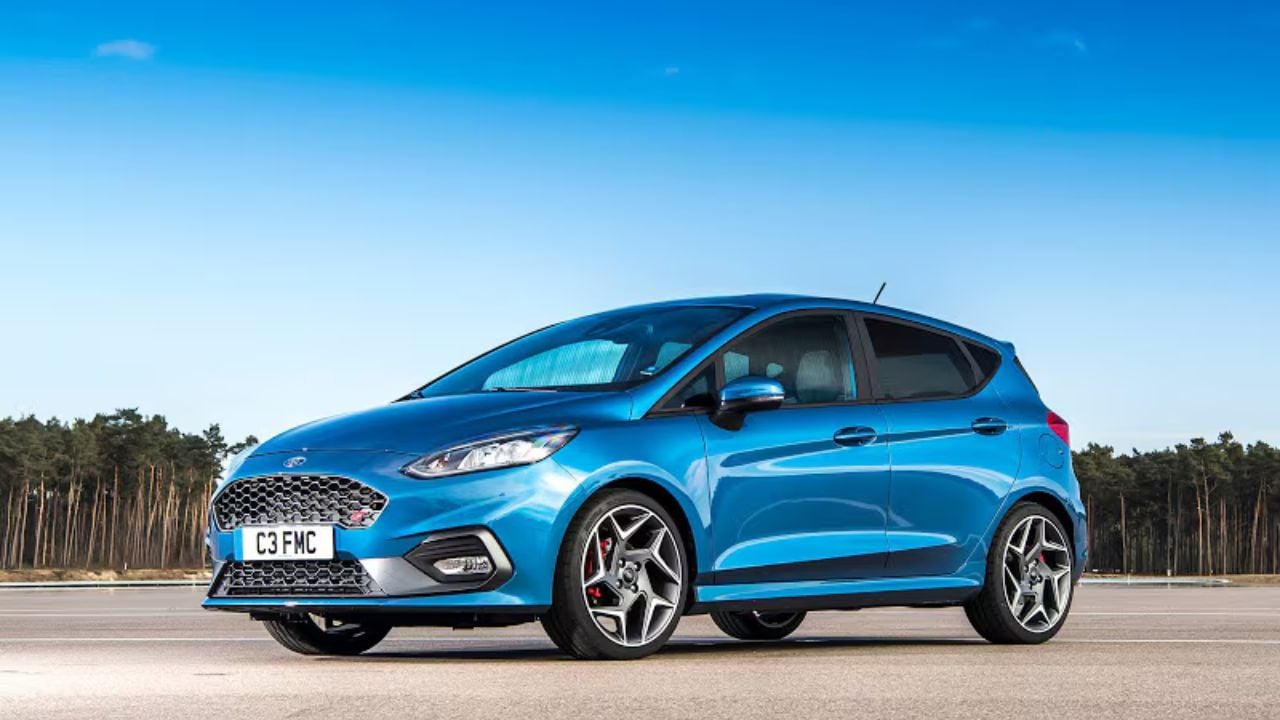
The end of the Fiesta caused strong reactions among European buyers. For years, the model was one of the symbols of affordable, enjoyable compact motoring.
Ford, however, says the decision was not emotional. It was a business calculation shaped by stricter emissions rules, falling production volumes, and the cost of keeping older platforms alive.
According to Weingärtner, tighter regulations would have required major investment in existing engines and architectures. At the same time, the wider industry believed electric cars would take over the market much faster.
In that environment, further investment in conventional combustion models no longer looked financially sensible.
Lower Volumes Made The Problem Worse
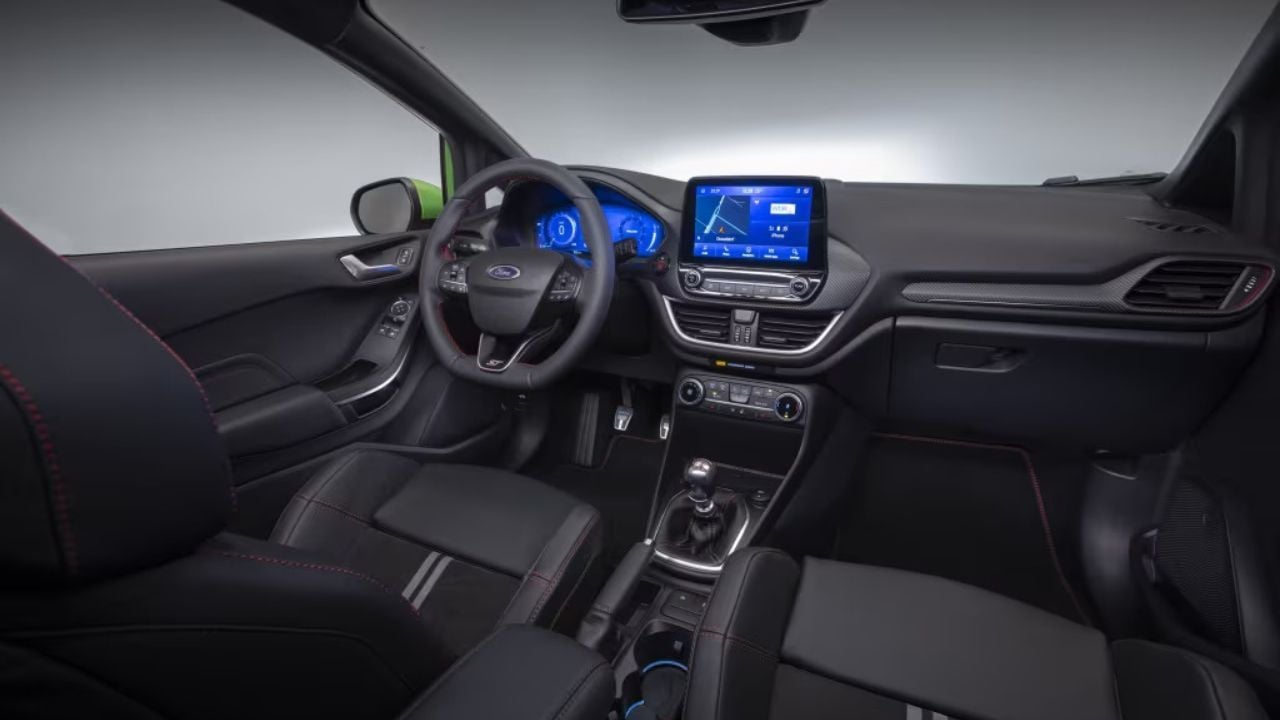
Ford’s European factories were also dealing with market fragmentation and weaker production volumes. When the number of vehicles being built starts to fall sharply, keeping a model like the Fiesta in production becomes harder to justify financially.
Weingärtner acknowledged how much customers loved the Fiesta but said Ford still had to operate as a business. At the time, the company concluded that continuing production no longer made economic sense.
That explanation may not satisfy loyal fans, but it shows the pressure mainstream automakers face in Europe. Cars that once sold in huge numbers now struggle against higher development costs, changing regulations, and shifting buyer habits.
Famous Names Could Still Return
Ford is not completely closing the door on the possibility of bringing back some of its historic names in the electric era. That makes the next few years especially important for the brand’s identity in Europe.
The five planned models will represent more than a technology shift. They will also show whether Ford can create true successors to the cars that shaped European roads for generations.
For now, the company is trying to rebuild around smaller EVs, flexible crossovers, and a possible European-focused Bronco-style SUV with real market potential. If the strategy works, Ford could finally move beyond the loss of Fiesta and Focus without losing the character that made those cars matter to European buyers.
This article originally appeared on Autorepublika.com and has been republished with permission by Guessing Headlights. AI-assisted translation was used, followed by human editing and review.