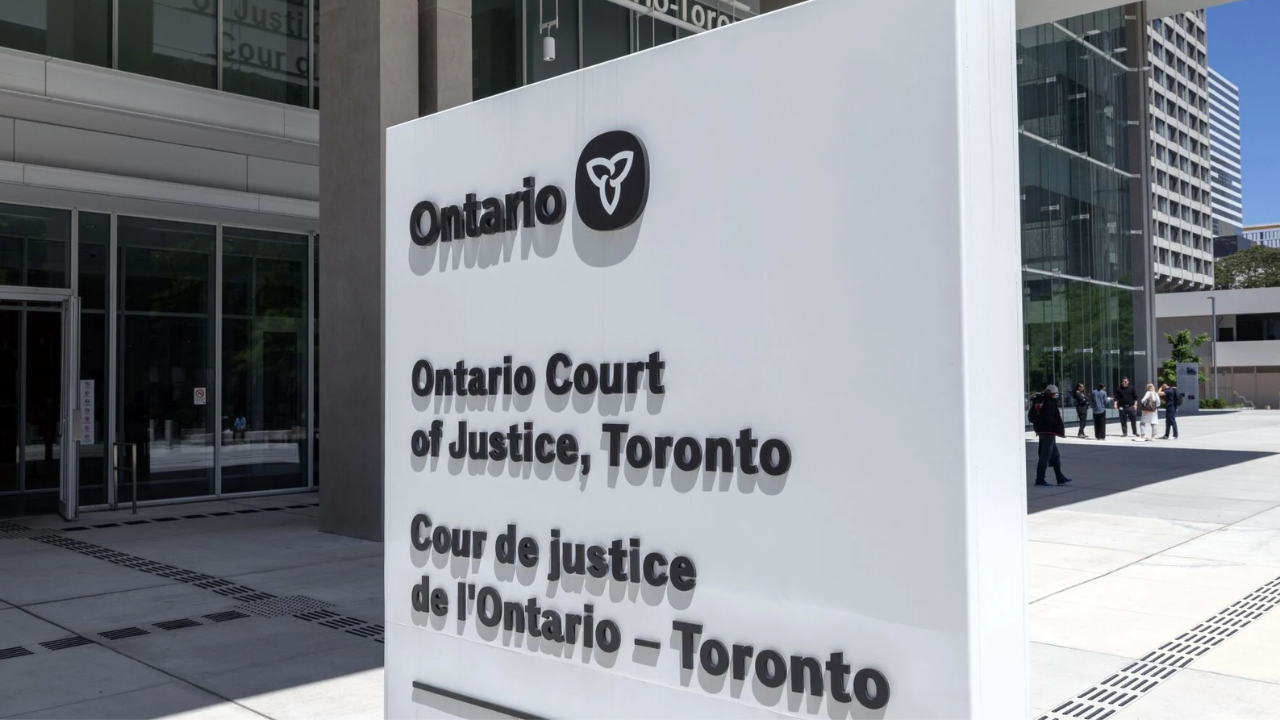
When Ontario driver Neville Greene was ticketed for running a red light in 2007, he didn’t let it go as many would do. Instead, he decided to dispute it. He brought photos to court and even represented himself at trial. Unfortunately, he ended up losing, but he filed an appeal. He then waited nearly 18 years to be heard.
According to CTV News, an Ontario Court justice has now gotten rid of the conviction. The judge’s written ruling doesn’t just give Greene his winning appeal. Instead, it makes a point to explain why the original trial shouldn’t have produced a conviction in the first place.
The reasons for the delay, according to the judge, aren’t entirely clear. The most plausible explanation, as it was given to Greene, is that the paperwork was lost for a very long time. Fortunately, now things have been set right.
The appeal hearing meant Greene was in the right the entire time. It actually turned a routine traffic ticket into an important precedent-setting decision. In this case, it turned into a landmark victory for Greene. It also should serve as a reminder that you can fight legal decisions — and you may very well win.
A Ticket Spanning Nearly Two Decades
The incident took place on June 4, 2007. Greene was driving eastbound on Sheppard Avenue West when he turned left at Jane Street. A Toronto police officer pulled him over and issued a ticket for failing to stop at a red light. Greene pleaded not guilty to the offense. He represented himself at a provincial offenses trial on July 10, 2008. He was convicted.
Greene filed an appeal against his conviction. It wouldn’t be heard until May 13, 2026. In his ruling, Ontario Court Justice Brock Jones said no clear explanation had been given for the delay, beyond the suggestion the paperwork may have been lost. Despite the wait, however, Jones found Greene had filed his appeal on time.
Jones used the ruling to assess the original trial. He described the conduct of the justice of the peace who heard the 2008 case as sarcastic and unbecoming, adding that the reasons for conviction fell far short of the standard expected of the court. Provincial offenses court can be hectic, Jones acknowledged, but justices of the peace still have a duty to guide self-represented litigants.
The Eventual Outcome
In Greene’s case, the JP should have made sure he understood basic legal concepts: the presumption of innocence, the standard of proof, and how to call evidence, and none of that, the judge concluded, had been communicated to him. Greene, for his part, came to the May 13 hearing with the photos he had taken back in 2007.
Jones vacated the 2007 conviction. The city’s prosecutor at the appeal hearing, Kyle Sawyer, did not oppose the result and asked the judge to go a step further and enter an acquittal. Jones did so, and ended up granting Greene his long-fought victory.