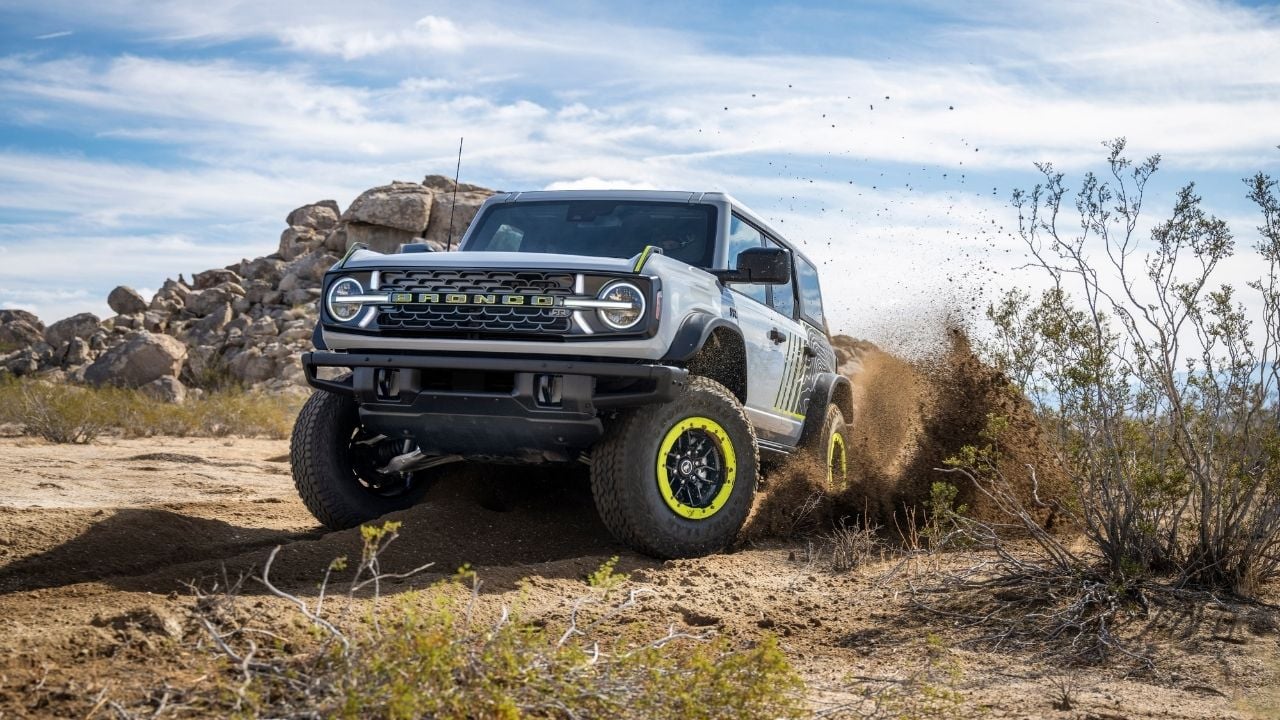
Ford says it has no interest in building generic electric vehicles designed purely around efficiency numbers and aerodynamic styling. Instead, the automaker wants its next generation of products to have personality, emotion, and genuine enthusiast appeal, even in Europe’s increasingly electrified market.
That message came directly from Ford Europe president Jim Baumbick, who recently said the company does not want to build “toasters on wheels” while discussing Ford’s future European lineup and the arrival of a new Bronco-inspired SUV expected in 2028.
The comment continues a philosophy Ford CEO Jim Farley has been repeating for more than a year. Farley previously declared the company was finished making “boring products,” promising Ford would instead focus on vehicles with stronger identities and emotional appeal.
For enthusiasts worried that the industry is heading toward a future filled with anonymous EV crossovers, Ford appears eager to position itself differently.
Ford Wants Character, Not Appliance-Like EVs
Automakers across the industry are increasingly struggling with the same challenge: how to meet emissions regulations and electrification targets without stripping personality from their vehicles. Ford believes the answer is leaning harder into its heritage.
According to Baumbick, upcoming European products will draw inspiration from Ford’s long motorsport history, especially rally racing. That influence is expected to shape both the styling and driving dynamics of future vehicles.
The company’s next wave of European models reportedly includes a compact electric hatchback and a small electric SUV, both designed with a more aggressive, performance-oriented feel than typical commuter-focused EVs.
Ford says these vehicles will combine “race-to-road” character with sharper handling and more engaging driving manners, even while serving mainstream urban buyers.
The Bronco Will Stay Rugged
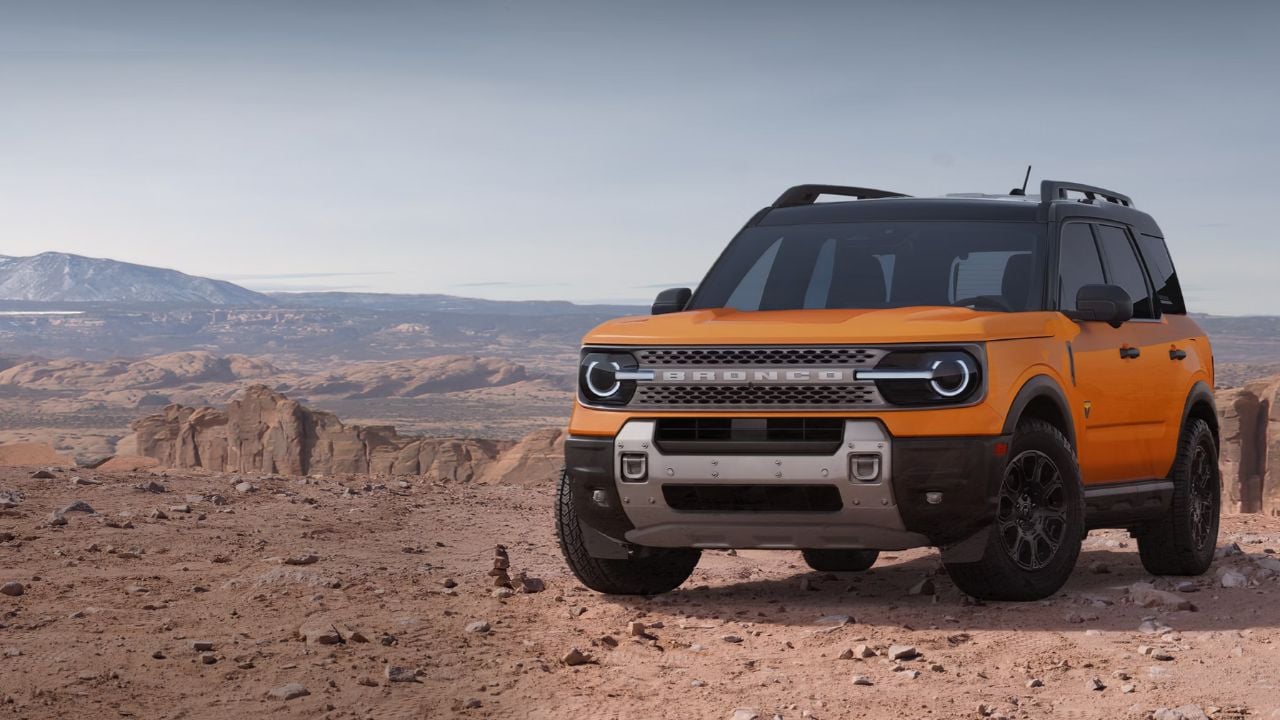
One of the biggest concerns among enthusiasts involved Ford’s plan to bring a Bronco-branded SUV to Europe. When reports first surfaced about a smaller European Bronco model, many fans immediately feared Ford was preparing a softened crossover wearing rugged styling cues but lacking real capability. Ford executives now insist that will not happen!
Baumbick says the European Bronco will retain the adventurous personality and authentic off-road spirit associated with the nameplate. While the SUV will likely use electrified powertrains and a multi-energy platform, Ford claims the Bronco’s identity will remain intact.
That balancing act is not simple in Europe, where stricter emissions regulations and fuel economy requirements create pressure for smaller, more efficient vehicles. Still, Ford believes electrification does not automatically mean sacrificing character.
Electrification Is Coming — But Ford Says Fun Matters, Too
Ford has already confirmed future Bronco models will receive new electrified powertrains, including hybrids and potentially fully electric variants. The company’s global strategy increasingly revolves around electrification across multiple segments. The challenge is ensuring those vehicles still feel distinctly “Ford.”
Baumbick argues buyers are increasingly rejecting bland, interchangeable crossovers and instead want SUVs with stronger identities and emotional appeal. That philosophy appears especially important as Ford reshapes its European lineup following the discontinuation of long-running models like the Fiesta and Focus.
The Bronco, in particular, represents a major opportunity for the brand overseas. European buyers already have access to rugged-looking SUVs from Jeep, Dacia, and Land Rover, but Ford believes Bronco’s authentic off-road reputation gives it credibility many competitors lack in a market where many SUVs are designed primarily for appearance rather than genuine capability.
Ford’s Future Lineup Could Look Very Different
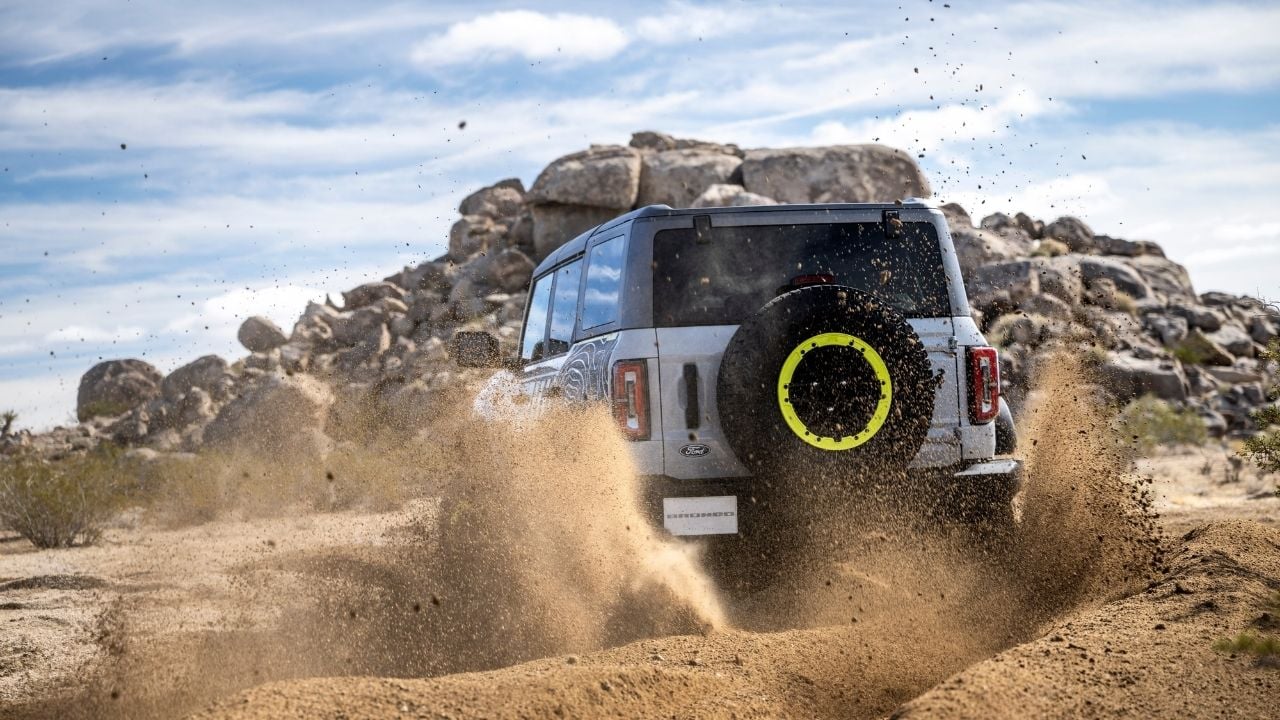
Ford’s European strategy suggests the company is moving away from traditional anonymous commuter cars and toward lifestyle-oriented vehicles with clearer personalities.
The upcoming Bronco is expected to be built at Ford’s Valencia, Spain plant and may ride on a version of the company’s C2 platform shared with vehicles like the Kuga. Reports suggest hybrid and plug-in hybrid variants are likely.
Meanwhile, Ford continues expanding the Bronco brand globally. China already received an electrified Bronco variant developed alongside Jiangling Motors, while North America remains the SUV’s strongest market.
The company is also pursuing partnerships to remain competitive in Europe, including collaborations involving Renault and Geely tied to future EV production and manufacturing.
Enthusiasts Have Heard Promises Before
Ford’s statements will naturally generate skepticism among enthusiasts who have watched many iconic automotive nameplates evolve into softer, less exciting versions of themselves.
Still, the company’s messaging has remained unusually consistent over the past year. From Farley’s “no more boring products” declaration to Baumbick’s rejection of “toasters on wheels,” Ford appears determined to position emotion and identity as central parts of its future lineup. Whether the final products actually deliver on that promise remains the real test.
If Ford succeeds, it could carve out a valuable niche in an industry increasingly filled with vehicles that prioritize efficiency and technology over personality. If it fails, enthusiasts will immediately recognize another crossover pretending to be something more adventurous than it really is.