General Motors has spent the last several years trying to crack down on speculators flipping high-demand performance cars for massive profits.
The company introduced ownership restrictions, warranty penalties, and future purchase bans aimed specifically at limited-production halo models like the Corvette ZR1X. It did not work.
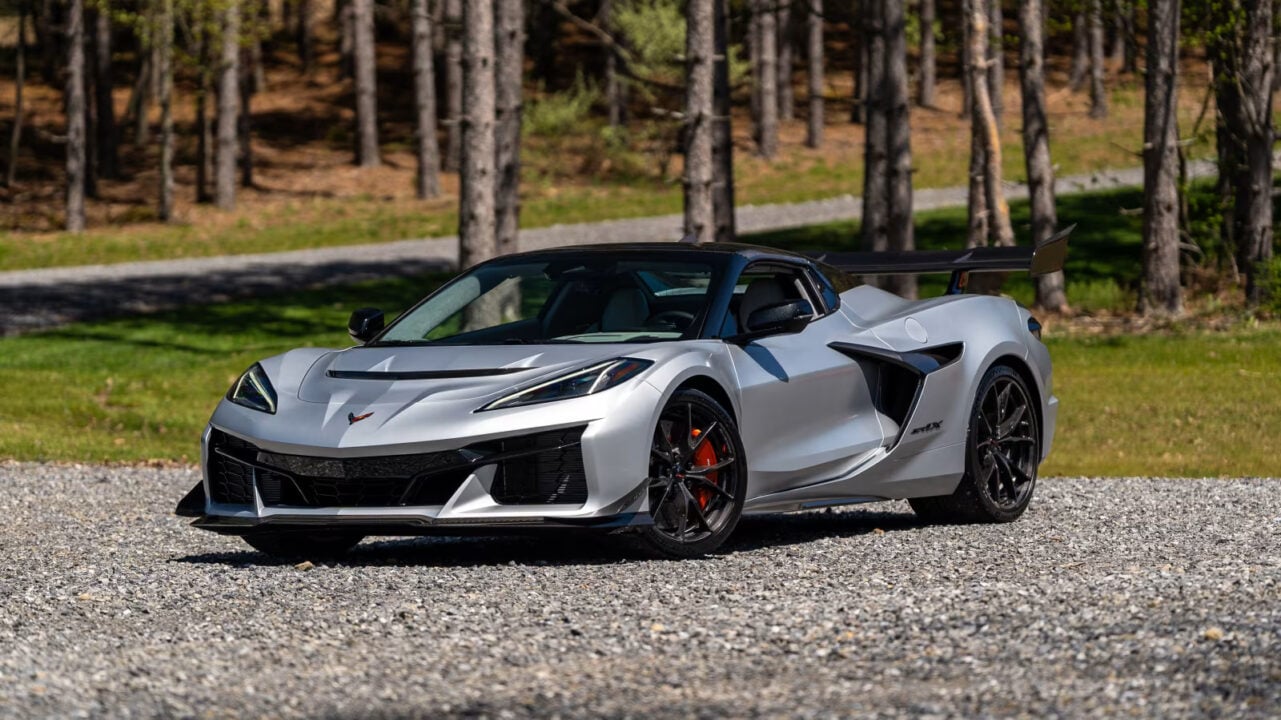
A 2026 Chevrolet Corvette ZR1X Quail Silver Limited Edition convertible just sold at Mecum Indy for an astonishing $605,000. That’s nearly triple its original MSRP of roughly $241,000! The car had only six miles on the odometer.
That sale price instantly places the electrified Corvette among the most expensive modern production Chevrolets ever sold publicly. It also shows just how intense demand remains for GM’s most extreme Corvette, even with warranty restrictions hanging over the car. For collectors, exclusivity appears to matter more than factory coverage.
One of the Rarest Corvettes Ever Built
The specific car sold at Mecum was number 11 of just 60 Quail Silver examples produced. Total ZR1X production is expected to remain around 100 units, making it one of the rarest factory Corvettes of the modern era.
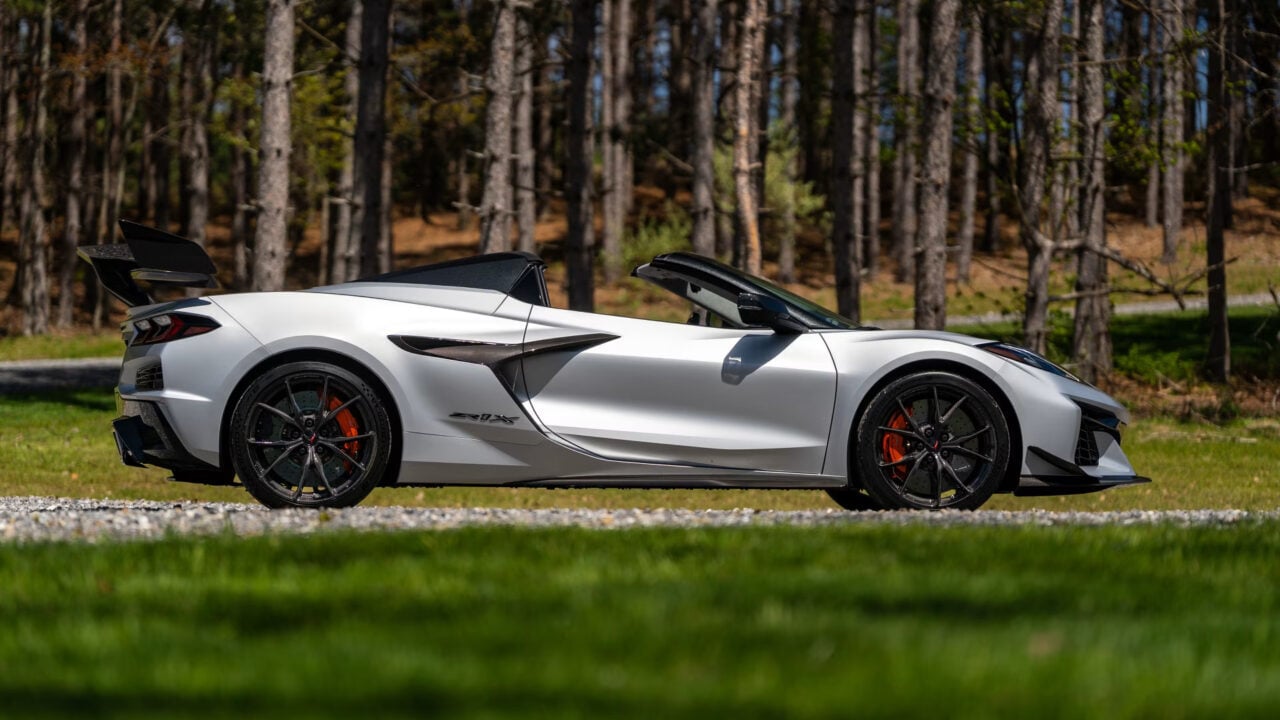
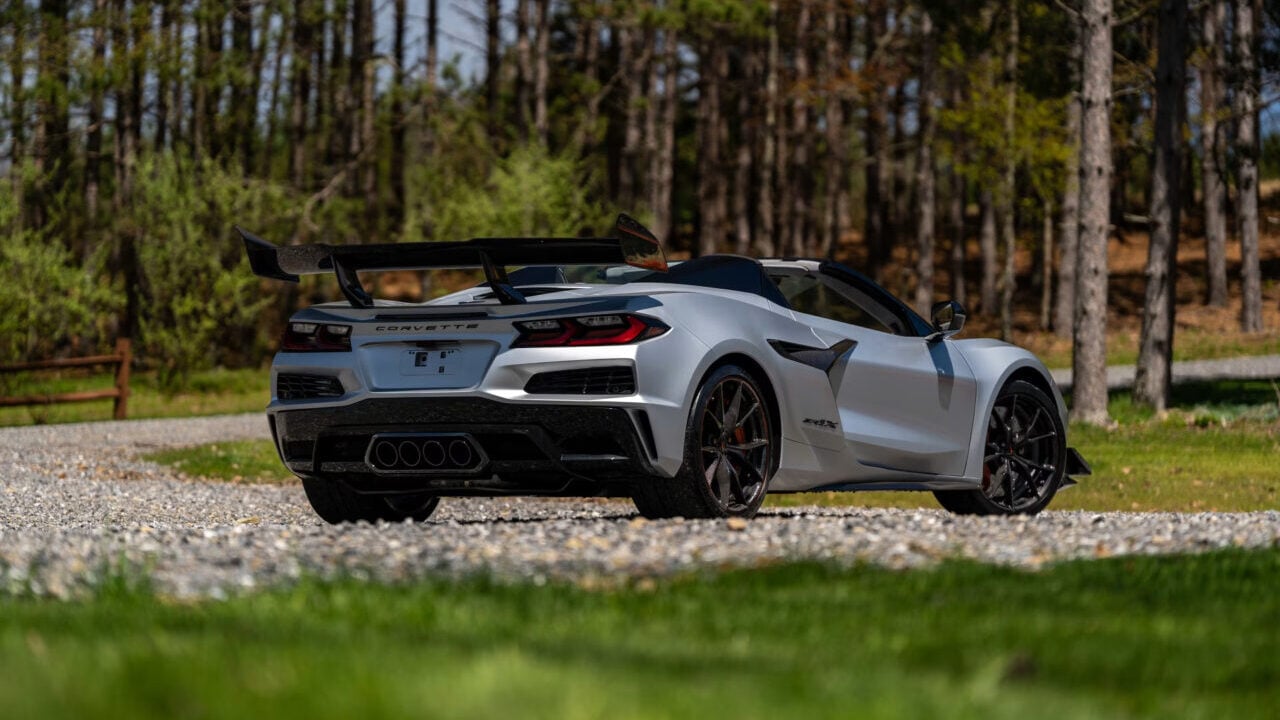
The Quail Silver edition debuted during Monterey Car Week at The Quail, A Motorsports Gathering, where it immediately became one of the standout American performance cars of the event. Finished in Duntov Matte Silver with an aggressive carbon-fiber aero package, the car looks every bit as dramatic as its specifications suggest.
The limited-edition model also includes carbon-fiber wheels, massive carbon-ceramic brakes, orange brake calipers, a high-mounted rear wing, and a heavily trimmed interior with Habanero accents.
Its rarity is a major reason prices have exploded so quickly. Buyers lucky enough to secure allocations effectively received access to one of the hardest-to-get American supercars in decades.
A 1,250-HP American Hypercar
The ZR1X is not merely expensive because it is rare. The performance numbers are legitimately outrageous. Power comes from a twin-turbocharged 5.5-liter LT7 V8 paired with an electric front-drive unit, creating a combined output of 1,250 horsepower and 828 pound-feet of torque. The setup also gives the ZR1X all-wheel-drive capability for the first time in Corvette history.
Chevrolet claims the car can hit 60 mph in under two seconds. On a prepared drag strip, the ZR1X reportedly ran an 8.67-second quarter-mile at 159 mph.
The car also posted a Nürburgring lap time of 6:49.275, briefly making it the fastest American production car to lap the famous German circuit before the Ford Mustang GTD edged ahead. In practical terms, the ZR1X sits in performance territory normally occupied by multi-million-dollar European hypercars.
GM’s Anti-Flipping Rules Clearly Didn’t Scare Buyers
GM knew demand for the ZR1X would create speculation immediately. Buyers were reportedly required to sign retention agreements promising not to resell the vehicle within the first year of ownership. Violating that agreement comes with significant consequences.
Owners who flip the car early lose factory warranty coverage and risk being banned from purchasing future high-demand GM performance vehicles. The second owner also loses nearly all warranty protection, including bumper-to-bumper, powertrain, sheet metal, tire, accessory, and electric propulsion coverage.
Only the EV battery warranty reportedly remains intact after an unauthorized resale. Despite all of that, the Mecum buyer still paid more than $600,000 for the car. That suggests collectors potentially view the ZR1X as a future blue-chip collectible.
The Market Is Betting on Long-Term Value
Whether that gamble pays off remains uncertain. Modern limited-production supercars often experience enormous early auction premiums before values eventually settle closer to reality.
Still, the ZR1X occupies a unique space in automotive history. It represents the peak of internal combustion Corvette performance while also embracing hybrid electrification. It is simultaneously a traditional American V8 monster and a technologically advanced hypercar.
For comparison, the $605,000 spent on this single Corvette could buy a Porsche 911 GT3 RS and a Lamborghini Huracán Sterrato with enough money left over for several years of track-day fuel and tires.
That context makes the Mecum result feel borderline absurd. Then again, the modern collector market has proven repeatedly that rarity, exclusivity, and hype can outweigh logic very quickly, especially when the car in question has 1,250 horsepower and looks like it escaped from a Le Mans paddock.