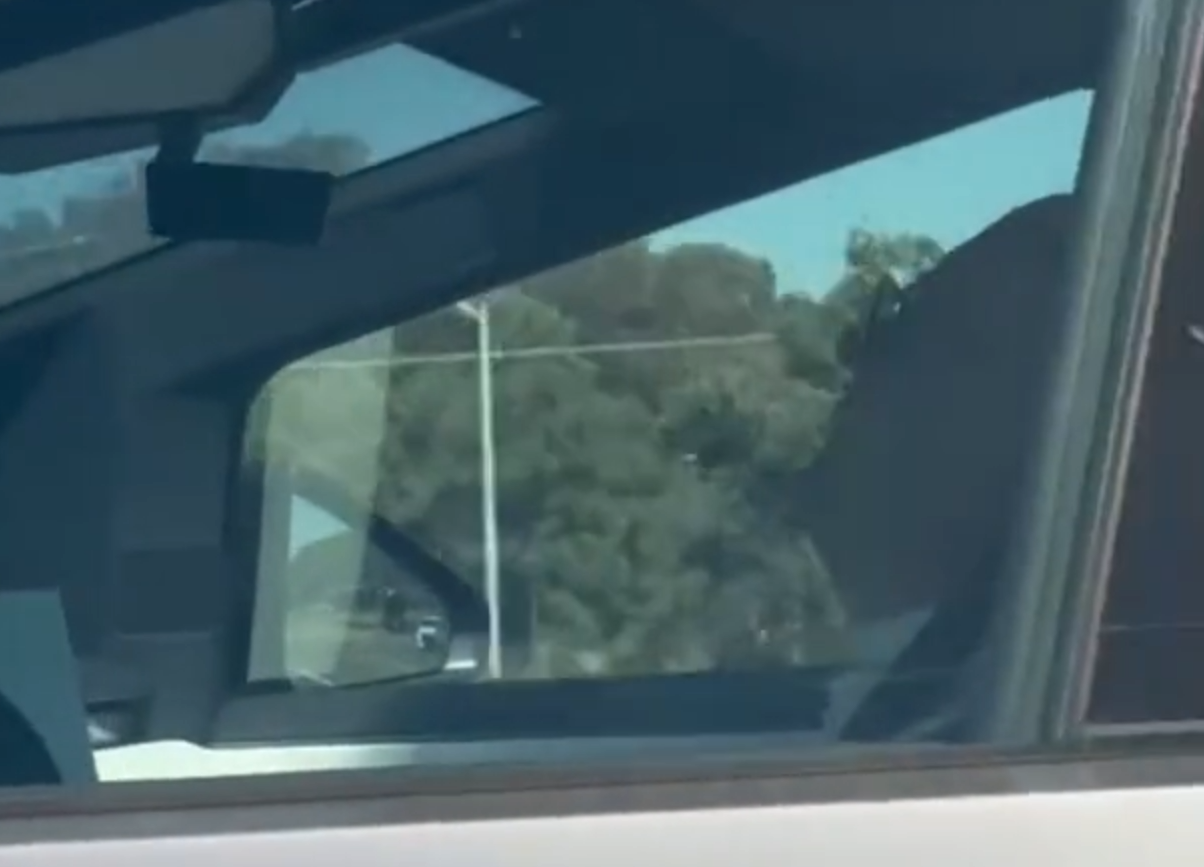
A weekend drive on Highway 101 in Marin County looked a little more alarming than usual on May 16, 2025, when a bystander captured video of a Cybertruck driver fully asleep at the wheel while the truck cruised along in what appeared to be Tesla’s self-driving mode. The footage, sent to local news station KRON4, shows the driver slumped over, clearly not paying attention to the road, around 4 p.m. on a busy Saturday afternoon.
The clip is equal parts fascinating and terrifying. While the Cybertruck continued to navigate the highway without incident, the entire point of driver-assistance technology is that it assists, not replaces, the human behind the wheel. That distinction matters enormously, both legally and practically, and this incident is a clear reminder that the line between convenience and complacency is razor thin.
This is not the first time a Bay Area Tesla driver has gone viral for catching some shut-eye on the freeway. Similar incidents have surfaced before, including one video showing a driver asleep on Highway 4 that circulated widely on social media. The pattern raises real questions about how some drivers interpret what autopilot actually means, and what happens when that interpretation goes too far.
California authorities are not amused. The California Highway Patrol has made its stance very clear: falling asleep in a moving vehicle is a violation of the state’s basic speed law, regardless of what technology is doing the heavy lifting at that moment. That applies whether you are driving a Cybertruck, a regular sedan, or anything in between.
What Tesla Actually Says About Autopilot
Tesla has always been upfront in its guidelines that drivers must remain alert and ready to take control at any time while using its autopilot or self-driving features. The system is designed as a driver-assistance tool, not a chauffeur service. Hands may be off the wheel for stretches, but the driver is expected to keep eyes open and attention focused on the road ahead.
The reality, though, is that some drivers treat the feature like a fully autonomous system. When a car can steer, brake, and accelerate on its own, the temptation to zone out, scroll a phone, or apparently take a full nap becomes very real. Tesla has added safeguards over the years, including alerts that prompt the driver to apply slight pressure to the steering wheel, but those systems are apparently not foolproof when someone is determined to get some rest at highway speeds.
What California Law Says About Sleeping at the Wheel
California’s basic speed law holds that no driver may operate a vehicle at any speed that is unsafe given current conditions. The CHP has clarified that driving while asleep is automatically unsafe at any speed. It does not matter if the car has autopilot, full self-driving capabilities, or some future feature that could theoretically land the vehicle on a runway. If you are unconscious, you are in violation.
This is not a technicality. It is a public safety issue. A vehicle in autopilot mode can handle a lot, but it cannot always respond to debris in the road, a sudden merge from another driver, or an unexpected construction zone. That is exactly the kind of moment when a human being needs to be present, alert, and ready to react in a split second.
What We Can Learn From This Incident
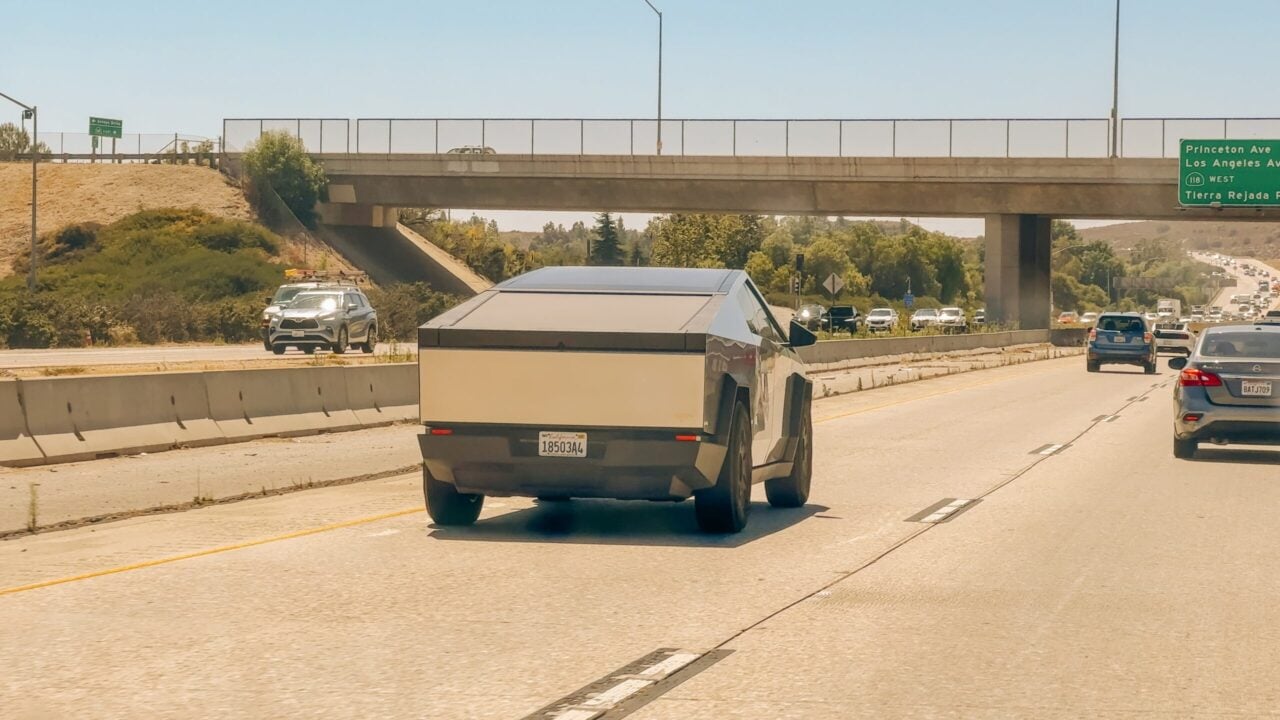
Stories like this one should prompt a broader conversation about how society is adapting to semi-autonomous vehicles. As the technology becomes more sophisticated and more common, the rules of the road have not kept pace in every way. Many drivers simply do not fully understand the legal and practical limitations of driver-assist systems.
A few important takeaways stand out here. First, autopilot is not a synonym for autonomous. The word itself is borrowed from aviation, where even planes on autopilot have a pilot actively monitoring systems. Second, the consequences of a sleeping driver in a moving vehicle extend far beyond that individual. Other drivers, passengers, cyclists, and pedestrians all share that road.
Finally, incidents like this one tend to spark renewed calls for stricter enforcement and clearer education around vehicle automation. Whether that means more prominent in-car warnings, regulatory changes, or something else entirely is a conversation worth having. Until then, maybe save the nap for when you are actually parked.
The Bigger Picture on Tesla and Autonomous Driving
Tesla remains the best-selling car brand in California for 2025, even amid ongoing debates about its autopilot technology and public protests over CEO Elon Musk’s political activities. Millions of Californians drive Teslas every day without incident, and the vast majority of autopilot users follow the rules correctly.
But high-profile moments like a sleeping Cybertruck driver on a packed Bay Area freeway keep the conversation alive. As more automakers roll out their own driver-assistance features, the question of how to balance technological capability with driver responsibility is only going to grow more urgent.
For now, the answer from California law enforcement is simple: stay awake, stay alert, and save the autopilot for the highway, not the dreamland.