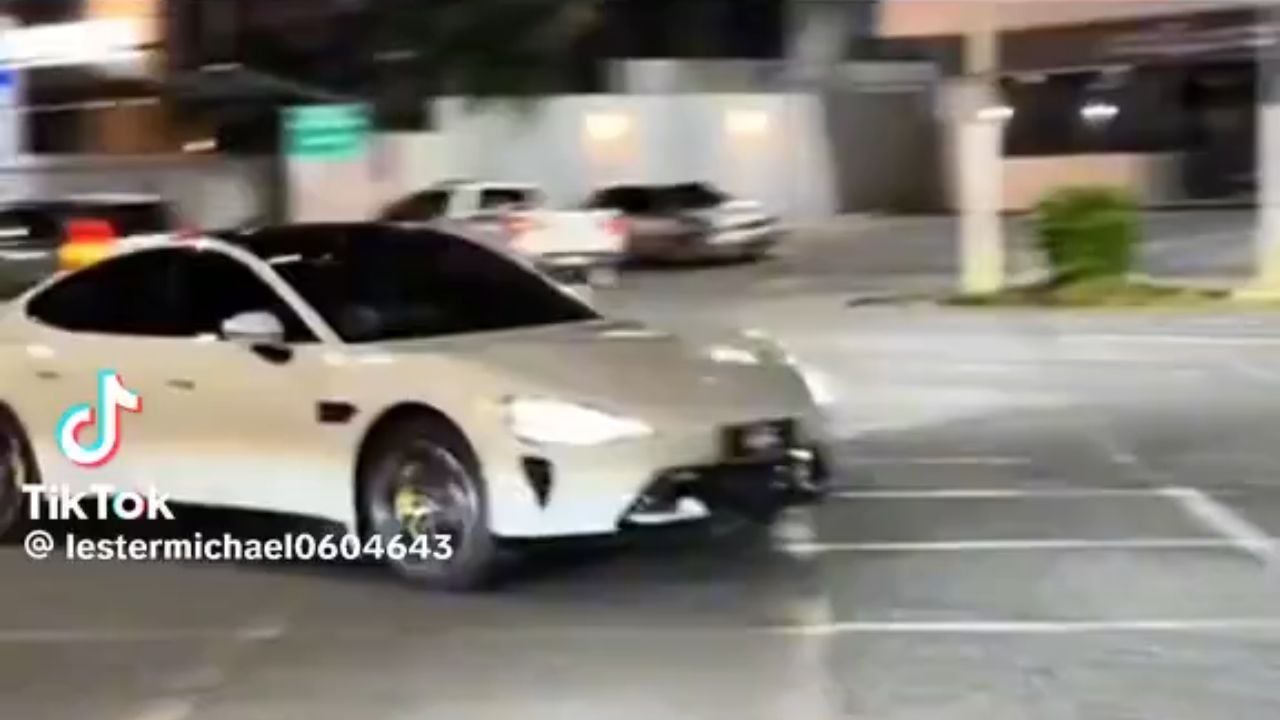

Chinese EVs already know when you are drifting out of your lane, getting sleepy behind the wheel, or edging too close to a cyclist. Now, one viral video suggests they may also know when the “random SUV” next to you is secretly driven by a cop.
That possibility has sent social media into a frenzy after a clip posted by Nigerian car dealer @_Tiga_b showed a Chinese electric car repeatedly identifying nearby luxury SUVs as police vehicles, despite them having no visible markings. To the driver, it looked like a glitch. To the internet, it looked like the future snitching on everybody.
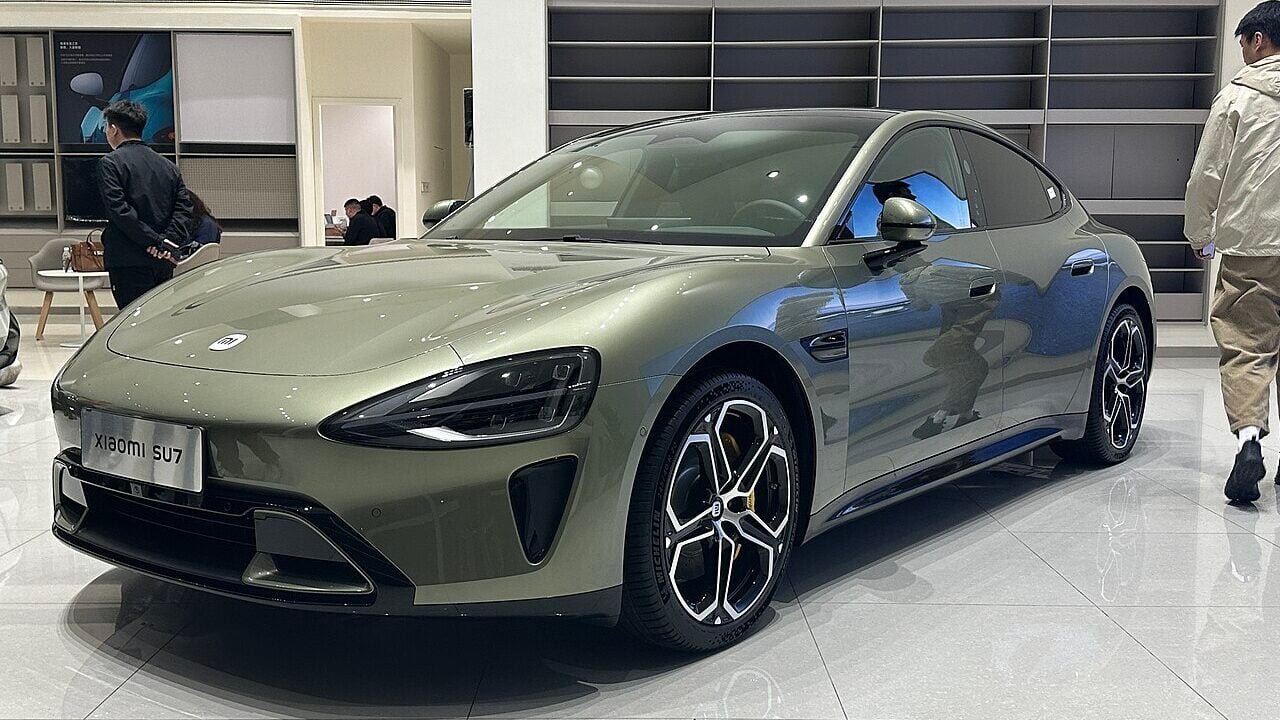
The star of the clip appears to be the Xiaomi SU7, the wildly hyped Chinese EV that has already earned comparisons to a mashup of a Porsche Taycan and a Tesla Model S. Unlike either of those cars, though, this one seems to come with an unexpected party trick: spotting undercover police cars hiding in plain sight.
And honestly, that is the part making people deeply fascinated and slightly uncomfortable at the same time.
Your Car Might Know More Than You Do
In the viral footage, the EV’s dashboard display flags a nearby Mercedes-Benz G63 and a Land Rover Range Rover as police vehicles. The driver initially laughs it off because both SUVs appear to be normal civilian cars cruising through traffic. Then the plot twists.
After a small traffic incident at an intersection, the driver of the Range Rover steps out and begins directing traffic like an officer managing a scene. Suddenly, the supposedly “broken” Chinese software does not look broken anymore.
That single moment transformed the clip from amusing dashboard footage into a full-blown internet conspiracy magnet. People immediately started wondering how the car knew.
The Rise of the Rolling Surveillance Machine
Modern Chinese EVs are packed with sensors, cameras, radar systems, connectivity tools, and AI-driven object recognition software. Carmakers like Xiaomi, BYD, and NIO are aggressively pushing advanced driver-assistance systems that can identify vehicles, pedestrians, road hazards, and traffic conditions in astonishing detail.
In theory, recognizing an emergency vehicle is not shocking. Cars already identify ambulances, fire trucks, and police cruisers with flashing lights in some markets.
The strange part here is the suggestion that the software recognized unmarked police affiliation without visible identifiers. That has sparked theories ranging from harmless database matching to full-blown government integration paranoia.
Some viewers joked that the car was basically saying, “Brother, slow down. That G-Wagen is not your friend.” Others were less amused.
Smart Cars Are Becoming Very Observant
The viral reaction reflects growing unease about connected vehicles and the sheer amount of information modern cars collect. Vehicles today track location history, driving habits, nearby traffic, camera feeds, biometric data, and even driver attention levels.
Companies insist these systems exist for safety and convenience. Critics hear that explanation and imagine a four-wheeled smartphone constantly watching everything around it.
That tension has followed brands like Tesla for years, but Chinese automakers often face even heavier scrutiny because of concerns surrounding data access and state oversight. The Xiaomi clip poured gasoline onto those fears in spectacular fashion.
Some commenters called the feature genius. Others described it as dystopian. One particularly funny reaction asked whether future getaway drivers would need software updates before fleeing a crime scene.
The Internet Loves a Creepy Flex
“A man discovered the Chinese car he bought was a snitch”. pic.twitter.com/jDkEPv80Pf
— ABIODUN | TIGA Autos. (@_Tiga_b) May 19, 2026
There is also a cultural layer to the story. The Xiaomi SU7 is not officially sold in the United States, which only adds to its mystique among American audiences online. To many viewers, the car represents China’s increasingly aggressive leap into futuristic automotive technology while legacy automakers are still arguing about touchscreen buttons and subscription seat heaters.
The clip turned that technological gap into entertainment. Yet beneath the jokes sits a genuinely thought-provoking question: if cars are becoming intelligent enough to identify hidden police vehicles, what else are they learning every second you are behind the wheel?
Because once your dashboard starts recognizing undercover cops before you do, the line between “helpful assistant” and “rolling surveillance device” suddenly gets very blurry.