Mexico City is enormous, but a weekend can still feel smooth when the plan follows neighborhoods instead of ambition. Instead of trying to cross the whole capital in 48 hours, give each part of the trip one clear purpose: food on arrival night, the Historic Center on Saturday morning, a market and museum afternoon, Chapultepec on Sunday, and a slower finish in Coyoacán.
That kind of weekend gives first-time visitors a real taste of the city without turning every hour into a transfer. There are tacos eaten standing up, marble and murals, tree-lined streets, market aisles, museum courtyards, and a blue house tied to one of Mexico’s most famous artists.
Stay around Roma, Condesa, Juárez, or the Reforma corridor if convenience matters. Those areas keep restaurants, cafés, museums, parks, and transport options close enough that the weekend does not disappear inside taxis.
Mexico City is too large and layered to explain in one short trip. A good first weekend should make the city feel exciting, not impossible. Leave with a few strong memories, a full stomach, and several reasons to come back.
1. Friday Night: Settle Into Roma or Condesa With a Food-First Walk
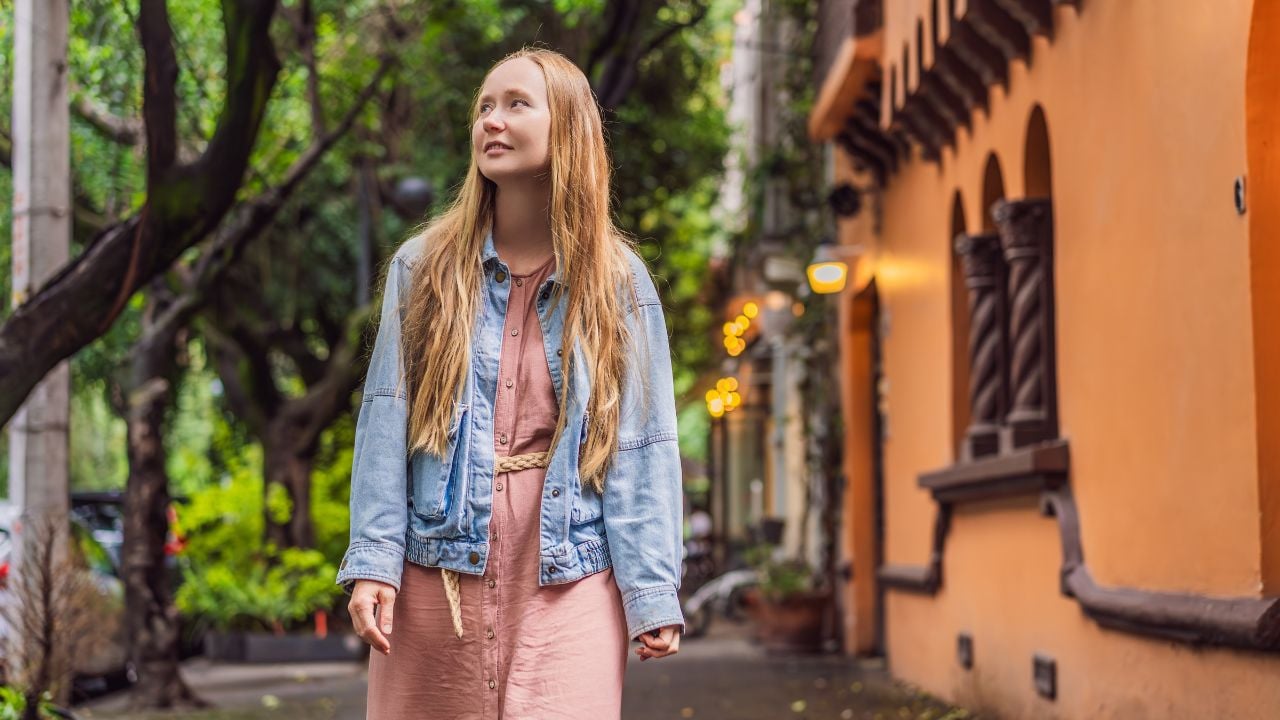
Start gently in Roma or Condesa instead of heading straight into the city’s biggest sights. These neighborhoods are easier to absorb after a flight, with leafy streets, old houses, cafés, restaurants, small galleries, bakeries, and parks that make the first evening feel relaxed rather than rushed.
Parque México and Colonia Condesa are good anchors if you want a simple first walk. The streets around the parks are busy enough to feel alive, but they are still easier to handle than the Historic Center at night on a first visit.
Let dinner carry the evening. Choose tacos, a casual restaurant, a bakery stop, or a long table somewhere close to the hotel. If there is energy afterward, walk a few blocks through Condesa or Roma Norte and stop for coffee, dessert, or one drink.
The first night should not feel like a test. Mexico City becomes friendlier when arrival begins with food, street life, and a small walking radius instead of a complicated list.
2. Saturday Morning: Start With the Historic Center and the Big First-Time View
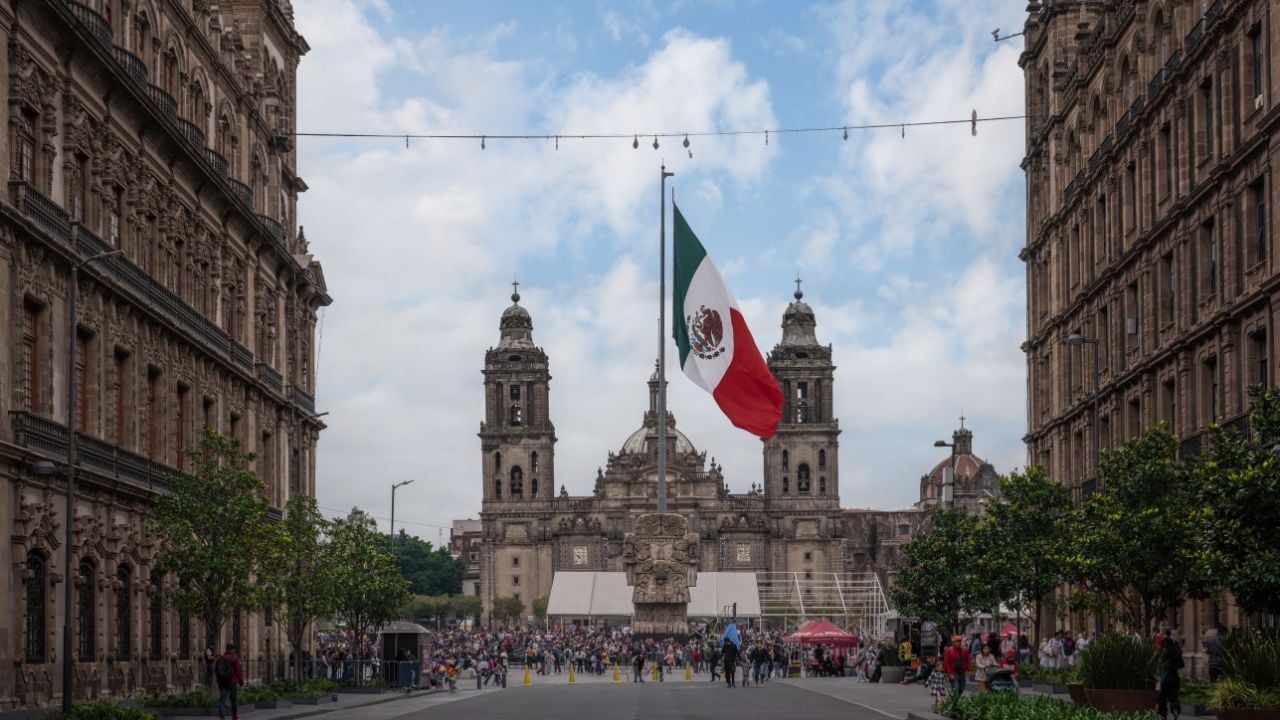
Saturday morning belongs to the Historic Center. UNESCO describes the old core as a city built by the Spanish in the 16th century on the ruins of Tenochtitlan, with identified Aztec temple remains, the Metropolitan Cathedral, and major public buildings such as Palacio de Bellas Artes.
Begin around the Zócalo before the day becomes too hot, loud, or crowded. The square, cathedral, government buildings, and nearby streets put several layers of the capital in one place. This is where Mexico City feels ancient, colonial, ceremonial, political, and chaotic all at once.
Keep the morning focused. Visit the cathedral area, look toward Templo Mayor, stop for coffee or breakfast nearby, then begin walking west toward Alameda Central. The Historic Center is intense in the best way, but it is easier to enjoy with breaks and shade rather than a nonstop march.
Do not try to absorb every museum and church in one visit. The value of this morning is the scale: the flag over the Zócalo, the stone of the cathedral, the ruins beside the modern streets, and the noise of vendors, traffic, bells, footsteps, and tour groups mixing together.
3. Saturday Afternoon: Pair San Juan Market With Bellas Artes
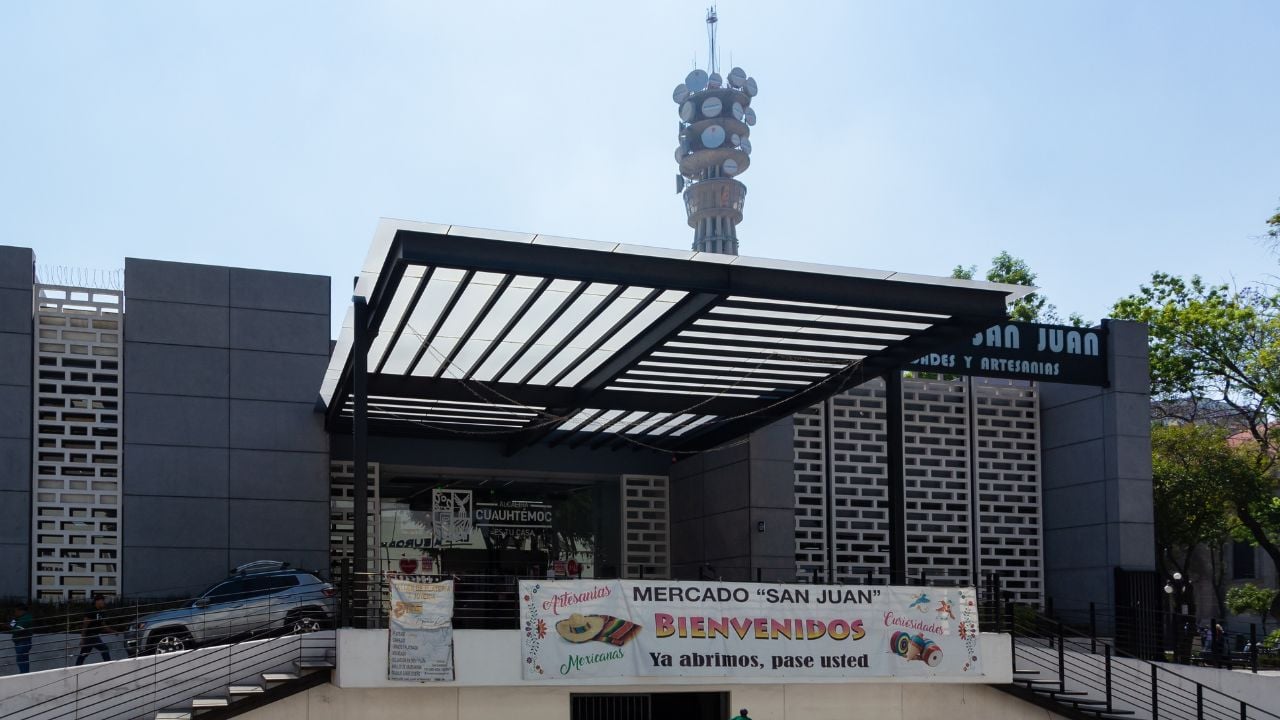
A food-loving weekend needs a market, and Mercado San Juan fits the afternoon well. Mexico City’s official tourism site describes San Juan-Pugibet as a gourmet public market and a staple for foodies, which makes it a good stop for travelers who want more than polished restaurant dining.
Walk the aisles slowly, especially if you are curious about ingredients, seafood, cheeses, produce, and prepared bites. A guided tasting can help if the market feels overwhelming, but a simple browse and snack still give the afternoon a more immediate flavor than another formal meal.
After the market, move toward Palacio de Bellas Artes and Alameda Central. The building is one of Mexico City’s great cultural landmarks, with its pale exterior, dramatic dome, murals, performance spaces, and position at the edge of the Historic Center.
The official Mexico City tourism site notes that the Palacio is home to major national performing arts companies, including the National Theater Company, National Dance Company, National Symphony Orchestra, National Opera Company, Ballet Folklórico de México, and Fine Arts Chamber Orchestra. Even if you only see it from outside, Bellas Artes gives the afternoon a grand pause after the market’s noise.
End Saturday back in Roma, Condesa, Juárez, or another neighborhood where dinner can slow the day down. After the Historic Center, a quieter evening with good food is better than forcing one more major attraction into the schedule.
4. Sunday Morning: Give Chapultepec and the Anthropology Museum Real Space
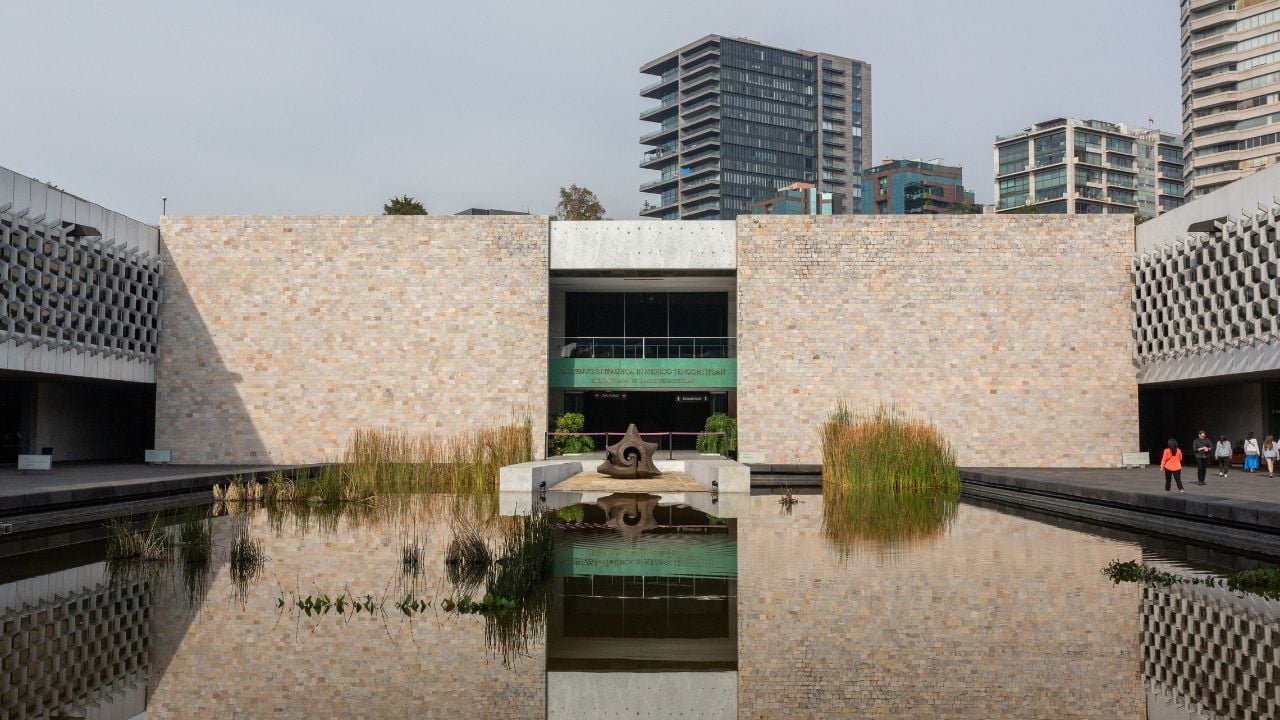
Sunday morning should start in Chapultepec if the weather is kind. The trees, paths, museums, and open space feel especially welcome after Saturday in the Historic Center. This is still a major city experience, but it begins with shade and walking room instead of traffic and stone.
The National Museum of Anthropology is the main stop here. The museum sits on Paseo de la Reforma and Calzada Gandhi in the Chapultepec area, and its collections focus on archaeology and ethnography. Mexico City’s official tourism site calls it perhaps the most important museum in Mexico and among the most important in the world.
Do not try to see the whole museum at full speed. Choose a few galleries, take breaks, and leave time to stand in the courtyard or step outside afterward. The museum is too rich for a rushed checklist, especially for visitors who are meeting Mexico’s pre-Hispanic history for the first time.
After the museum, keep the rest of the morning gentle. Walk a little in Chapultepec, have lunch nearby, or sit down before heading south. The next stop, Coyoacán, deserves energy, not leftovers from an overpacked museum morning.
5. Sunday Afternoon: Finish in Coyoacán With Frida, Plazas, and One Last Snack
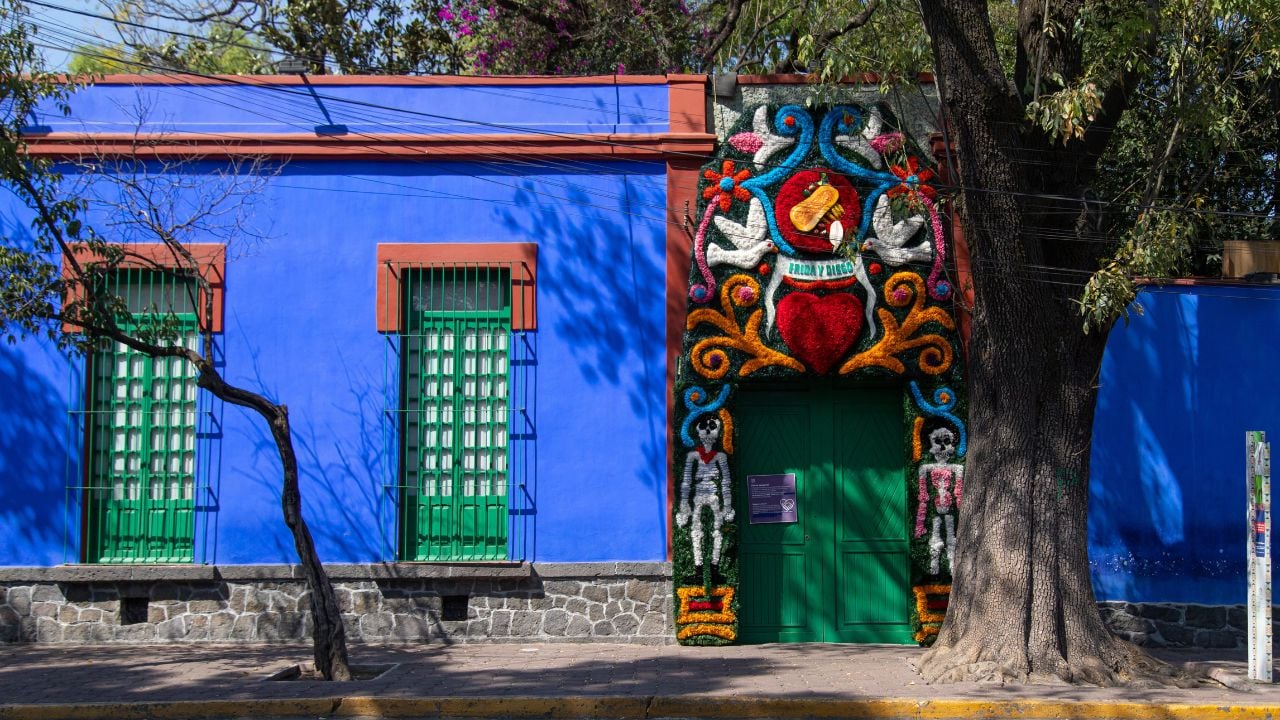
Coyoacán is a strong final stop because it changes the city’s texture again. The streets feel lower and slower than the central areas, with plazas, churches, cafés, market snacks, bright walls, and weekend crowds moving between food, music, and family walks.
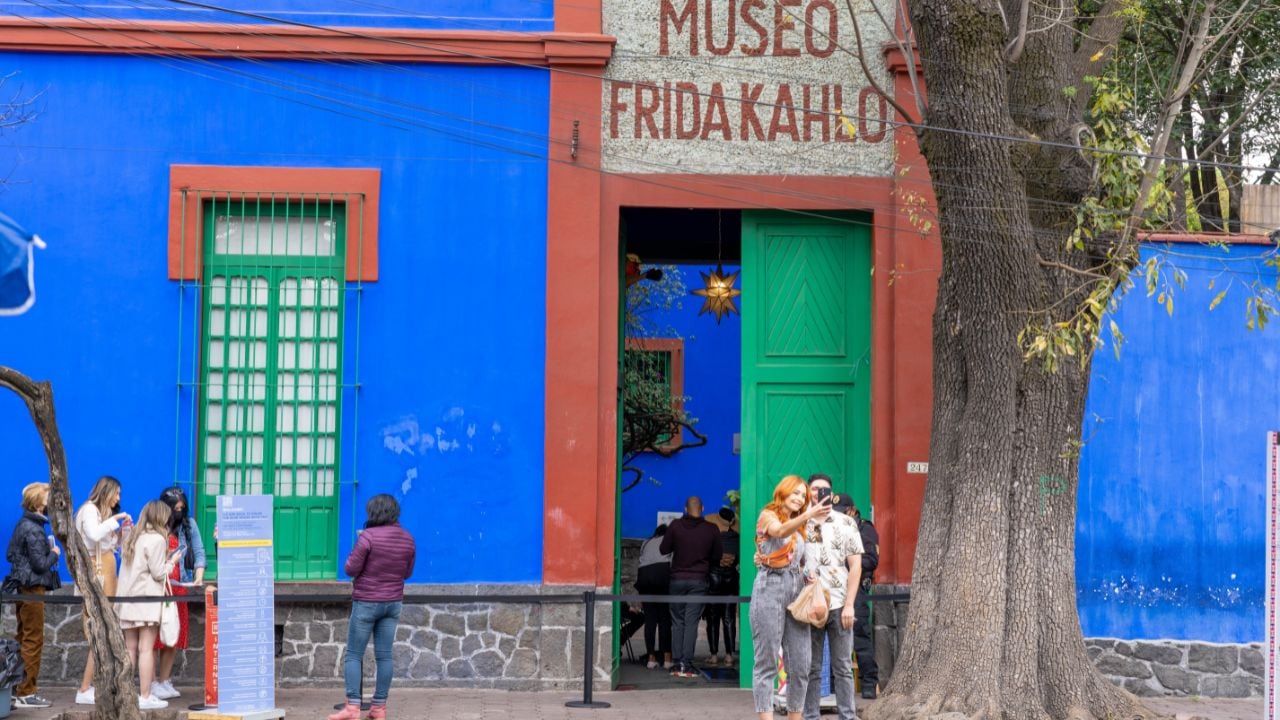
The Frida Kahlo Museum, also known as Casa Azul, is the neighborhood’s most famous stop. The museum says the Blue House is where visitors can learn about Kahlo’s life and work, and that Frida Kahlo and Diego Rivera made it their home from 1931 before it opened as the Casa Azul Museum in 1958.
Plan this stop before the weekend begins. The museum’s official visit page currently states that there are no in-person ticket sales, so visitors should arrange tickets online rather than arriving and hoping for the best. That single detail can save a frustrating Sunday.
After Casa Azul, leave time for Coyoacán itself. Walk toward the plazas, look for churros or another snack, sit at a café, or browse the market if the timing works. This part of the city is best when it is not treated only as the place where the museum happens to be.
By the time the weekend ends, Mexico City should feel less like an impossible giant and more like a place you have only started to taste. The route does not explain the whole capital, but it gives a first-timer the right pieces: food, history, art, trees, plazas, and enough unfinished business to justify coming back.