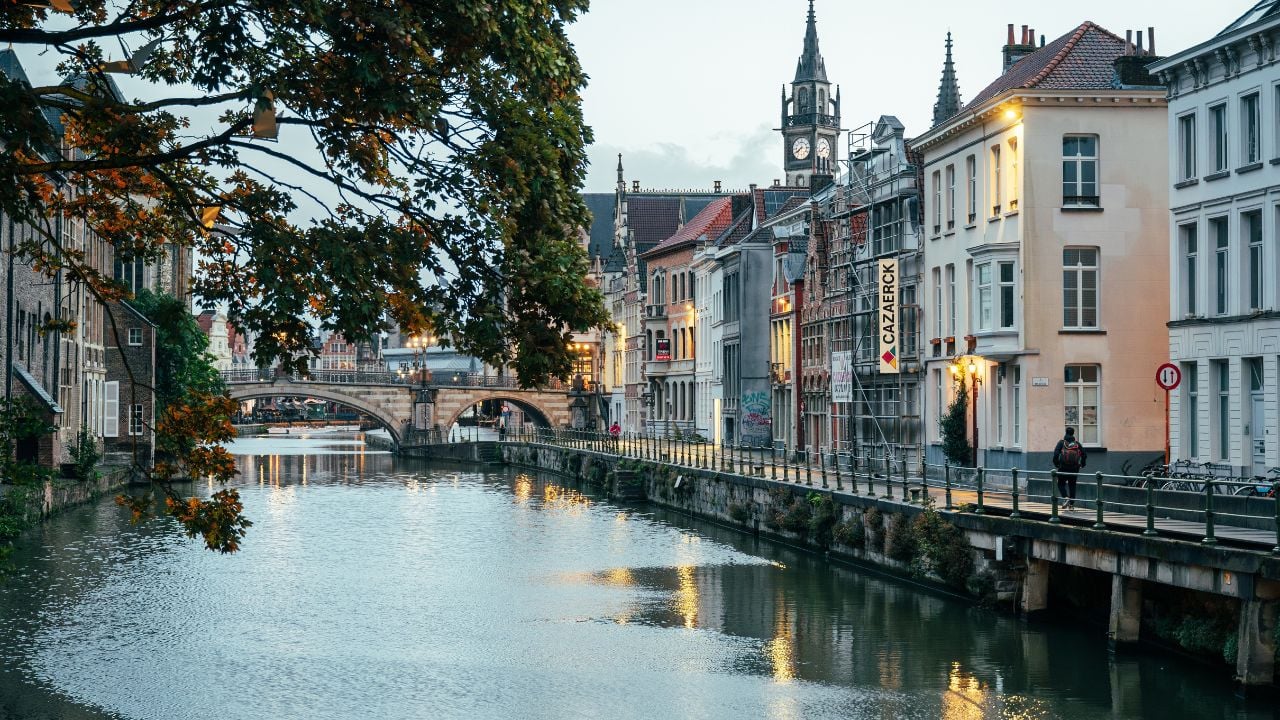
A city does not need to be huge to feel alive. Some of the best short breaks happen in places where cafés fill after class, trams pass through old squares, gallery doors stay open into the afternoon, and dinner does not require a military plan three weeks in advance.
The five cities below have movement without the punishment of a major capital. They are busy enough to keep the day interesting, but still small enough for visitors to walk, stop, change direction, and sit down without feeling as if the whole trip is slipping away.
They are good for travelers who want museums, markets, music, food, old streets, student noise, waterfronts, fortress views, and evenings that actually feel like evenings. The best parts are not hidden behind complicated logistics. They are out in the streets, at café tables, beside rivers, under towers, and inside neighborhoods where people are clearly still living their own lives.
A few days in these cities can feel surprisingly full: one serious cultural stop, one long meal, one view from above, one square that looks better after dark, and enough ordinary movement to make the place feel real.
1. Brno, Czechia
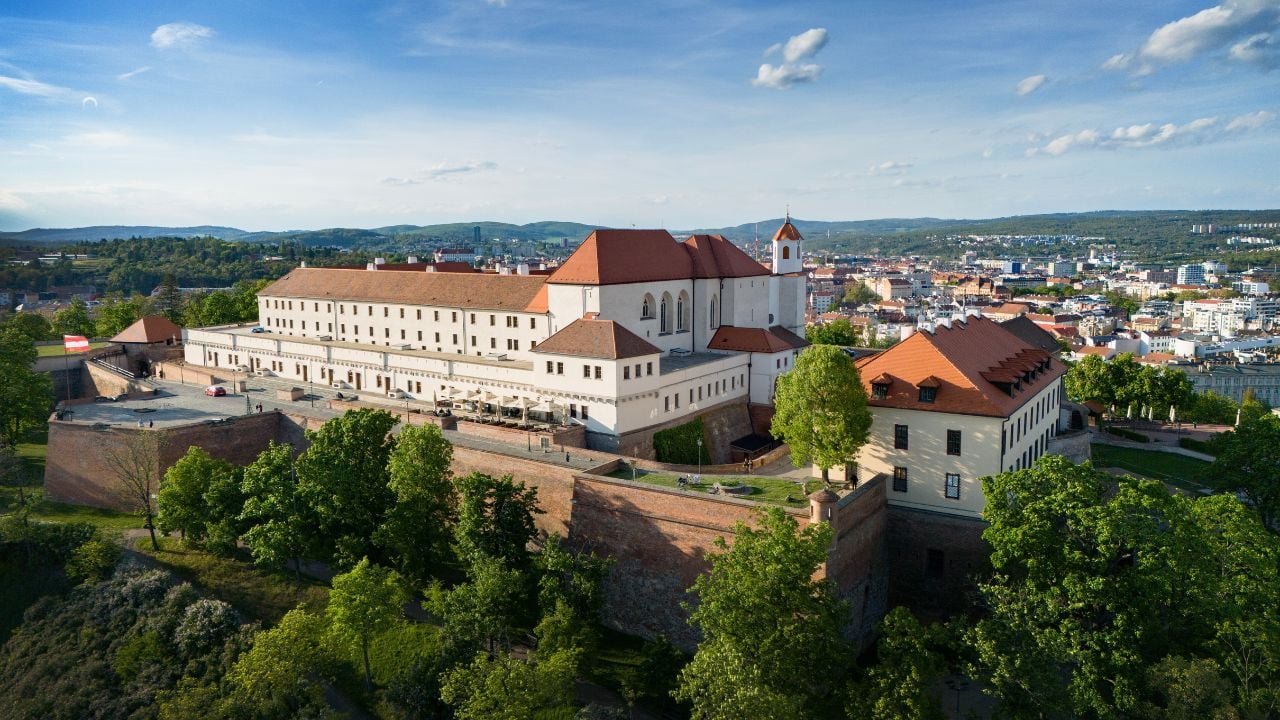
Brno has the sound of a city that is busy but not frantic. Trams ring through the center, students crowd into cafés with laptops and half-finished drinks, and the squares keep filling and emptying without the heavy tourist choreography of Prague. The buildings are not all polished into one perfect postcard, which is part of the appeal. Brno feels used, lived in, and a little rough around the edges in a good way.
Villa Tugendhat sits in Černá Pole, away from the louder old-town streets. UNESCO describes it as a pioneering work of modern 20th-century residential architecture, and the house still feels startling because of how clean and open it looks against the rest of the city. Glass, garden views, pale surfaces, and controlled lines create a quiet contrast to the pubs, tramlines, and street chatter below.
Brno changes character quickly. One hour can belong to modernist architecture and careful design; the next can be all beer glasses, food smells, bar doors, and voices spilling onto the pavement. Freedom Square gives the center an easy meeting place, but the smaller streets around it are often better for noticing the city: a poster for a gig, a small gallery, a bakery window, a tram stop full of students, a pub that looks too full and somehow still has room.
Špilberk Castle rises above that everyday movement. From the hill, the city spreads out in rooftops, church towers, apartment blocks, trees, and tramlines. The view is not only pretty; it shows how Brno is put together, with old defenses above a city that now feels young, social, and practical.
A good night in Brno does not need much decoration. A crowded table, local beer, something hot to eat, and a late walk past tram tracks can be enough. The city has serious architecture when you want it, but it also knows how to stay loose after dark.
2. Aarhus, Denmark
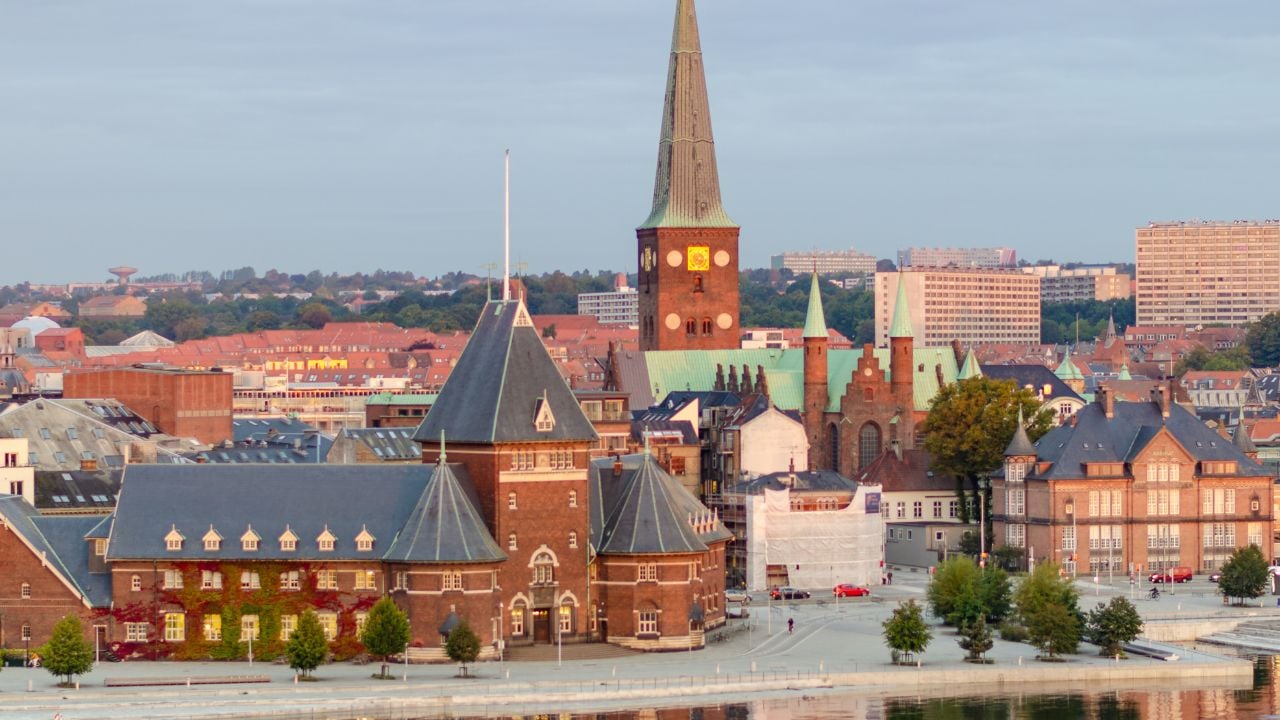
Aarhus has cold sea air, bakery warmth, student movement, clean design, and old streets that never feel trapped in the past. Bicycles move through the center, café windows glow early, and the waterfront keeps pulling the city toward glass, wind, and open sky. It is polished, but not precious.
The Latin Quarter brings the older part of Aarhus close to the ground. VisitAarhus describes it as the city’s oldest and one of its most charming areas, with small shops, coffee spots, and cozy restaurants. In the streets, that means low windows, narrow lanes, small signs, people leaning over outdoor tables, and the smell of coffee and pastry cutting through the sharper air.
ARoS adds color in the most literal way. From the rainbow panorama, the city turns red, yellow, green, and blue through the glass, and Aarhus suddenly looks less orderly and more playful. Den Gamle By pulls visitors into a different version of the city, with old houses, shopfronts, streets, and interiors that make local history feel physical rather than distant.
The harbor changes the day again. Aarhus Ø brings water, modern apartments, broad skies, and a feeling that the city is still being built in front of you. The shift from the Latin Quarter to the museums to the waterfront does not feel like three separate trips. It feels like Aarhus showing different faces within the same walkable city.
What stays after a few days is not one single landmark. It is the combination: a cinnamon smell from a bakery, a cold gust near the harbor, a museum color still stuck in your head, a quiet old street, and a dinner that feels calmer than it would in a bigger capital.
3. Ghent, Belgium
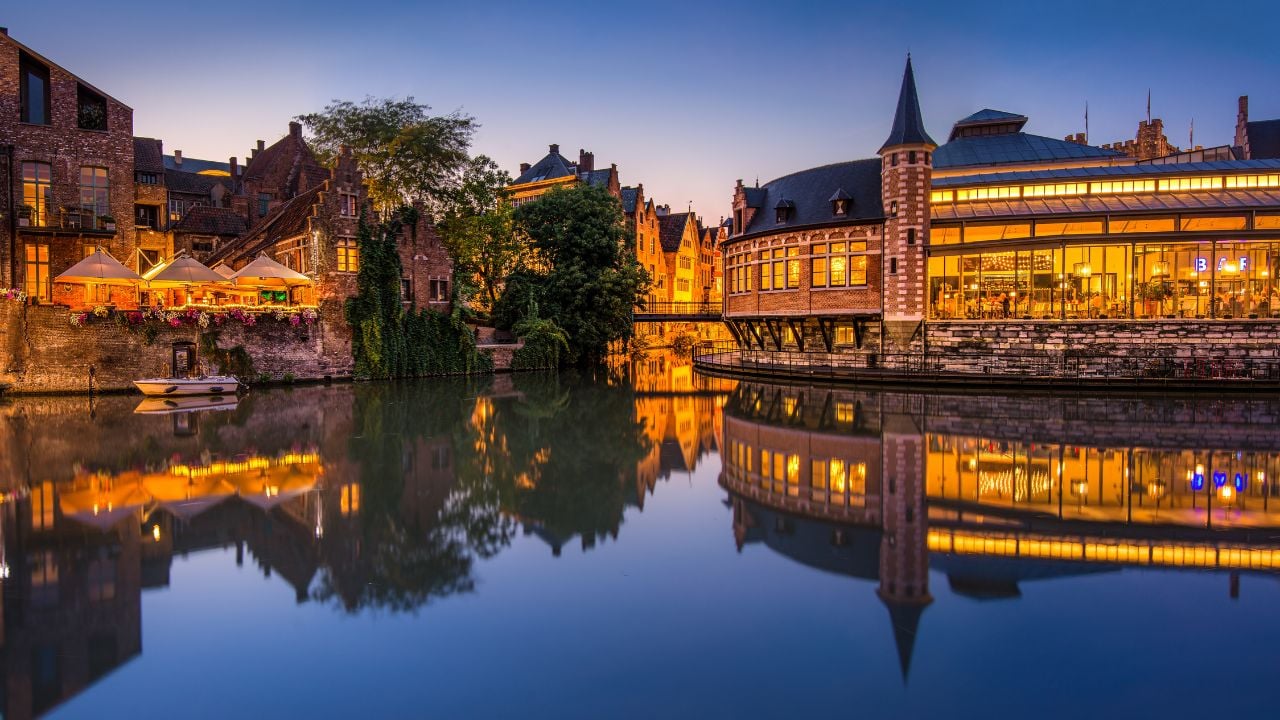
Ghent has medieval drama without museum silence. Canals cut through the center, bridges collect small crowds, restaurant lights stretch across the water, and towers rise above streets that still belong to bicycles, students, bars, and late dinners. The city looks historic, but it does not behave like a preserved exhibit.
Visit Gent notes that the Belfry once kept the city privileges locked in a chest in the tower safe. That old civic weight is still visible in the skyline, but the streets around the tower are full of normal movement: people carrying shopping bags, groups deciding where to eat, bikes slipping through gaps, and visitors stopping on bridges for one more photo.
Ghent becomes especially good near the water. The canals do not simply decorate the center; they change the way people use it. Quays become dining rooms, bridges become meeting points, and old facades look softer when their reflections start moving after sunset. A dinner by the canal can feel like the whole city has quietly rearranged itself around the table.
The student side keeps the old streets from feeling too neat. A calm afternoon square may be noisy by evening. A bar door opens and the sound rolls into a lane. People sit outside longer than planned, because the city seems to get warmer after dark even when the air does not.
Ghent is a strong short break because it does not ask visitors to choose between beauty and fun. You can look up at towers, eat fries, drink Belgian beer, sit near the canal, and still feel the old city around you without treating it like a formal assignment.
4. Novi Sad, Serbia
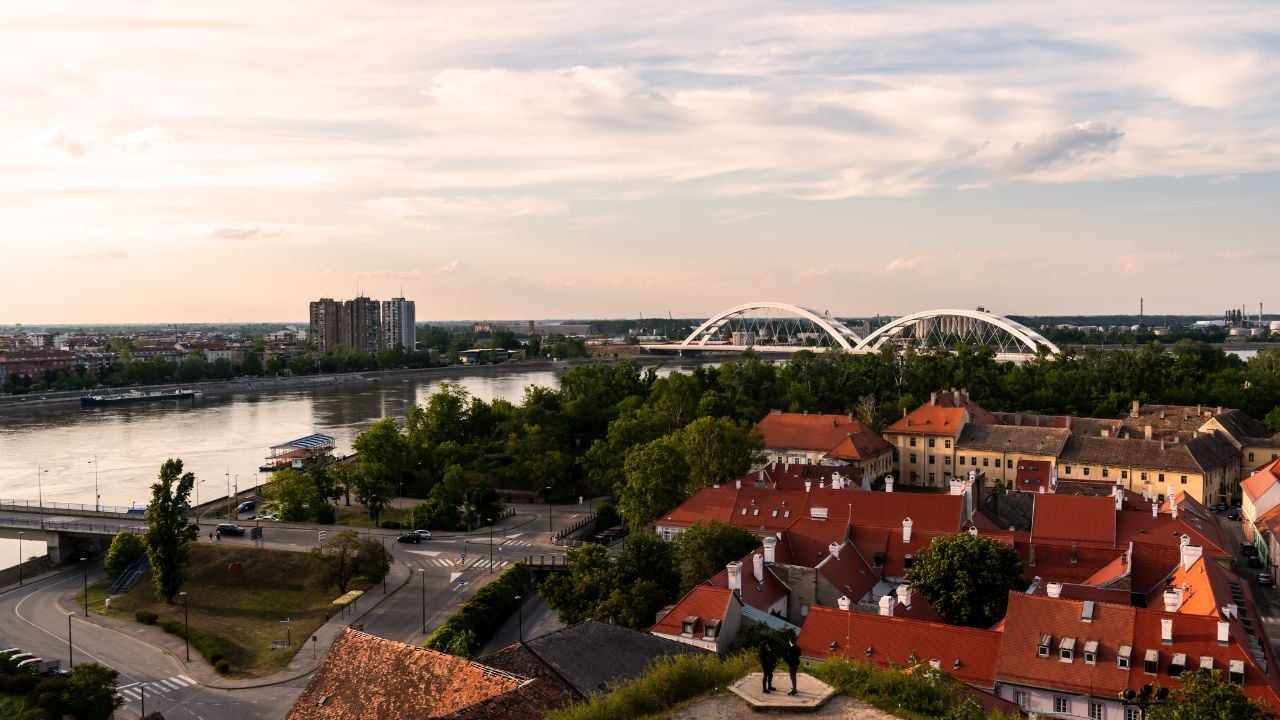
Novi Sad has a softer Danube pace than many visitors expect from a city break. The center has pastel facades, pedestrian streets, church towers, galleries, cafés, and that Vojvodina feeling of wide streets and unhurried meals. People do not seem to fight the city here. They sit in it, walk through it, and let the day stretch.
Across the river, Petrovaradin Fortress gives the city its great stone counterweight. Novi Sad Tourism says the fortress was built from 1692 to 1780, covers 112 hectares, and includes 10 gates, 12,000 loopholes, and sites for 400 cannons. Those numbers sound oversized until you stand on the fortress terraces and see how much space the Danube, walls, and lower city occupy together.
The fortress still feels active. Couples come for sunset, groups gather near the clock tower, tables fill when the view is good, and during EXIT Festival the old military site becomes one of Europe’s most recognizable music venues. On quieter days, the stone paths, tunnels, terraces, and river views give the place a slower kind of life.
Back across the river, Zmaj Jovina and Dunavska carry much of the center’s easy movement. Café terraces, boutiques, pale facades, street musicians, and gallery stops keep the walk social without making it frantic. Food and wine from the wider Vojvodina and Fruška Gora area give the evening a deeper local flavor than a quick fortress photo would suggest.
Novi Sad feels alive because people are visibly out in it: crossing squares, walking by the Danube, climbing to the fortress, lingering outside cafés, drifting between galleries, and staying late when the weather is kind.
5. Montpellier, France
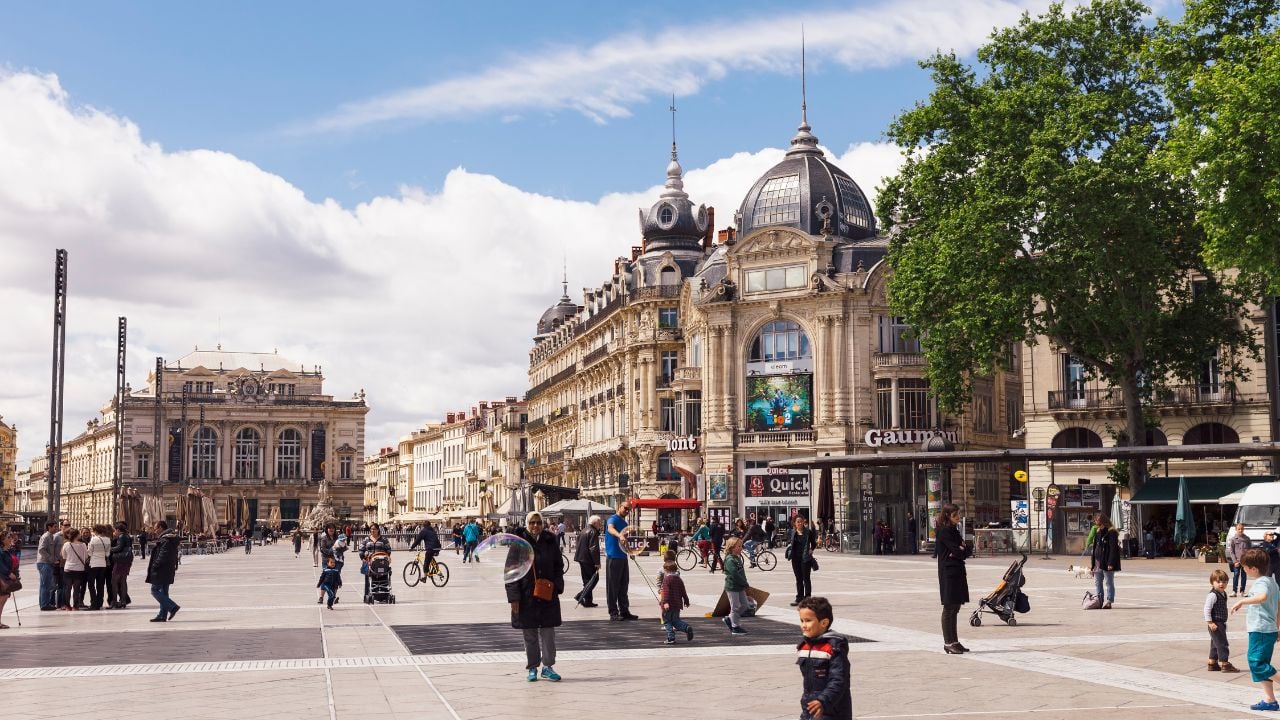
Montpellier opens wide at Place de la Comédie before pulling visitors into the shade of the old center. Trams glide past café terraces, buskers work the open space, people cross in every direction, and the Opéra Comédie gives the square its formal face. A few minutes away, the Écusson tightens into lanes of warm stone, shutters, boutiques, doorways, and small squares where the afternoon feels cooler.
Montpellier’s tourism office describes Place de la Comédie as a symbol of the city’s 18th- and 19th-century prosperity, with the Opéra Comédie, an Italian-style theater from 1888, and the Three Graces fountain. It also calls the square one of Europe’s largest pedestrian complexes, which matches the way it feels underfoot: broad, busy, and constantly crossed by people with somewhere to go.
The Faculty of Medicine sits inside this older city fabric, near streets where students, visitors, and locals keep passing between cafés, bookshops, tram stops, and stone buildings. Montpellier’s tourism office says the Faculty of Medicine was created in the 12th century and is the oldest medical school established by a statutory charter still in operation. The fact feels stronger when it is not isolated from the street. Medieval academic history sits close to everyday noise, coffee, footsteps, and warm southern light.
Montpellier’s best movement is between open and narrow. Place de la Comédie gives space, sound, and sun; the Écusson gives cooler lanes, hidden squares, and old walls close enough to touch. The city can feel bright and social without becoming glossy in the way some Mediterranean destinations do.
By evening, the center keeps its heat. Restaurant tables fill, trams keep moving, and the old streets hold the day’s warmth in the stone. Montpellier has enough student life to stay lively and enough history to keep a casual walk from feeling thin.