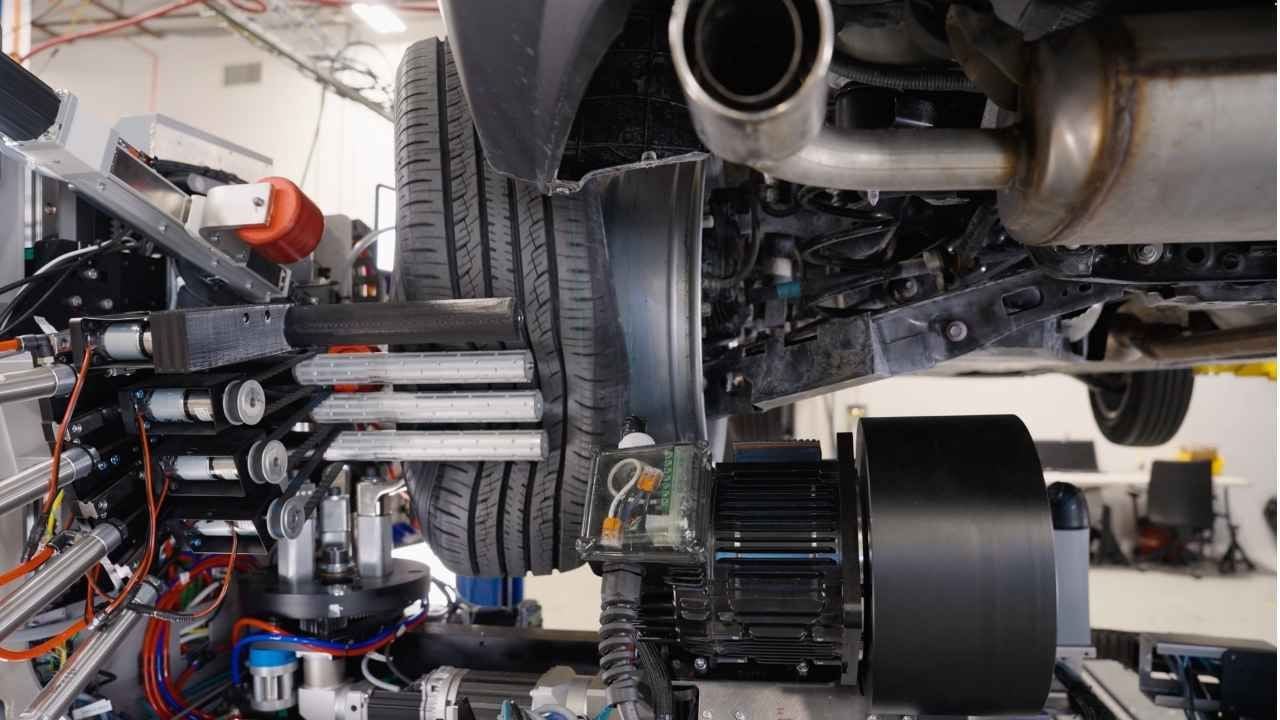
A new AI-powered tire-changing robot is being promoted as the future of automotive servicing, but it will probably be at the cost of jobs. SmartBay, developed by Boston-based Automated Tire Inc. (ATI), can change and balance tires with minimal human involvement. It reportedly allows one employee to oversee several service bays at the same time.
The company says the system solves technician shortages and speeds up service. Critics see something else. Automation creeping into another blue-collar trade once thought safe from Artificial Intelligence. The debate arrives as industries across the economy race to automate repetitive physical work.
A.I has already disrupted office jobs, customer service, and creative industries. Now robotics firms are targeting hands-on automotive labor. SmartBay can reportedly process around 24 tires per hour while reducing the number of technicians required on-site. ATI argues the system helps shops struggling to find workers. But many mechanics and online commenters believe it represents a direct threat to entry-level jobs that thousands rely on to enter the automotive industry.
Tire Shops Could Need Fewer Workers
ATI says SmartBay is designed to reduce physical labor inside service centers. The robotic system changes tires without removing the wheel from the vehicle and handles balancing automatically. Apparently. one technician can supervise up to three robotic bays at once.
That claim immediately raised concerns among technicians online. Critics argue that if one employee can manage multiple bays, shops may simply hire fewer people. Some Reddit users described the system as another example of automation replacing working-class jobs under the promise of efficiency. Others questioned whether businesses would pass any savings on to customers or workers.
The system is leased at roughly $4,900 per month, which ATI says can cost less than employing a dedicated tire technician when wages, benefits, and turnover are considered. But this comparison may overlook the importance of human labor in busy workshops, especially when unusual repairs or customer issues arise.
Some mechanics also believe ATI is overstating current labor times to justify automation. Several commenters claimed experienced tire crews can already replace and balance four tires in well under 30 minutes using conventional equipment. (reddit.com)
Automation Is Moving Into Skilled Trades
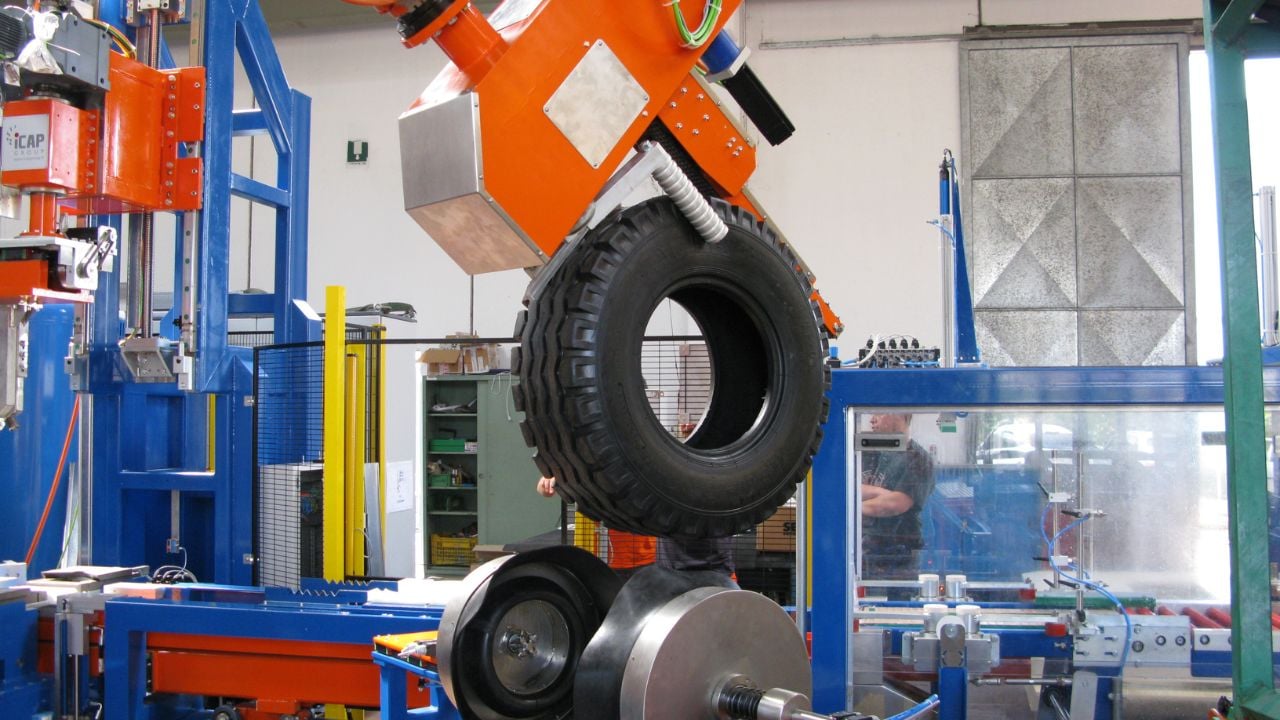
For years, many workers believed skilled manual trades would be harder to automate than office jobs. SmartBay challenges that assumption. The robot uses computer vision, AI software, and automated machinery to identify wheel sizes, remove tires, install replacements, and balance assemblies with limited human oversight.
The technology arrives during a major labor shortage in automotive servicing. Industry reports show repair shops across North America are struggling to recruit technicians fast enough to replace retiring workers.
Supporters of automation argue robots could handle repetitive tire work, while technicians focus on diagnostics and complex repairs. ATI CEO Andy Chalofsky has framed SmartBay as a solution to overwhelmed shops and missed appointments. But labor experts warn automation rarely stops with repetitive tasks. Once businesses invest heavily in robotics, pressure often grows to reduce staffing further to maximize savings.
Questions Remain About Reliability and Safety
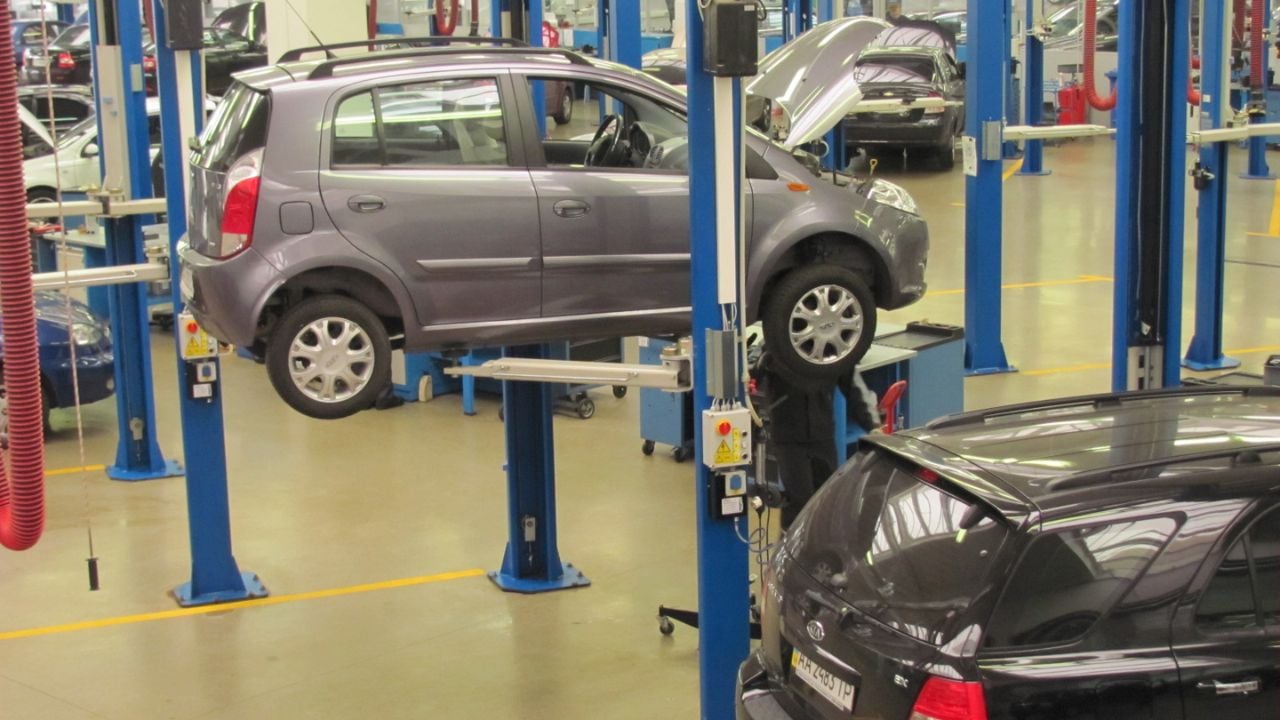
Beyond the employment concerns, some technicians are questioning whether SmartBay is ready for real-world use. ATI says the system currently supports tires between 14 and 24 inches, excluding many oversized truck and off-road setups.
Critics have also questioned how the robot handles unusual situations, damaged components, or balancing problems that experienced mechanics often spot during manual work. Some mechanics argue removing the wheel entirely gives technicians a better chance to inspect suspension and brake parts for wear or damage. (reddit.com)
There are practical concerns too. If one employee oversees several robotic bays at once, a single absence or system malfunction could shut down multiple service lanes simultaneously. Others have questioned repair costs and maintenance requirements for the machines themselves.
Even so, SmartBay reflects a broader shift happening across industries. Automation is no longer limited to factory production lines. It is increasingly entering physical trades once considered resistant to AI, raising new questions about how quickly technology could reshape blue-collar work over the next decade.