Honda is changing course in its global strategy and will put renewed focus on next-generation gasoline and hybrid vehicles over the next three years.
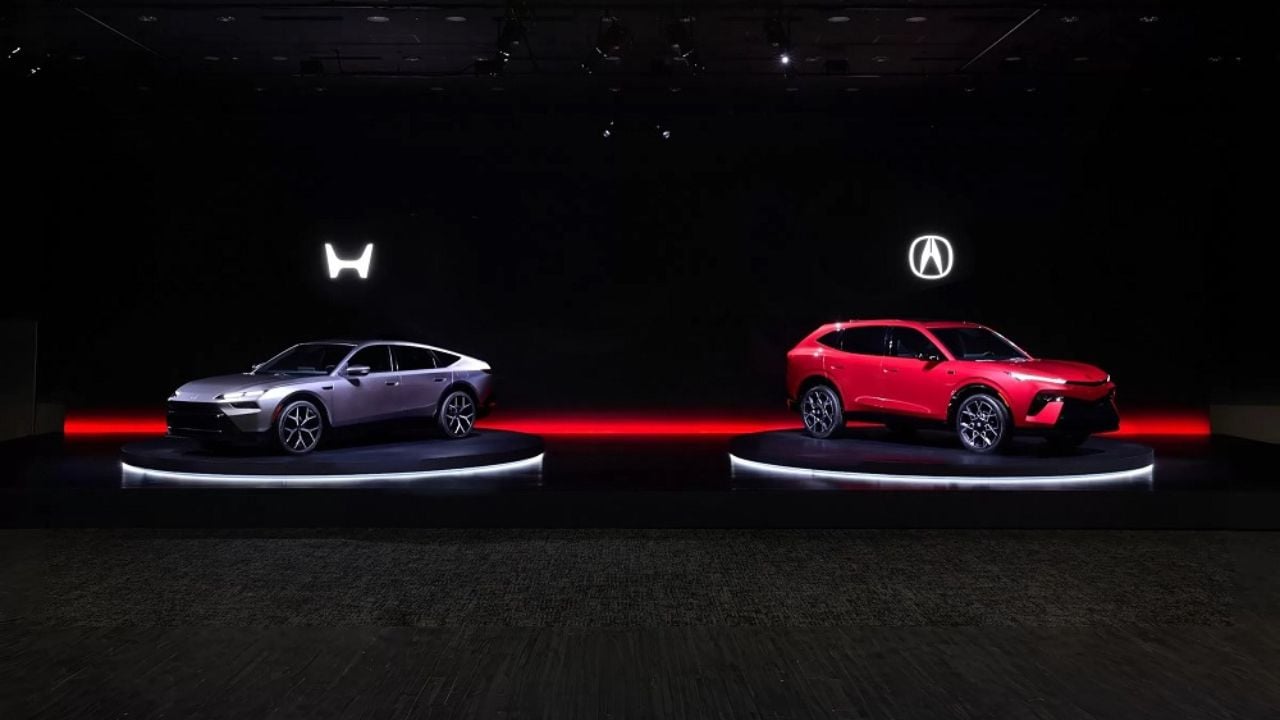
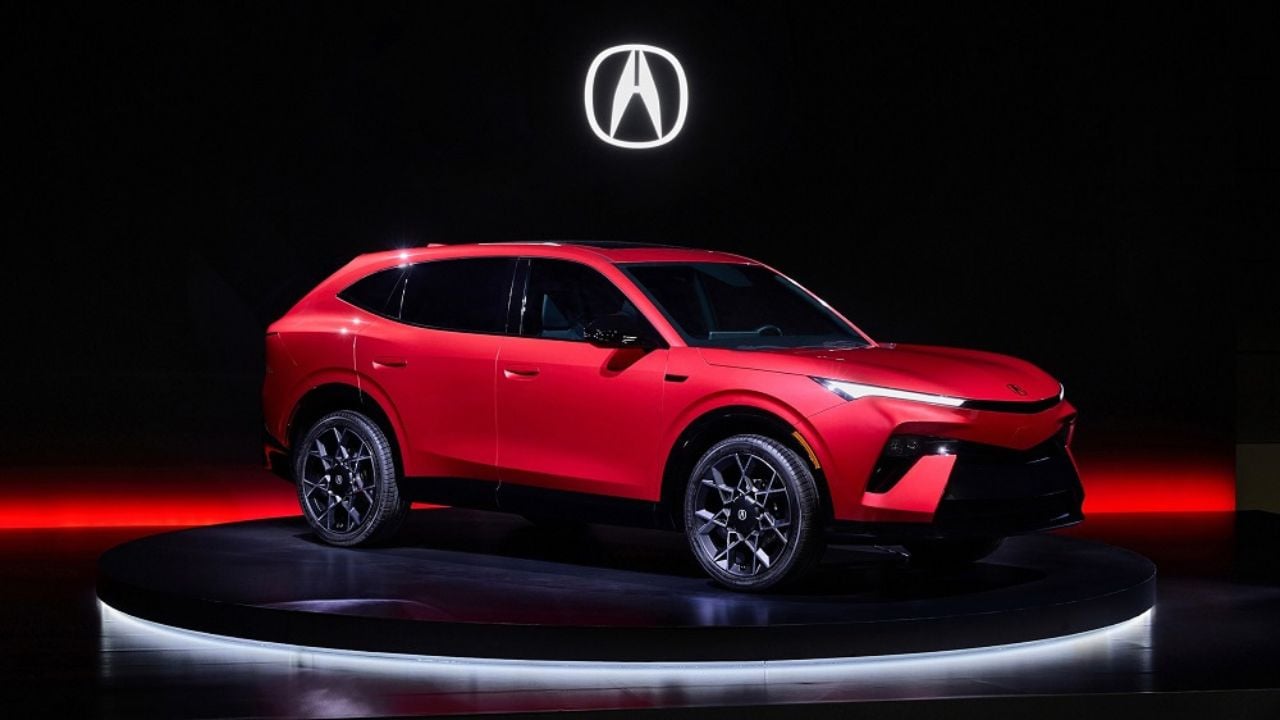
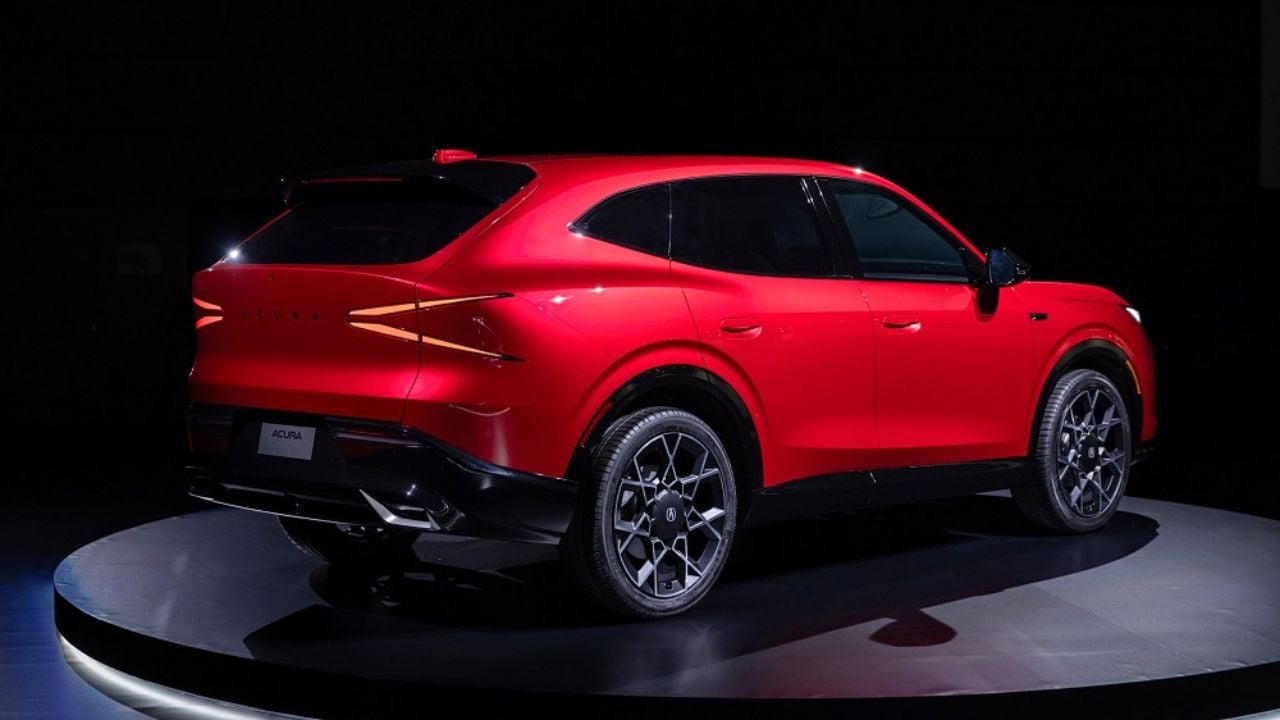
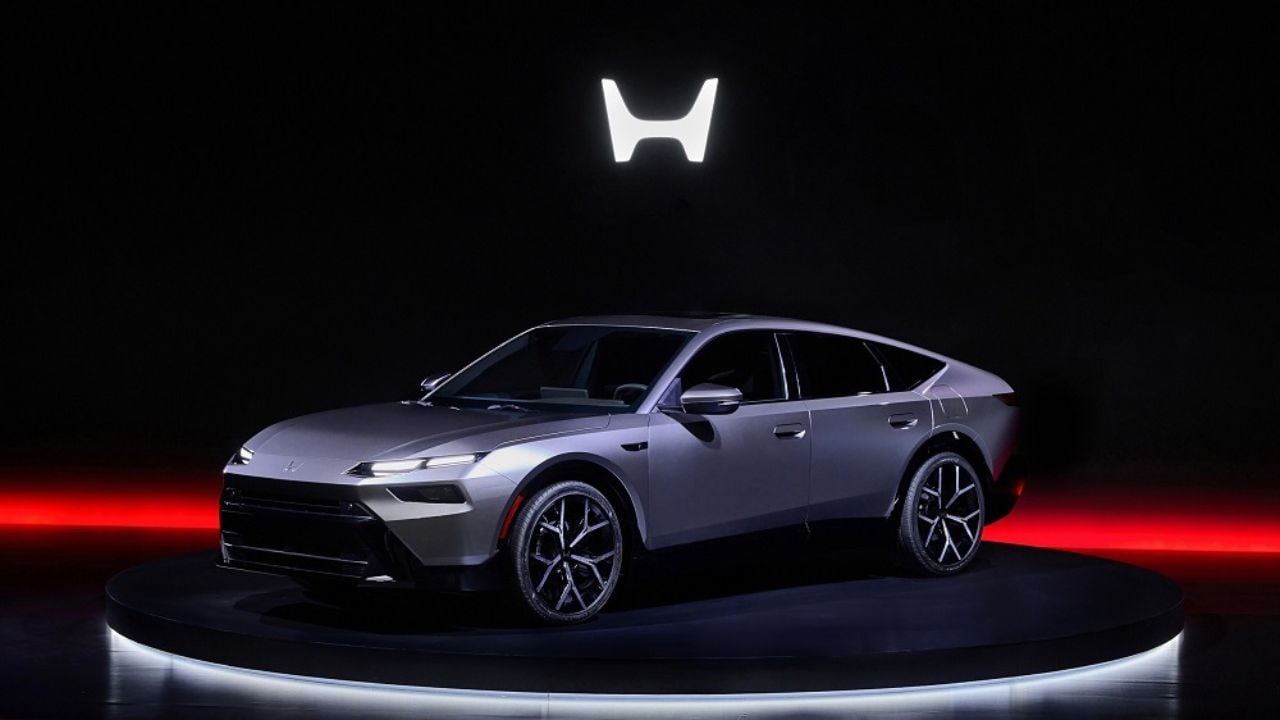
The Japanese automaker has shown its first prototypes from this new phase, including a midsize fastback wearing Honda badging and a luxury Acura crossover.
Together, they effectively confirm that Honda’s EV push is no longer the company’s main priority, at least in North America.
Instead, Honda is returning to the kinds of gasoline and hybrid vehicles that still have strong demand in the United States, Canada, and other important markets.
Honda Steps Back From Its EV Push
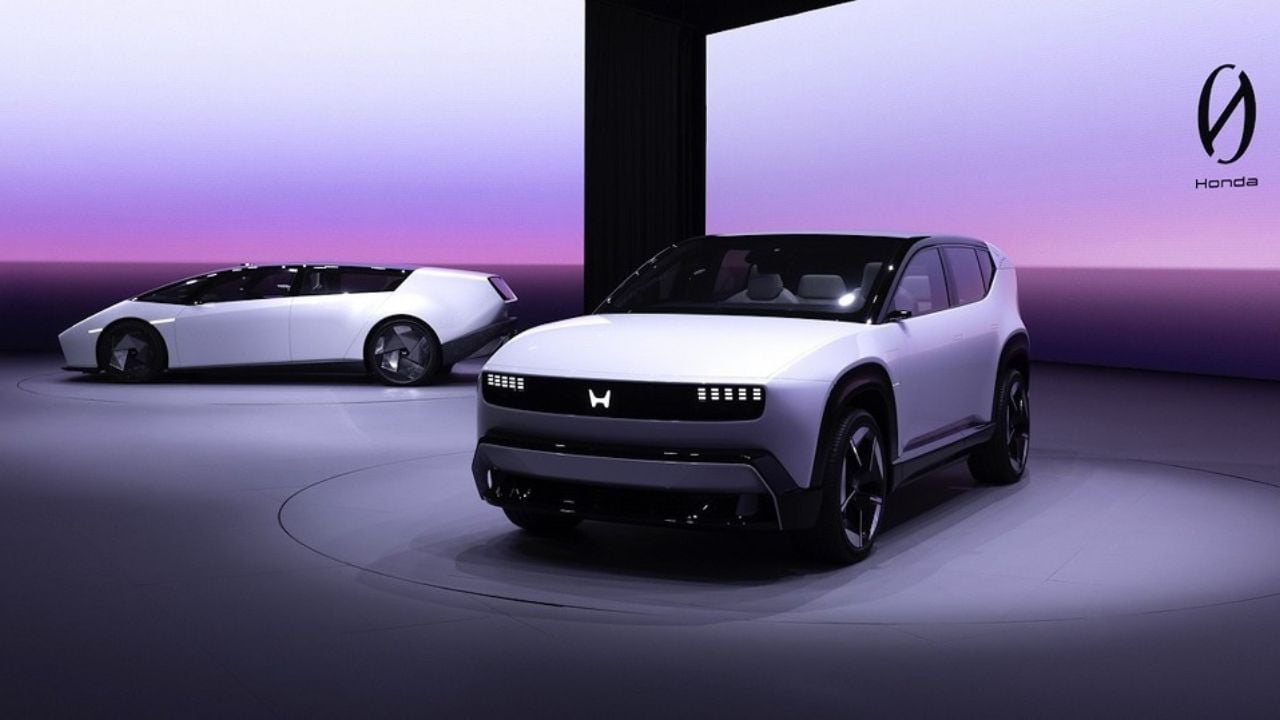
After major financial losses and an unsuccessful EV strategy, Honda decided in March to stop development of its own electric models for the U.S. and Canadian markets. The Honda 0 SUV, 0 Saloon, and Acura RSX projects were canceled only a few months before their planned production start at the company’s plant in Ohio.
That facility will now be adapted for assembly of new gasoline and hybrid models instead of EVs. The Afeela project, developed through Honda’s partnership with Sony, has also been dropped, meaning those ambitious electric models will not reach series production in North America.
Honda is now choosing a safer path. Instead of expensive EVs with uncertain market demand, the company plans to launch 15 new hybrid models by 2029, with many of them aimed directly at American buyers.
New Hybrids Will Carry The Strategy
Honda has not yet released full details about its next-generation hybrid systems. However, the company says production costs will be reduced by 30%, while efficiency will improve by about 10%.
That shows Honda is trying to find a better balance between fuel economy, reasonable pricing, and long-term profitability. Many rivals are struggling with that same challenge as the industry adjusts to slower than expected EV demand.
The Honda fastback and Acura crossover prototypes were clearly developed with North American buyers in mind. The fastback brings a more aerodynamic shape with a lower roofline, while the Acura concept adds a more luxurious and athletic look with sharper lighting and a stronger front end.
Production versions are expected during the next two years.
Honda Wants Faster Development And Lower Costs
Honda is also planning a major reorganization of vehicle development. The company wants to cut the time needed to develop new models in half and improve production efficiency by 20%.
Specific technical details have not been released yet, but the direction is clear. Honda wants to react more quickly to market changes now being shaped by Chinese brands and aggressive competition in the EV segment.
The company will invest about $39.5 billion to carry out the new strategy. Most of that money will go toward new gasoline and hybrid vehicles, while additional investment will support software technology and IT operations.
Only a small portion of the budget will be directed toward EVs.
EVs Remain Part Of The Plan
Honda is not completely leaving the EV segment, but it no longer appears to be the center of the company’s future. The focus will depend heavily on the market.
North America, Japan, and India have been identified as key regions for future growth. India will receive special attention, including one of the few surviving projects from the former Honda 0 Series plan, a compact electric crossover aimed at that market.
China remains important as well, but Honda will take a different approach there. Instead of developing its own EVs for China, the company will work with local partners and use their platforms.
All future Honda models for China will fall under the NEV category, which includes EVs and plug-in hybrids. The new strategy shows Honda choosing a more pragmatic path at a time when many automakers are slowing their EV plans because of high costs and weaker demand.
This article originally appeared on Autorepublika.com and has been republished with permission by Guessing Headlights. AI-assisted translation was used, followed by human editing and review.