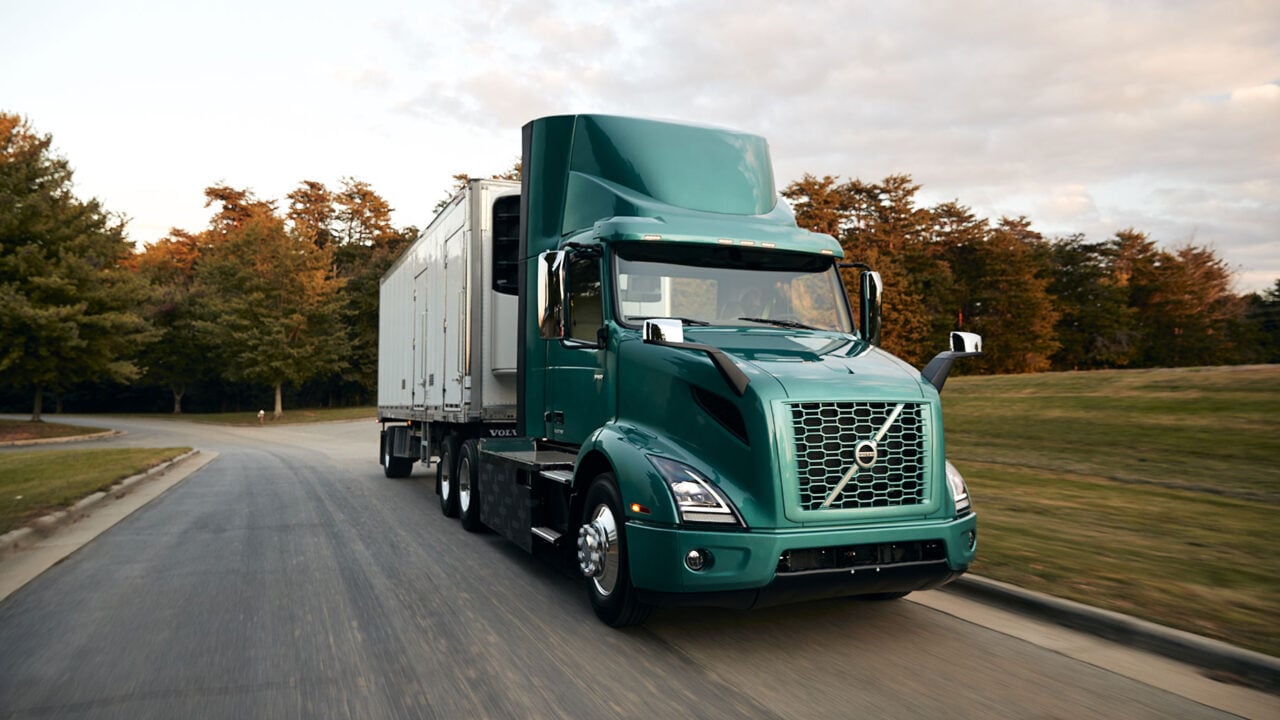
California is doubling down on commercial vehicle electrification with a massive new incentive program aimed at accelerating adoption of electric medium- and heavy-duty trucks. Governor Gavin Newsom recently announced a $1 billion initiative that will provide point-of-sale rebates ranging from $7,500 to as much as $120,000 per truck, depending on the vehicle class and application.
The program is designed to support everything from local delivery vans to long-haul Class 8 semi-trucks. State officials see the rebates as a way to maintain momentum for zero-emission transportation even as federal EV incentives face political uncertainty and possible rollbacks.
Despite the scale of the incentives, the economics surrounding electric heavy-duty trucks remain difficult for many fleet operators. Battery-powered commercial vehicles continue to carry significantly higher upfront costs than their diesel-powered counterparts, even after applying the largest available subsidies.
That gap is raising questions about how quickly the commercial trucking industry can realistically transition to electrification without placing additional financial pressure on businesses, supply chains, and consumers.
Electric Trucks Still Carry Massive Price Premiums
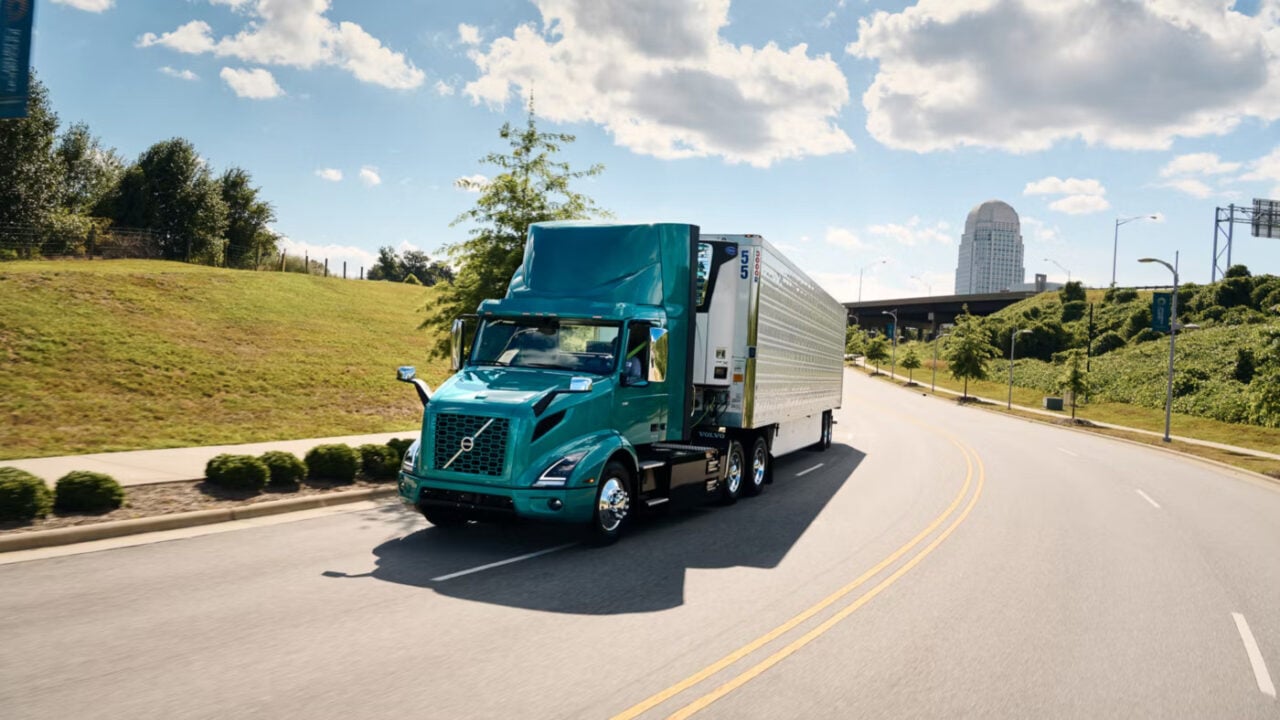
The biggest challenge facing electric trucking remains acquisition cost. A conventional diesel-powered Class 8 semi typically costs between $150,000 and $180,000, depending on specifications and fleet requirements.
Comparable battery-electric trucks are operating in a completely different pricing category. Models such as the Freightliner eCascadia and Volvo VNR Electric can reach prices between $400,000 and $450,000 before incentives are applied.
Even when a buyer qualifies for California’s maximum $120,000 rebate, the final transaction price for an electric semi can still land well above $280,000. For many independent operators and private fleets, that remains difficult to justify against a diesel alternative that costs substantially less upfront and benefits from mature fueling infrastructure.
Fleet operators also have to account for charging investments, potential downtime, route planning limitations, and battery replacement concerns over the long term. Those added considerations make the transition more complicated than simply comparing fuel savings.
California’s Incentive Strategy
California’s latest initiative reflects the state’s broader effort to position itself as the national leader in clean transportation policy. Regulators have already implemented aggressive emissions rules targeting commercial fleets, ports, and freight corridors.
The rebate program is intended to soften the financial impact of those regulations while helping manufacturers scale production volumes. State officials argue that early investment is necessary to lower future costs and reduce transportation-related emissions in densely populated areas.
The funding structure is closely tied to California’s Low Carbon Fuel Standard system. Under the program, fuel producers with higher carbon emissions are required to purchase compliance credits, generating revenue that can then be directed toward clean-energy initiatives and vehicle incentives.
Supporters view the strategy as a long-term investment in public health and emissions reduction. Critics, however, argue that those added compliance costs eventually flow downstream to consumers through higher fuel prices and increased transportation expenses.
Consumers Could Feel the Ripple Effects

Commercial trucking costs influence nearly every part of the economy, especially in a state as large and logistics-dependent as California. When fleet operating expenses rise, companies often pass those costs along through higher prices on goods and services.
That concern has become central to criticism surrounding the electric truck push. Skeptics argue that requiring businesses to adopt significantly more expensive vehicles could increase shipping costs across retail, grocery, and delivery sectors.
At the same time, California drivers already face some of the highest fuel prices in the United States. Opponents of the program claim the state’s carbon credit systems and environmental mandates contribute to that burden, particularly for working-class households and small businesses.
Supporters counter that cleaner freight transportation could eventually reduce health costs tied to pollution exposure in heavily trafficked areas near ports and highways. They also point to declining battery costs and improving charging infrastructure as reasons the market could become more competitive over time.
A Defining Test for Commercial EV Adoption
California’s rebate program represents one of the most aggressive state-level commercial EV investments in the country. The initiative highlights how governments are increasingly moving beyond regulation alone and directly subsidizing industries they want to accelerate.
Whether the program succeeds may ultimately depend on how quickly electric truck pricing falls over the next several years. If manufacturers can lower production costs while improving range, charging speed, and operational efficiency, the rebates could help establish a viable long-term market.
If prices remain stubbornly high, however, critics are likely to argue that even billion-dollar incentives cannot fully bridge the economic gap between diesel and electric commercial vehicles. For now, California is betting heavily that large-scale public investment can speed up the transition before the market is ready to do it on its own.