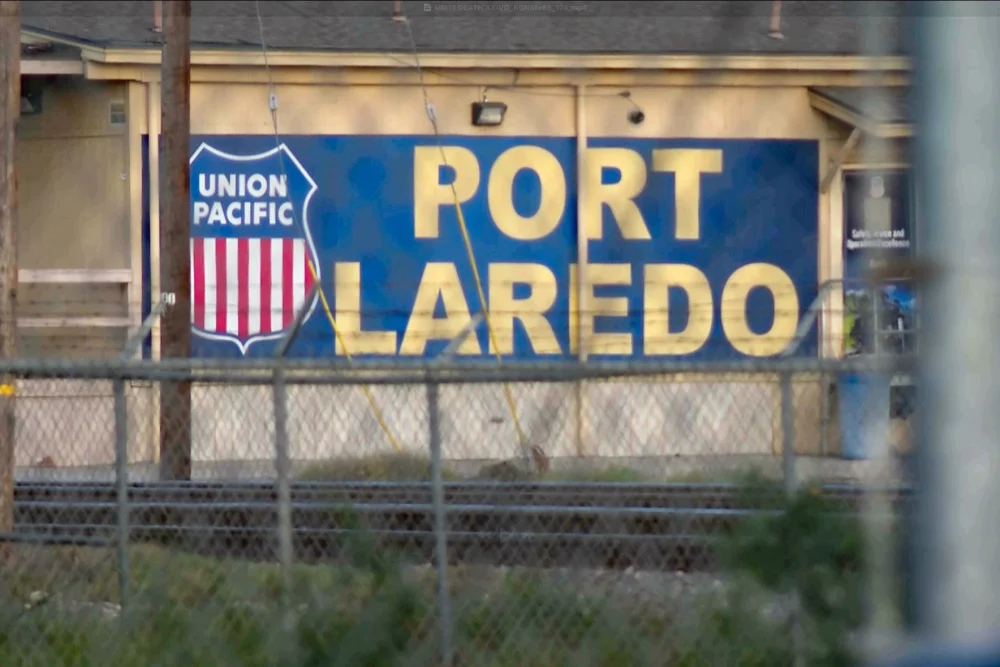
A grim discovery inside a Union Pacific freight car in Laredo, Texas, has sent shockwaves through South Texas and reignited a painful national conversation about the human cost of illegal border crossings. Six people, including a 14-year-old child, were found dead inside a sealed boxcar on Sunday, and now authorities know exactly what killed them.
The Webb County Medical Examiner’s Office has confirmed that all six victims died from heatstroke. They were identified as five males and one female, ranging in age from 14 to 56. Three were from Mexico, and three were from Honduras. Authorities have not yet publicly released their names, but the story of how they ended up inside that railcar is starting to come together.
Laredo Mayor Victor Trevino, himself a physician, addressed reporters Thursday with raw emotion and a clear sense of moral urgency. He called the discovery “heartbreaking” and made one thing crystal clear: “We are demanding justice for these lives lost. It doesn’t matter where they came from.” That kind of direct, human-first language from a local official sets the tone for just how deeply this tragedy has rattled the community.
This is not just a border story. It is a story about desperation, exploitation, and the brutal reality that those who profit from smuggling people across borders are not in the business of keeping anyone safe. The victims trusted someone to get them somewhere better. Instead, they were loaded into a metal box and left to die.
How Six People Ended Up Dead Inside a Railcar
The sequence of events is as troubling as it is tragic. The Union Pacific train departed Long Beach, California, on May 7 and arrived in Del Rio, Texas, on May 9. According to preliminary findings from Laredo Police Chief Miguel Rodriguez, that is where the six individuals were placed inside the boxcar.
From Del Rio, the train moved through San Antonio and continued on to Laredo, where a Union Pacific employee eventually made the grim discovery and called police. By the time anyone found them, the heat inside that car had already done its worst. A sealed metal container sitting under the Texas sun is essentially an oven, and there was no way out.
Local police have made clear they believe this was part of a human smuggling operation, and they have looped in the Department of Homeland Security. Federal officials are now leading the broader investigation.
A Seventh Death May Be Connected
The tragedy may not end at six. On Monday, a seventh person was found dead near railroad tracks in San Antonio, roughly along the same route the train had traveled. Investigators have not confirmed whether that death is linked to the Laredo case, but Chief Rodriguez acknowledged the possibility is very much on the table as that investigation continues.
If confirmed as connected, it would paint an even darker picture of what happened along this rail corridor, and raise serious questions about how many people may have been loaded into that train and under what conditions.
What This Incident Tells Us About Human Smuggling
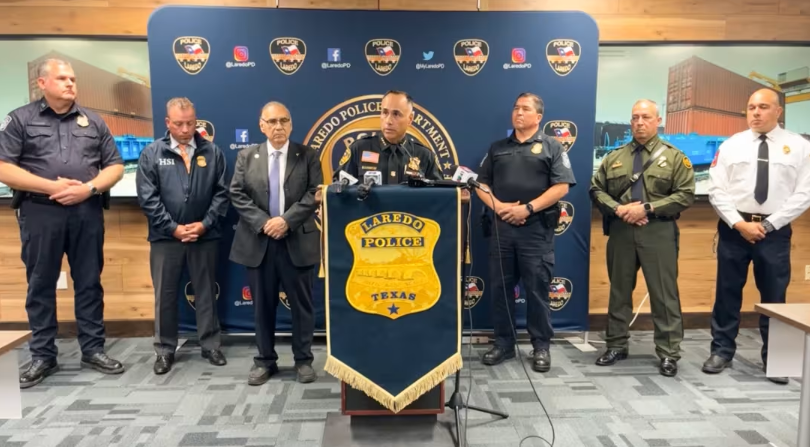
What happened in that boxcar is a textbook example of why smuggling operations are so dangerous, and why the people running them are so indifferent to the lives they are being paid to move. Mayor Trevino, speaking partly in Spanish to make sure his message reached as wide an audience as possible, put it plainly: smugglers do not care about your safety. They will put you in a life-threatening situation without a second thought.
The 14-year-old victim alone should stop everyone cold. A child. Traveling inside a freight car. In Texas heat. That is not a risk a desperate family takes lightly. It is a risk they take because they feel they have no other option, and because someone convinced them it would work out.
This case also highlights a gap that law enforcement faces regularly: freight trains carry enormous volume across thousands of miles of track, and there is no routine check for stowaways inside sealed cargo cars. By the time someone is found, it is often already too late.
What We Can Learn From This Tragedy
Incidents like this one carry lessons that go beyond the immediate headlines. For one, the route matters. Del Rio has long been a high-traffic corridor for border crossings, and the fact that smugglers used a freight train heading through San Antonio and Laredo suggests they were betting on the cargo going undetected for days.
Second, heat is the deadliest and most underestimated threat in these situations. Heatstroke can kill within hours, and a sealed metal boxcar in May in Texas can reach temperatures well above 120 degrees Fahrenheit. No amount of determination or physical fitness protects you from that.
Third, and perhaps most importantly, Mayor Trevino’s public plea deserves to be taken seriously. He urged anyone considering an illegal crossing to wait for legal pathways instead. “We understand the desire for a better life,” he said, “but do not come here illegally.” That message, delivered in both English and Spanish, was not political posturing. It came from a doctor who understands what heat does to a human body and a mayor who does not want to hold another press conference like this one.
Six people, none of them criminals, none of them deserving of the fate they met, paid the ultimate price for trusting the wrong people. That is the real story here.