
More than ten years after Dieselgate first exploded into one of the biggest scandals in automotive history, Volkswagen is still paying the price. The company continues to face legal action, financial penalties, and regulatory scrutiny around the world as new cases tied to emissions cheating keep emerging.
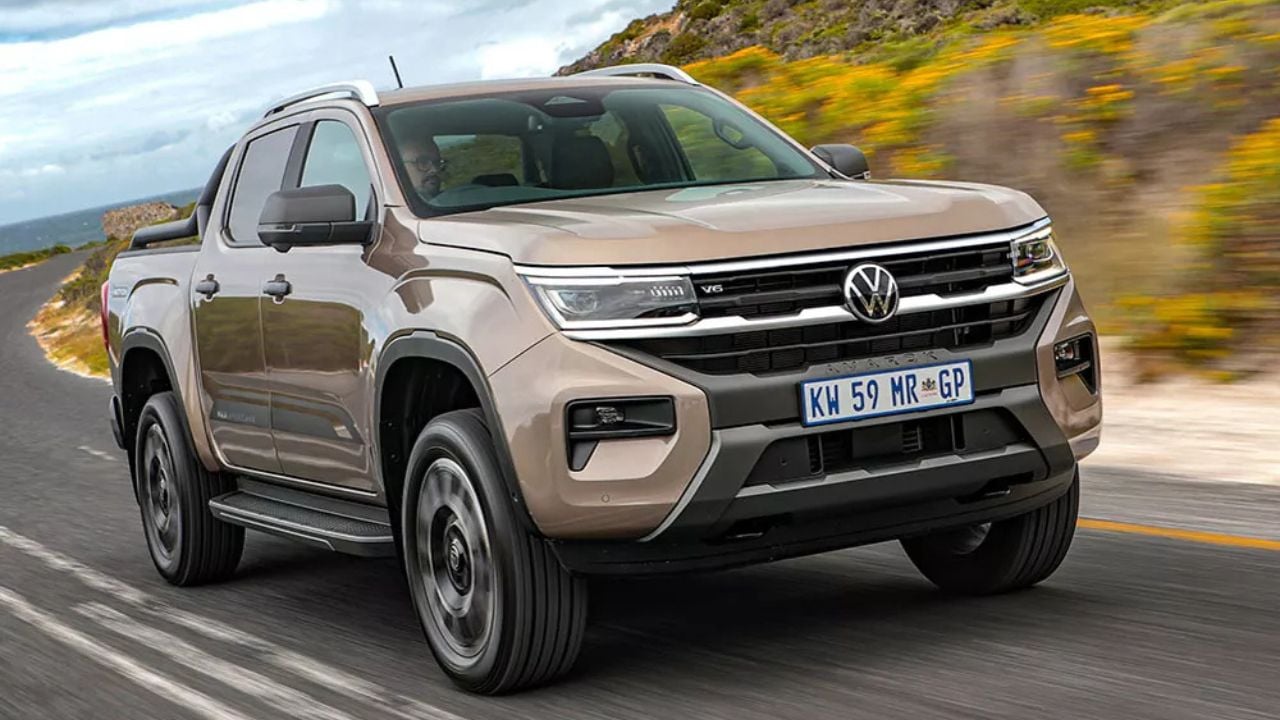
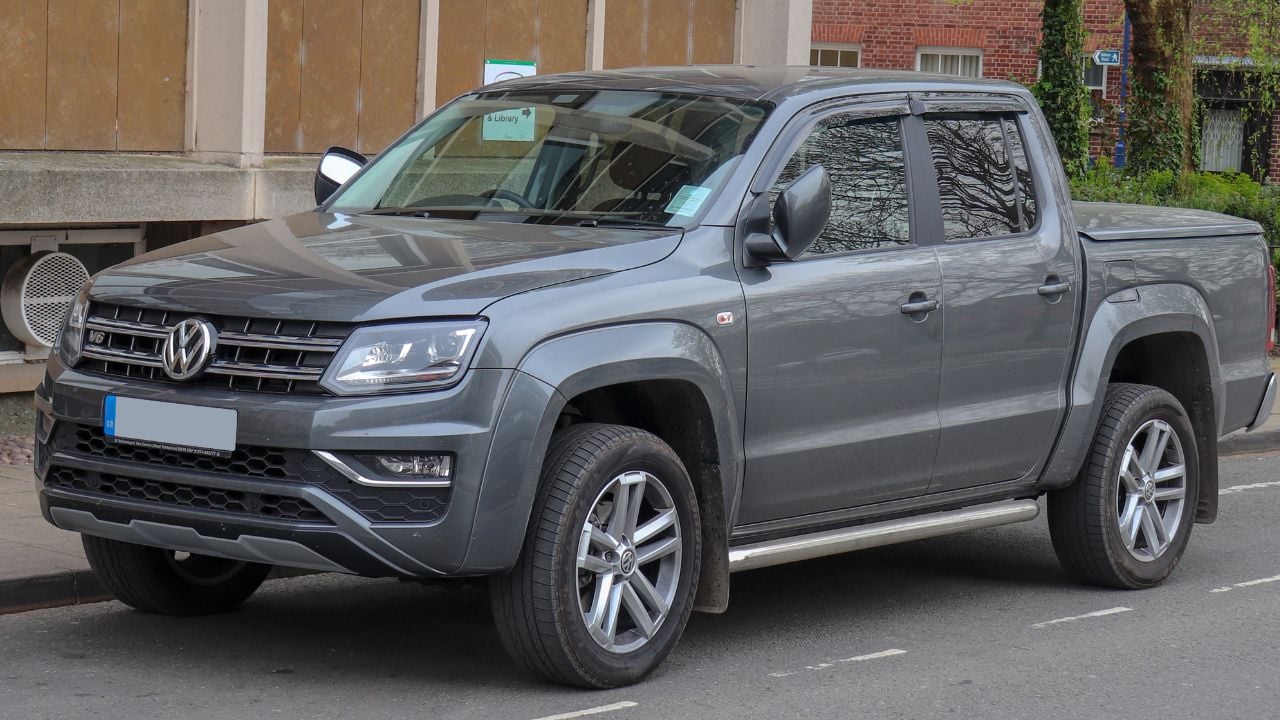
The latest development comes from Brazil, where Volkswagen has been hit with another multimillion-dollar fine over diesel-powered Amarok pickup trucks allegedly equipped with emissions-cheating software. Even after billions spent on settlements and repairs globally, the scandal’s long shadow clearly has not disappeared.
The timing is particularly awkward for Volkswagen because the automaker is simultaneously preparing to face trial in France over alleged emissions violations involving nearly one million vehicles across multiple VW Group brands. What once looked like a contained crisis from the mid-2010s continues resurfacing in new markets and courtrooms.
At the same time, the broader diesel passenger car market has dramatically collapsed since the scandal first broke in 2015. Tightening emissions regulations, electrification, and damaged consumer trust have fundamentally reshaped the industry, leaving diesel cars increasingly marginalized across much of the world.
Brazil Has Become The Latest Dieselgate Battleground
A Brazilian court recently fined Volkswagen 15 million reals, equivalent to roughly $3 million, over allegations tied to first-generation Amarok pickups sold between 2011 and 2012. Prosecutors claim the vehicles used software capable of recognizing emissions testing conditions and temporarily reducing pollution output to pass regulatory standards.
The accusations closely mirror the original Dieselgate scandal uncovered by the U.S. Environmental Protection Agency in 2015. That investigation revealed Volkswagen had installed defeat-device software in millions of diesel vehicles globally to manipulate emissions tests while allowing substantially higher nitrogen oxide emissions during normal driving.
Brazilian authorities say more than 17,000 Amarok pickups may have been affected. Reports also indicate prosecutors are seeking to increase the penalty further, while Volkswagen still retains the ability to appeal the ruling.
Although the financial amount itself is relatively modest compared to the enormous penalties Volkswagen has already paid elsewhere, the case reinforces how Dieselgate continues to generate legal consequences years after the original scandal broke.
Volkswagen Is Still Facing Legal Pressure In Europe
Brazil is far from the only place where Dieselgate remains active. French prosecutors recently confirmed Volkswagen will stand trial in France over emissions allegations involving nearly one million vehicles sold under the Volkswagen, Audi, Skoda, and Seat brands.
The continuing legal actions demonstrate how difficult it has been for Volkswagen to fully move past the scandal. Even after leadership changes, massive settlements, and a major corporate push toward electrification, the company continues to confront unresolved cases across multiple countries.
Dieselgate has already cost Volkswagen tens of billions of dollars globally through fines, vehicle buybacks, customer compensation, and legal settlements. The scandal also triggered criminal investigations and led to the departure of several high-ranking executives over the years.
The broader industry was affected as well. Other automakers, including Mercedes-Benz, later faced emissions investigations and settlements tied to diesel vehicles, highlighting how regulatory scrutiny intensified industry-wide after Volkswagen’s original deception was uncovered.
Diesel Passenger Cars Continue To Decline
Perhaps the biggest long-term consequence of Dieselgate has been the collapse of diesel’s reputation in the passenger vehicle market. Before 2015, diesel cars represented roughly half of all new vehicle sales in Europe, largely due to their fuel efficiency and long-range capabilities.
Today, diesel passenger cars account for less than 10% of new vehicle sales in many European markets. Consumer demand has steadily evaporated as governments introduced stricter emissions regulations and automakers accelerated investment into hybrid and electric vehicles.
Several industry executives now openly question whether diesel passenger cars even have a meaningful long-term future. Some analysts believe the fuel could largely disappear from mainstream consumer vehicles within the next decade, outside of specialized commercial applications.
While diesel powertrains still offer advantages for heavy-duty trucks, towing, and long-distance commercial work, electrification is beginning to challenge diesel even in those traditionally dominant segments.
Volkswagen Is Trying To Move Forward
Volkswagen has spent the years since Dieselgate aggressively repositioning itself around electrification and software-focused future products. The company now markets itself as one of the industry’s biggest EV investors, with ambitious plans for electric platforms, battery production, and digital vehicle technology.
In many ways, Volkswagen’s EV push has become partially tied to rebuilding its corporate image after Dieselgate severely damaged public trust. The scandal permanently altered how regulators, consumers, and investors view the company.
Still, despite Volkswagen’s efforts to move into a new era, the legal and financial consequences of Dieselgate continue resurfacing. Every new fine or court case serves as another reminder that the scandal’s impact never fully disappeared.
Even as diesel itself slowly fades from passenger car lineups around the world, Dieselgate continues to follow Volkswagen wherever it goes.