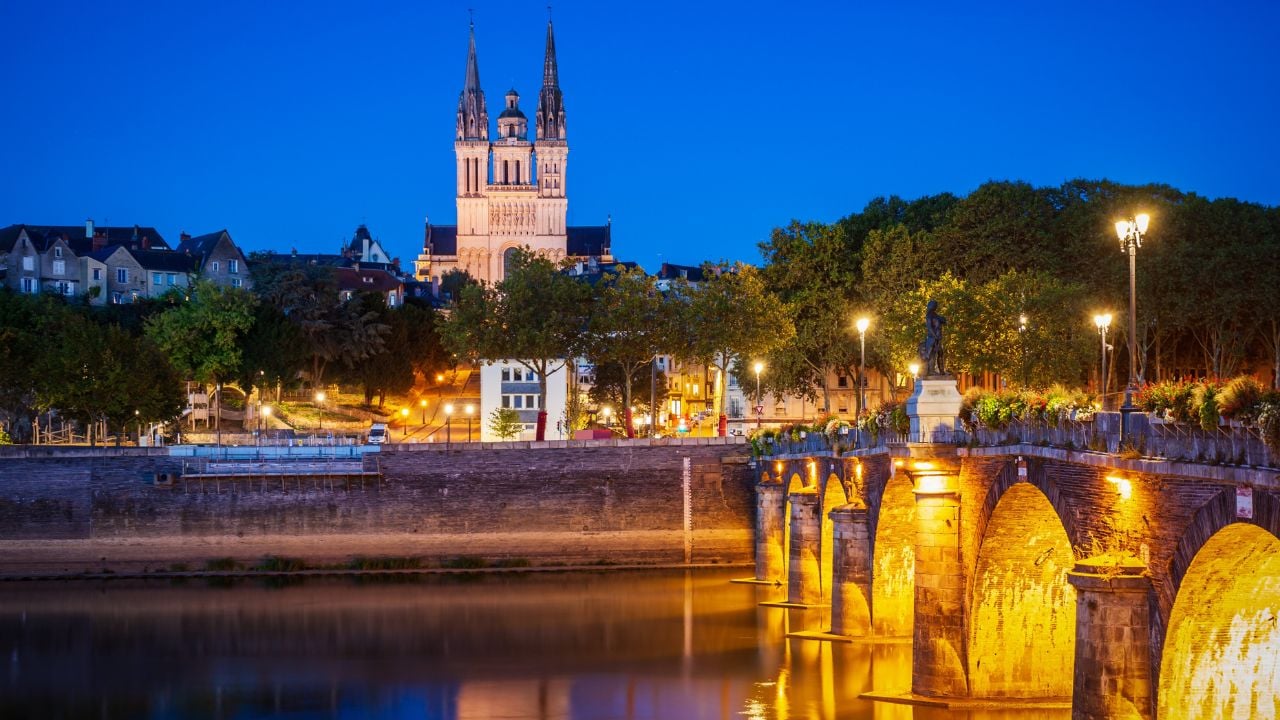
Some trips get better when you stop filling every hour. A tight plan can make even a beautiful place feel like work, while a looser day leaves room for the stuff people actually remember later: a quiet lane, a table by the water, a bakery window, a castle view, or one street you only found because you took the wrong turn.
The six places below still have proper sights. There are castles, palaces, old towns, rivers, museums, and UNESCO-listed corners worth seeing. But they are not places where the whole day needs to be controlled from breakfast to dinner.
Choose one or two main stops, then leave the rest of the day open. Walk slowly, sit down when the view is good, and do not treat every detour like wasted time.
That is when these destinations are at their best. They give you enough structure to feel like a real trip, but enough breathing room for the smaller moments to take over.
1. Nafplio, Greece
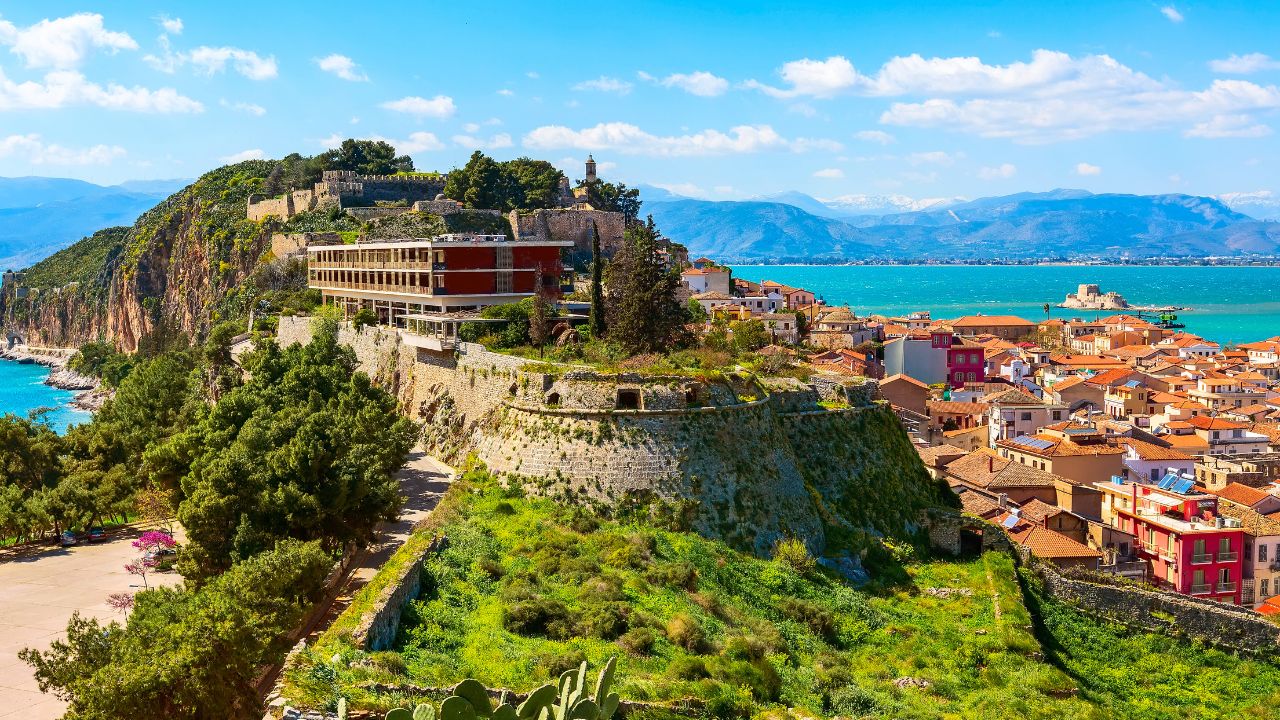
Nafplio is easy to enjoy before you have planned anything properly. Walk into the old town and the first few minutes already give you cobbled lanes, balconies, small shops, café tables, and sea air moving between the buildings. The harbor is close enough that the water keeps appearing at the end of streets, which makes wandering feel natural instead of aimless.
Visit Greece says Nafplio was the first capital of the newly born Greek state between 1823 and 1834. The town also carries Venetian, Ottoman, and neoclassical layers, so the streets do not all feel the same. One corner has elegant mansions and balconies, another has tighter old lanes, and then suddenly you are back near the port looking at Bourtzi in the water.
Palamidi Castle is the climb everyone talks about, and for good reason. It stands 216 meters above sea level, and Visit Greece notes the famous 999 steps carved into the rock. Go early if the weather is warm, take the steps slowly, and use every pause as an excuse to look back over the town, the rooftops, and the Argolic Gulf.
Bourtzi gives Nafplio its postcard scene from the harbor. The small Venetian fortress sits on the islet of Agioi Theodoroi, close enough that it feels like part of the town’s daily view rather than a distant monument. In summer, boats run from the port, so it can be a short ride on the water instead of a full-day plan.
Leave the Arvanitia Promenade for the end of the day. The walk runs below the rocky side of Akronafplia, with the sea on one side and cliffs on the other. After the castle climb and the old town streets, that quieter stretch by the water gives Nafplio the kind of ending a short trip needs.
2. Mantua, Italy

Mantua has the calm of an Italian art city surrounded by water. The historic center does not throw you straight into traffic and noise. It gives you piazzas, arcades, church facades, palace walls, and lake views close enough that the day can move between art and open air without much effort.
Italy’s national tourism site describes Mantua as one of the country’s major art cities, built around three lakes supplied by the Mincio River. It is also tied to Virgil and the Gonzaga family, which explains why the city feels so rich for its size.
Start in the old center and let the squares slow you down. Piazza Sordello has the kind of scale that makes you stop before entering anything. Piazza delle Erbe brings arcades, cafés, and a more everyday rhythm. Walk between them, look at the facades, then head toward the water when the stone starts feeling heavy.
Palazzo Ducale is the main event, and it is enormous. The official palace site says the complex covers about 35,000 square meters and has more than 1,000 rooms, while Italia.it calls it the largest architectural museum complex in Italy. Do not treat that as a challenge. Pick the parts you care about, take your time, and accept that one visit will not swallow the whole place.
After the palace, go outside and let Mantua become quiet again. Walk toward the lakes, sit near the water, or return through the old streets as the light changes. The best part of Mantua is the contrast: one hour you are inside Gonzaga history, and the next you are watching the city soften around the lakes.
3. Kaunas, Lithuania
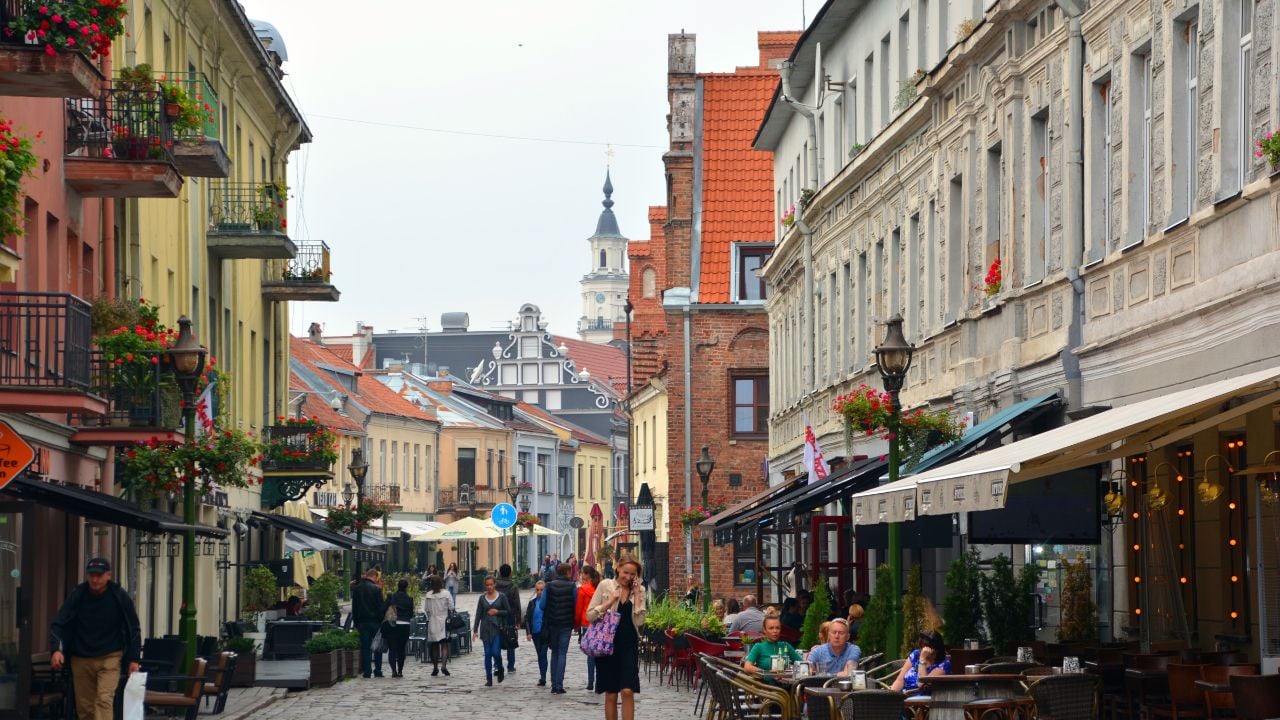
Kaunas is a city where a normal walk can turn into an architecture hunt. Slow down in Naujamiestis or Žaliakalnis and the details start appearing: rounded balconies, clean interwar lines, old apartment blocks, staircases, public buildings, and corners that look different from the usual old-town postcard.
UNESCO says Modernist Kaunas reflects the rapid transformation of a provincial town into Lithuania’s provisional capital between the First and Second World Wars. The listed areas include Naujamiestis and Žaliakalnis, with public buildings, urban spaces, residences, and several architectural styles tied to the Modern Movement.
That history is useful, but the walk itself is the reason to care. Look up at balconies, windows, stairwells, and curved corners. Notice how many buildings seem designed to announce a city that wanted to look modern quickly. Kaunas rewards that kind of attention more than a rushed route from one monument to another.
Then go somewhere stranger. The Devils’ Museum is one of those stops that makes a trip easier to remember because it is not the museum you expected to find. Lithuania Travel says the museum has around 3,000 devil-themed exhibits from around the world, including artworks, souvenirs, and masks.
Leave time between the architecture and the museum for the city streets themselves. Kaunas has murals, café corners, long avenues, and odd details that are easy to miss if you move too fast. A good day here can be modernist buildings in the morning, devils in the afternoon, and one unplanned walk that ties the whole thing together.
4. Angers, France
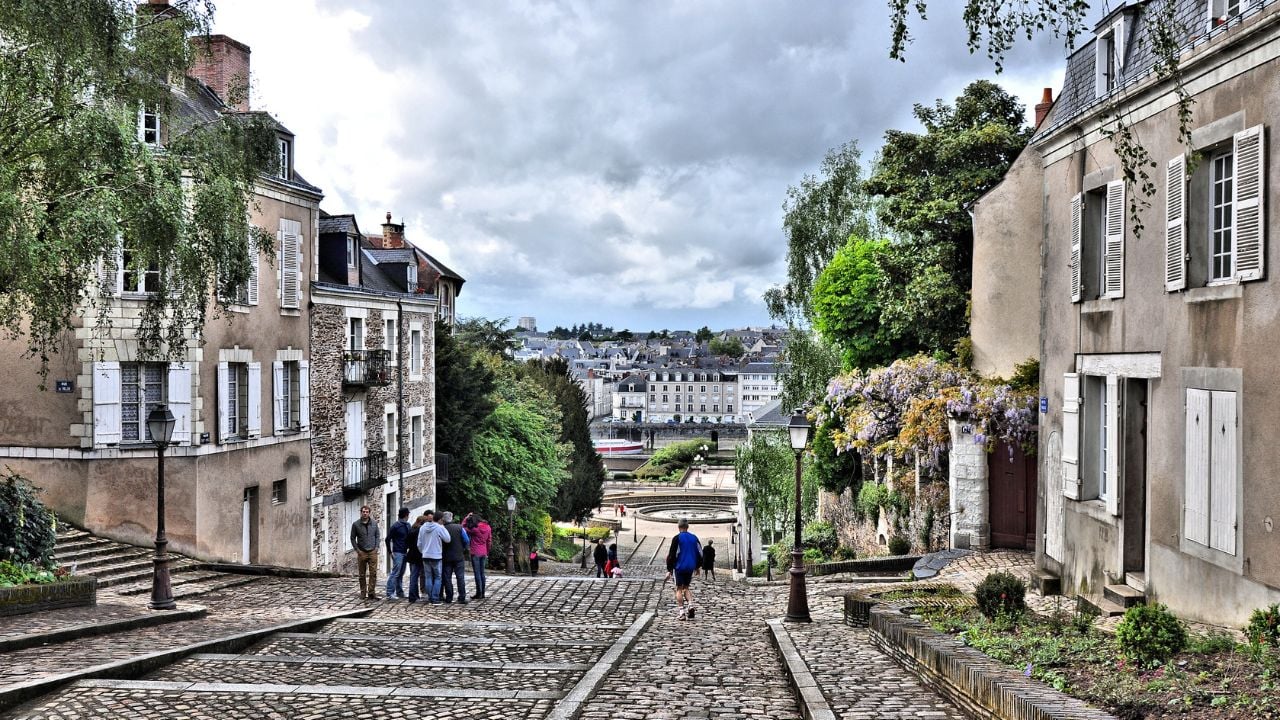
Angers makes the castle part of town instead of sending you far outside the center. Arrive by train, walk toward the old streets, and the fortress appears quickly enough that the trip can start before you have had time to overthink it.
The official Château d’Angers site says the castle is in the center of town, in a pedestrian zone, about a 15-minute walk from Angers-Saint-Laud train station. That is a small detail, but it changes the visit. You can step off the train, walk into the city, and reach the main historic sight without giving half the day to logistics.
The outside has the heavy medieval look you want from a Loire fortress: dark bands of stone, thick walls, and towers that make the town feel older the moment you see them. But the real shock is inside, where the Apocalypse Tapestry stretches across the visit like something far too large to be hidden behind the word “tapestry.”
The official monument site says the Apocalypse Tapestry is 103 meters long, 4.5 meters high, and made up of 74 scenes. Destination Angers identifies it as a late 14th-century work created for Duke Louis I of Anjou and the largest surviving medieval tapestry set in the world.
After seeing it, do something lighter. Get coffee, walk toward the river, or drift through the center without trying to add another major stop immediately. Angers is better when the huge medieval moment has some quiet space around it.
5. Varaždin, Croatia
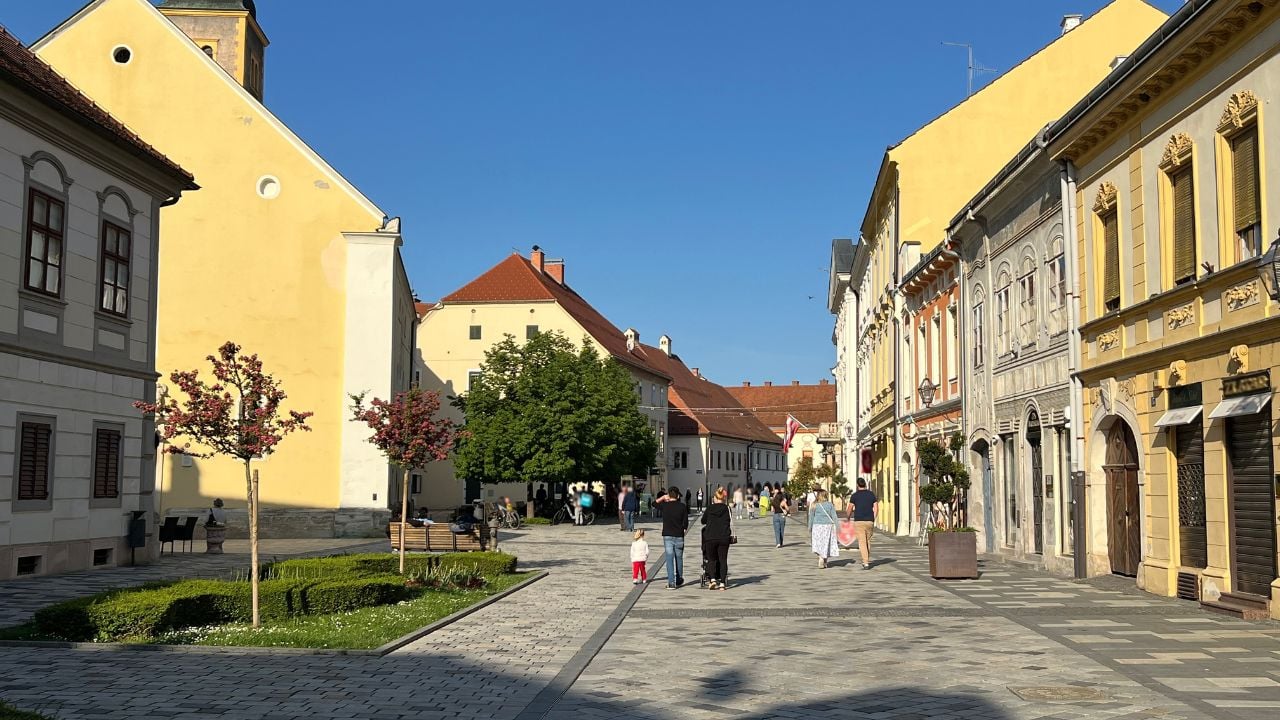
Varaždin is inland Croatia: pastel facades, baroque buildings, park paths, church towers, bicycles, and café terraces instead of beaches, ferries, and Adriatic crowds. That alone makes it a refreshing stop if every Croatia trip you read about seems to start and end on the coast.
Walk through the center slowly and the town gives you details without much distance. A square leads to a palace facade, a street opens toward a church tower, and a quiet park is never far away. Varaždin feels elegant, but not stiff. People still sit outside for coffee, ride bikes through town, and use the historic center as part of daily life.
Stari Grad Castle is the main visual reward. The Varaždin City Museum says the Old Town fortress was built and rebuilt several times from the 14th to the 19th century, and that it has housed the Culture and History Department of the City Museum since 1925.
The castle is worth seeing from outside before you even think about the museum rooms. Its white walls, towers, and green surroundings give the city a proper focal point. Then the streets around it bring the visit back down to a human scale: small squares, old doors, ornamented facades, and terrace tables where the next coffee is an easy decision.
Stay after the quickest part of the sightseeing is done. Varaždin improves when the walk gets slower, when the buildings catch softer light, and when the town stops being “another Croatian destination” and becomes its own inland story.
6. Berat, Albania
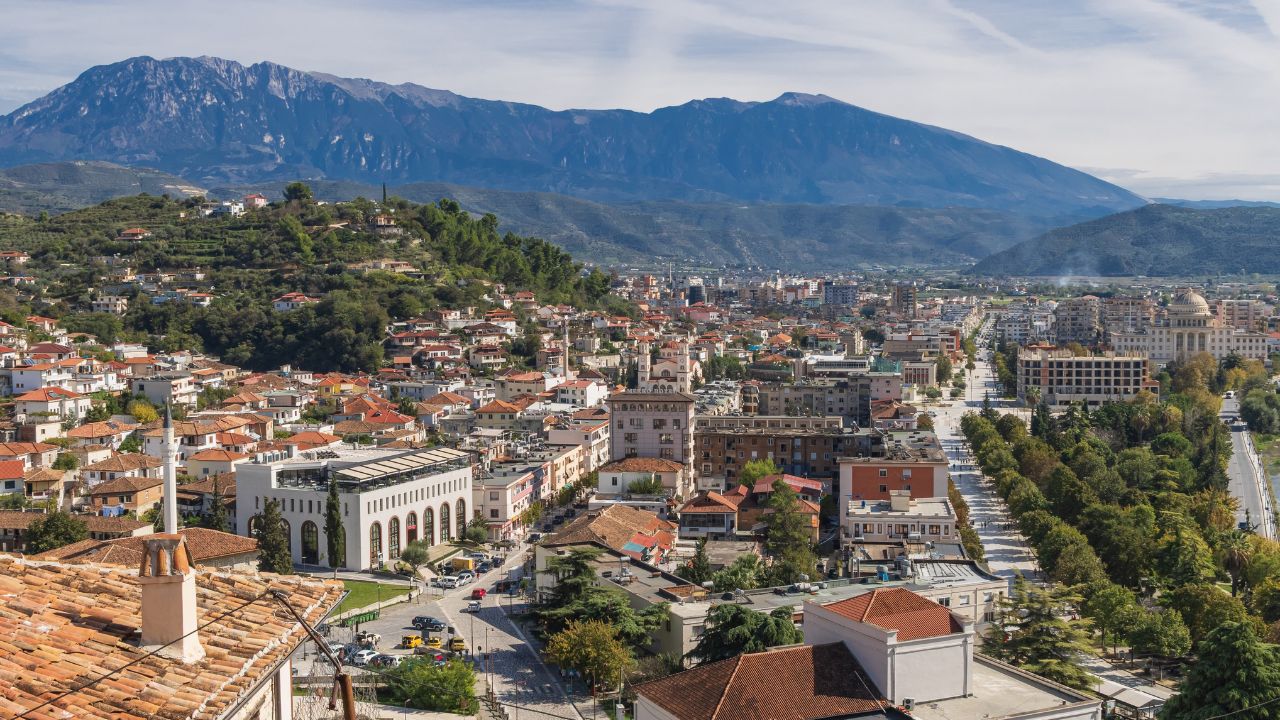
Berat starts with the view. White Ottoman houses climb the hillside, rows of windows face the river, mountains sit behind the town, and the castle watches from above. Even before you know the names of the neighborhoods, the shape of the place is clear.
The old quarters deserve slow feet. Mangalem rises on one side of the Osum River, Gorica sits across the water, and the Castle District waits higher up. Walk the stone lanes without rushing. Berat’s best details are often small: a doorway, a terrace, a narrow turn, a window pattern, or a view opening suddenly between houses.
UNESCO lists the historic centers of Berat and Gjirokastra together and describes Berat as a rare example of Ottoman-period architectural character, shaped by the coexistence of religious and cultural communities over the centuries. Albania’s official tourism site says Berat lies on both banks of the Osum River, below the castle hill and surrounding mountains.
Climb through the castle streets slowly. Inside the fortress walls, Berat does not feel like an empty ruin built only for photos. The official Albanian tourism site describes Byzantine churches, residential houses, narrow cobblestone streets, and the National Museum of Iconography “Onufri” inside the castle. It feels more like a historic neighborhood still sitting above the town.
Near the end of the day, cross toward Gorica and look back at Mangalem. The windows, white walls, and hillside houses make more sense when the light starts changing. Berat is not a place where the view is one quick stop. The view is the reason to slow down.