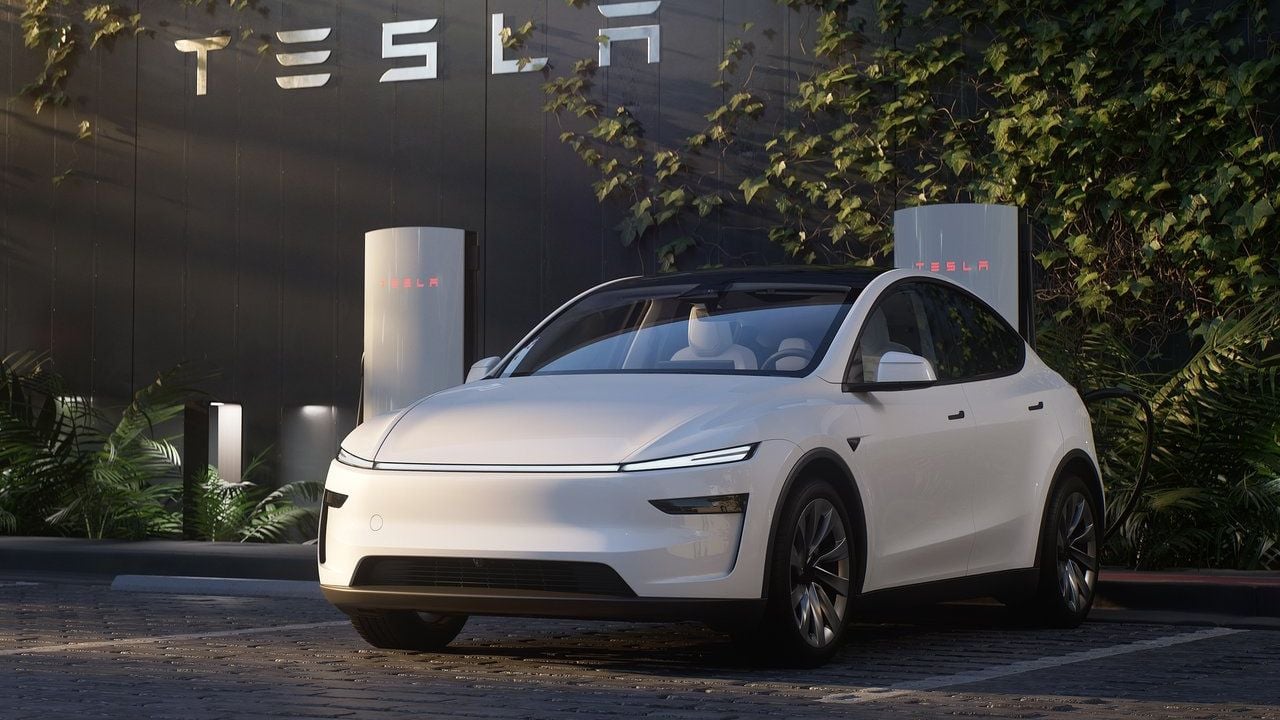
Tesla’s long-promised robotaxi rollout is expanding across Texas, but early real-world testing suggests the service is still struggling with availability, routing, and reliability issues.
According to recent reporting from Reuters, some users are spending more time waiting for their Tesla robotaxis to show up than they do actually riding in them.
The company recently expanded its autonomous ride-hailing service beyond Austin into Dallas and Houston, a move many investors viewed as another step toward CEO Elon Musk’s vision of transforming Tesla, Inc. into an AI and autonomous-driving giant.
The reality on the ground appears far less polished. Reuters reporters testing the service across multiple Texas cities encountered long wait times, ride cancellations, confusing drop-off locations, and navigation problems that still make Tesla’s system feel closer to a beta test than a fully mature transportation platform.
Riders Sometimes Wait Nearly Two Hours
One of the most striking examples came from Dallas, where a Reuters reporter attempted to travel roughly five miles from Southern Methodist University to Dallas City Hall.
Under normal traffic conditions, the drive typically takes around 20 minutes. Instead, the reporter spent nearly two hours trying to complete the trip using Tesla’s robotaxi service.
The process began with repeated app notifications warning of “high service demand” or stating that no nearby vehicles were available. After more than half an hour of attempting to book a ride, a vehicle finally appeared with an additional 19-minute wait time. Meanwhile, competing services like Uber Technologies reportedly showed wait times of less than 10 minutes for similar routes.
Even after pickup, the experience remained frustrating. Instead of taking the main freeway route into downtown Dallas, the robotaxi reportedly navigated slower surface streets before dropping the passenger in a parking lot roughly a 15-minute walk from the intended destination.
Drop-Off Locations Have Been A Major Complaint
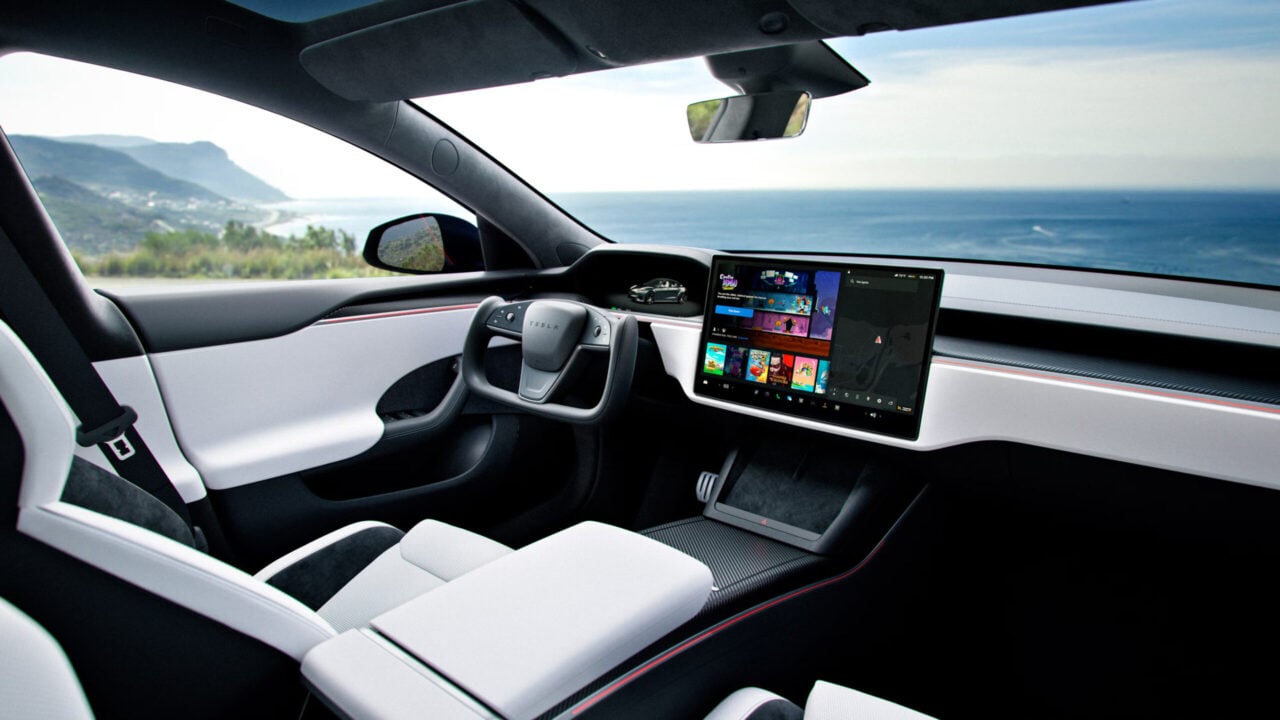
Several reported trips involved drop-off points located surprisingly far from passengers’ actual destinations. In one case, a reporter heading toward a downtown farmers market was reportedly left on the opposite side of a freeway and directed toward a walking route under overpasses littered with trash and heavy pedestrian traffic.
Tesla support staff reportedly acknowledged during one ride that portions of the service remain in a “beta version,” even though some restricted areas appeared to fall inside Tesla’s own published service maps.
Houston riders experienced similar issues. Reuters described situations where rides were canceled after long waits, while additional vehicles simply never became available afterward.
Tesla’s Autonomous System Still Faces Navigation Challenges
The robotaxis also reportedly struggled with certain traffic situations. One Dallas trip involved a Tesla vehicle repeatedly failing to complete a left turn near a freeway off-ramp with “Do Not Enter” signage. According to Reuters, the car attempted the maneuver several times before eventually requiring assistance from a remote support operator.
The incident highlights one of the biggest ongoing debates surrounding Tesla’s autonomous-driving strategy. Unlike competitors such as Waymo, Tesla relies heavily on camera-based vision systems and AI training rather than extensive high-definition mapping of operating areas. Musk has repeatedly argued that Tesla’s system should eventually work “anywhere” without the need for highly restricted geofenced environments.
Waymo, by contrast, takes a far more cautious rollout approach centered around detailed mapping and extensive localized testing before opening new markets.
Austin Operations Are Still Limited
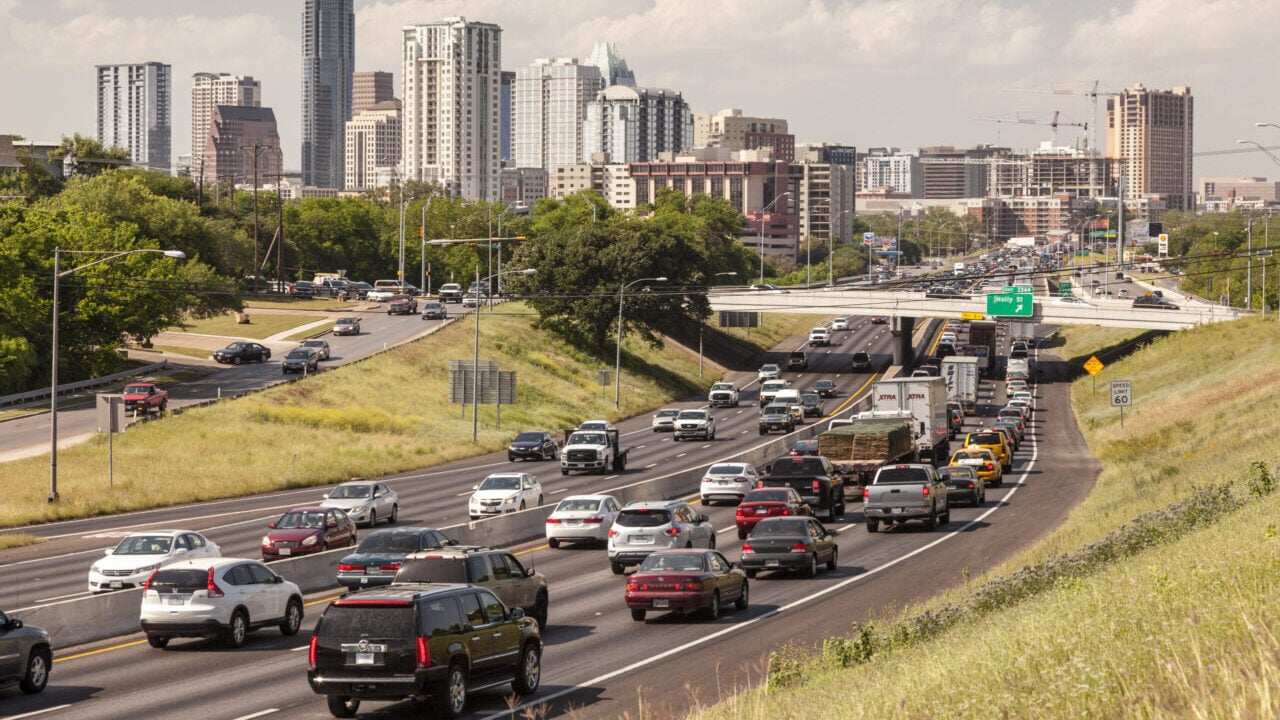
Even Austin, Tesla’s original robotaxi launch city, reportedly continues experiencing inconsistent availability nearly a year after operations began there.
Reuters said wait times in Austin frequently exceeded 15 to 25 minutes, with no cars available at all in more than a quarter of observed app checks during a three-week test period.
Tesla reportedly operates around 50 robotaxis in Austin, significantly fewer than Waymo’s local fleet. Some Tesla vehicles in Austin still reportedly carry human safety monitors in the passenger seat as the company gradually expands fully driverless operations.
Despite operational frustrations, Austin officials say Tesla’s robotaxis have not been involved in any major crashes so far. The company has reported multiple incidents to federal regulators, though most were minor and reportedly involved no serious injuries.
Tesla’s Future Still Depends Heavily On Robotaxis
The challenges surrounding Tesla’s rollout are important because autonomous driving remains central to the company’s long-term valuation.
A substantial portion of Tesla’s massive market value is tied to investor expectations that robotaxis could eventually become one of the company’s largest businesses. Musk has repeatedly predicted rapid expansion of fully autonomous ride-hailing services across the United States.
So far, however, the rollout appears slower and more limited than many expected. Tesla continues emphasizing a cautious approach focused on safety and gradual scaling. Still, with competitors already operating larger and more established autonomous fleets, the pressure is growing for Tesla to prove its system can reliably deliver the seamless driverless experience Musk has promised for years.