
American drivers are once again facing rapidly rising fuel prices just as the summer driving season approaches. According to new data from the AAA Fuel Prices Tracker, the national average price for regular gasoline has surged sharply over the past several weeks, pushing the country closer to record territory.
The latest figures show the national average for regular unleaded gasoline sitting at roughly $4.52 per gallon. That is nearly 50 cents higher than just a month ago and about 25 cents higher than one week earlier, signaling that price increases are accelerating rather than stabilizing.
Diesel prices remain even more painful in many parts of the country. In some states, average diesel prices have already climbed beyond $7 per gallon, creating additional pressure on trucking, shipping, and commercial transportation industries.
With Memorial Day approaching and summer travel demand expected to rise, analysts are warning that prices could continue climbing in the coming weeks unless global oil markets calm significantly.
Fuel Prices Are Rising Across Nearly Every State
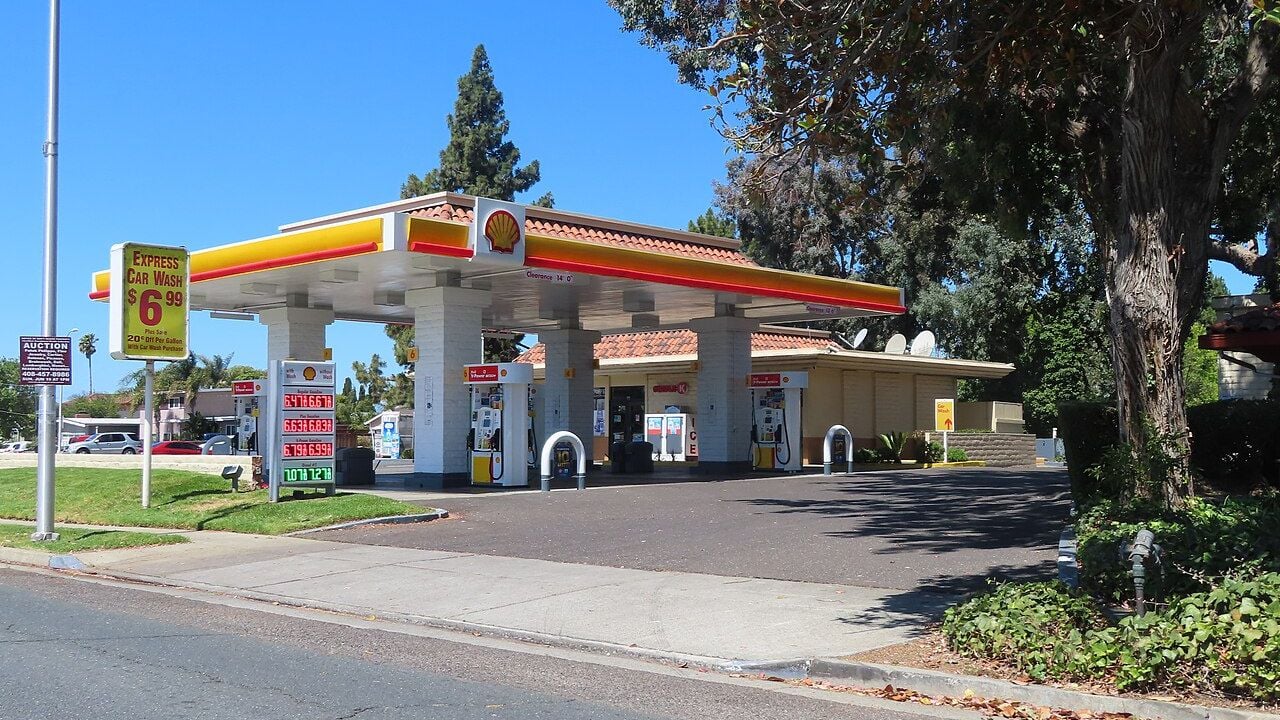
The increases are being felt nationwide, although some states are seeing far steeper prices than others. As expected, California remains the most expensive major gasoline market in the country, with average regular fuel prices climbing above $6 per gallon. Washington, Hawaii, and Oregon also remain among the highest-priced states for gasoline.
At the other end of the spectrum, Oklahoma continues to offer some of the lowest fuel prices in the country, though even there, drivers are now paying close to $4 per gallon. Several Gulf Coast states, including Mississippi and Louisiana, are still managing to stay just under that threshold for regular gasoline.
Diesel prices have become even more extreme. California and Hawaii are both averaging over $7 per gallon for diesel fuel, while nearly every other state has already crossed the $5 mark.
The rapid increases are beginning to affect driving behavior as consumers reconsider travel plans and try to limit unnecessary trips.
Summer Travel Demand Could Push Prices Even Higher

Memorial Day traditionally marks the unofficial beginning of the American summer travel season. Warmer weather, school breaks, and long holiday weekends typically trigger a sharp rise in road travel across the country.
That seasonal demand often pushes fuel prices higher even during relatively stable market conditions. This year, however, drivers are entering summer with prices already elevated before peak travel demand has fully arrived.
Data from the U.S. Energy Information Administration suggests gasoline demand has recently softened slightly, but production has also declined. The market remains heavily influenced by global supply concerns and uncertainty surrounding international oil shipping routes.
Tensions involving the Strait of Hormuz and broader geopolitical instability in the Middle East continue to place pressure on crude oil prices. Since the Strait handles a substantial portion of global oil exports, even the threat of disruptions can send fuel markets sharply upward.
Fuel Taxes And Political Pressure Are Back In Focus
As prices continue climbing, political leaders are once again discussing temporary fuel tax relief measures. President Donald Trump has suggested suspending the federal gasoline tax, which currently adds 18.4 cents per gallon to fuel prices. Diesel carries an even higher federal tax of 24.4 cents per gallon.
While such measures could provide modest short-term relief, critics note that the recent price spikes have been far larger than the amount consumers would save from a temporary federal tax suspension.
Fuel producers also continue selling oil and refined gasoline products into the global market, meaning domestic production increases do not automatically translate into lower American fuel prices when international markets remain elevated.
EV Charging Costs Have Remained Relatively Stable

Interestingly, electric vehicle charging prices have remained comparatively steady despite volatility in oil markets. AAA’s charging data shows the national average cost for DC fast charging sitting at roughly 41 cents per kilowatt-hour, a figure that has changed little over the past year. That stability could further strengthen the appeal of EVs for some consumers frustrated by gasoline price swings.
Still, for millions of Americans driving gasoline-powered trucks, SUVs, and commuter vehicles, the immediate concern remains the cost of filling up during the busiest driving months of the year.
Unless oil markets cool substantially or global supply concerns ease, drivers may be facing one of the most expensive summer travel seasons in recent memory.