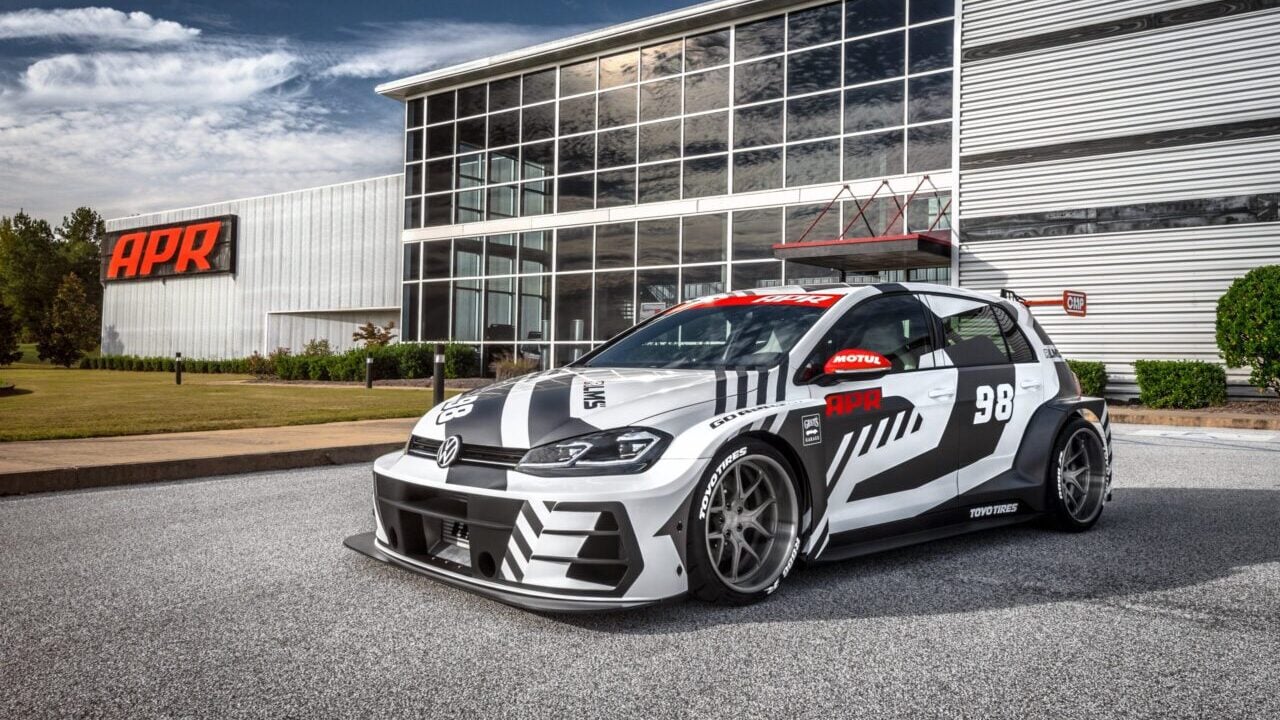
Volkswagen and Audi owners now have a new way to turn their all-wheel-drive performance cars into tire-smoking burnout machines. Well-known tuning company APR has released a fresh software upgrade for Haldex-equipped vehicles that not only sharpens AWD performance but also introduces a selectable front-wheel-drive burnout mode.
The Alabama-based tuner is best known for extracting huge gains from turbocharged Volkswagen Group engines, but this marks one of the company’s first dedicated all-wheel-drive calibrations. The software specifically targets Haldex-equipped cars such as the Volkswagen Golf R, Audi S3, RS3, TTS, and TT RS.
APR says the upgrade improves clutch engagement and rear torque response for harder launches and better traction during aggressive driving. At the same time, it also gives drivers the ability to temporarily disconnect the rear axle for classic front-wheel-drive burnouts.
That combination means owners can switch from optimized AWD grip to smoky FWD antics without physically pulling fuses or disconnecting hardware, a trick enthusiasts have used for years on Haldex cars.
How Haldex AWD Works In VW And Audi Performance Cars
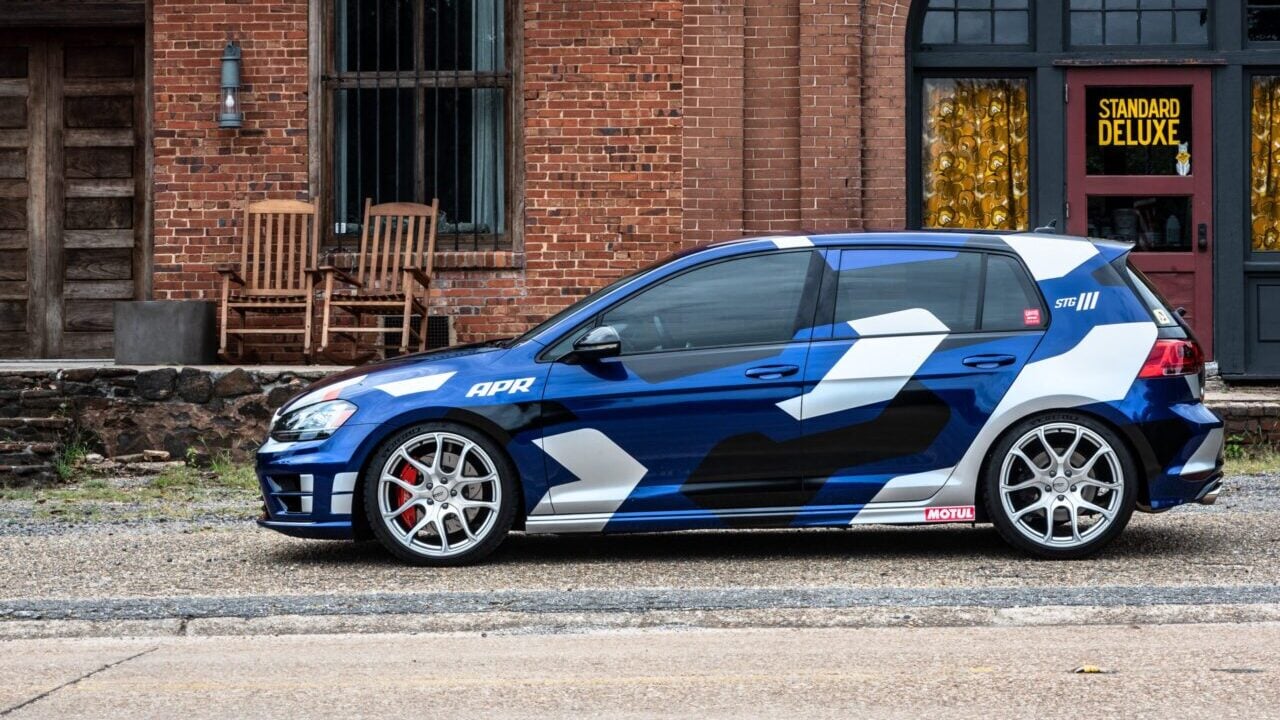
Haldex all-wheel-drive systems are commonly found in transverse-engine Volkswagen and Audi performance models. Unlike traditional full-time AWD systems, Haldex setups operate primarily as front-wheel drive during normal cruising conditions.
When additional traction is needed, the system can quickly send power to the rear axle using an electronically controlled hydraulic clutch pack. Inputs such as throttle position, steering angle, wheel slip, and vehicle speed determine how much torque is distributed rearward.
The design helps improve fuel economy compared to permanent AWD systems while still providing strong traction when accelerating hard or driving in poor conditions.
Modern Haldex systems are already significantly quicker and more advanced than earlier versions from the late 1990s. Even so, APR believes factory calibrations remain conservative, especially for modified vehicles producing substantially more power than stock.
APR’s Tune Sharpens AWD Response
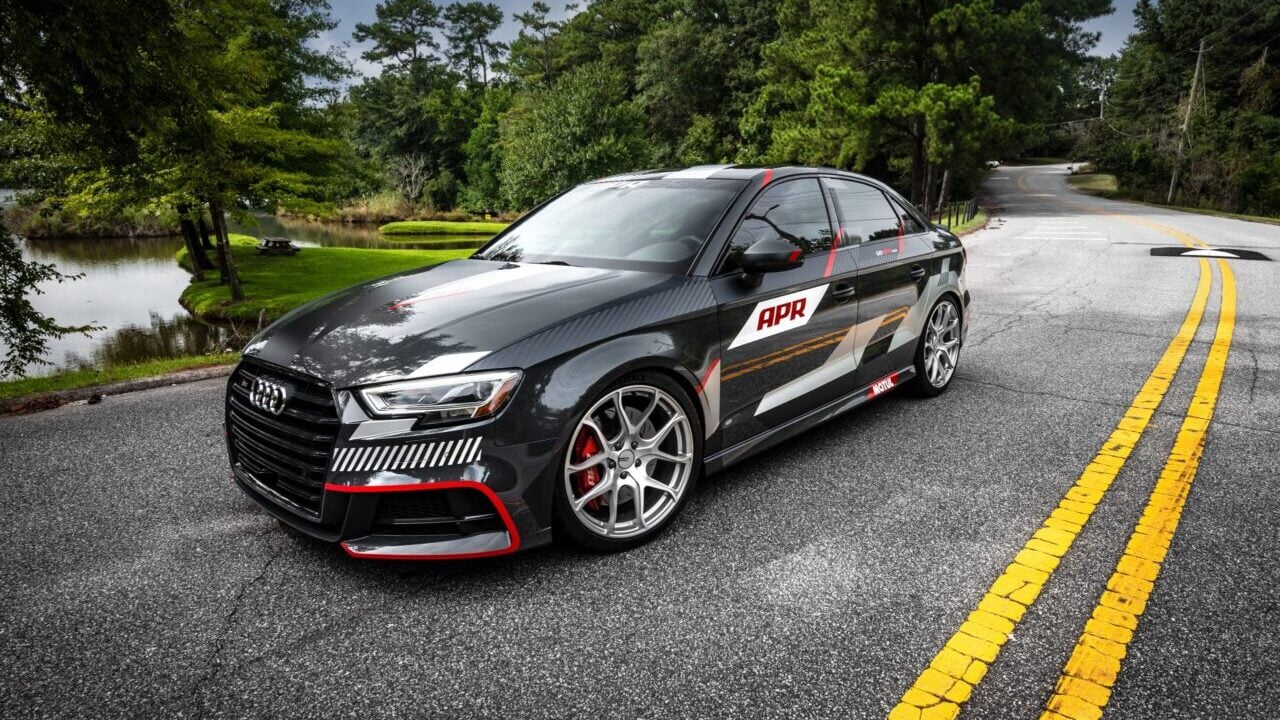
According to APR, the new software recalibrates clutch pressure control to improve torque transfer and driveline responsiveness under heavy acceleration.
The company says the upgrade delivers faster rear axle engagement, improved launch consistency, and a more aggressive rear torque bias. That should help tuned Golf Rs and Audi RS models put power down more effectively during launches and spirited driving.
APR offers the system in two stages. Stage 1 works within the factory hardware’s normal operating range, while Stage 2 adds an upgraded pressure relief valve assembly that allows the system to command greater clutch pressure during high-load situations.
The software also integrates with APR’s existing engine and transmission tunes to better coordinate power delivery across the drivetrain.
Burnout Mode Is The Attention Grabber
The most talked-about feature is undoubtedly the new FWD Burnout Mode. Activated through the vehicle’s Race Mode settings, the feature temporarily decouples the rear axle and converts the car into front-wheel drive. That allows drivers to perform burnouts, prepare for drag strip launches, or run dyno testing without manually disabling the AWD system.
For years, owners of Haldex-equipped cars often removed fuses or unplugged rear couplings to achieve the same effect. APR’s software essentially builds that functionality directly into the vehicle’s electronics while maintaining factory-style drivability.
It is the kind of feature that will likely appeal heavily to enthusiasts attending drag racing events or social media-minded owners chasing dramatic burnout clips.
More Performance Usually Means More Wear
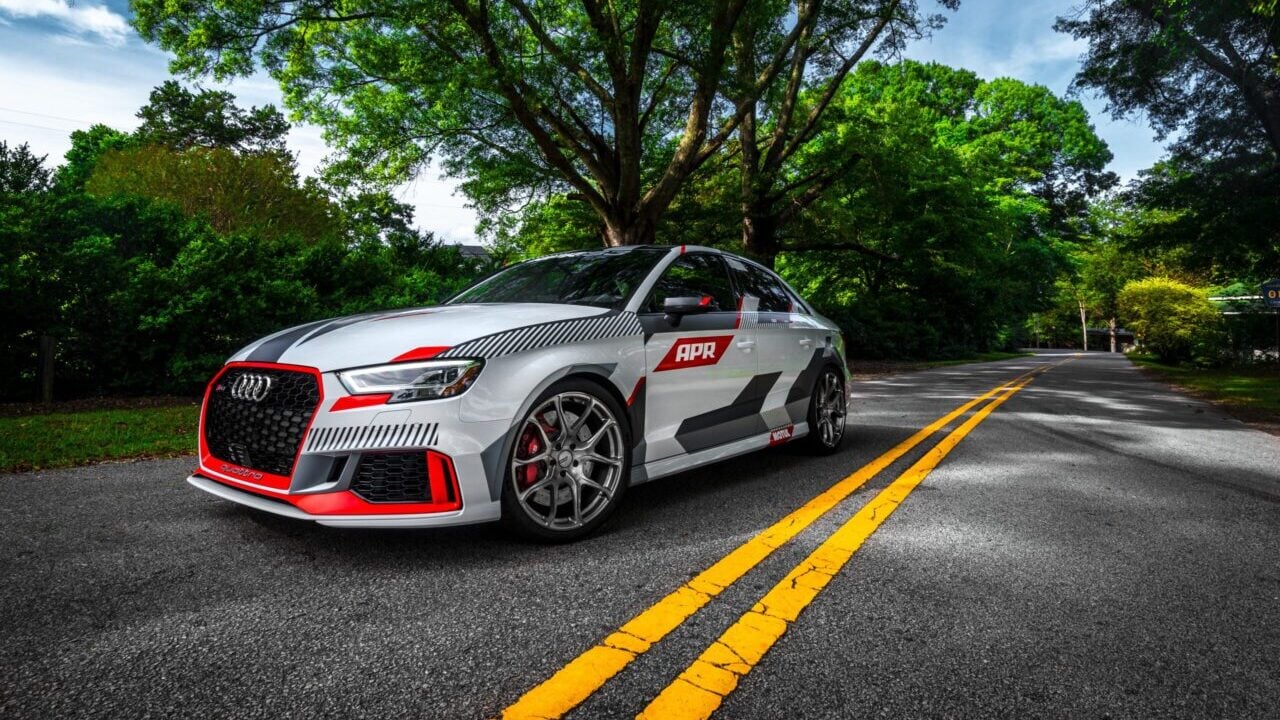
APR emphasizes that the software is designed to operate safely within the limits of the hardware, particularly when paired with the company’s upgraded components. Still, any increase in driveline load generally leads to additional wear over time.
Harder launches, more aggressive clutch engagement, and repeated high-load use inevitably place greater stress on drivetrain components. Owners considering the upgrade will likely need to accept that tradeoff as part of chasing additional performance.
Pricing starts at $449.95 for the Stage 1 system, while the more aggressive Stage 2 package costs $549.95. Existing Stage 1 owners can later upgrade to Stage 2 for an additional $99.95.
The software currently supports several major Volkswagen Group performance models, including the 2013-2019 Volkswagen Golf R, 2015-2020 Audi RS3, 2016-2023 Audi TTS, and 2017-2022 Audi TT RS.
For enthusiasts who always wished their AWD hot hatch or Audi sport compact behaved a little more like a rally car one moment and a burnout machine the next, APR may have just delivered exactly that.