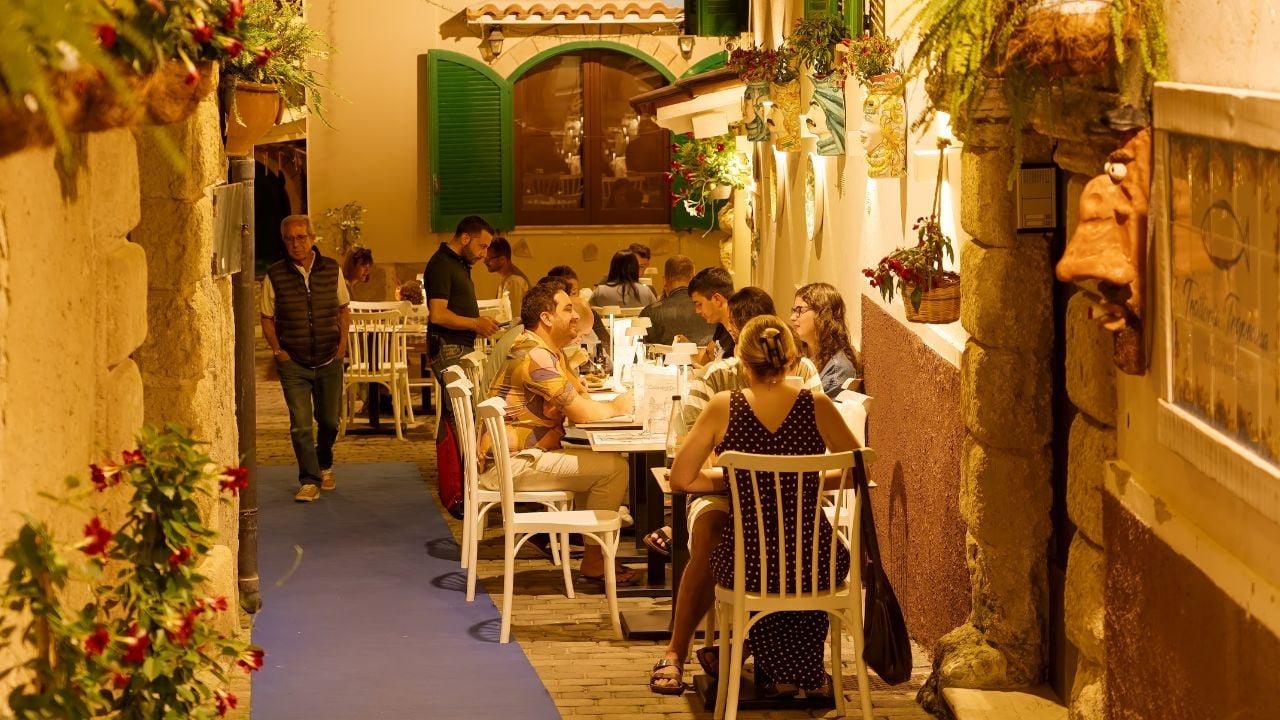
A memorable travel dinner does not need white tablecloths, tasting menus, or a reservation made before the flight. It often starts after a walk, when the street is busy, the counters are full, and the food explains the place better than another landmark.
Logroño, Parma, Graz, Fukuoka, Ghent, and Tbilisi all make dinner part of the city rather than a separate event. One relies on tapas bars packed along Calle Laurel, another on cured meats and cheese from Emilia-Romagna, another on Styrian markets, pumpkin seed oil, and local wine.
Fukuoka gives the evening a street-stall counter beside the river or in the city center. Ghent puts restaurants into cobbled quarters near canals and medieval façades. Tbilisi turns dinner into shared plates, wine, bread, herbs, cheese, dumplings, and toasts around the table.
These are not cities where every meal needs to be planned like a performance. Travelers still need to watch opening hours, busy nights, neighborhood choice, and local dining habits, but the best meals are close to the streets people already want to walk.
1. Logroño, Spain
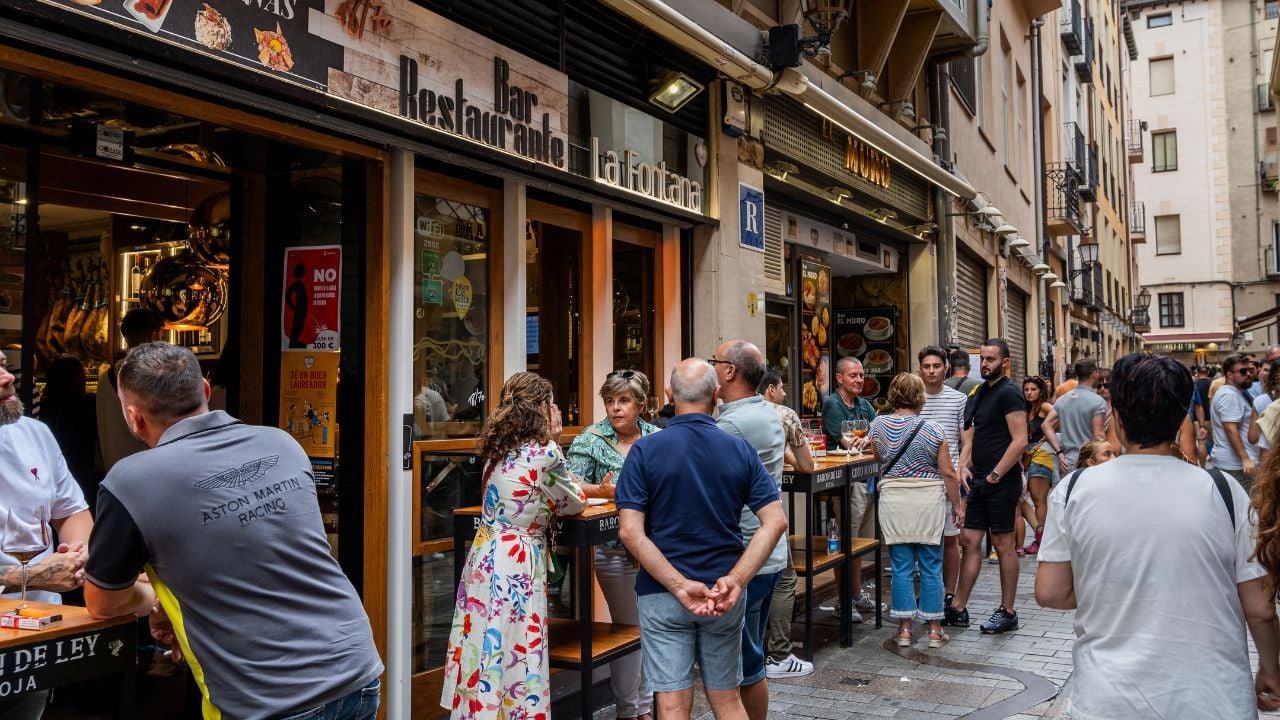
Logroño turns dinner into movement. Calle Laurel fills with people standing at counters, ordering small plates, drinking Rioja, and stepping back into the street for the next bar. Spain’s official tourism site describes Calle Laurel in La Rioja’s capital as a place where people move from bar to bar trying something different at each stop.
The pleasure is in the repetition, but not in sameness. One doorway might mean mushrooms sizzling on a plancha, another might mean grilled chorizo, croquetas, patatas bravas, anchovies, or a house specialty served with a small glass of Rioja. The well-known champiñón tapa gives the street one of its clearest signatures: mushrooms stacked, grilled, and served hot over bread.
A good evening here should stay loose but not careless. Arrive hungry, order one or two things per stop, and keep moving before turning the night into a single heavy meal. Calle Laurel works because the street itself becomes the dining room: voices outside the bars, plates crossing counters, wine glasses in hand, and the next bite only a few doors away.
Logroño also gives travelers a food-and-wine identity without forcing a formal winery plan into every evening. A day in La Rioja can include vineyards or tastings, but dinner in the city belongs to the bars, the street, the crowd, and the small plates that keep the night moving.
2. Parma, Italy
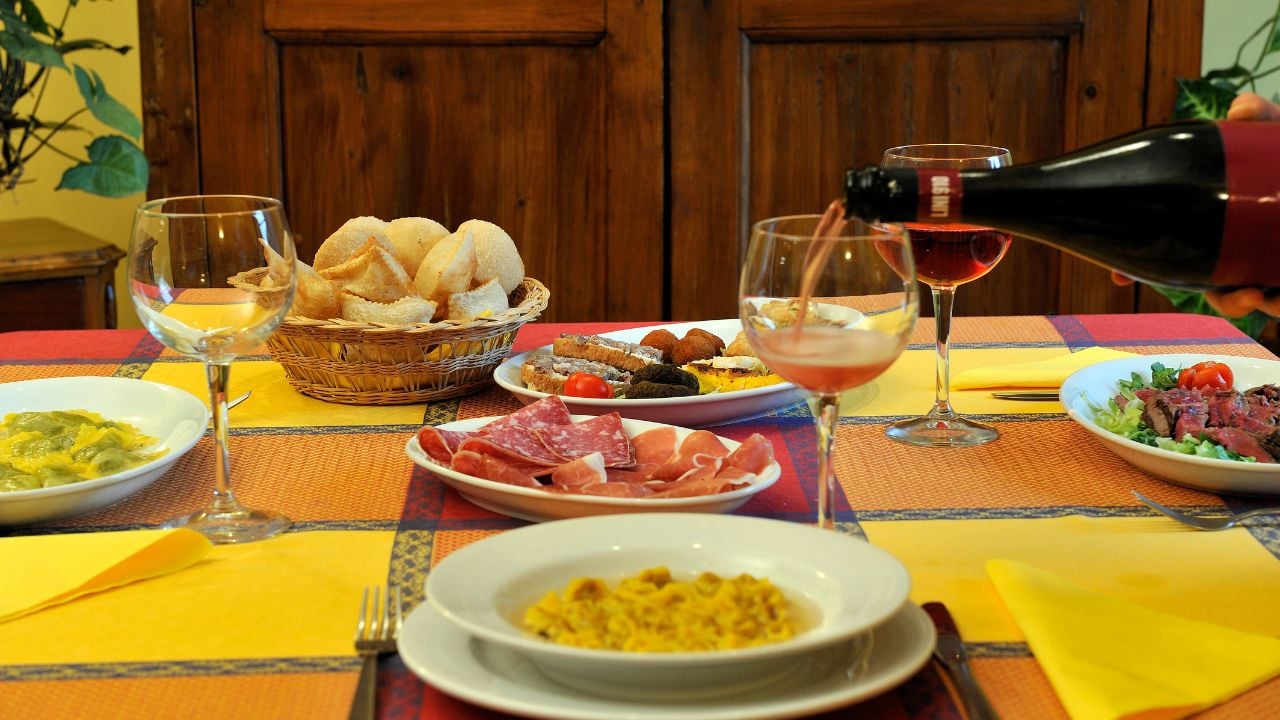
Parma gives dinner weight before the menu reaches the table. The city sits inside one of Italy’s great food regions, and its most famous ingredients already carry place names: Prosciutto di Parma, Parmigiano Reggiano, Culatello di Zibello, Coppa di Parma, porcini mushrooms, and regional wines.
Parma’s tourism office describes the city as a UNESCO Creative City of Gastronomy and the heart of the Italian Food Valley. That identity shows up in simple meals as much as in expensive ones: sliced cured meat, fresh pasta, aged cheese, tortelli, broth, bread, and a glass of local wine.
The best Parma dinner does not need theatrical plating. A trattoria table with prosciutto, Parmigiano, tortelli d’erbetta, anolini, or slow-cooked meat gives the evening a direct connection to the surrounding countryside, dairies, cellars, and kitchens.
Travelers should leave room for a slow meal rather than treating Parma as a quick stop between larger Italian cities. The cathedral, baptistery, streets, and museums give the day structure, but dinner is where the region’s reputation becomes physical: salt, fat, milk, wheat, broth, wine, and time.
3. Graz, Austria
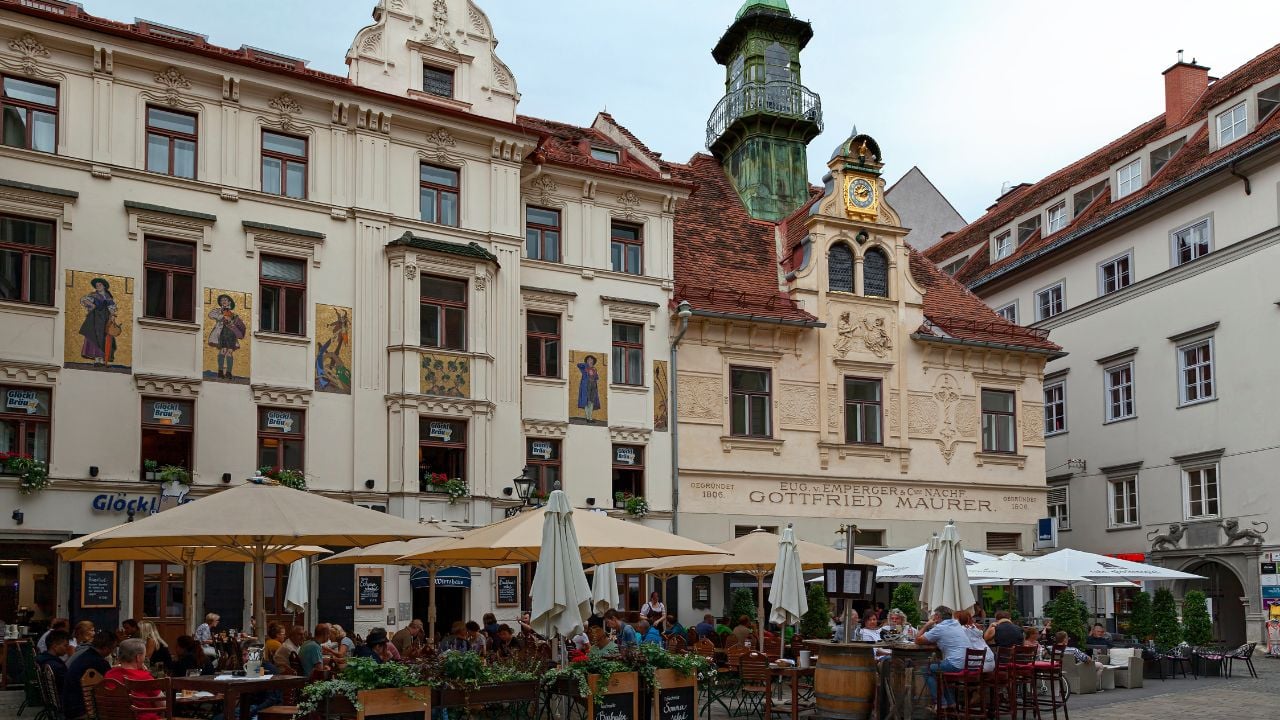
Graz brings dinner closer to the market. The city’s food scene draws heavily from Styria, where pumpkin seed oil, apples, wine, bread, vegetables, cured meats, cheeses, and seasonal produce appear on restaurant tables without needing much explanation.
Graz Tourism calls the city Austria’s “Capital of Delight,” with partner restaurants using fresh ingredients from Styrian regions. The city’s farmers’ markets are also known for homemade bread, fruit, vegetables, and regional specialties, which gives the restaurant scene a direct link to what appears on stalls earlier in the day.
A Graz evening might begin with a walk through the old center, then settle into a table with pumpkin seed oil over salad, Styrian wine, crisp vegetables, roast meat, mushrooms, or a seasonal dish built from nearby farms. The meal feels specific because the flavors are tied to the region rather than to a generic Central European menu.
The city’s old town, courtyards, hill views, and market culture keep dinner from becoming only a restaurant choice. Travelers who visit a market earlier in the day understand the evening plate better: dark green oil, local bread, orchard fruit, and the kind of produce that makes a simple dish taste rooted in Styria.
4. Fukuoka, Japan
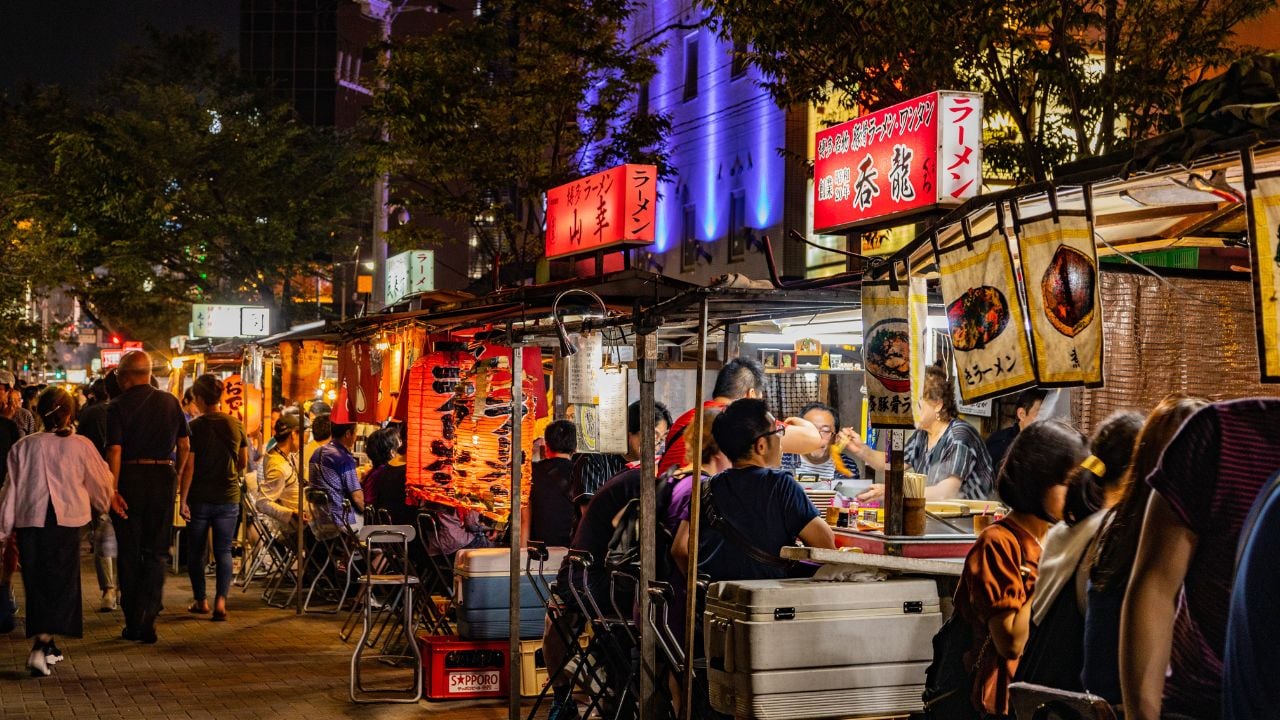
Fukuoka makes dinner visible from the sidewalk. Yatai stalls open in the evening with small counters, curtains, lanterns, stools, steam, and the smell of broth or grilled food drifting into the street. Japan’s official tourism site highlights Fukuoka for seafood and ramen, while Fukuoka’s official guide points visitors toward its yatai food stalls.
The format keeps the meal close and direct. Travelers sit shoulder to shoulder near locals and other visitors, then order ramen, gyoza, oden, grilled skewers, tempura, mentaiko dishes, or a small plate that fits the stall’s specialty. Many stalls open around early evening and run late, though locations, hours, and closing days vary.
Hakata ramen gives the city one of its most famous bowls: thin noodles in a rich pork-bone broth, often eaten quickly in a compact space rather than stretched into a formal dinner. The yatai setting adds the street-level detail: passing traffic, river air near Nakasu, cooks working close to the counter, and customers waiting for a seat.
Fukuoka’s dinner scene rewards flexibility. If one yatai is full, another stall, ramen shop, izakaya, or seafood restaurant may be nearby. The evening works best when travelers choose an area first, then let the food decision happen on foot.
5. Ghent, Belgium
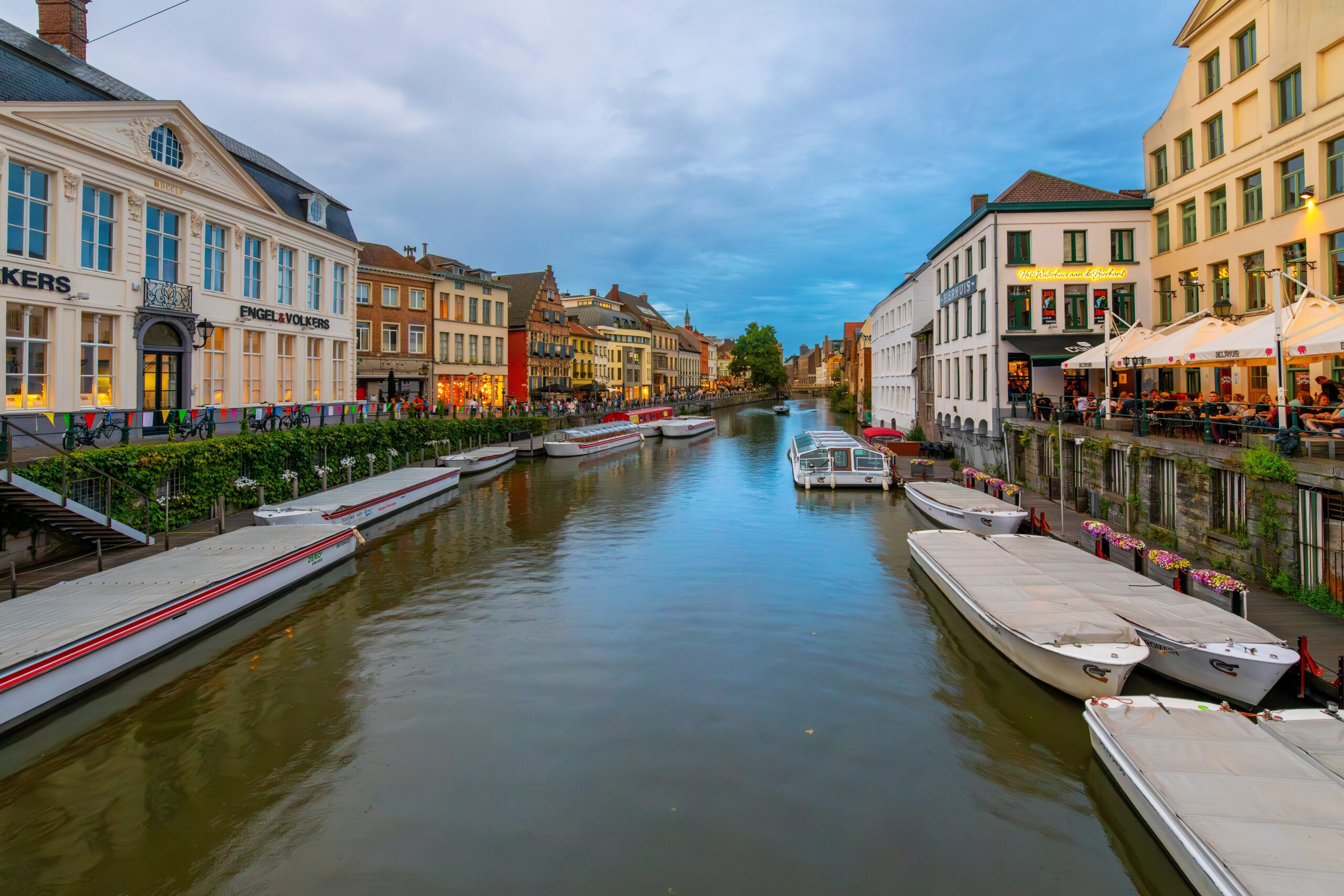
Ghent gives dinner a strong approach. A walk along the Leie River passes illuminated façades, bridges, old guild houses, water reflections, and café windows before the meal even begins. The city’s food scene is easy to enter because restaurants sit inside the same streets travelers already want to explore.
Visit Gent describes Patershol as the city’s culinary heart, with tiny cobbled streets full of eateries serving everything from Japanese and Indonesian food to traditional Flemish cooking. The same tourism site notes that several districts and squares have a high concentration of restaurants and cafés.
A dinner route might start at Graslei or Korenlei, then move toward Patershol for a small restaurant tucked into older lanes. Traditional Flemish dishes, stews, local beer, vegetarian plates, modern bistro food, and international kitchens all fit the city’s mix of medieval streets and student energy.
Ghent is strongest when dinner follows a walk rather than a taxi ride. The canals, towers, cobbles, and old façades make the arrival at the table part of the meal, especially after dark when the water reflects the lights from the restaurants and bridges.
6. Tbilisi, Georgia
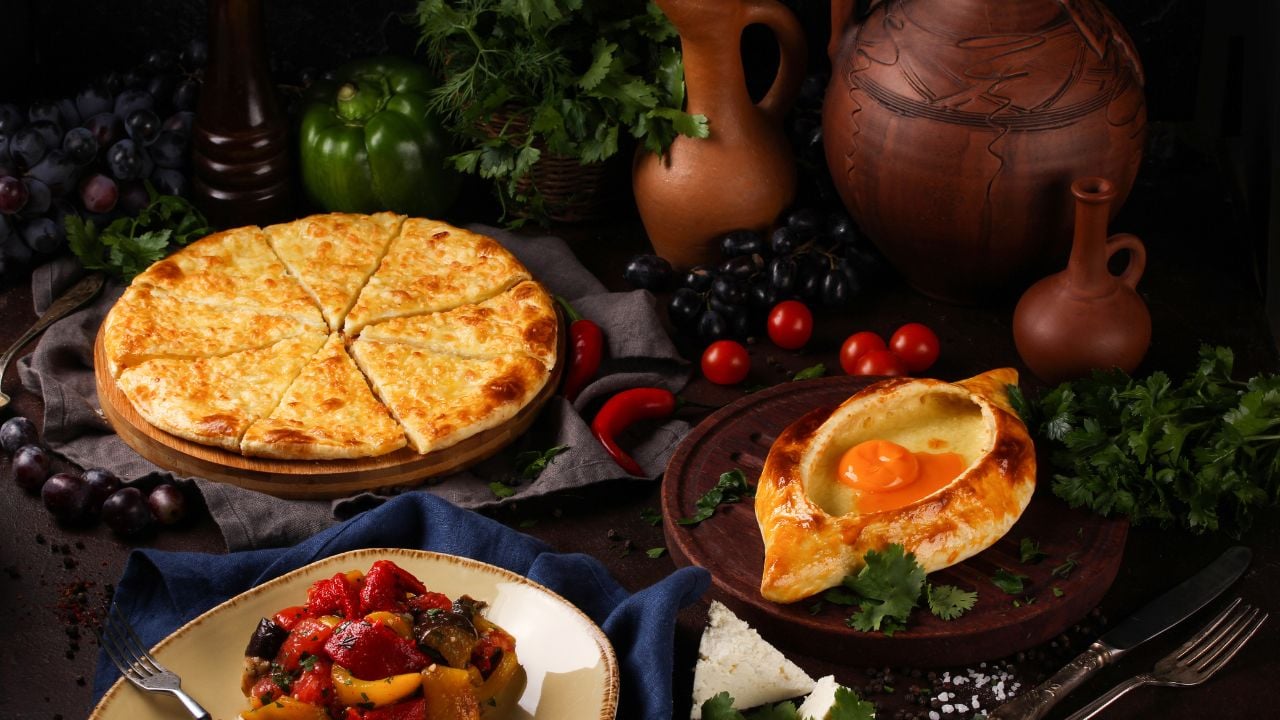
Tbilisi gives dinner a table built for sharing. Khinkali, khachapuri, grilled meat, herbs, vegetables, walnut sauces, eggplant, pickles, bread, and Georgian wine often arrive in waves, turning the meal into a spread rather than a single plate.
Georgia’s official tourism site describes the country’s cuisine as shaped by Eastern and Western influences, with food central to the visitor experience. It also explains the Georgian supra as a meal built around shared food, wine, toasts, and sitting together.
Old Tbilisi gives that dinner a strong setting. Georgia’s tourism site says many of the capital’s main sights are in Old Tbilisi, including Abanotubani, churches, museums, restaurants, nightclubs, and café-bars around Shardeni Street. A walk through balconies, sulfur-bath domes, hills, courtyards, and narrow streets makes the table feel connected to the city outside.
A good Tbilisi evening should leave space for more than one dish and more than one toast. Khinkali needs hands, khachapuri arrives hot and heavy, wine carries its own history, and the table often grows as new plates appear. Dinner here is not only about flavor; it is about the visible abundance of bread, cheese, herbs, meat, vegetables, wine, and conversation.