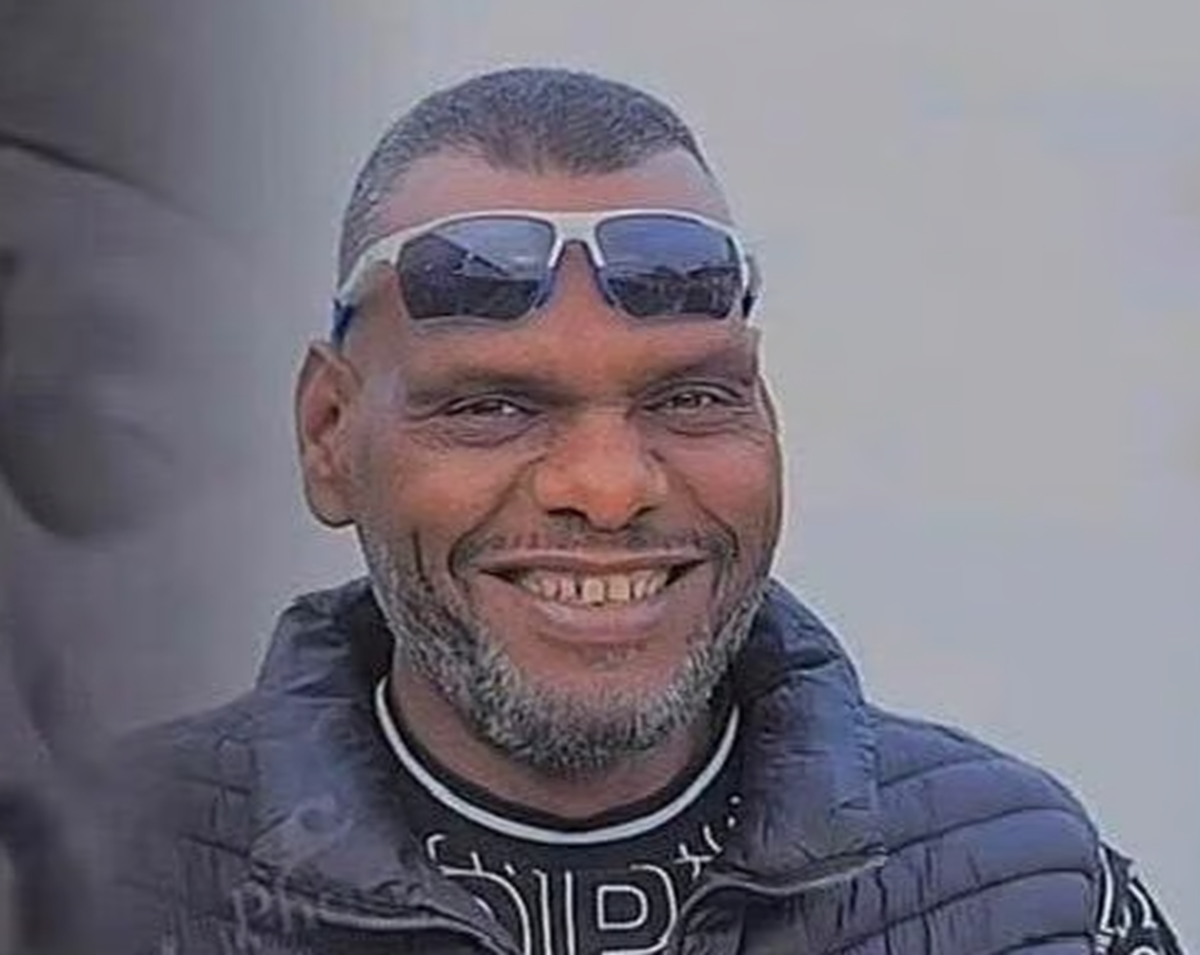
A pre-dawn police chase in the Bedouin city of Rahat ended in tragedy Saturday when Israeli Border Police officers shot and killed a 50-year-old local resident. The man, identified as Ahmad Said al-Naami, was unarmed at the time of his death, raising immediate questions about the use of lethal force and the procedures that govern it.
The incident unfolded in the early morning hours in Neighborhood 2 of Rahat, a Bedouin city in Israel’s Negev desert. Reserve Border Police officers on patrol said they spotted a vehicle they deemed suspicious and attempted to pull it over. What followed was a foot chase, a physical struggle, and ultimately, gunfire.
Magen David Adom emergency medical teams responded to the scene but were unable to save al-Naami. He was pronounced dead at the location. Israeli police confirmed they had notified the appropriate authorities and that a formal review of the incident was underway.
The case is drawing significant attention because the man killed was not carrying a weapon. Whenever lethal force is used against an unarmed person, regardless of the circumstances leading up to it, the public and legal community rightly want answers. That scrutiny will now fall on the two officers involved and on the review process that is just beginning.
How the Chase Unfolded
According to police, reserve Border Police officers operating in Rahat flagged down a vehicle they found suspicious in the early hours of Saturday morning. The driver, al-Naami, did not stop. Instead, he drove away, ignoring repeated commands from officers.
When the vehicle chase came to an end, al-Naami reportedly exited the car and continued fleeing on foot. Two officers gave chase. Police say the officers followed standard arrest procedures during the pursuit, including firing warning shots into the air, but al-Naami kept running.
The situation escalated when officers caught up with him. Police allege that al-Naami resisted arrest and physically assaulted both officers. Feeling their lives were in danger, the two officers opened fire. Al-Naami was struck and later pronounced dead at the scene.
Who Was Ahmad Said al-Naami?
Al-Naami was a 50-year-old resident of Rahat, the largest Bedouin city in Israel and one of the largest in the Middle East. Home to roughly 80,000 people, Rahat sits in the northern Negev and has historically faced challenges related to poverty, infrastructure gaps, and policing tensions.
Details about al-Naami’s background, what he was doing out before dawn, and why he initially fled from the officers have not yet been made public. His identity and the circumstances of his life will likely become central to how this incident is understood by the community and by investigators in the weeks ahead.
The Legal and Ethical Questions Surrounding the Shooting
The core tension in this case is straightforward: an unarmed man is dead after an encounter with police. That fact alone demands a thorough and transparent investigation.
Israeli law does permit officers to use lethal force when they genuinely believe their lives or the lives of others are in immediate danger. The officers involved have stated they felt threatened during the physical struggle with al-Naami. However, the absence of a weapon on his person complicates that narrative and is precisely why independent review processes exist.
Border Police units operating in cities like Rahat are not new to controversy. Policing in Bedouin communities in the Negev has long been a sensitive issue, with residents frequently citing concerns about excessive force and a lack of accountability. This shooting will almost certainly reignite that conversation.
What This Incident Can Teach Us About Policing and Use of Force
Cases like this one are uncomfortable but important. They shine a light on the split-second decisions officers make and on whether the training and protocols guiding those decisions are adequate.
A few key takeaways stand out. First, warning shots alone are not always sufficient to de-escalate a situation, and departments worldwide continue to debate whether they help or create additional risk. Second, when a subject is physically resisting arrest but is not armed, the question of whether lethal force is proportionate becomes legally and morally complex. Third, independent review matters. Police departments investigating their own conduct without outside oversight rarely inspire full public confidence, regardless of what findings emerge.
For the community in Rahat and across the Negev, this incident is not happening in a vacuum. It lands on top of years of accumulated grievances. Whether the official review will be seen as credible may depend less on its conclusions and more on how openly and accountably it is conducted.
The investigation is ongoing.