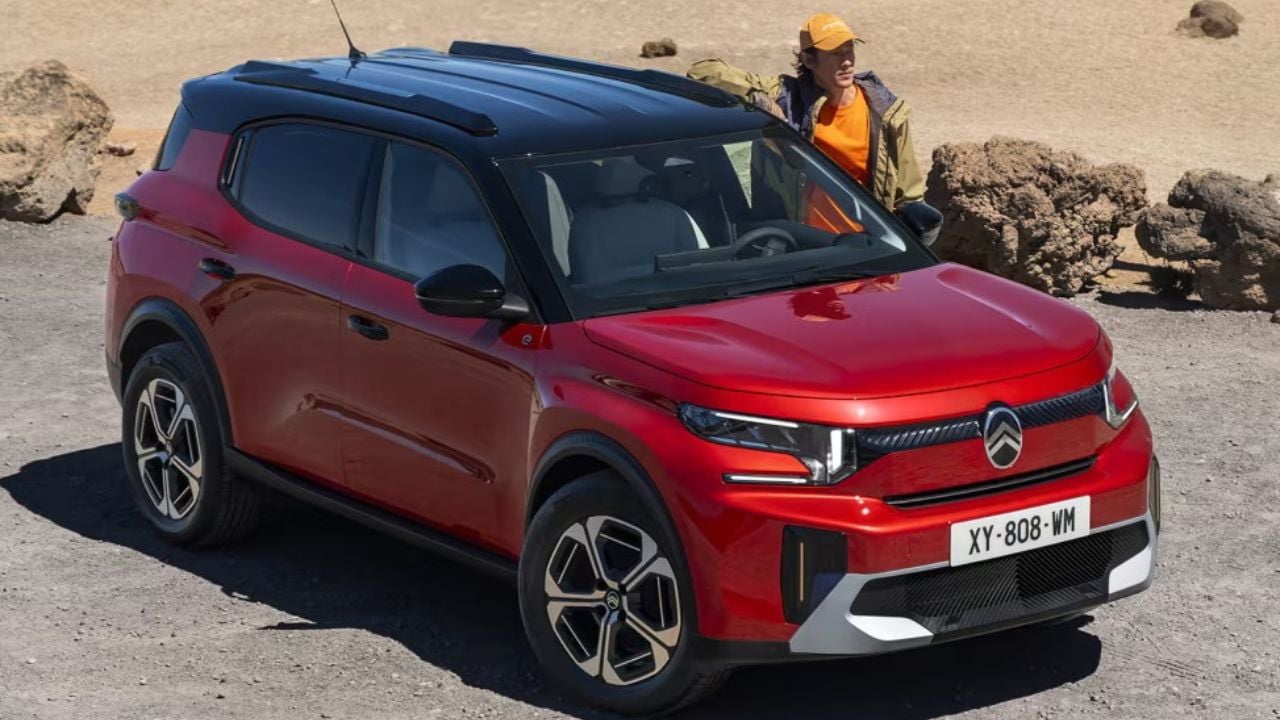
Citroën is preparing a new phase of brand development in Europe, leaning on its heritage and recognizable model character as Chinese automakers push deeper into the market.
The French company is watching competitors such as Omoda, Jaecoo, Geely, and Changan closely, but it believes its biggest advantage is not copying them.
Instead, Citroën wants to focus on originality, comfort, practicality, and the real needs of everyday buyers.
Xavier Chardon, the company’s CEO, says Citroën has no intention of changing its identity simply to follow market trends.
Citroën Says Its Identity Is The Advantage
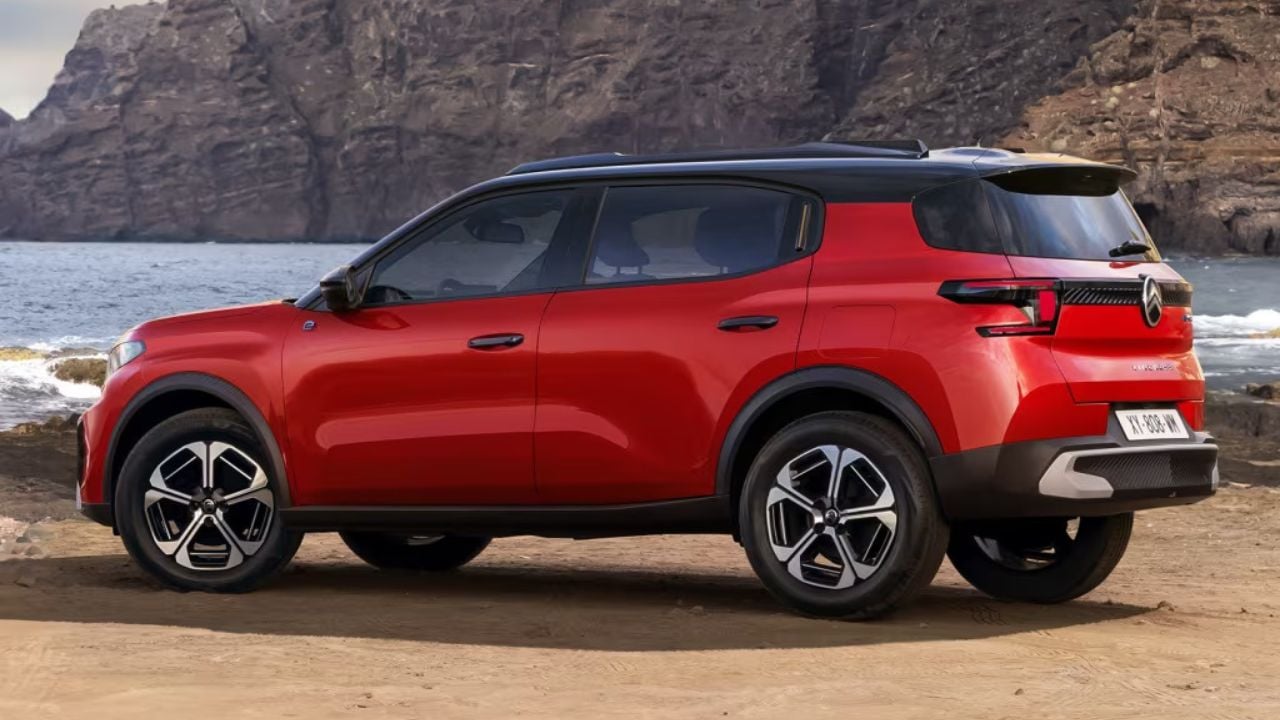
Chardon says the brand wants to emphasize what has made it recognizable for more than a century: comfort, practicality, and a different way of thinking about cars.
Speaking with British journalists after the release of first-quarter 2026 business results, he said Citroën’s global sales volume rose by 10%, reaching 190,000 vehicles. In the United Kingdom, the brand recorded an especially strong 118% increase.
That growth is notable because it comes at a time when Chinese manufacturers are aggressively expanding across Europe. Chardon admits that Omoda and Jaecoo have made a very strong entrance, but he does not believe that threatens Citroën’s plans.
Sales Are Growing Despite Chinese Pressure
According to Chardon, Citroën increased its European sales volume by 12% during the first months of 2026, helped by a completely renewed model lineup. The company expects further growth next year.
He also points out that European automakers have already faced major waves of competition from Japan and South Korea. Citroën now views the arrival of Chinese brands in a similar way.
Still, the French company does not want to enter a direct technology race with its Chinese rivals. Instead, the focus remains on a philosophy Citroën describes as “smart and caring.”
Chardon says buyers do not necessarily want cars packed with screens and complicated functions. For that reason, future Citroën models will not simply follow the trend of interiors dominated by large central displays.
A Different Cabin Philosophy
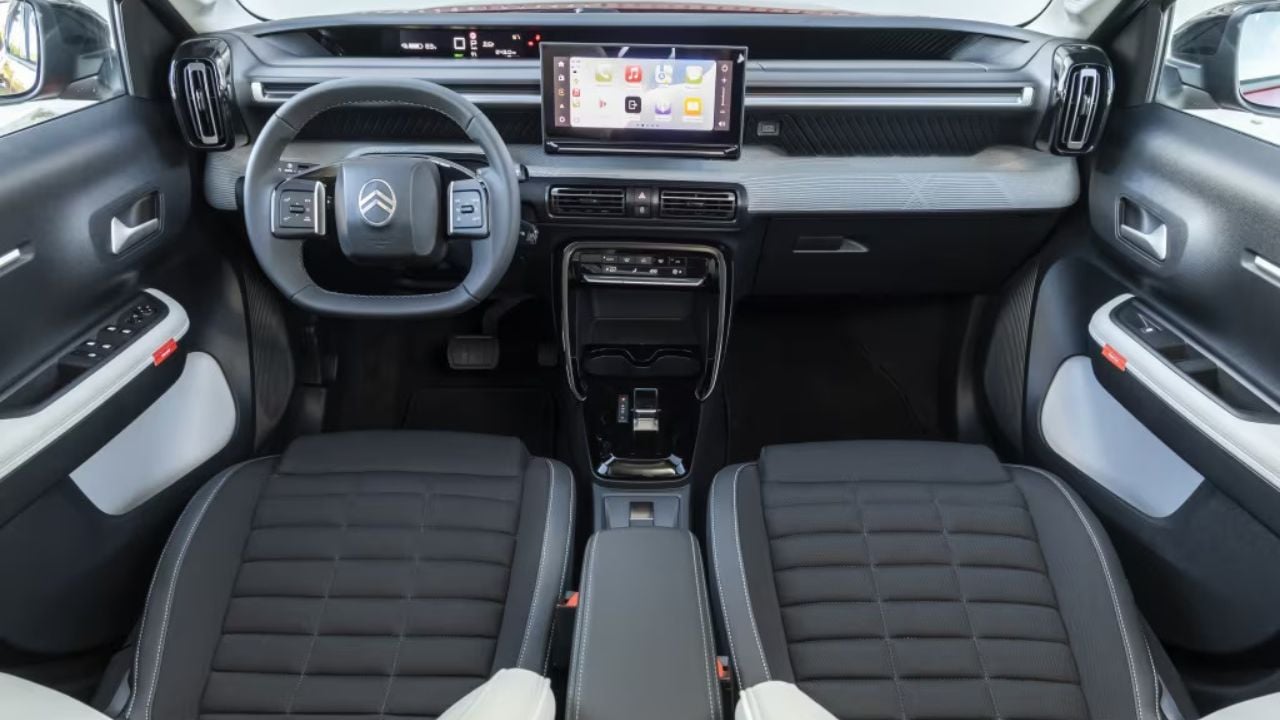
Chardon argues that many Chinese cars today have very similar cabins and minimalist dashboards. Citroën wants to offer a different identity and a more recognizable interior feeling.
The ELO concept is mentioned as an example of the brand’s future design direction, while the current C3 already shows the same philosophy of simplicity and easy operation.
The French automaker also has no plan to chase the best acceleration figures or extreme performance. Chardon makes it clear that Citroën has never been a brand aimed at buyers obsessed with the sprint to 62 mph.
Instead, space, comfort, and a relaxed feeling in daily driving remain the priorities.
Citroën Still Wants To Learn From China
Even with its different approach, Citroën admits that Chinese manufacturers have important lessons for the European industry, especially when it comes to development speed.
Chardon believes European companies must become much more efficient and faster when creating new vehicles. He says an 80% ready product delivered on time can sometimes be better than a perfect product that arrives too late.
At the same time, he warns that European manufacturers cannot fully copy the Chinese business model. As an example, he points to the practice of launching cars that are improved later through software and technical updates after sales begin.
Citroën had a negative experience with the C3, whose problems caused delays, recalls, and additional quality improvement programs.
Faster Development Without Losing Quality
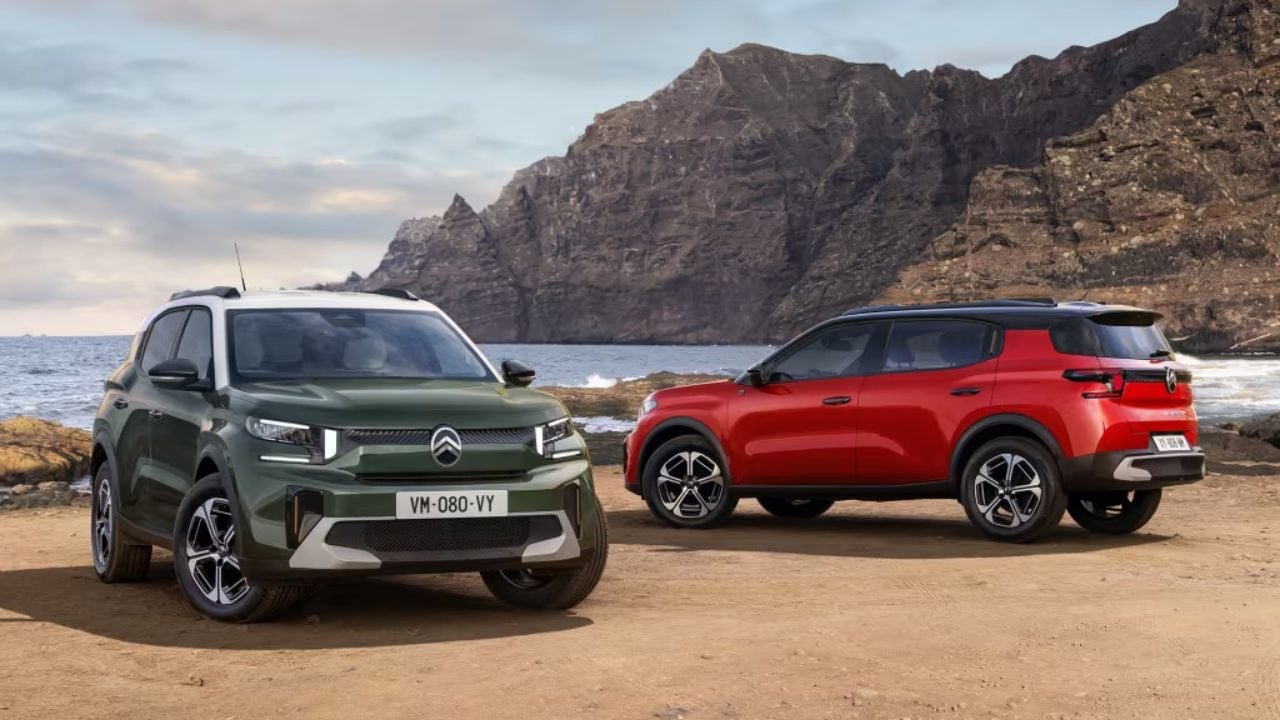
The company is now trying to find the right balance between faster development and preserved quality. Citroën wants to shorten the time needed to bring new models to market, but without making compromises that could hurt reliability.
At a moment when Europe’s car market is going through one of the biggest transformations in its history, Citroën clearly believes the answer to Chinese competition is not imitation.
Instead, the brand wants to strengthen its own identity and return to the values that made it recognizable for decades.
This article originally appeared on Autorepublika.com and has been republished with permission by Guessing Headlights. AI-assisted translation was used, followed by human editing and review.