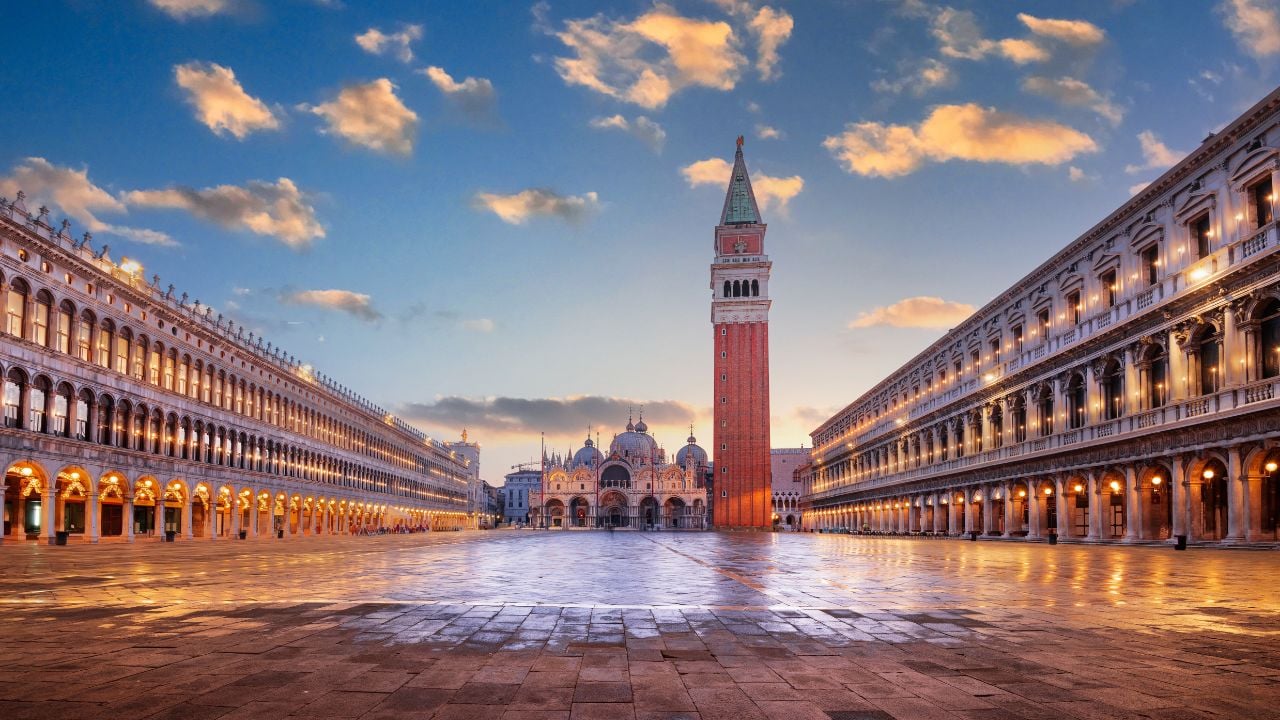
A useful walkable trip starts with a central hotel and a route that connects real stops before dinner. Coffee, a market or square, a museum or viewpoint, lunch, and an evening street should sit close enough that travelers are not moving a car between each one.
Porto has a downhill route from São Bento toward Ribeira and the Douro. Savannah uses public squares to break up the walk between Forsyth Park, City Market, River Street, restaurants, and house museums. Ljubljana puts its river, bridges, market, cafés, and castle access inside a car-free center.
Québec City has a compact old-city route, but hills and stairs make hotel location important. San Sebastián links La Concha, the marina, the Old Quarter, markets, and pintxo bars within one coastal day. Santa Fe’s walking plan should start around the Plaza, then split into Canyon Road or the Railyard as a separate block.
Bruges keeps canals, squares, medieval streets, museums, chocolate shops, beer cafés, and restaurants inside a UNESCO-listed historic center. Comfortable shoes, weather checks, restaurant timing, and a hotel close to the route still matter in every destination below.
1. Porto, Portugal
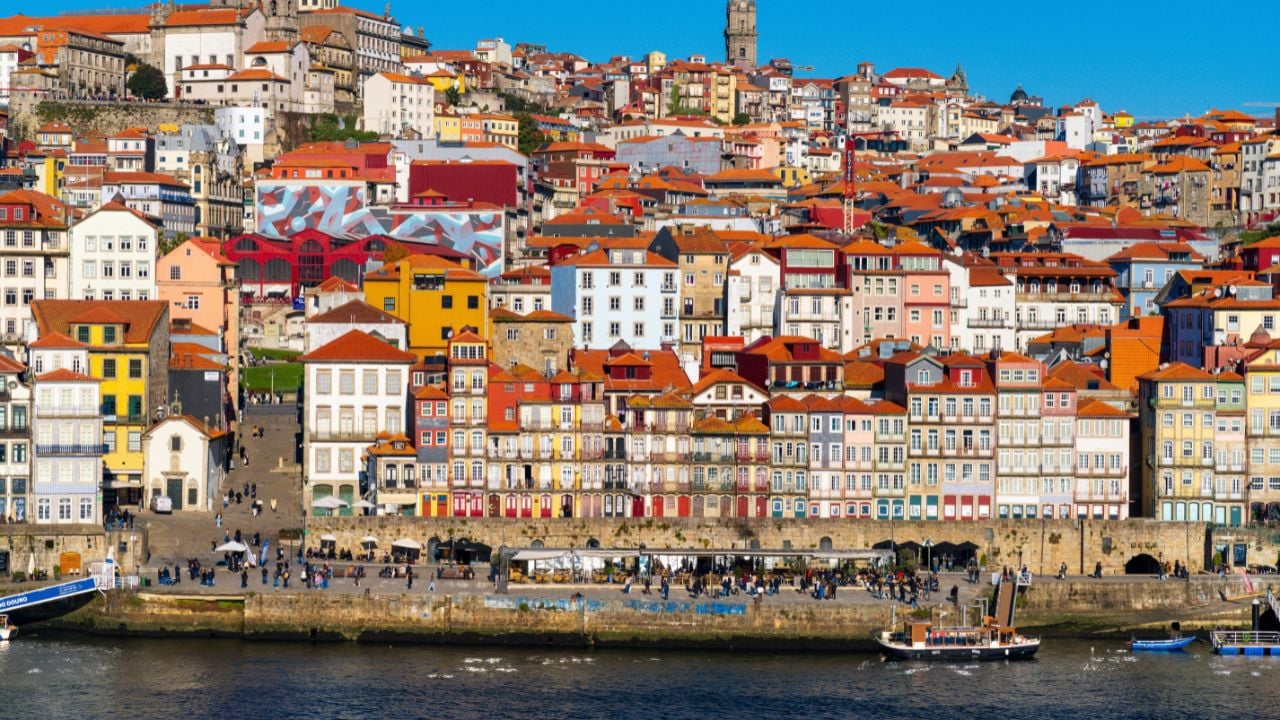
Porto’s first walk should start high and finish by the river. Visit Portugal points to São Bento Station as an ideal starting point, with the Cathedral nearby and medieval streets leading down toward Ribeira. That route gives travelers tilework, church stops, steep lanes, cafés, and Douro views before the day needs a taxi or metro ride.
From São Bento, travelers can move to the Cathedral, drop through the old streets to Ribeira, follow the riverfront, and cross Dom Luís I Bridge toward Vila Nova de Gaia. The return should be planned before dinner. Climbing back uphill after a long meal can be harder than the short map distance suggests.
UNESCO describes the Historic Centre of Oporto, Luiz I Bridge and Monastery of Serra do Pilar as an urban landscape built along hills overlooking the Douro River. The hills are part of Porto’s layout, but they also affect luggage, footwear, hotel choice, and evening plans.
A central hotel near São Bento, Aliados, Trindade, Ribeira, or a convenient metro stop reduces steep walks with bags. Porto’s main sights sit close together, but the city should not be planned as if it were flat.
2. Savannah, Georgia

Savannah’s walking day should start with the squares. Visit Savannah says the Historic Landmark District includes River Street, City Market, restored 18th- and 19th-century homes, museums, monuments, boutiques, restaurants, and 23 park squares. The squares create short pauses between food stops, museums, historic streets, and riverfront time.
A practical route can start at Forsyth Park and move north through the grid. Chippewa Square, Oglethorpe Square, Ellis Square, City Market, and River Street can fill a day without leaving the central district. The route becomes harder if Tybee Island, Bonaventure Cemetery, or a farther-out dinner reservation is added to the same afternoon.
Visit Savannah’s guide to squares and parks says 23 of the original 24 squares remain today. Those squares provide shade, benches, monuments, trees, and short breaks between streets lined with restaurants, houses, shops, and historic buildings.
A no-car Savannah weekend should be based in or near the Historic District. Tybee Island, Bonaventure Cemetery, and other outer stops should be handled with a tour, rideshare, or planned transfer instead of being squeezed between River Street and dinner.
3. Ljubljana, Slovenia

Ljubljana removes regular car traffic from the main old-town route. Visit Ljubljana says the city center has been closed to motor traffic since 2007 and includes 20 hectares of pedestrian zones, described as the largest car-free area in the European Union.
The river gives the walk a clear line. Prešeren Square, Triple Bridge, the Central Market, riverside cafés, Dragon Bridge, old-town streets, and the castle funicular can sit inside one arrival-day plan. Travelers who want the castle view can use the funicular instead of turning the first afternoon into a steep climb.
The car-free area keeps the route concentrated around outdoor tables, bridge crossings, market stalls, short side streets, and river paths. A hotel close to the pedestrian zone reduces the need for transfers before dinner or after a late café stop.
Regional trips should stay out of the first Ljubljana walking day. Lake Bled, cave visits, and coastal or Alpine excursions need separate planning, while the old center can carry its own route with the river, market, bridges, castle access, and dinner nearby.
4. Québec City, Canada
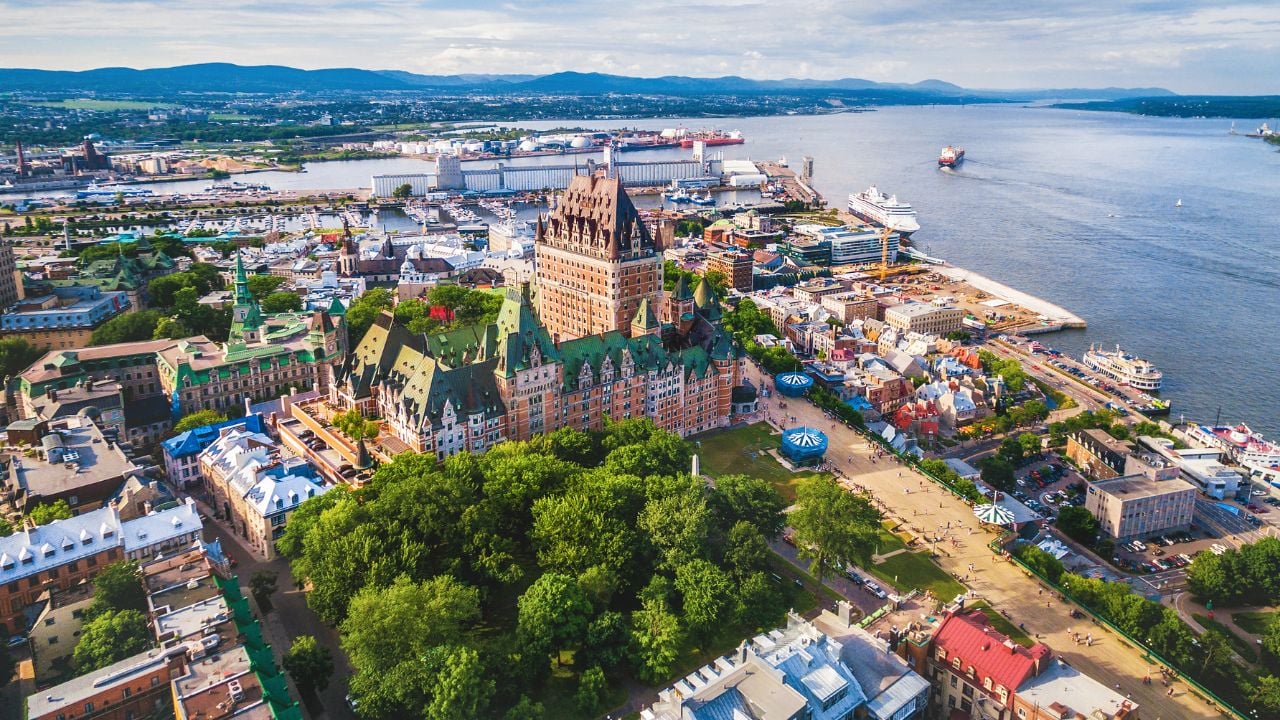
Québec City gives walkers a defined historic core rather than a spread-out sightseeing map. Québec City Tourism describes Old Québec as a UNESCO World Heritage Site and the most intact fortified town north of Mexico, with colonial architecture retained for more than 400 years.
A first route can stay between Château Frontenac, Dufferin Terrace, the fortifications, church stops, cafés, shops, Place Royale, the Old Port, and river views. Visitors staying close to Old Québec can handle the main historic streets without a car.
UNESCO describes the Historic District of Old Québec as an urban area of about 135 hectares, with Upper Town on Cap Diamant and Lower Town around Place Royale and the harbour. Upper Town and Lower Town involve hills, stairs, cobblestones, and elevation changes, so the hotel’s exact street matters.
Travelers with mobility concerns should check elevation, stairs, winter conditions, and parking before booking. Drivers should confirm parking before arrival and leave the vehicle parked for the old-city portion of the trip.
5. San Sebastián, Spain
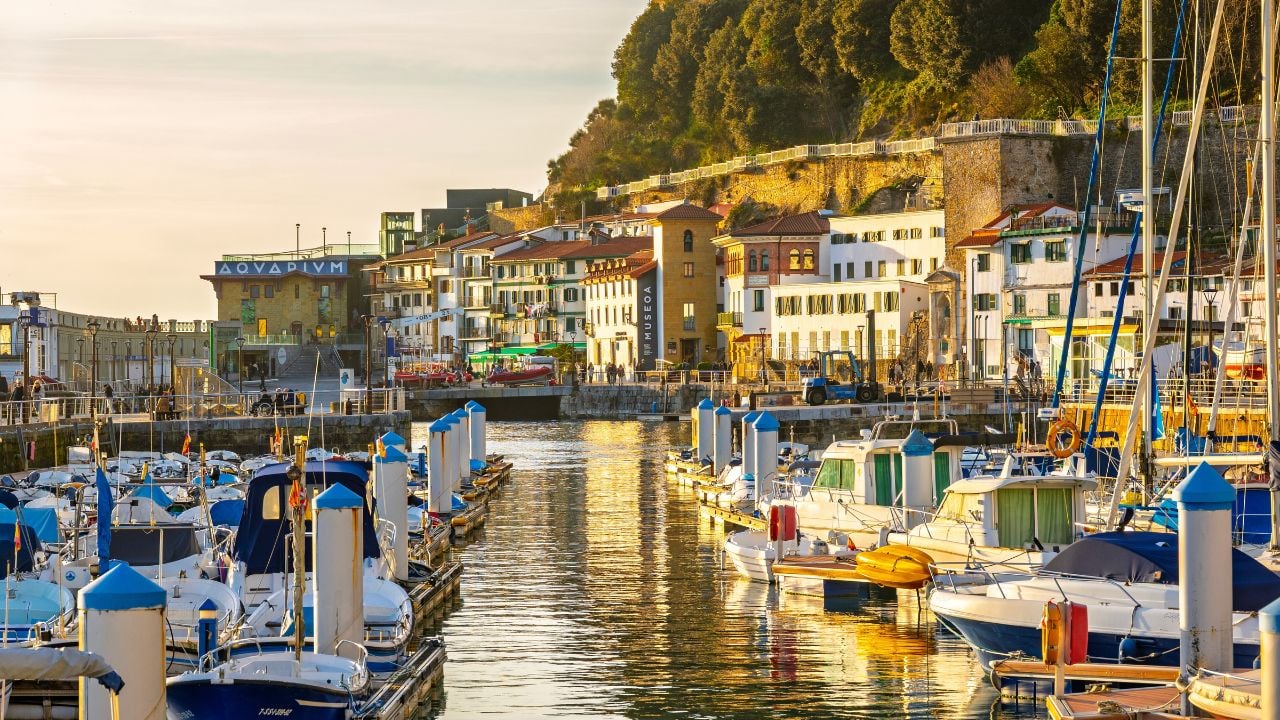
San Sebastián’s walking route comes from the short distance between beach, old streets, and food. Donostia San Sebastián Tourism says the Centre and Old Quarter include narrow streets, pintxo bars, restaurants, and the city’s oldest market. The same guide points to the Old Town, the Romantic Area, City Hall, Victoria Eugenia Theatre, Hotel María Cristina, and Buen Pastor Cathedral.
A first day can move from La Concha to the marina, the Aquarium area, and the Old Quarter. Pintxo bars keep dinner flexible because travelers can order a small plate, move to the next bar, and stay on foot instead of committing the evening to one distant reservation.
The official beach guide lists La Concha, Ondarreta, Zurriola, and Santa Clara Island as beach options, each with a different setting. La Concha fits the classic bay walk, Ondarreta sits farther west, Zurriola is more surf-focused, and Santa Clara adds an island option when access and conditions allow.
Viewpoints need time. Monte Igueldo, Monte Urgull, Zurriola, the Aquarium, the Old Quarter, and pintxo stops should not all be added after a long lunch. A tighter route keeps the beach, food, and waterfront inside one realistic walking day.
6. Santa Fe, New Mexico

Santa Fe’s walkable day should start at the Plaza and stay close to downtown before branching out. Tourism Santa Fe describes Plaza and Downtown as the original city center, with the historic Plaza, the Palace of the Governors, classic architecture, restaurants, galleries, boutiques, bookstores, museums, and hotels nearby.
A downtown route can move from the Plaza toward Palace Avenue, the Palace of the Governors area, the Cathedral Basilica area, central galleries, restaurants, and nearby museums. Staying near the Plaza reduces the need to drive between dinner, shops, galleries, and central museum stops.
Canyon Road should be treated as a separate walking block, not as a throwaway add-on. Tourism Santa Fe says Canyon Road has more than 100 galleries along a half-mile, tree-lined, pedestrian-friendly stretch. Visitors who want galleries, courtyards, studios, restaurants, and adobe buildings should give that area its own half-day.
The Railyard, nearby trails, spa time, and scenic drives can fill another part of the trip. Santa Fe’s elevation, sun exposure, and regional driving distances should be checked before combining a downtown walk with a hike or high-desert excursion on the same day.
7. Bruges, Belgium
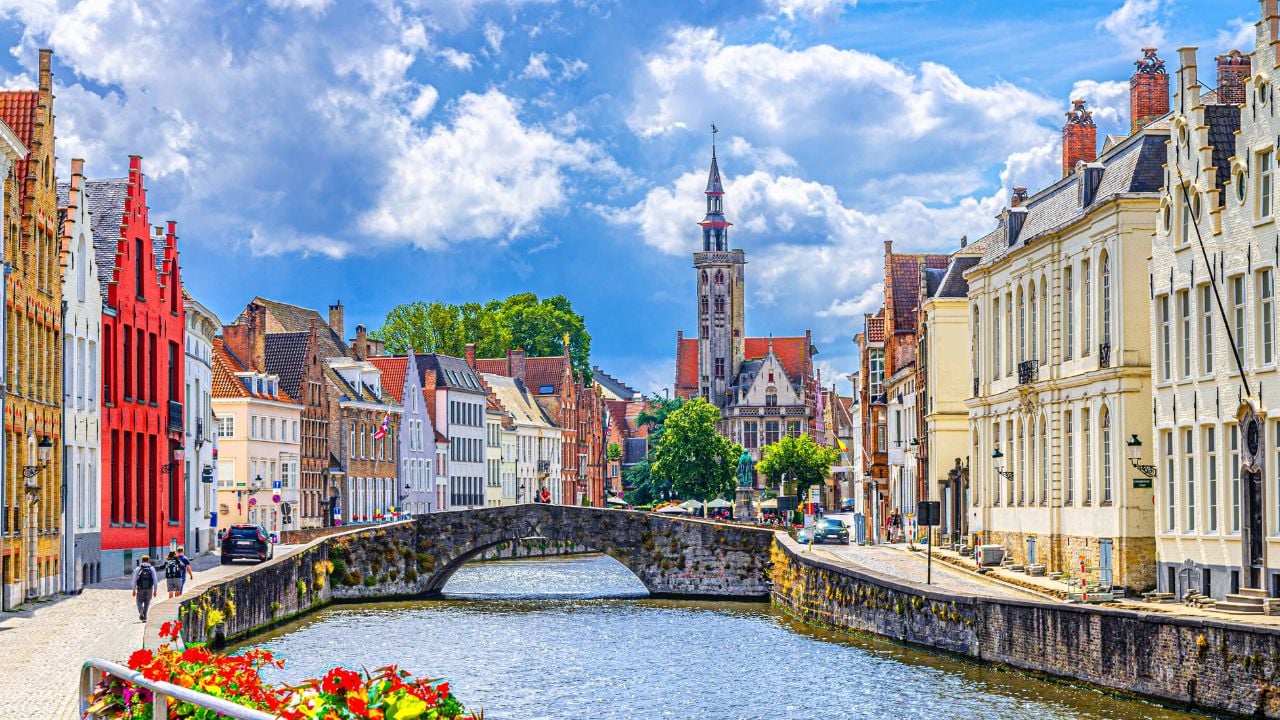
Bruges keeps much of its visitor route inside the historic center. Visit Bruges describes the city as a UNESCO World Heritage City with medieval heritage, Flemish art, and historic streets. UNESCO describes the Historic Centre of Brugge as a medieval historic settlement that has maintained its historic fabric over the centuries.
A first route can start around Markt or Burg Square, then continue toward canals, bridges, museums, chocolate shops, beer cafés, and quiet side streets. Visitors can keep the day inside the center instead of using transport between every stop.
The canals give walkers another route through the same city. Visit Bruges encourages visitors to stroll along the canals, which it calls the veins of the city, and look for medieval façades reflected in the water. A canal walk can connect squares, bridges, waterside houses, and café stops without requiring a timed tour.
Bruges needs more than a rushed stop between trains if the goal is a slower walkable trip. A full day allows time for the central squares, canals, one museum or church stop, a food break, and a return walk after the busiest day-trip hours.