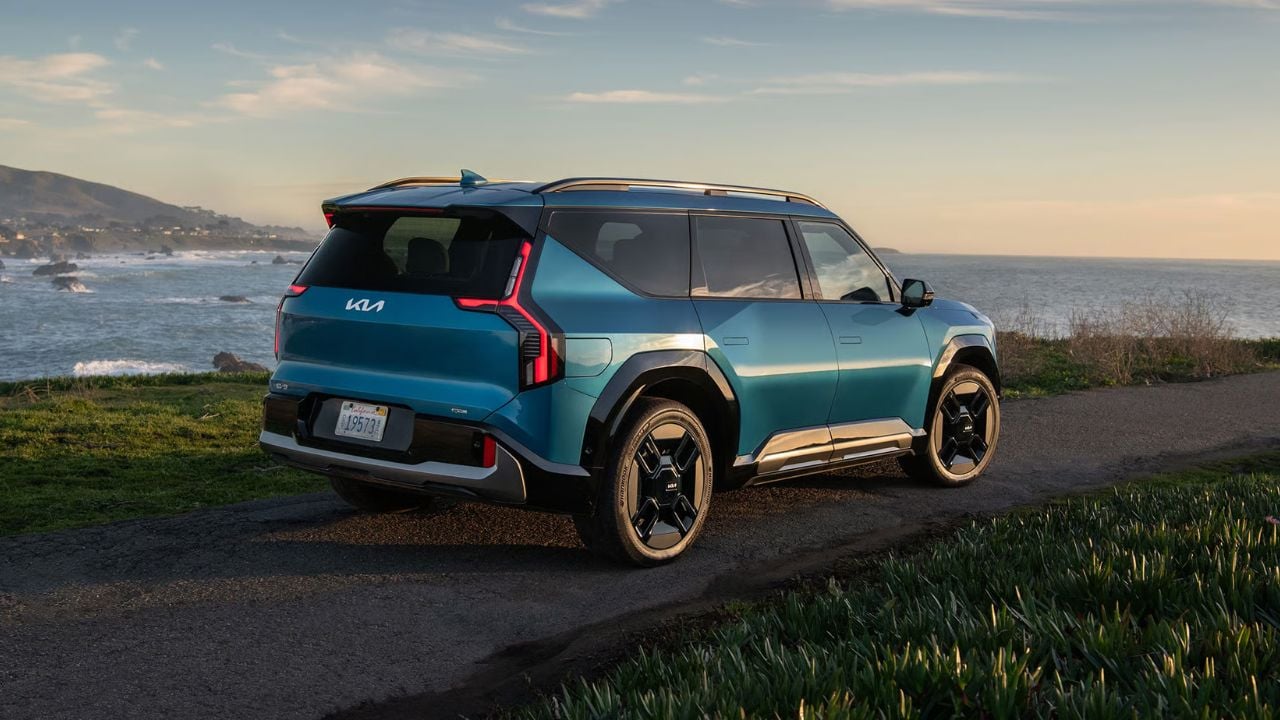
A great family EV has to do more than feel impressive on a short test drive. It has to make the school run calmer, the grocery stop easier, the road trip less stressful, and the charging routine simple enough that the whole household can trust it.
The strongest choices in 2026 understand family life as a routine, not a brochure scene. Seats get folded. Phones need charging. Kids need space. Drivers need range confidence. Parents want safety technology that helps without turning the dashboard into a distraction.
This list focuses on EVs that feel ready for real American family use, from affordable five-seat crossovers to true three-row electric SUVs. Every model here is available in the U.S. market and earns its place through daily usefulness, not showroom novelty.
The final group also had to make the electric switch feel practical. Range, cargo space, rear-seat comfort, charging speed, public-charging access, pricing, and ease of ownership mattered more than extreme performance or luxury image.
The Family EV Standard Behind These Picks
This selection used a family-first standard. Every model had to be available to U.S. buyers, offer credible driving range, provide useful passenger and cargo space, and make charging easier through fast-charging ability, strong route planning, broad public-charging access, or a combination of those advantages.
Safety technology, rear-seat comfort, cabin storage, pricing logic, warranty support, and long-distance confidence also shaped the final list. A good family EV should feel easy on a weekday and still feel prepared when a weekend trip stretches farther than expected.
Three-row EVs received close attention because they solve the hardest family problem. Five-seat models made the list when their value, cargo room, efficiency, charging access, and everyday comfort made them especially strong choices for smaller households.
Kia EV9
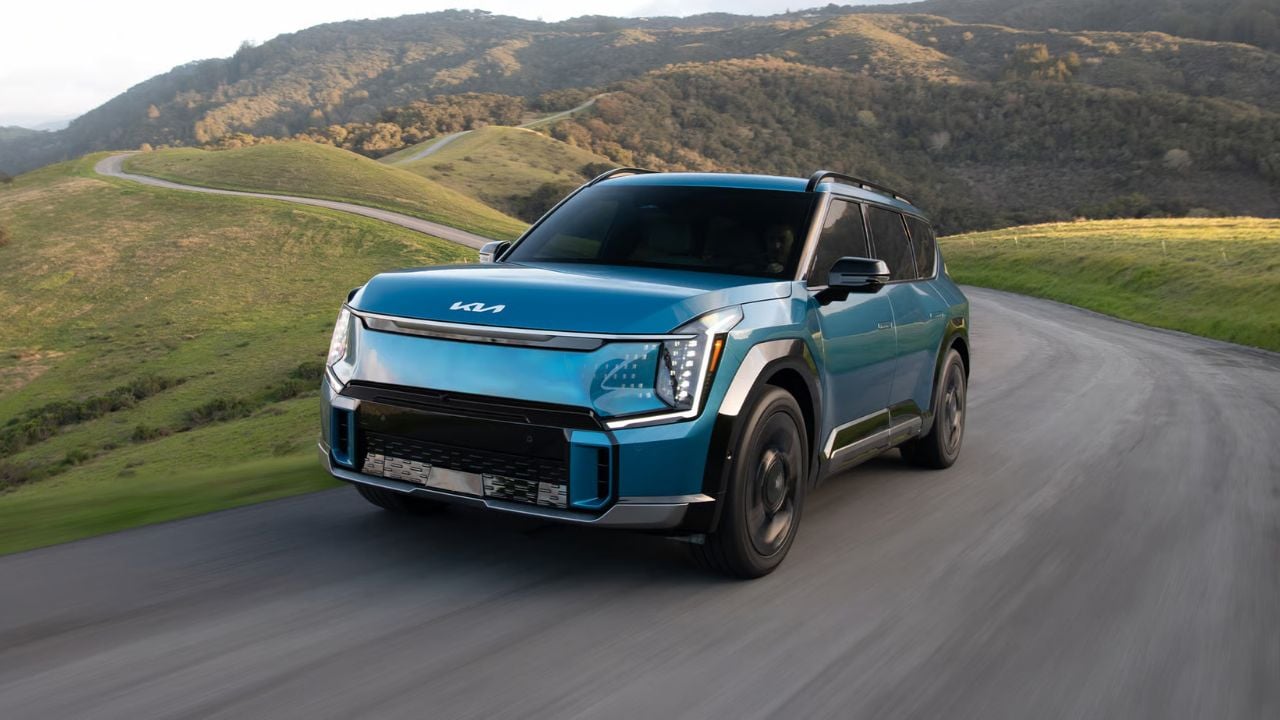
The Kia EV9 is the most convincing electric replacement for a traditional three-row family SUV. Kia lists the 2026 EV9 with seating for up to seven passengers, up to 305 miles of EPA-estimated range, and ultra-fast DC charging from 10 to 80% in as little as 24 minutes on a 350-kW charger.
The cargo space also fits real family use. Kia lists 20.2 cubic feet behind the third row, 43.5 cubic feet behind the second row, and 81.7 cubic feet with both rear rows folded.
The EV9 works because the third row is treated as part of the vehicle’s purpose, not an emergency jump seat. USB-C ports, available lounge-style seating, broad safety content, and usable road-trip range make it one of the easiest EVs to recommend for larger households.
It also has a built-in NACS charge port for 2026, which helps remove some of the charging confusion that can make first-time EV ownership feel more complicated than it needs to be.
Hyundai Ioniq 9
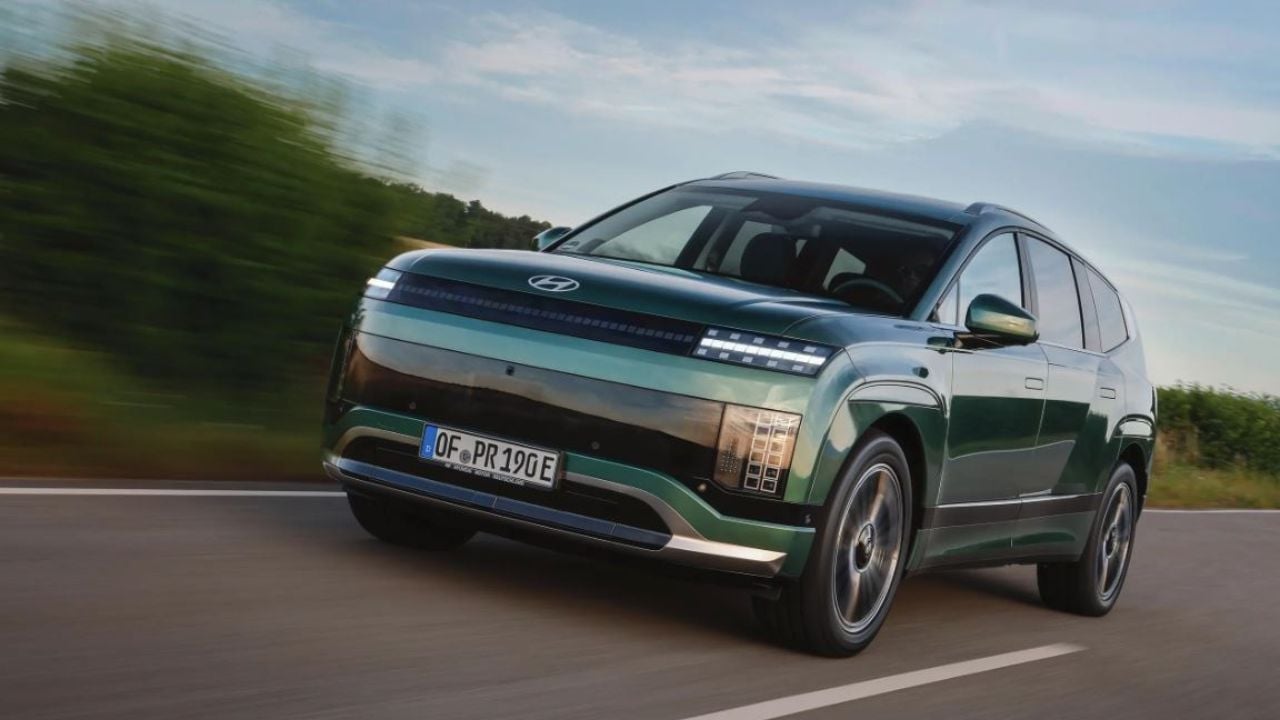
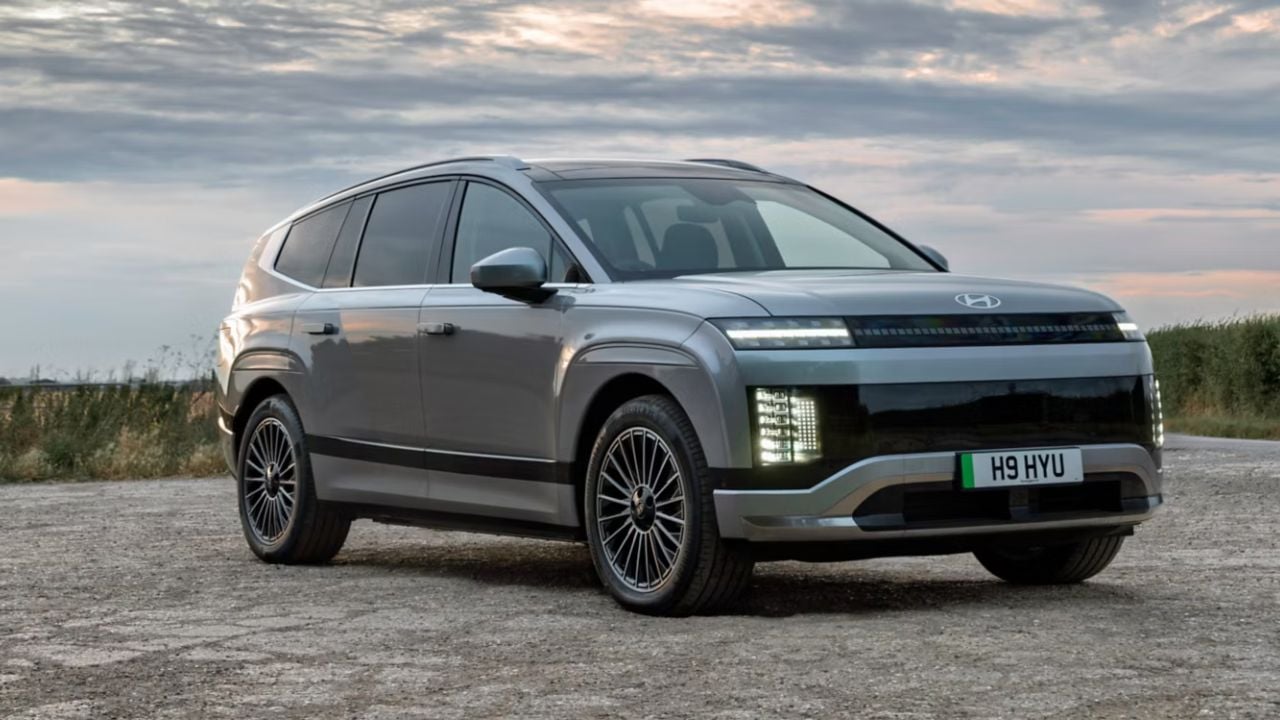
The Hyundai Ioniq 9 gives families a smoother, roomier take on the three-row EV formula. Hyundai says the 2026 Ioniq 9 starts at $60,555 including destination and delivers up to 335 miles of EPA-estimated range in S RWD form.
Every 2026 Ioniq 9 trim is rated above 300 miles, with SE and SEL AWD trims at 320 miles and Limited, Calligraphy, and Calligraphy Design trims at 311 miles. Hyundai also lists approximately 24-minute charging from 10 to 80% on a 350-kW, 800V DC ultra-fast charger using the included CCS adapter.
The cabin is built around people rather than just battery packaging. A flat floor, available relaxation seats, generous USB-C access, and a sliding center console make the interior easier to use when the second and third rows are occupied.
Cargo space is another strength, with 21.9 cubic feet behind the third row and up to 86.9 cubic feet with the rear seats folded. This is the calm long-distance choice for families moving out of a gas-powered three-row SUV.
Tesla Model Y
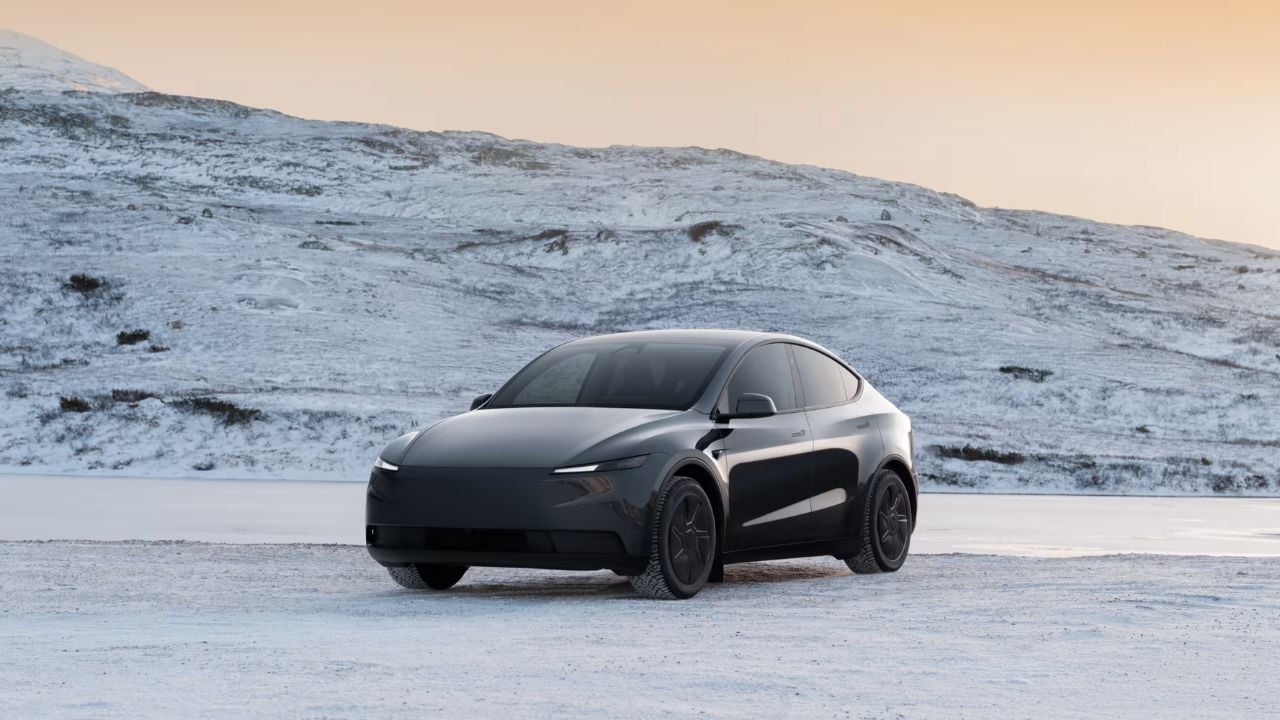
The Tesla Model Y remains one of the strongest family EVs because it makes charging and route planning feel unusually simple. Tesla lists the Model Y Premium RWD with 357 miles of EPA-estimated range, 76 cubic feet of cargo space, and seating for five adults.
The Premium AWD version offers 327 miles of EPA-estimated range, dual-motor all-wheel drive, the same 76 cubic feet of cargo space, and available seating for up to seven. Tesla notes that the seven-seat configuration is only available on the Model Y Premium All-Wheel Drive.
The optional third row is best viewed as occasional seating for children or short trips, not a full replacement for a larger three-row SUV. The bigger strengths are cargo space, efficiency, software, route planning, and the Supercharger network.
For families new to EV ownership, the Model Y removes several common pain points. The app, navigation, rear touchscreen, and charging ecosystem make it one of the easiest electric crossovers to live with.
Hyundai Ioniq 5

The Hyundai Ioniq 5 is the five-seat EV that feels closest to a relaxed family lounge. Hyundai lists 2026 Ioniq 5 range at up to 318 miles for SE, SEL, and Limited RWD trims, while SE and SEL AWD versions offer up to 290 miles.
The biggest family advantage is charging speed. Hyundai says the 2026 Ioniq 5 can charge from 10 to 80% in approximately 20 minutes on a 350-kW, 800V DC ultra-fast charger using the included CCS adapter.
The long wheelbase and flat floor help the cabin feel open, especially for rear-seat passengers. Cargo capacity reaches about 59.3 cubic feet with the rear seats folded, which is enough for strollers, luggage, sports gear, or a large grocery run.
It is smaller than the EV9 or Ioniq 9, but many families do not need three rows. For households that need five seats, fast charging, a comfortable cabin, and easy daily usability, the Ioniq 5 remains one of the best-balanced electric crossovers on sale.
Chevrolet Equinox EV
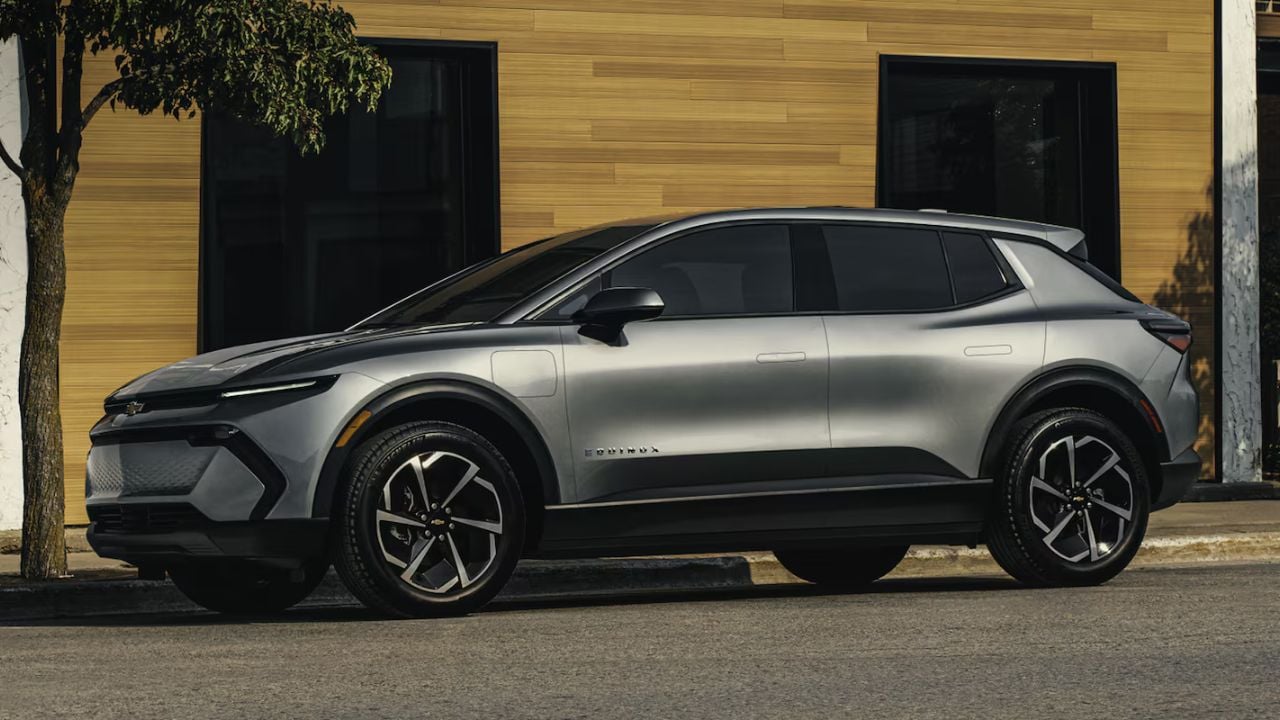
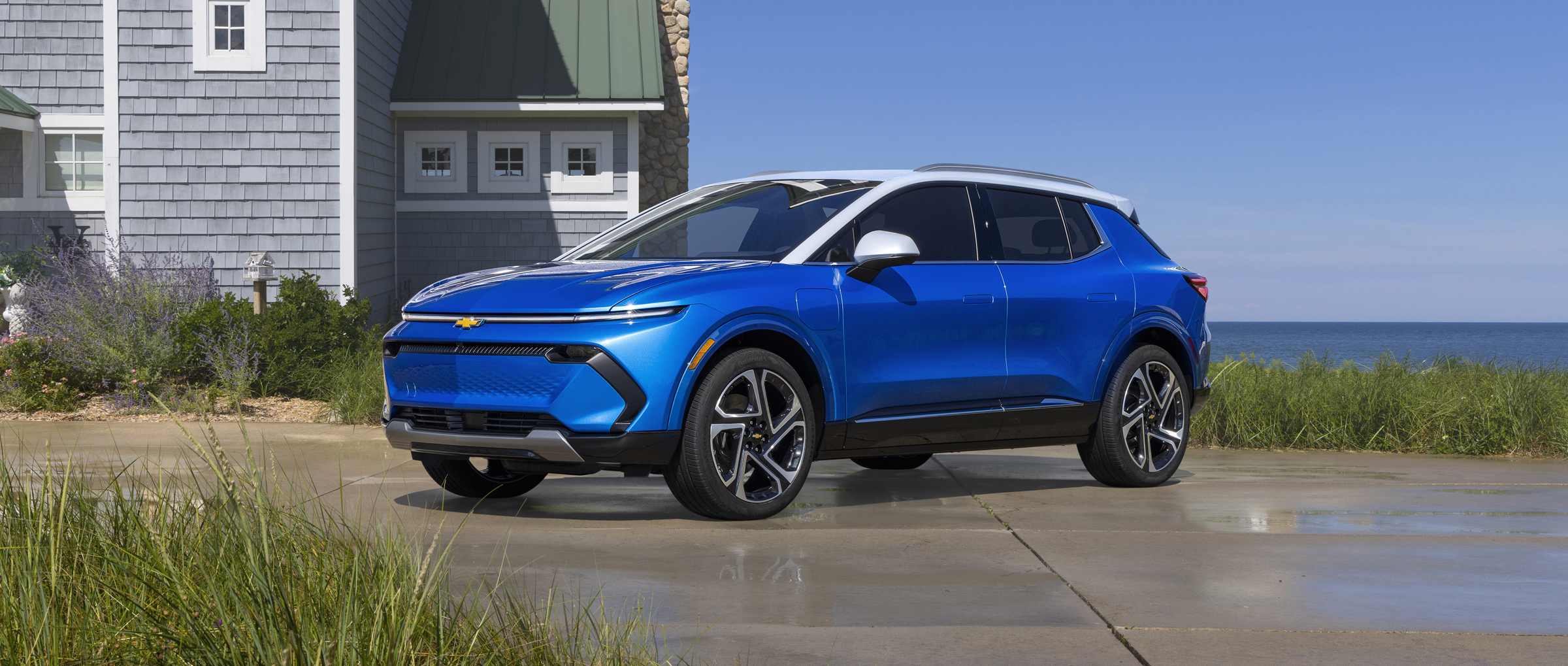
The Chevrolet Equinox EV earns its place by making family EV ownership feel financially reachable. Chevrolet lists the 2026 Equinox EV LT 1 from $34,995, with 319 miles of EPA-estimated range in front-wheel-drive form and 307 miles with available all-wheel drive.
The practical equipment is strong for the price. Chevrolet lists seating for up to five, 57.2 cubic feet of maximum cargo volume, a dual-height cargo floor, more than 20 standard safety and driver-assistance features, and a 17.7-inch center touchscreen.
Charging is not as quick as the Hyundai and Kia entries, but it is still workable for family use. Chevrolet says the 2026 Equinox EV can charge from 10 to 80% in approximately 42 minutes, and FWD models can add up to 84 miles in 10 minutes with public DC fast charging.
The Equinox EV is the sensible entry point here. It gives commuters, small families, and first-time EV buyers useful range, modern tech, real cargo room, and a lower starting price without pushing them into luxury territory.
The EVs That Make Family Life Feel Easier
The best family EVs make the electric transition feel less intimidating by solving normal household problems first. They need usable range, flexible cargo space, comfortable rear seats, clear route planning, and charging speeds that do not turn every trip into a calculation.
This group covers several kinds of families. The EV9 and Ioniq 9 are the strongest choices for true three-row electric travel. The Model Y still has a major advantage for charging convenience. The Ioniq 5 is one of the easiest five-seat EVs to live with. The Equinox EV makes the price of entry feel more realistic.
The right EV should feel trustworthy on Monday morning and still feel ready when the weekend stretches farther than expected. That balance matters more than one headline number.
For many families, the easiest electric switch will not come from the flashiest EV. It will come from the one that makes school runs, errands, road trips, cargo days, and charging stops feel normal.