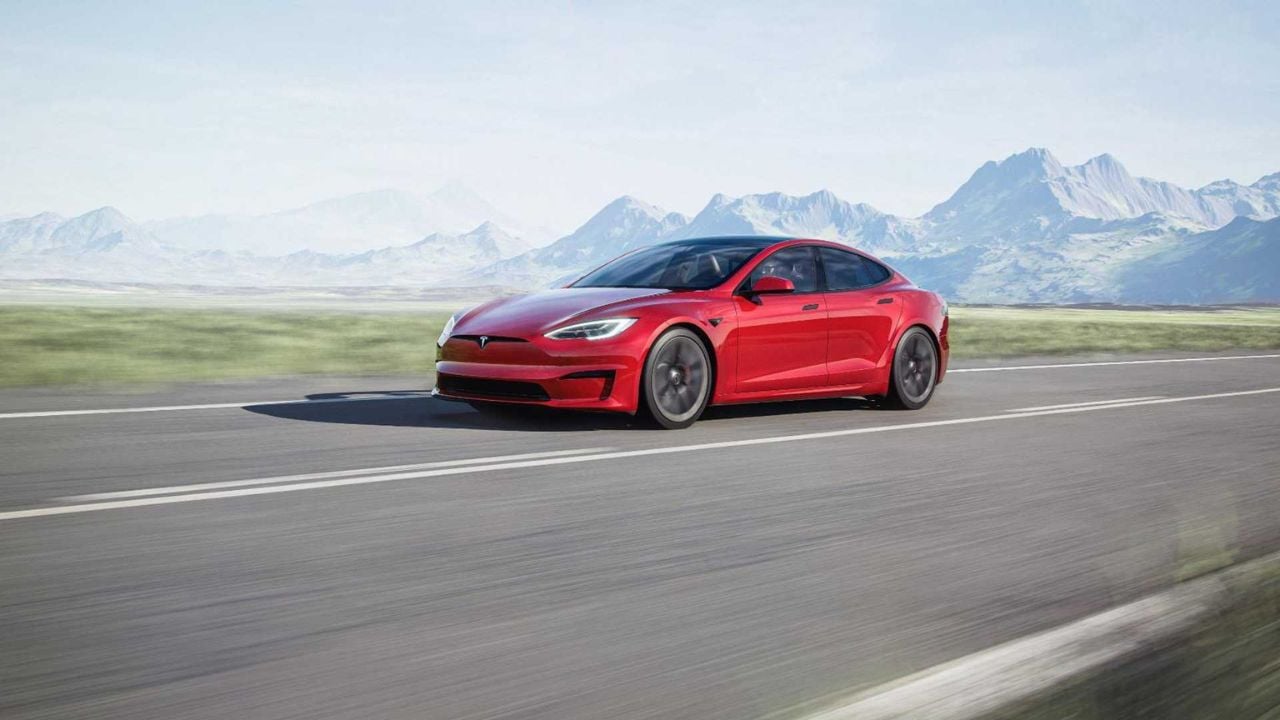
Nobody wants surprises when they are backing out of a parking spot, but that is exactly the kind of trouble nearly 219,000 Tesla owners may have been dealing with. Tesla has officially recalled 218,868 vehicles after federal safety regulators flagged a rearview camera problem that causes the image to lag when the car is put in reverse. In plain terms, you shift into reverse, and instead of seeing what is behind you right away, the camera takes a beat, leaving drivers with a brief but potentially dangerous blind spot.
The National Highway Traffic Safety Administration issued the recall notice on May 5, pointing out that the delayed camera feed does not meet federal rear visibility standards, which exist for a very good reason: people and objects behind a vehicle should be visible the moment a driver needs that information. A fraction of a second of delay can be the difference between a close call and an actual collision.
What makes this recall particularly notable is the sheer range of vehicles affected. This is not a niche issue limited to one obscure trim level. It cuts across some of Tesla’s most popular and widely owned models, which means the likelihood that someone you know has a recalled vehicle is pretty high. If you or anyone in your household drives a Tesla, this one is worth paying attention to.
The good news, and there is genuinely good news here, is that Tesla has already developed a fix and it does not require a single trip to the dealership. The company is pushing out a free over-the-air software update, which is about as painless as a recall remedy can get in the automotive world.
Which Tesla Models Are Included in the Recall?
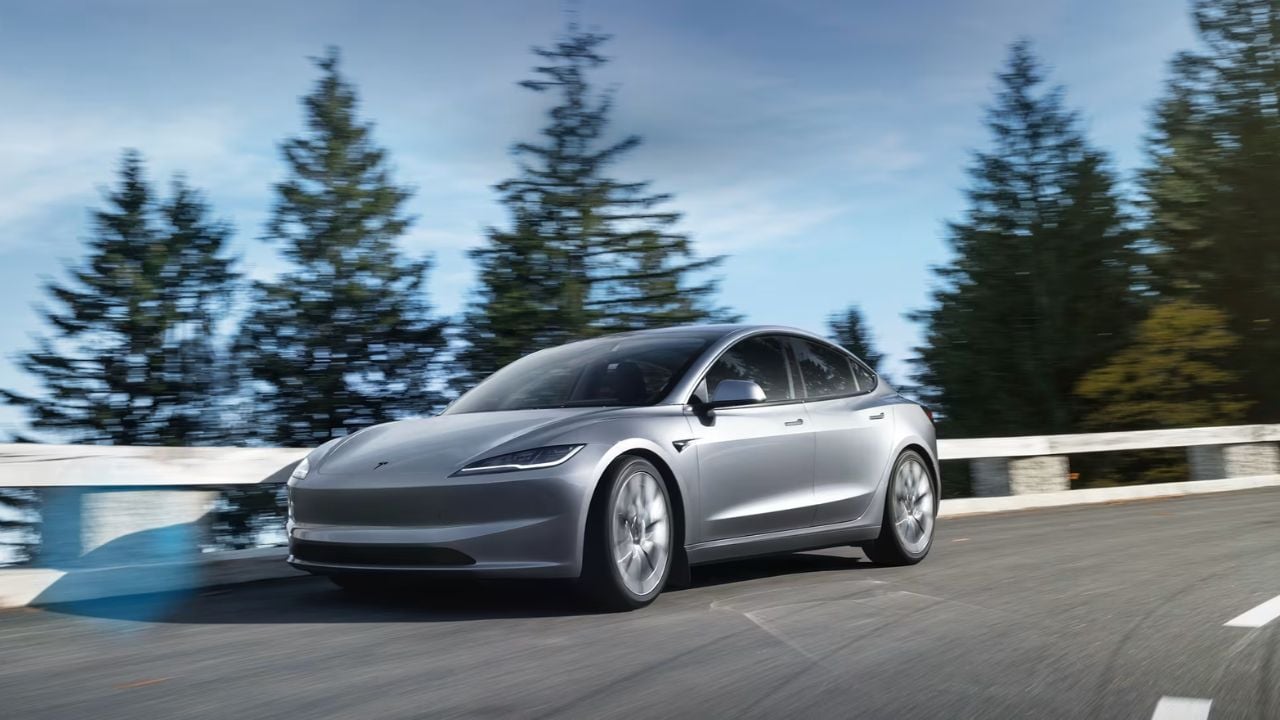
The recall applies to a fairly wide swath of Tesla’s lineup. Affected vehicles include certain 2017 and 2021 through 2023 Model 3 units, 2020 through 2023 Model Y vehicles, and 2021 through 2023 versions of the Model S and Model X. The common thread tying all of these together is that they are running software version 2026.8.6. If your Tesla falls into one of these categories and is running that software, it is part of the recall pool.
It is worth noting that the Model Y has been one of the best-selling vehicles in the United States in recent years, not just among electric vehicles but across all car sales. That alone suggests a significant number of everyday drivers are potentially affected by this issue, making the recall scope feel even more relevant.
How to Get Your Tesla Fixed
Here is where Tesla actually has a bit of a leg up on traditional automakers when it comes to recalls. Rather than scheduling a service appointment and sitting in a waiting room for hours, affected Tesla owners simply need to receive the over-the-air software update the company has already released. The fix comes to you, not the other way around.
Tesla will begin mailing official recall notification letters to affected owners on July 3. If you have questions before that letter arrives or want to confirm whether your specific vehicle is included, you can reach Tesla customer service directly at 1-877-798-3752. Owners can also check the NHTSA website using their vehicle identification number to look up any open recalls.
It is also worth keeping in mind that federal law requires automakers to provide recall repairs free of charge. So whether Tesla delivers this fix through a software update or any additional service becomes necessary, owners should not be paying out of pocket.
What We Can Learn From This Incident
Recalls are never great headlines for an automaker, but this one actually reveals something interesting about how the industry is changing. The fact that Tesla can push a fix directly to nearly 219,000 cars through a software update is a capability that traditional automakers are still scrambling to replicate. A recall that once would have meant hundreds of thousands of dealer visits is now resolved on a Tuesday night while the car sits in the driveway.
That said, the incident is a useful reminder that software-defined vehicles carry software-defined risks. As cars become increasingly reliant on complex operating systems and frequent updates, new categories of safety issues come with that territory. Rearview cameras are federally mandated safety equipment, not a bonus feature, and a software bug affecting one is a serious matter regardless of how convenient the fix might be.
For Tesla owners specifically, this is also a nudge to keep vehicle software updated and to stay informed about any open recalls on your vehicle. The NHTSA recall database is publicly accessible and takes about 30 seconds to check. Given how much we rely on backup cameras during everyday driving, it is a small but worthwhile habit to stay current.