
Tesla is recalling nearly 219,000 vehicles in the United States after a software issue was found to delay the rearview camera display when drivers shift into reverse. The recall affects several older versions of the Model 3, Model S, Model X, and Model Y equipped with the company’s Hardware 3 system.
According to documents filed with the National Highway Traffic Safety Administration, the defect can cause the rear camera image to appear up to 11 seconds late. Federal safety standards require rear visibility systems to display an image within two seconds after reverse is engaged, making the delayed feed a compliance issue.
Tesla says the problem is tied to software version 2026.8.6 installed on vehicles using Hardware 3, the company’s previous-generation self-driving computer. Although the issue does not disable the camera permanently, the delay could increase the risk of a collision during parking or low-speed reversing maneuvers.
The automaker has already begun addressing the problem through over-the-air software updates, continuing Tesla’s strategy of resolving many vehicle issues remotely rather than through traditional dealership service appointments.
Which Tesla Models Are Affected?
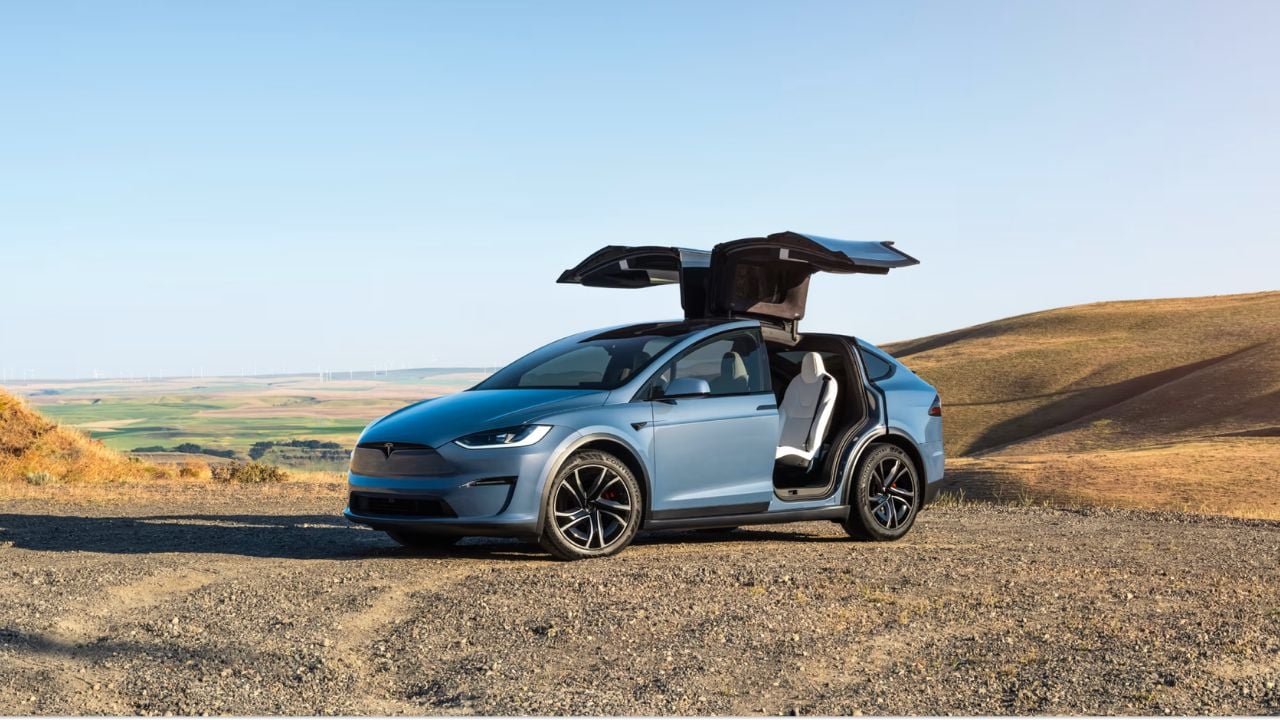
The recall covers 218,868 vehicles across four Tesla model lines. Affected vehicles include select 2017 and 2021-2023 Model 3 sedans, 2021-2023 Model S and Model X vehicles, and 2020-2023 Model Y crossovers.
Tesla says the recall only applies to vehicles equipped with Hardware 3, often referred to internally as HW3. The company stopped producing HW3-equipped vehicles in early January 2024 as it transitioned to newer hardware systems, which is why newer models and the Cybertruck are not included in the recall.
The issue was first identified on April 10 when Tesla’s firmware engineering team discovered that certain software configurations could interrupt camera streams being sent to the vehicle’s Media Control Unit. That interruption caused the rearview image to remain blank or delayed for several seconds after selecting reverse.
Software Fix Already Rolling Out
Tesla responded quickly once the issue was identified. The company halted deployment of the affected software version and began sending corrected software, version 2026.8.6.1, to vehicles beginning April 11.
According to the recall filing, Tesla estimates that more than 99.9 percent of affected vehicles have already received the updated software. Owners do not need to visit a service center if their vehicle has successfully installed the latest update.
Formal owner notification letters are expected to be sent beginning July 3. Tesla has not explained why the official notification process is scheduled several months after the fix rollout already began.
Drivers experiencing camera delays are encouraged to verify that their vehicles are running the latest software version. Tesla says the update fully resolves the issue.
No Reported Injuries or Crashes

As of May 1, Tesla reported 27 warranty claims and two field reports potentially related to the rear camera issue. The company stated it is not aware of any crashes, injuries, or fatalities connected to the defect.
Rearview camera recalls have become increasingly common across the industry as modern vehicles rely heavily on software-controlled displays and camera systems. Because federal regulations now require rear visibility systems on passenger vehicles, even temporary display failures often trigger recalls.
The incident also highlights how central camera systems have become to Tesla’s broader vehicle philosophy. CEO Elon Musk has repeatedly argued that camera-based systems can provide sufficient data for advanced driver assistance and autonomous driving features without relying heavily on radar or lidar sensors.
While this recall involves a relatively basic reversing camera rather than Tesla’s Full Self-Driving technology, it still underscores how even small software errors can affect critical vehicle functions in increasingly software-defined cars.