A light travel day needs a route, not a long checklist. Coffee, a market, a park, a waterfront walk, lunch, and a sunset viewpoint should sit close enough that travelers are not spending the day in taxis or moving the car between every stop.
Ljubljana can start along the Ljubljanica River, continue through the Central Market and bridge crossings, then move toward the castle funicular before dinner back near the old center. Valencia can pair the Central Market and historic streets with Turia Garden, then save the beach or City of Arts and Sciences for a separate block. Copenhagen can use Nyhavn, bakeries, harbor paths, Christianshavn, and part of the Harbour Circle without turning the day into a museum checklist.
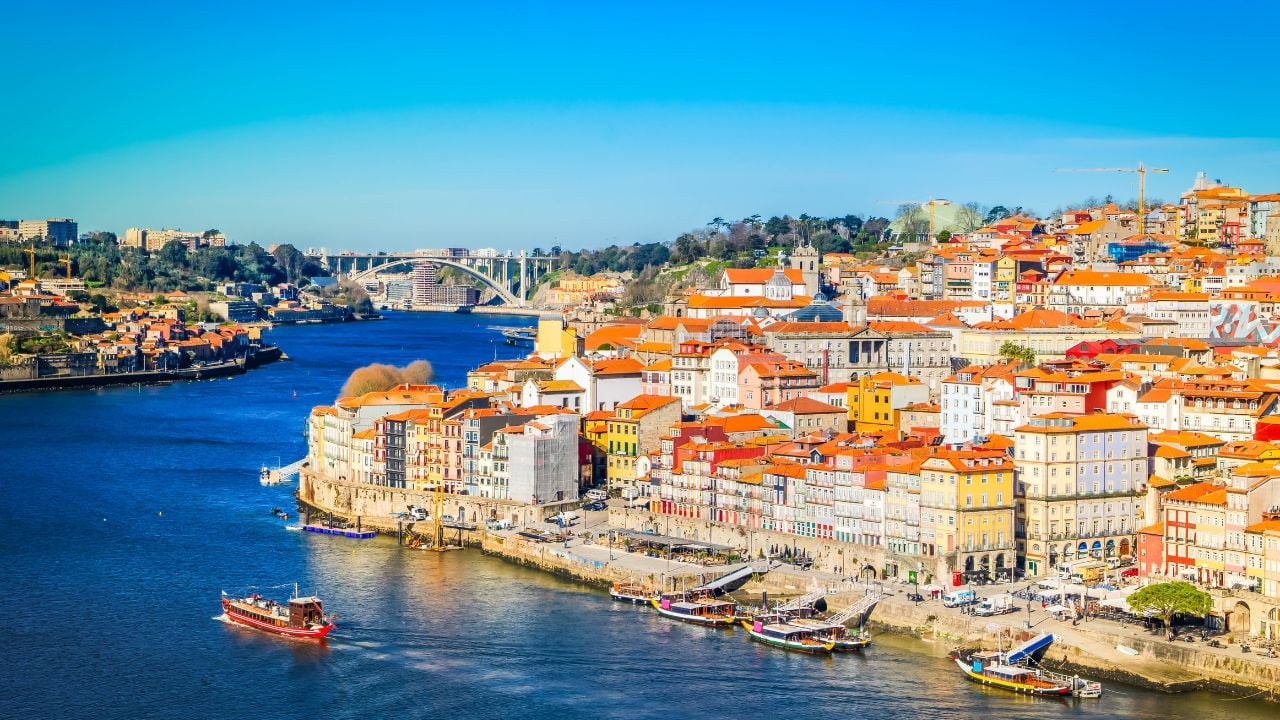
Porto gives travelers a route from São Bento down to Ribeira, across Dom Luís I Bridge, and toward Vila Nova de Gaia before sunset. San Sebastián can move from coffee near the center to La Concha, the marina, the Old Town, pintxos, and Mount Igeldo if the funicular timing fits.
Hotel location, weather, daylight, dinner reservations, and route length still shape the trip. Choose one main area for the morning, one nearby move for the afternoon, and one evening view or food stop instead of stacking the whole city into one day.
1. Ljubljana, Slovenia
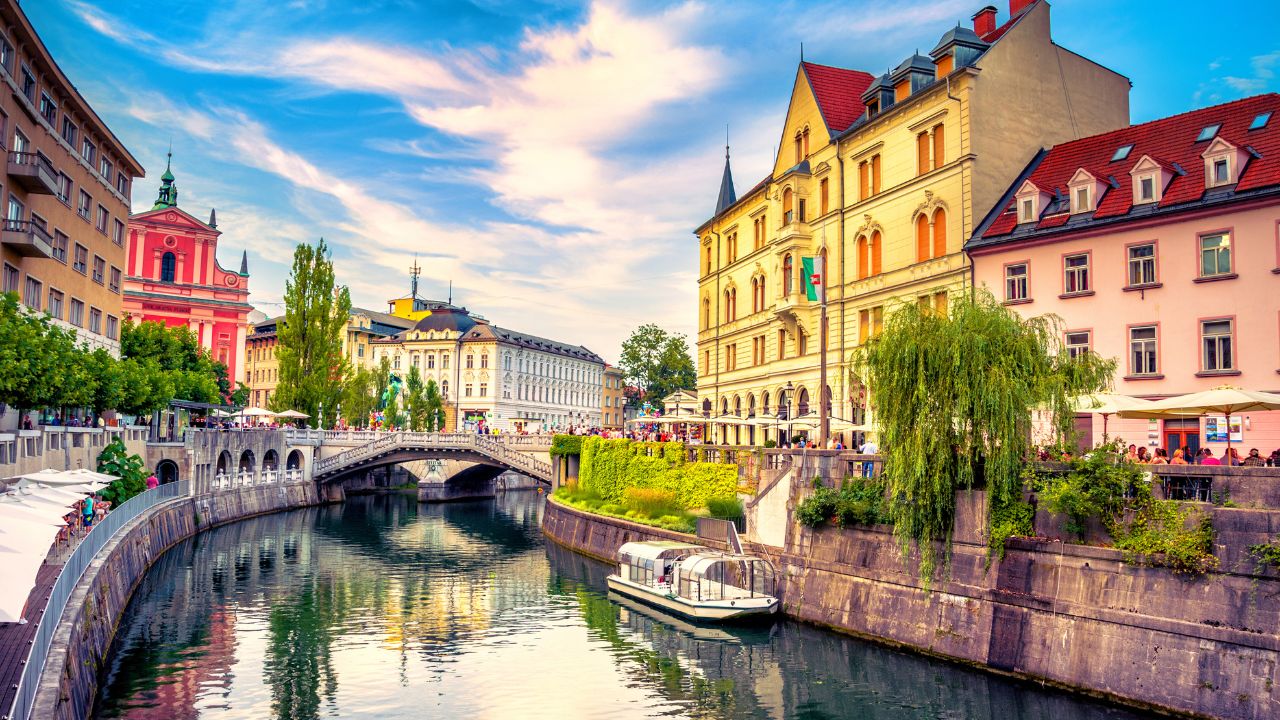
Ljubljana gives travelers a compact first-day route along the river. Visit Ljubljana says the city center has been closed to motor traffic since 2007 and includes 20 hectares of pedestrian zones, described as the largest car-free area in the European Union.
The car-free center keeps Prešeren Square, Triple Bridge, Dragon Bridge, the Central Market, riverside cafés, and old-town streets inside one walking area. Travelers who want the castle view can use the funicular instead of making the first afternoon a steep walk uphill.
A slow morning can start with coffee near the river, continue through the market, and use the bridges as short crossings rather than formal sightseeing stops. A hotel close to the old center lets visitors return to the same area for dinner after the castle or a river walk.
Regional trips should stay out of the first Ljubljana day. Lake Bled, caves, the coast, and Alpine excursions need separate planning, while the capital’s old center can carry a full day with the river, market, bridges, castle access, and dinner nearby.
2. Valencia, Spain
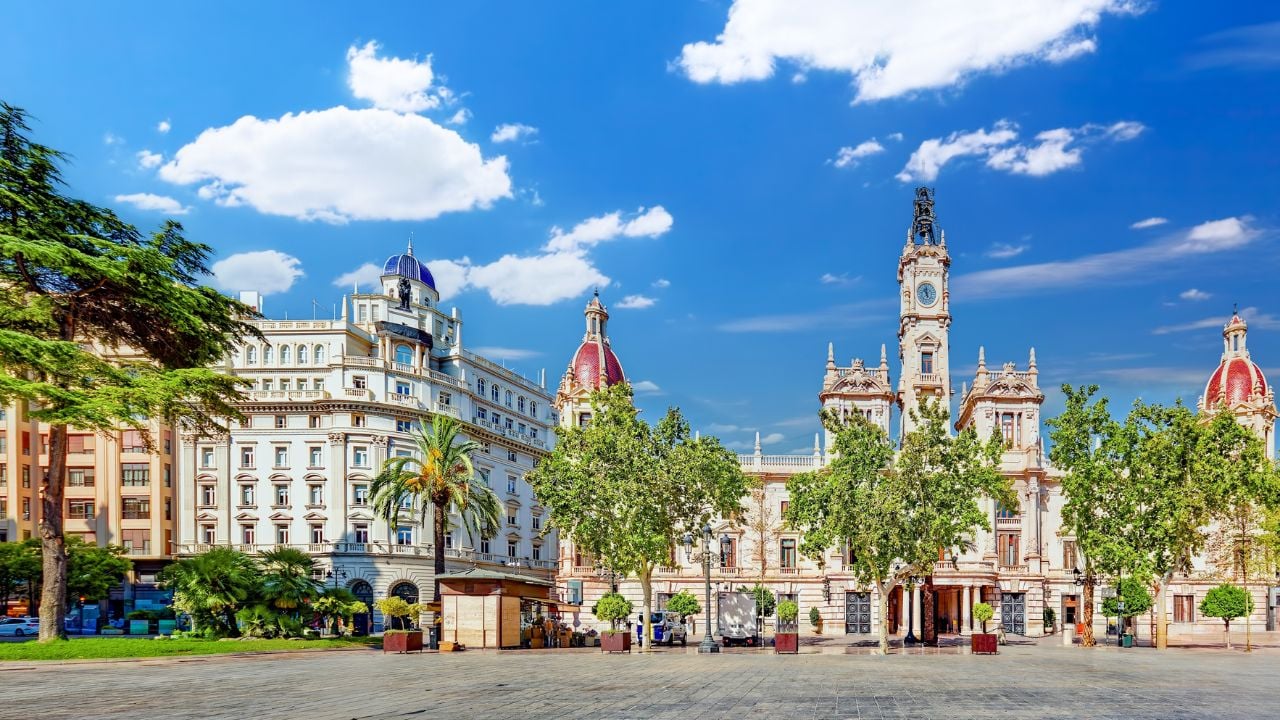
Valencia can start with food and streets before moving into green space. The old-center route can include the Central Market, La Lonja de la Seda, Plaza de la Reina, cathedral streets, cafés, bakeries, and shaded lanes before the day shifts toward Turia Garden.
Visit Valencia describes Turia Garden as an enormous green space for walking, cycling, and recreation areas. Its paths give travelers a break from the tight streets of the old center without leaving the city plan.
The beach and City of Arts and Sciences should not be added automatically to the same first day. Both belong in a Valencia trip, but they pull the route away from the old center and Turia Garden. Travelers should choose either a beach block or a City of Arts and Sciences block after a market morning.
Lunch timing shapes the route in Valencia. A first day can use the Central Market and old center in the morning, Turia Garden in the afternoon, and dinner back near the center or toward another neighborhood, depending on hotel location.
3. Copenhagen, Denmark
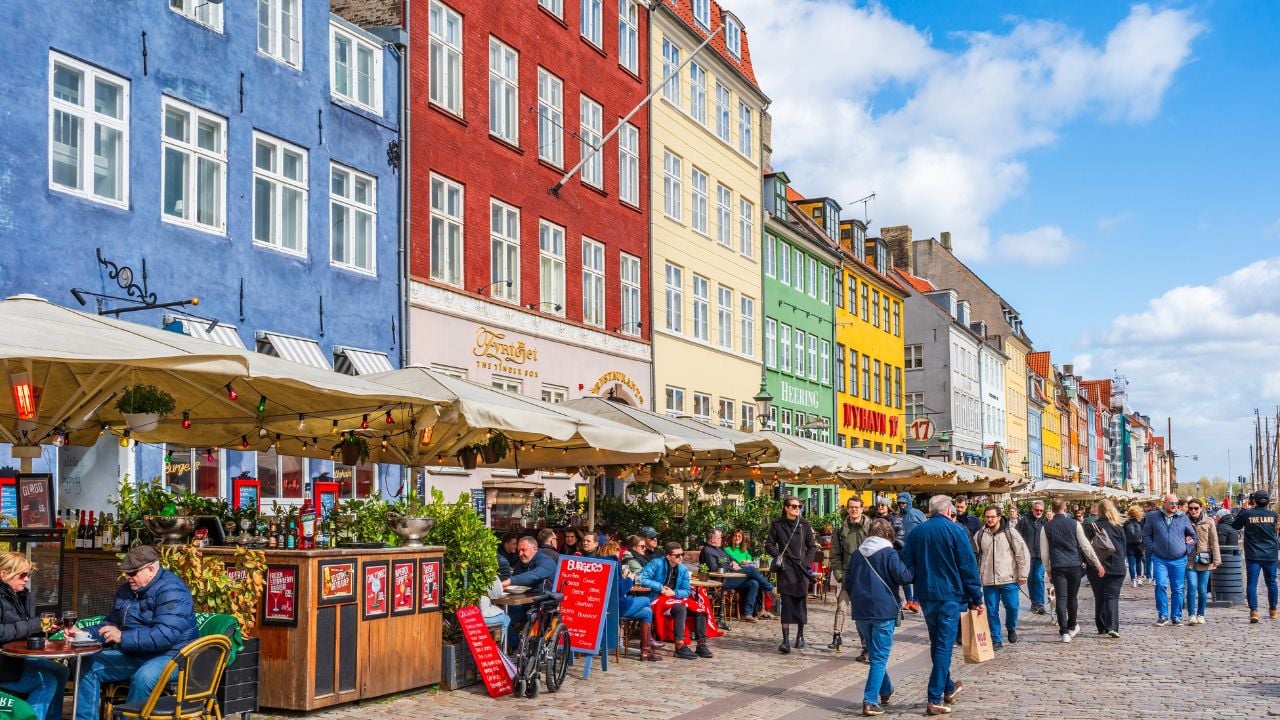
Copenhagen gives travelers a clear first route near the harbor. Visit Copenhagen describes the Harbour Circle as a 13-kilometer walking and cycling route running from major sights near Nyhavn to quieter harbor areas around Christianshavn and Sydhavn.
A short version of that route can start with coffee or a bakery stop, continue toward Nyhavn, cross to Christianshavn, and use the waterfront for walking, cycling, or a harbor-bus connection. Travelers do not need to complete the full 13 kilometers to use the route as a first-day structure.
The harbor route links water views, bridge crossings, food stops, houseboats, swim zones, and architecture without forcing every stop indoors. Visitors who dislike cycling can use walking, the metro, buses, trains, or harbor buses instead of renting a bike.
Refshaleøen, Frederiksberg, Nørrebro, and Østerbro should be treated as separate neighborhood blocks. A first day in Copenhagen stays cleaner with one harbor-focused route than with repeated trips across the city.
4. Porto, Portugal

Porto’s first-day route should start high and finish by the Douro. Visit Portugal says the Porto and North region is crossed by the River Douro, which runs through the World Heritage landscape where Port and Douro wines are produced and then reaches the lodges at Vila Nova de Gaia.
A practical city route can start at São Bento, continue toward the Cathedral, drop through old streets to Ribeira, cross Dom Luís I Bridge, and finish on the Gaia side before sunset. The downhill part is easier than the return, so travelers should plan the climb back before dinner.
Vila Nova de Gaia puts travelers near wine lodges and views back toward Ribeira, while the bridge crossing keeps the route connected to the historic center. A dinner plan near the river or a taxi/metro return can prevent the evening from turning into an uphill slog.
Comfortable shoes are essential here. Stone streets, steep lanes, and bridge crossings can make a short route feel longer, especially after lunch or near sunset.
5. San Sebastián, Spain
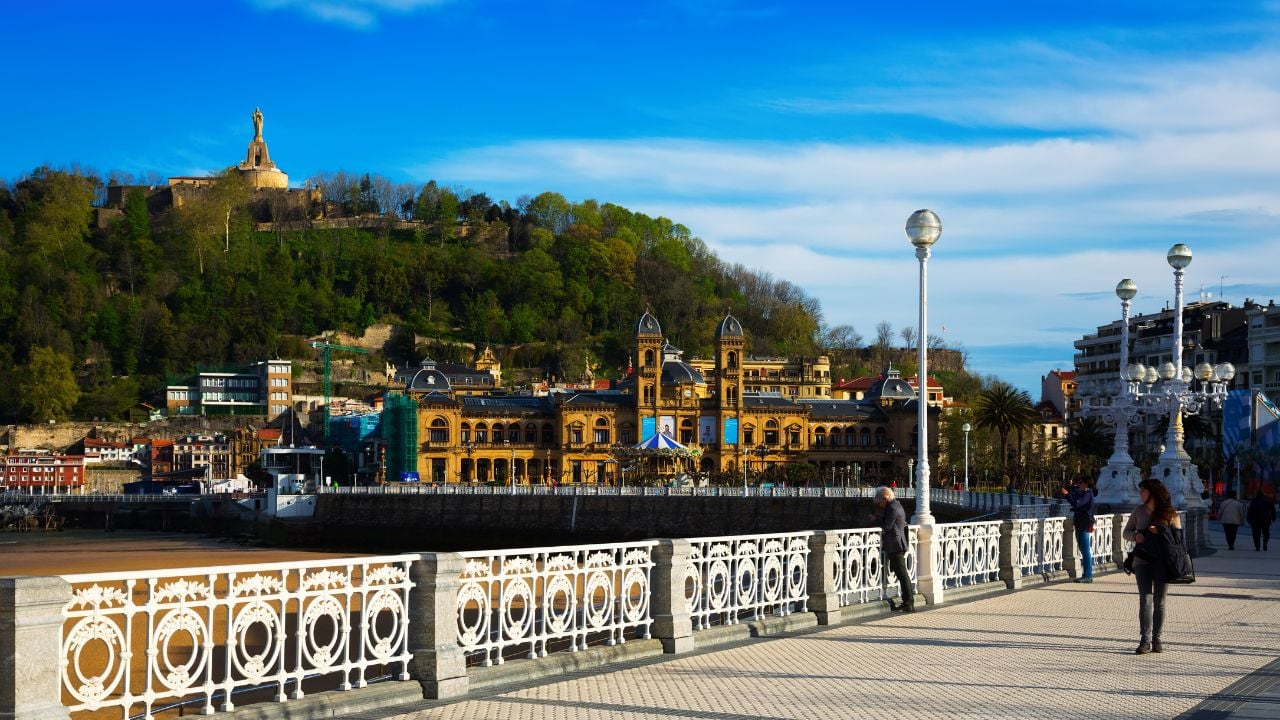
San Sebastián can keep a full day close to the bay. A morning can start near the center, continue along La Concha, pass the marina or Aquarium area, and move into the Old Town for pintxos without relying on taxis between each stop.
Donostia San Sebastián Tourism says Mount Igeldo sits at the edge of La Concha Bay and offers panoramic views of the city and sea. The same official guide describes the funicular as a 1912 route to the top, with the lookout above the bay providing one of the city’s most iconic views.
That viewpoint needs a planned time slot rather than a last-minute add-on. Travelers who want La Concha, the Old Town, pintxos, and Mount Igeldo in one day should check funicular timing, daylight, and the walk or transfer needed from the bay area.
The day does not need every beach and viewpoint. La Concha, the Old Town, pintxos, and Mount Igeldo can make a complete route, while Zurriola, Ondarreta, Monte Urgull, or a longer food crawl can take another block of time.