American luxury has never moved to the same rhythm as European luxury. It has always leaned into space, presence, comfort, highway ease, and a kind of confidence that feels bigger than the spec sheet.
In 2026, that identity looks more varied than it has in years. Electric flagships, custom-commissioned hand-built cars, massive digital displays, quiet driver-assistance technology, and family-sized comfort now sit beside the old American love of big SUVs and long-distance travel.
The strongest new models are not simply chasing leather, horsepower, or screen size. They are trying to define what premium American travel should feel like now: silent, relaxed, personal, spacious, technologically advanced, and ready for a long road without making the driver work too hard.
These five vehicles show where that idea stands. Each one is available to U.S. buyers, and each one gives American luxury a different voice, from bespoke Cadillac craftsmanship to Lincoln calm, Jeep scale, and California-built electric efficiency.
The Standard Behind This American Luxury Selection
The standard here was not just price. Each model needed a clear connection to the U.S. market, premium positioning, and a distinct role inside the current American luxury landscape. Cabin experience, design presence, comfort, craftsmanship, technology, road-trip ability, and brand meaning all mattered.
The final group also needed variety. A list built only from full-size SUVs would miss how much American luxury is changing, while a list made only from EVs would ignore the scale and comfort that still define much of the segment.
Traditional power, electric range, passenger space, personalization, driver-assistance technology, and long-distance ease all shaped the selection. Performance helped only when it supported refinement, effortlessness, or flagship character.
Cadillac Celestiq
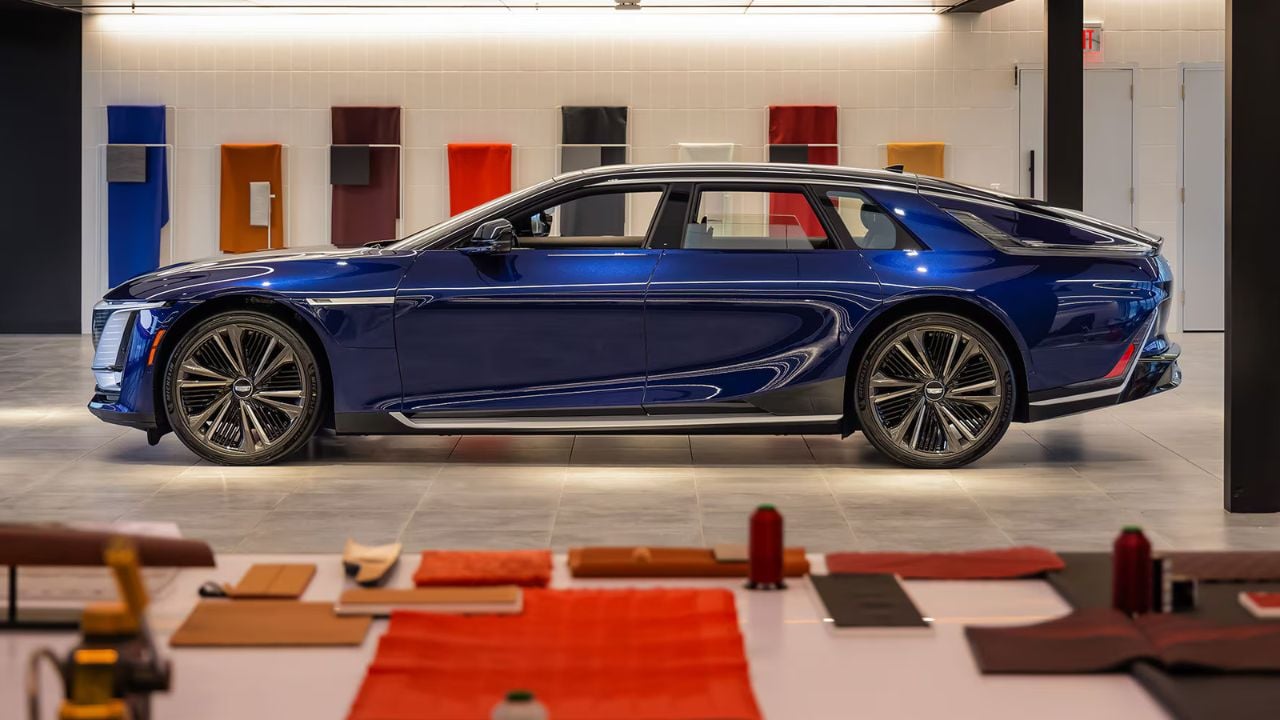
The Cadillac Celestiq is the most ambitious American luxury car of 2026 because it turns ownership into a commission. Cadillac describes the ultra-luxury sedan as custom-commissioned, hand-built, extraordinarily rare, and starting in the low-$400K range.
That places the Celestiq far above ordinary luxury sedans and closer to the world of personal specification, private consultation, and collector-level presence. It is not trying to be a high-volume flagship. It is trying to restore Cadillac’s old “Standard of the World” confidence through rarity, design, and one-of-one execution.
The technical side matters just as much as the theater. Cadillac gives the Celestiq active air suspension, Magnetic Ride Control, active rear steering, adaptive all-wheel drive, active roll control, an active aero rear spoiler, and active aero grille shutters.
The result is a very different kind of Cadillac statement car. The electric platform gives it quiet movement, while the chassis technology gives it a foundation beneath the drama. The Celestiq feels like Cadillac reaching back to its grandest history while using modern EV architecture to create something deliberately personal.
Cadillac Escalade IQ
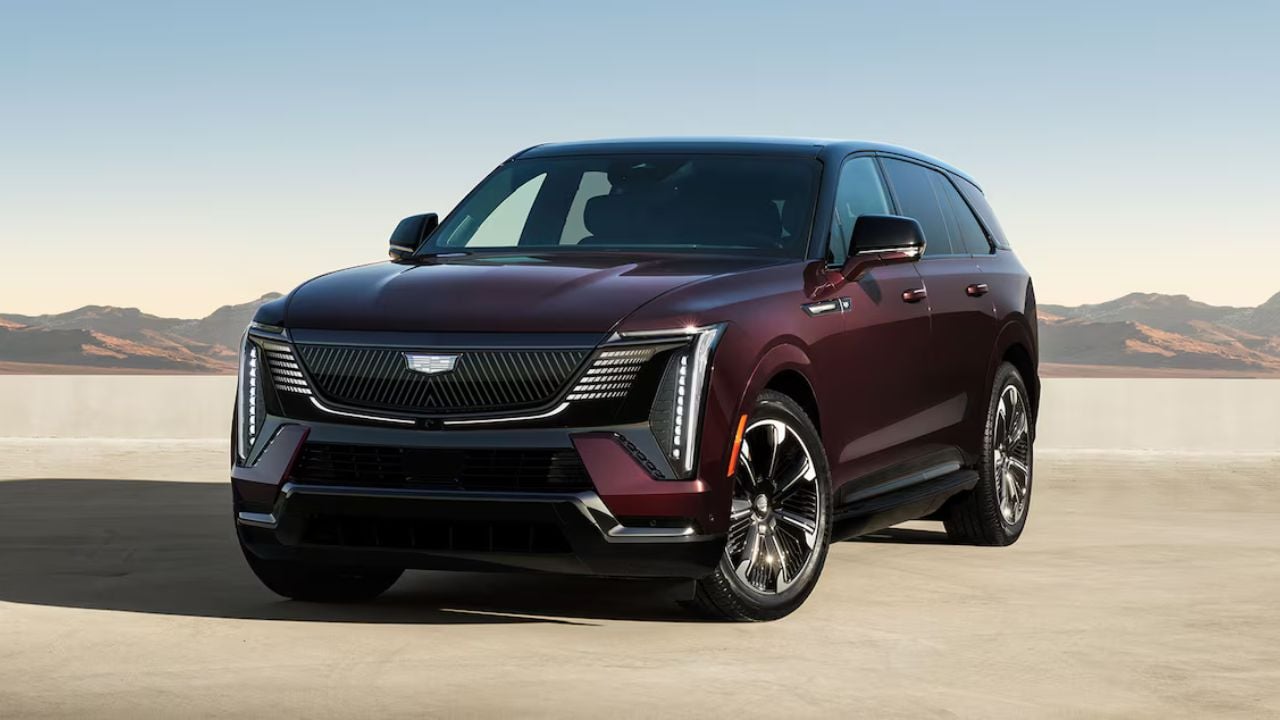
The Cadillac Escalade IQ shows how one of America’s most recognizable luxury SUV names enters the electric era without shrinking its personality. Cadillac lists the 2026 Escalade IQ from $127,405, with up to a Cadillac-estimated 465 miles of range.
The scale is still unmistakably Escalade. The electric SUV brings a curved pillar-to-pillar 55-inch Horizon Display, Super Cruise hands-free driver-assistance technology, an AKG Studio audio system, Air Ride Adaptive Suspension, Magnetic Ride Control, 4-Wheel Steer, and a 12.2-cubic-foot eTrunk.
In Velocity Max mode, Cadillac says the dual-motor all-wheel-drive system can produce a Cadillac-estimated 750 hp and 785 lb-ft of torque. Those numbers give the Escalade IQ real force, but acceleration is not the whole point of the vehicle.
The stronger luxury argument is the balance between presence and silence. The Escalade IQ keeps the size, height, and road presence people expect from the name, then adds electric smoothness, a long driving range, and enough cabin technology to make the interior feel closer to a private lounge than a traditional SUV.
Lincoln Navigator Black Label
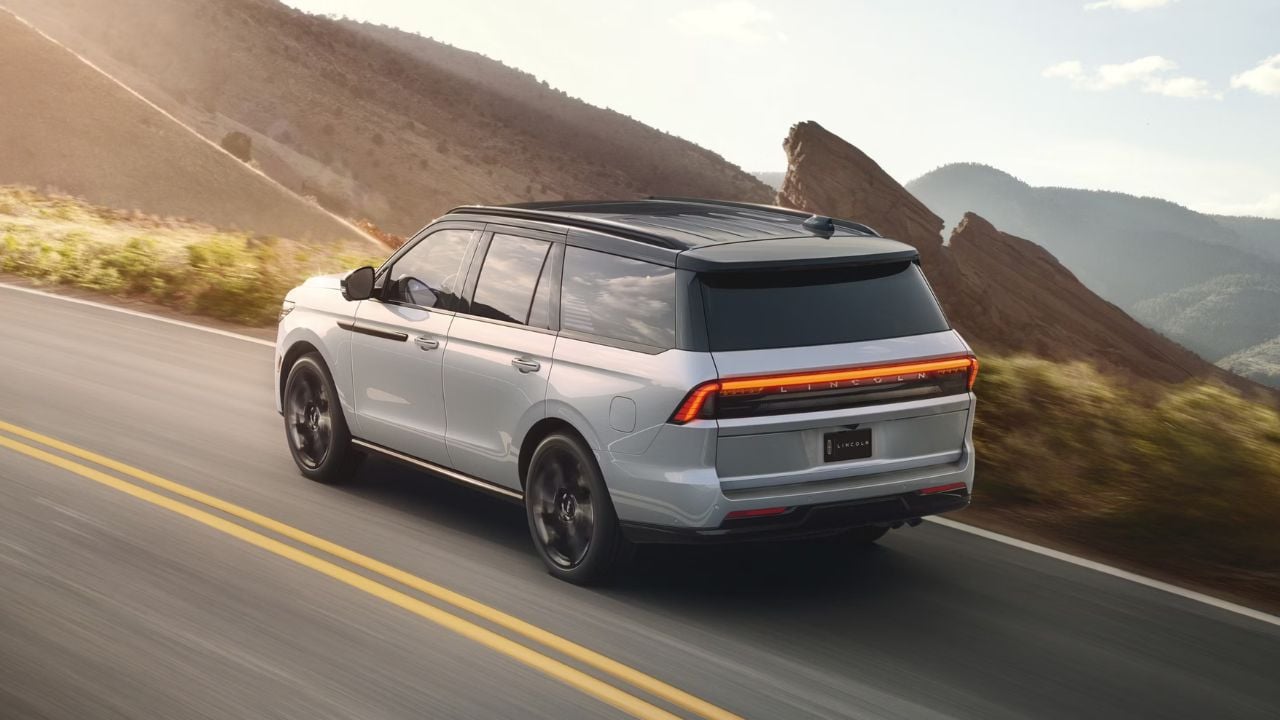
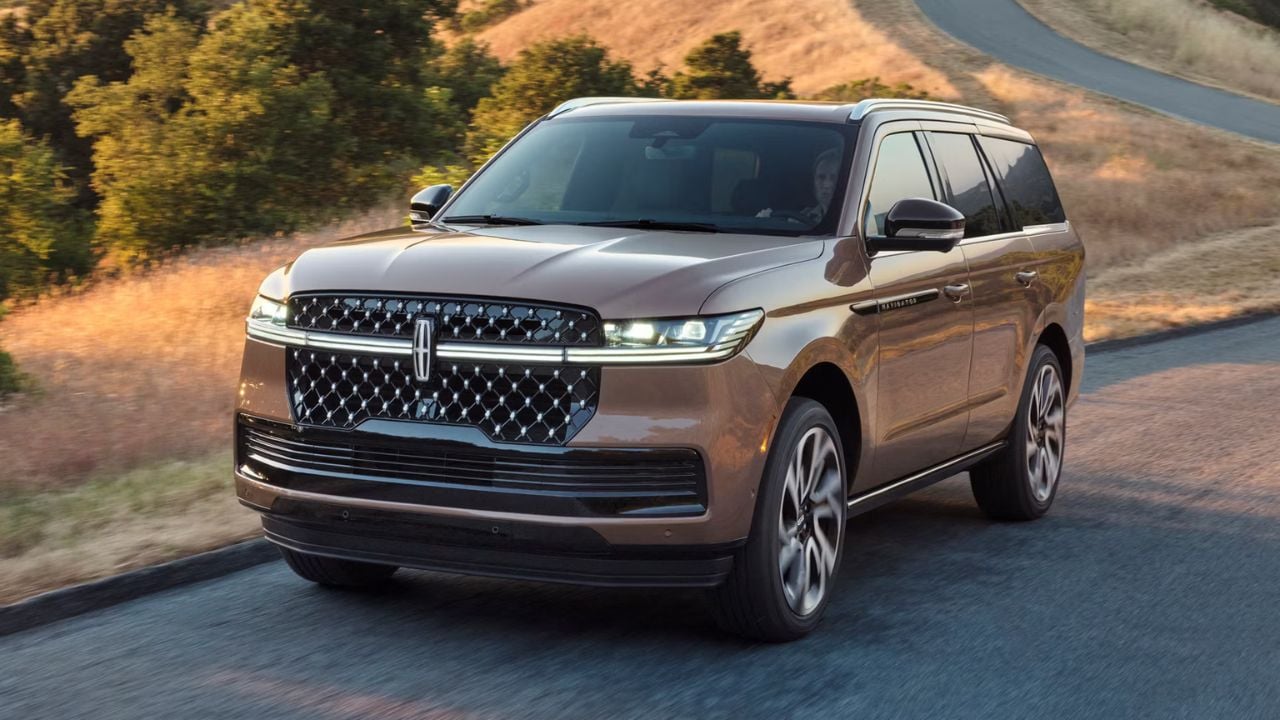
The Lincoln Navigator Black Label represents a softer, more relaxing version of American luxury. It does not chase the same drama as Cadillac. It builds its personality around calm, space, texture, and a cabin designed to take pressure out of daily driving.
Lincoln gives the Black Label a 48-inch panoramic display with the Lincoln Digital Experience, Google apps and services, Digital Scent, Lincoln Rejuvenate, and a Revel Ultima 3D audio system with 28 speakers. The technology is prominent, but it is presented in a calmer way than the screen-heavy approach used by many luxury rivals.
The Black Label themes add another layer of identity. Genuine wood accents, leather seating surfaces, tailored interior colors, and curated design packages make the Navigator feel less like a numbers contest and more like a rolling room.
The Navigator’s strength is emotional luxury. It treats space, quiet, scent, sound, seating, and display design as part of the same experience. For buyers who want their large SUV to feel serene rather than showy, the Black Label version gives American luxury a very different tone.
Jeep Grand Wagoneer
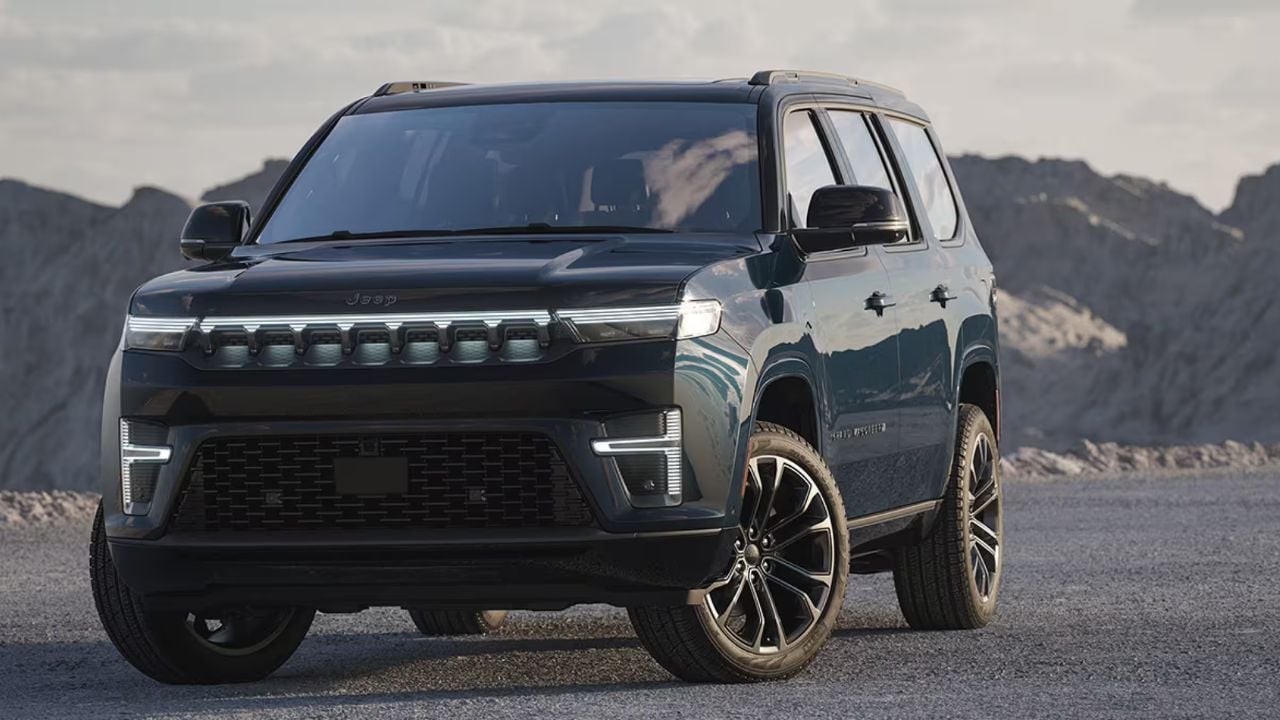
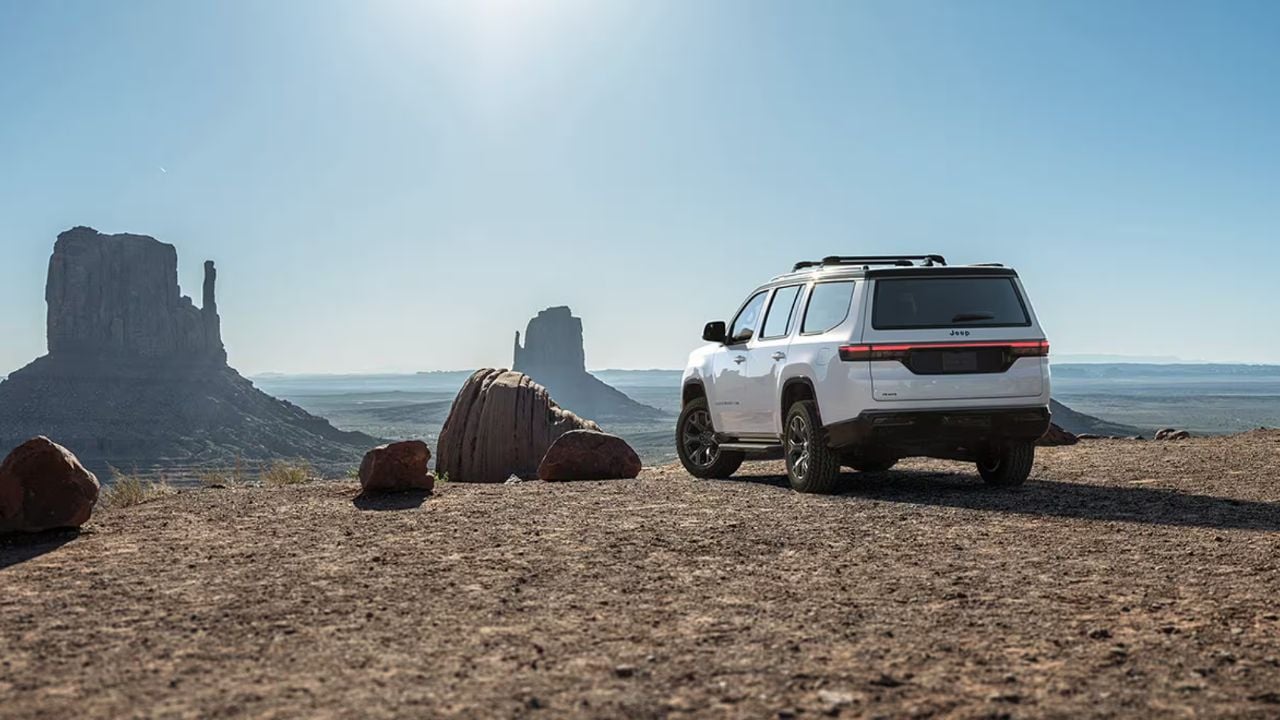
The Jeep Grand Wagoneer brings American luxury back to size, capability, and family travel. Jeep positions the 2026 Grand Wagoneer as a full-size SUV with legendary capability, forward-thinking technology, and an MSRP starting just under $67,000.
That lower starting point gives the Grand Wagoneer a different role from the Cadillac and Lincoln entries here. Its strongest luxury case comes through the better-equipped versions and the long-wheelbase Grand Wagoneer L, where passenger space, cargo room, comfort features, and road-trip practicality become the central argument.
Jeep highlights more than 170 standard and available safety and security features, available extended-wheelbase models, versatile cargo space, and the most rear cargo volume in its class for the Grand Wagoneer L. It also leans on capability in a way few luxury SUVs can, including available best-in-class maximum towing capacity.
The Grand Wagoneer’s luxury feels less formal than a Cadillac or Lincoln, and that helps separate it from the rest of the group. It is for buyers who want upscale comfort without losing the sense of an American SUV built for luggage, passengers, trailers, long weekends, and big family miles.
Lucid Air Grand Touring

The Lucid Air Grand Touring is American luxury with a Silicon Valley accent. Lucid lists the 2026 Air Grand Touring from $114,900, with up to 512 miles of EPA-estimated range, 819 hp, all-wheel drive, and a 3.0-second 0-to-60 mph time.
Its charging claim is just as important for the grand-touring mission. Lucid says the Air Grand Touring can add up to 200 miles of range in about 12 minutes when connected to a 350-kW DC fast charger and equipped with 19-inch wheels, with real-world results varying by conditions and equipment.
The numbers are impressive, but the deeper story is efficiency as luxury. The Air uses a low-drag body, a spacious cabin, rich interior themes, available glass-canopy design, and extraordinary range to make long-distance EV travel feel less complicated.
It does not need old luxury theater to feel expensive. The Lucid Air Grand Touring feels quiet, advanced, and almost architectural, with range and efficiency doing the work that wood, chrome, and combustion drama used to do in traditional flagship sedans.
The New Shape Of American Luxury
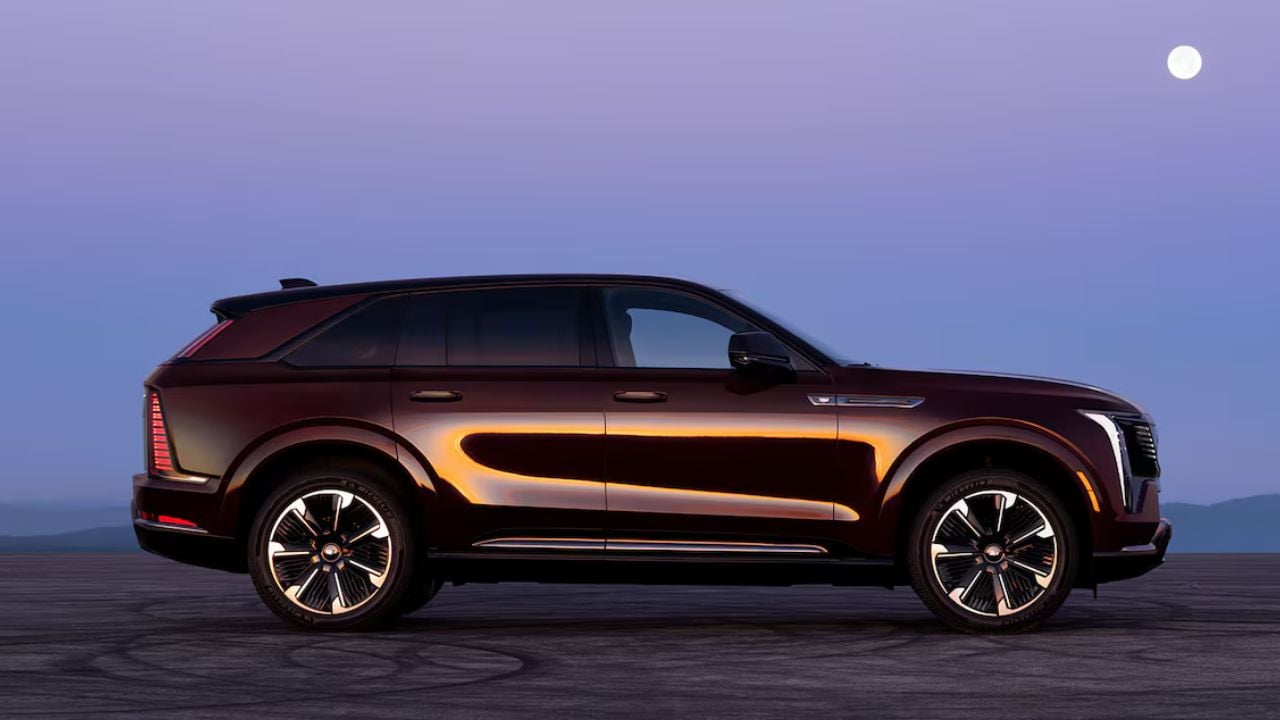
American luxury in 2026 feels broader, more confident, and more technically ambitious than it has in years. Comfort is still the center of the idea, but it now shares space with software, electric range, personalization, advanced driver assistance, and new ways of shaping the cabin experience.
The strongest models are not trying to copy Europe. They lean into what American luxury has always done well: scale, ease, road presence, long-distance comfort, and a sense of occasion.
The future is not one design language or one powertrain. It is a collection of very different answers to the same question: how should a premium car make people feel when the road opens up ahead?