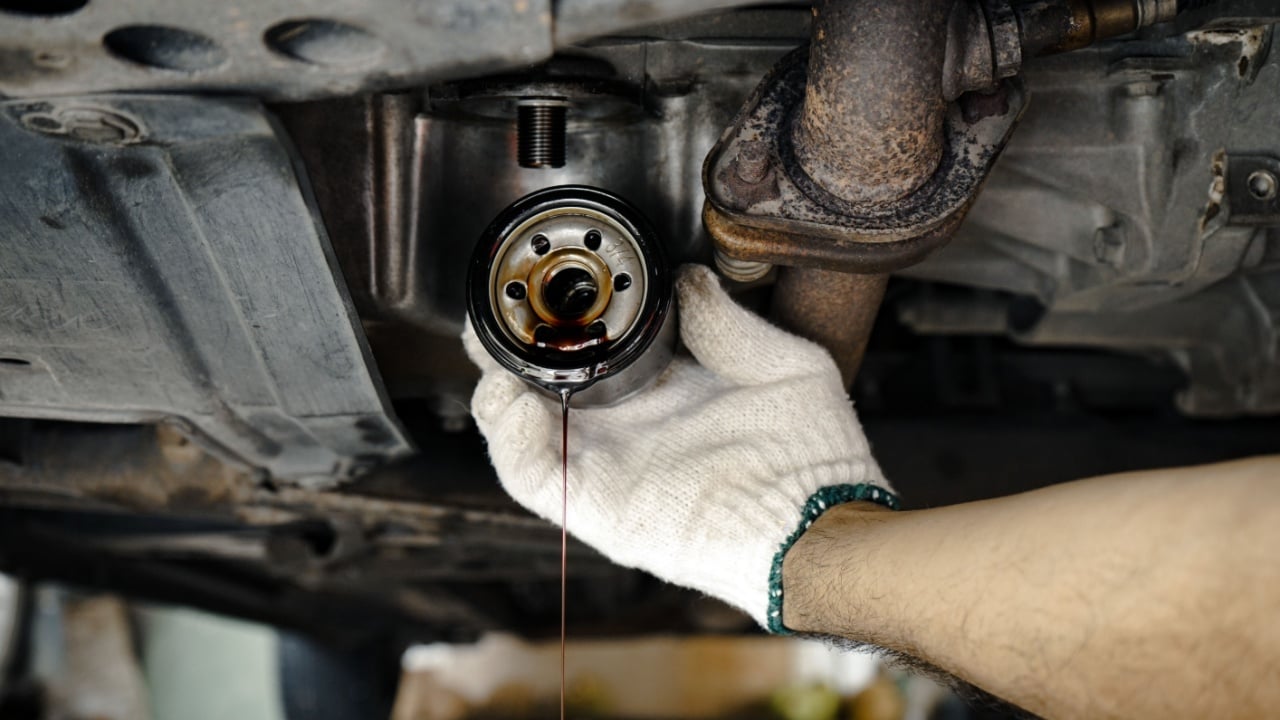
You trust your mechanic. You hand over your keys, wait in a plastic chair for 20 minutes, maybe grab a bad cup of coffee, and drive away assuming the job is done right. For most people, an oil change is about as stressful as buying milk. But for Jeff Cole, that routine stop turned into a financial disaster that nearly cost him $10,000 and weeks of headache.
Cole went in for a standard oil change, nothing fancy, no warning signs, no reason to think twice. When he drove away, everything seemed perfectly normal. Then the sounds started. Something under the hood was very unhappy, and it wasn’t going to stay quiet. Within a short time, his engine had failed completely, leaving him stranded with a repair estimate that would make anyone’s stomach drop.
The culprit, according to mechanics who examined the vehicle, was a mistake that should never happen: a double gasket. When a technician installs a new oil filter gasket without first removing the old one, pressure builds up inside the system until something gives. In Cole’s case, what gave was his engine. All of the oil expelled itself at once, and the damage was catastrophic.
What followed was a frustrating ordeal that many consumers know all too well. The shop initially dodged his calls, management was hard to reach, and Cole found himself wondering whether he would have to pay thousands of dollars out of pocket for someone else’s error. It took persistence, outside help, and a little media attention to finally get things moving in the right direction.
What Actually Went Wrong Under the Hood
The specific failure Cole experienced is known in the automotive world as double gasketing, and while it sounds like mechanic jargon, the concept is surprisingly simple. Every oil filter comes with a rubber gasket that creates a seal between the filter and the engine. When a new filter goes on, the old gasket has to come off first. If it stays on and a second one gets stacked on top of it, the seal becomes unstable.
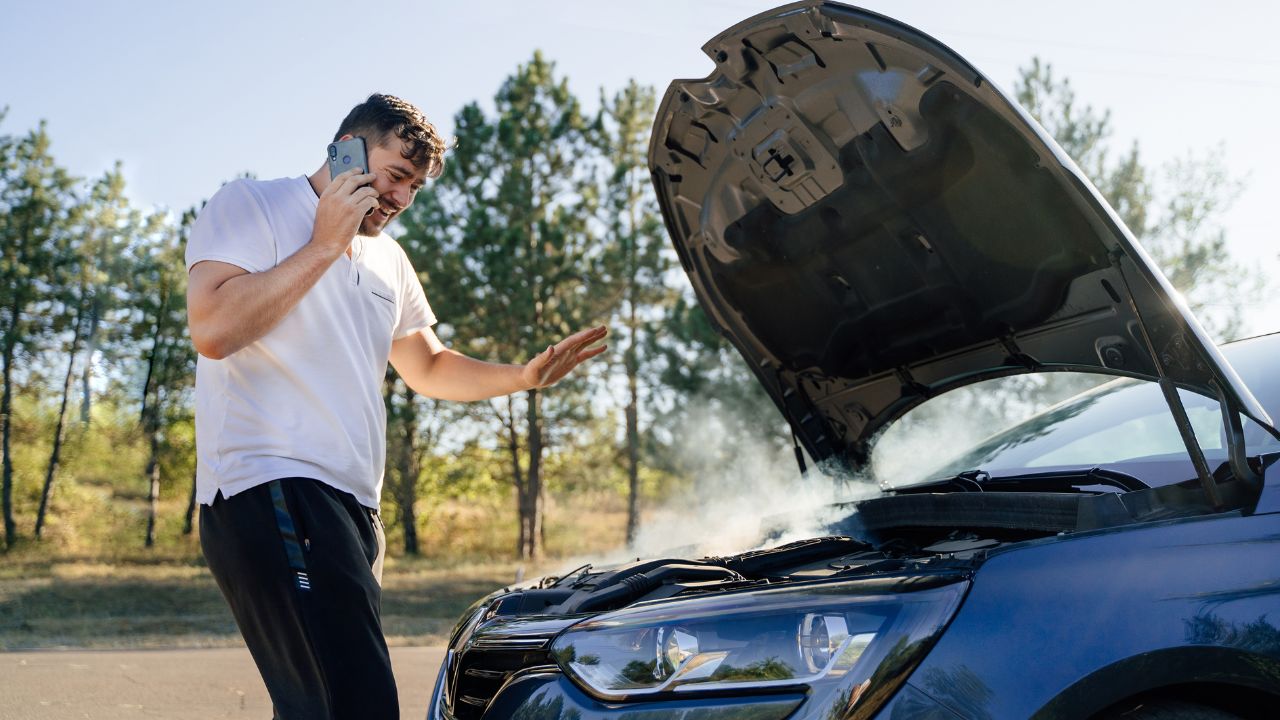
As pressure builds up during normal engine operation, the compromised seal begins to leak or fail outright. Oil escapes, the engine loses lubrication, and metal components that depend on that oil for cooling and friction reduction begin to grind against each other. The damage compounds quickly. By the time a driver notices something is wrong, whether it is a warning light, a strange sound, or smoke, the engine may already be beyond a cheap fix.
In Cole’s situation, the failure was severe enough to require a full engine replacement, a job that runs into the thousands of dollars under even the best circumstances.
The Shop’s Response (And Why It Matters)
When Cole tried to contact the shop that performed the oil change, he ran into a wall. Calls went unreturned. Management was elusive. The shop was not exactly rushing to take responsibility for a blown engine.
This kind of response, unfortunately, is not unheard of. When a service error causes expensive damage, some businesses hope the customer will give up or assume they cannot prove anything. Cole’s instinct to escalate, first by considering legal action and then by contacting a local news outlet, turned out to be exactly the right move.
After a news inquiry reached the business, the situation changed almost immediately. The shop filed a claim with its insurance provider, Cole’s engine was replaced, and he was given a rental car to use in the meantime. What had been a stalemate for weeks resolved itself quickly once outside attention entered the picture. For Cole, the total value of the resolution came to roughly $10,000.
What We Can Learn From Jeff Cole’s Experience
Cole’s story is not just a cautionary tale about oil changes. It is a reminder of how quickly routine maintenance can go sideways, and how important it is to know your options when it does.
The most practical takeaway is documentation. Keeping every receipt, every service record, and every communication with a repair shop creates a paper trail that is nearly impossible to argue against if something goes wrong. A shop that might otherwise dismiss a complaint becomes far more cooperative when a customer can produce timestamped records showing exactly what was done and when.
Beyond paperwork, it pays to do a quick visual check after any oil service. Looking under the vehicle for fresh drips or checking the driveway the following morning takes about 30 seconds and can catch a slow leak before it becomes a blown engine. Dashboard warning lights should always be taken seriously, especially the oil pressure light, which is one of the few indicators that demands pulling over immediately rather than driving to a shop.
If a shop is unresponsive after a suspected error, consumers have real options. Filing a complaint with the Better Business Bureau or a state consumer protection agency creates an official record. Reputable repair shops typically carry garage liability insurance specifically designed to cover these kinds of technician mistakes, so asking whether a claim can be filed is a reasonable and often productive step.
Cole summed up his experience with genuine gratitude once it was resolved. The road there was bumpy, but his persistence made all the difference.
How to Protect Yourself the Next Time You Get an Oil Change
Automotive experts say a few simple habits can prevent a routine service from turning into a costly repair situation.
Before you leave any oil change appointment, ask the technician directly whether the old gasket was removed before the new filter went on. It is a straightforward question, and any competent technician will answer it without hesitation. If the question makes someone uncomfortable, that is worth paying attention to.
After the service, monitor your vehicle for the first day or two. Check the driveway, watch for any unusual smells or sounds, and glance at your dashboard before every drive. If anything seems off, head back to the shop before the problem has a chance to grow. Catching a gasket issue early can be the difference between a quick fix and a full engine replacement.
Finally, choose shops that carry liability insurance and have a clear process for handling complaints. Reading reviews is helpful, but asking the shop directly about their accountability procedures is even better. A shop that stands behind its work will have no trouble answering that question.
Cole’s story had a happy ending, but it did not have to be as difficult as it was. With the right habits and a willingness to push back, drivers can protect themselves long before things reach the point of a $10,000 repair bill.