The used Japanese performance-car market has become strange in the best and worst ways. Cars that once sat quietly in classified ads now bring collector money, while names that seemed untouchable for years have moved far beyond casual enthusiast budgets.
That makes the cheaper survivors more interesting. The cars that slipped out of the spotlight still offer many of the ingredients that made Japanese performance famous in the first place: lightness, clever engines, sharp steering, unusual layouts, and long-lasting mechanical character.
The obvious legends no longer fit this kind of price conversation. A clean Supra, Skyline, NSX, or 240SX is not a casual enthusiast buy for most shoppers anymore. Even some once-affordable Hondas and Nissans have moved far enough that a realistic search now requires patience, compromise, or a much bigger budget.
These six still make sense because they combine real enthusiast appeal with driver-quality pricing that remains reachable. They are not perfect, and each one needs careful inspection, but that is part of the appeal. The trick is knowing which flaws are manageable and which ones should make a buyer walk away.
Where Affordable Still Means Worth Driving

The strongest affordable Japanese performance cars are not always the cheapest listings. A low purchase price can disappear quickly if the car needs an engine, transmission, rust repair, or years of neglected maintenance corrected all at once.
Driver-quality examples matter more than rare collector-grade cars here. The more realistic targets are Japanese sports cars and sport coupes that still appear in the U.S. used market around the affordable end of the spectrum, often under $15,000 and sometimes far less, depending on condition, mileage, transmission, and location.
Each car also needs a real enthusiast reason to care. That could mean a special engine, low weight, rear-wheel-drive balance, strong handling, a memorable manual transmission, or a layout that feels unusual at today’s prices. These cars are not forgotten for good reason. They are overlooked because the market has been distracted by louder names.
Mazda RX-8

The Mazda RX-8 remains the weirdest bargain in this group. Its rotary engine, rear-wheel-drive layout, balanced chassis, and hidden rear doors give it a personality that no normal coupe can copy.
Edmunds lists the 2005 six-speed manual RX-8 with 238 hp, 159 lb-ft of torque, rear-wheel drive, and a curb weight of 3,029 pounds. Used examples still regularly appear below $10,000, which keeps the RX-8 in a very different price world from the better-loved Japanese icons.
The warning is famous for a reason. Compression, oil consumption, flooding history, and maintenance records matter more here than paint, wheels, or a tempting asking price. Find a healthy one, though, and the RX-8 still feels like a driver’s car the market never fully understood.
Toyota MR2 Spyder

The Toyota MR2 Spyder still has the layout collectors usually chase. It is mid-engine, rear-wheel drive, available with a manual gearbox, and light enough to feel lively without needing a huge power number.
Edmunds lists the 2003 MR2 Spyder with 138 hp, 125 lb-ft of torque, a five-speed manual, rear-wheel drive, and a curb weight of just 2,195 pounds. Some MR2 Spyder listings still appear around or below $15,000, although clean, low-mile cars can climb well above that.
It is not fast in a straight line, and that may be part of why prices have not exploded as violently as they have for more obvious performance names. The appeal is balance, steering feel, open-air simplicity, and the rare pleasure of a lightweight mid-engine Toyota that still costs less than many ordinary used crossovers.
Toyota Celica GT-S
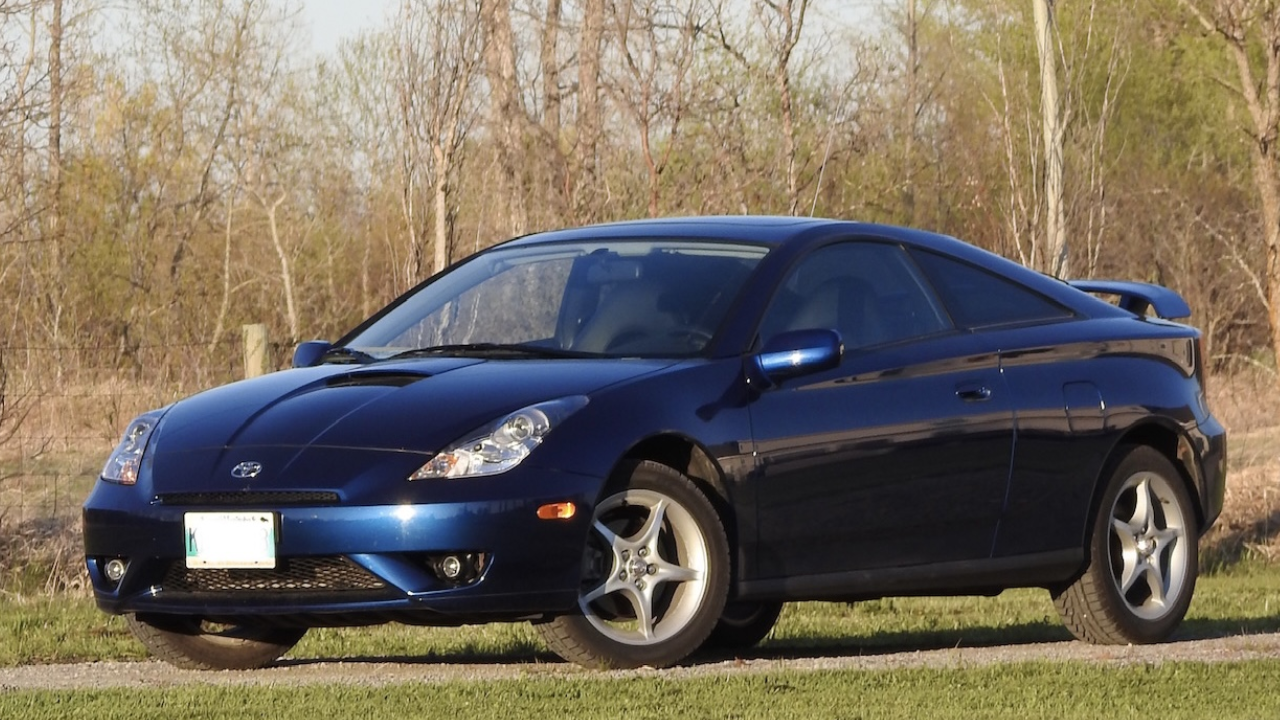
The final-generation Toyota Celica GT-S hides its best argument in the last few thousand rpm. It arrived with sharp styling, low weight, and a Yamaha-developed 1.8-liter engine that loved to rev.
Edmunds lists the 2000 Celica GT-S with 180 hp at 7,600 rpm, 133 lb-ft of torque at 6,800 rpm, and a six-speed manual transmission. Regular Celicas are still easy to find cheaply, but shoppers looking specifically for a clean GT-S with the six-speed manual will need more patience.
The GT-S is the version that best fits the enthusiast brief because it turns the Celica into something more focused and energetic. It needs revs to come alive, so buyers expecting easy torque may miss the point. Driven properly, it feels light, precise, and wonderfully period-correct.
Acura RSX Type-S

The Acura RSX Type-S is the most vulnerable car here to future price pressure. It has the right ingredients: Honda’s high-revving K-series character, a clean hatchback body, and a proper six-speed manual.
Acura’s own 2006 RSX specifications list the Type-S at 201 hp at 7,800 rpm, while Cars.com lists 140 lb-ft of torque at 7,000 rpm. Driver-quality RSX Type-S cars can still appear near the mid-teens, but clean, lower-mile examples have already started moving beyond the cheap-car zone.
That makes timing important. The RSX Type-S is no longer the overlooked bargain it once was, but it remains one of the smarter ways to buy a genuine Honda performance coupe without chasing collector-grade Integra prices.
Honda Prelude
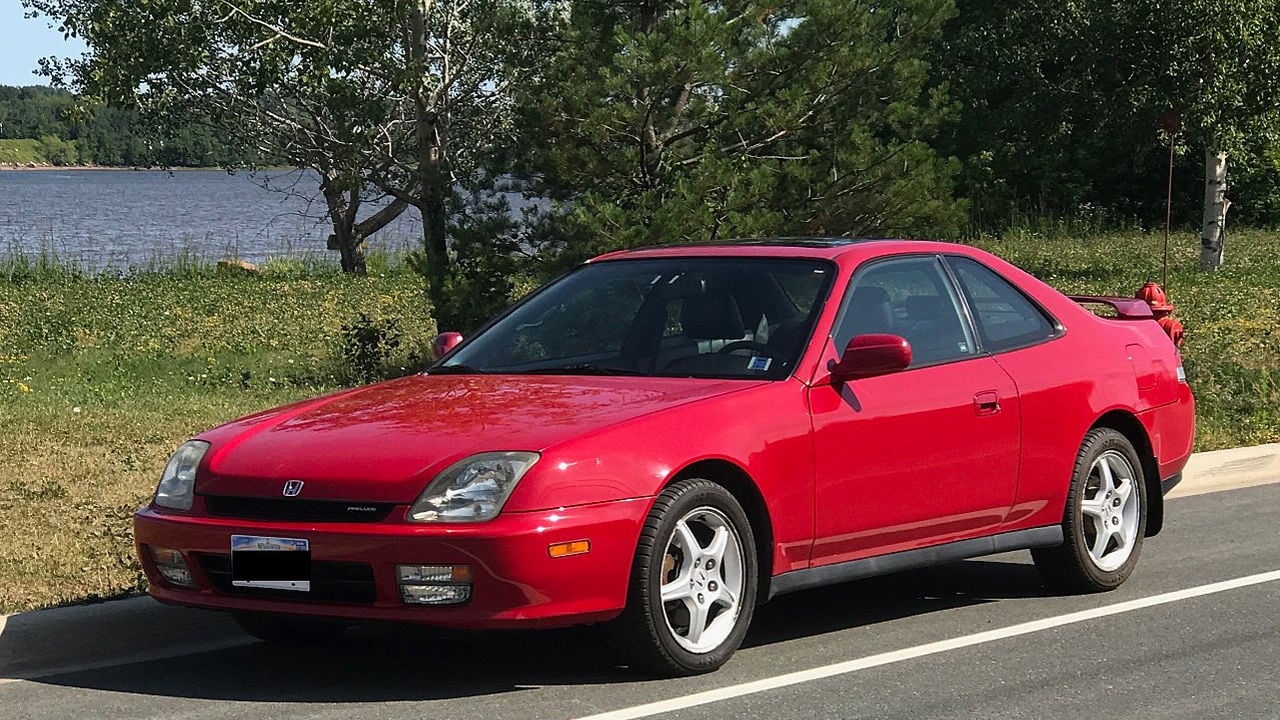
The fifth-generation Honda Prelude has aged into a quieter kind of Honda performance buy. It never had the cultural explosion of the Civic Si or Integra Type R, yet it delivered a refined coupe body, VTEC power, and one of Honda’s most mature front-drive chassis setups.
Honda’s 2001 specifications list the manual Prelude at 200 hp and 156 lb-ft of torque, while Car and Driver’s long-term 1997 Prelude SH reached 60 mph in 6.9 seconds. Driver-quality fifth-generation Preludes can still appear below $15,000, but clean manual cars are no longer automatic bargains.
The best Preludes are usually the manual cars. Automatics need extra caution, and rust can be a real issue. A well-kept manual Prelude still feels polished, balanced, and deeply Honda in a way that newer, heavier cars often struggle to match.
Mitsubishi Eclipse GT
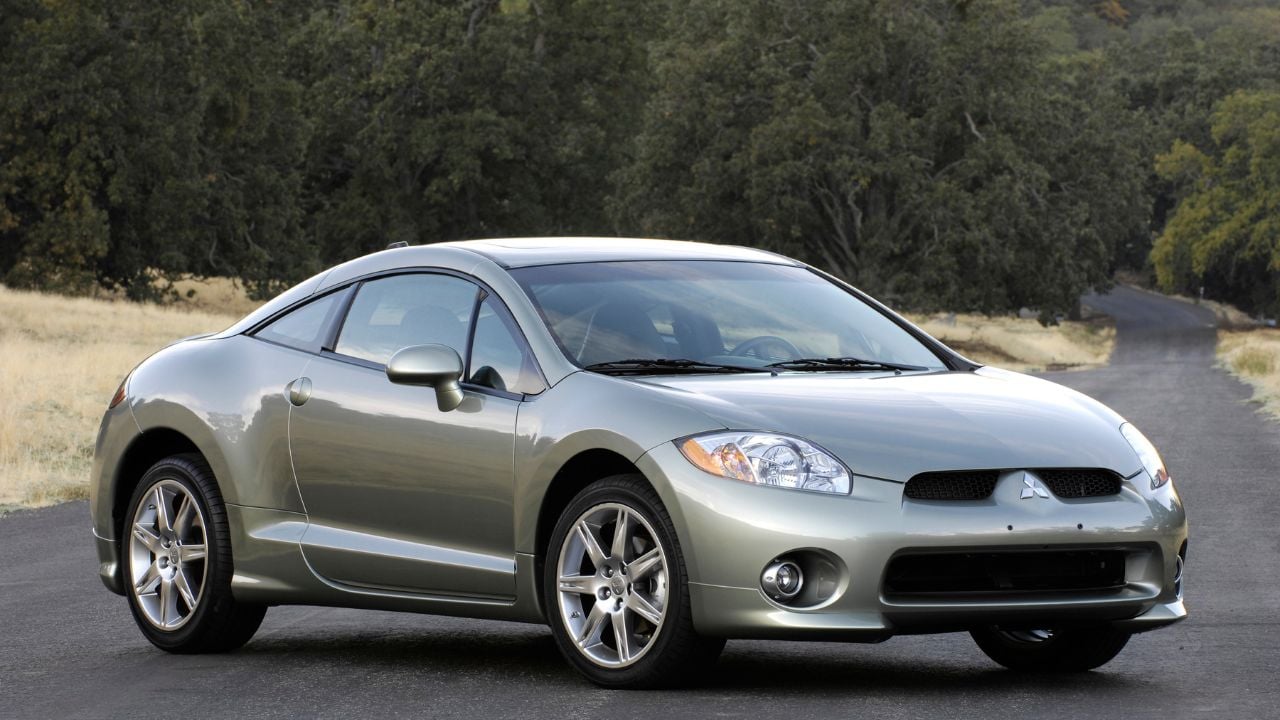
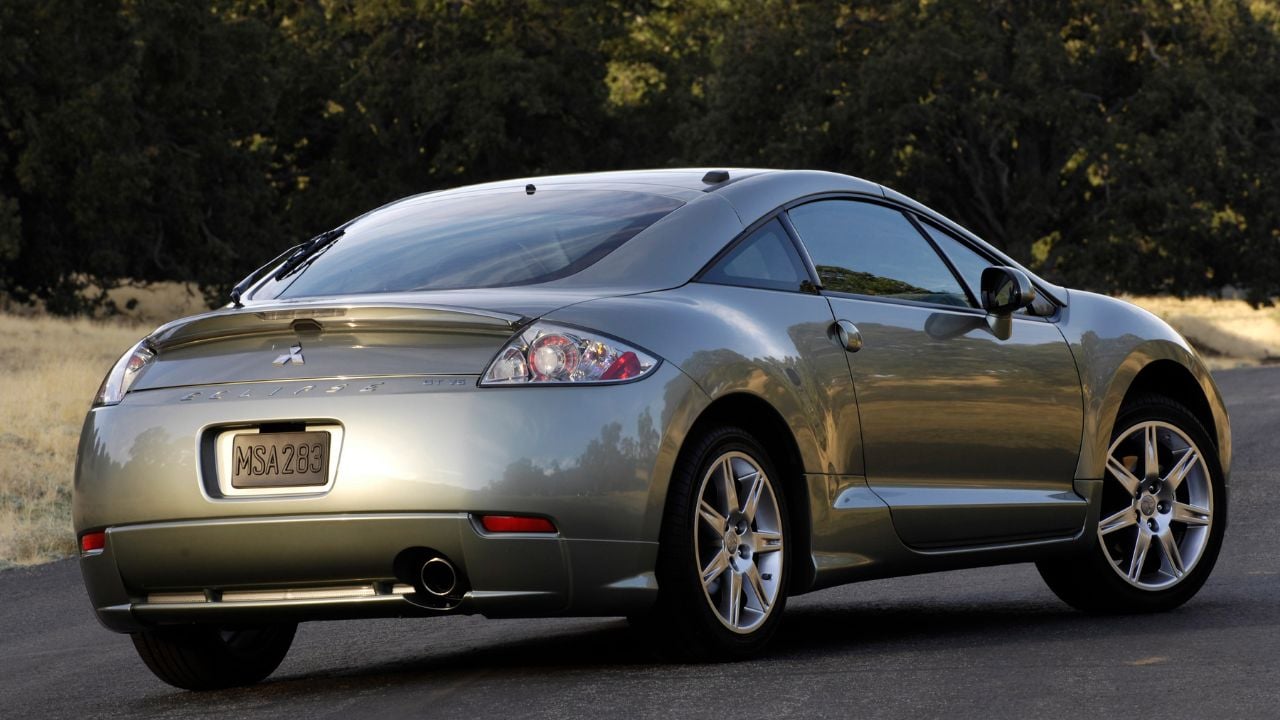
The fourth-generation Mitsubishi Eclipse GT survives as the cheap-power outlier. It moved away from the turbocharged, all-wheel-drive image that made earlier Eclipses famous, which is one reason many enthusiasts still overlook it.
Judged on its own terms, though, it is a cheap Japanese sport coupe with real muscle. Edmunds lists the 2006 Eclipse GT with a 3.8-liter V6 producing 263 hp and 260 lb-ft of torque, paired with a six-speed manual or optional automatic. Used Eclipse listings still commonly sit well below $10,000, with rougher examples much cheaper.
This is not the sharpest car here, and front-drive torque steer is part of the experience. The Eclipse GT offers a big engine, distinctive styling, and surprising pace for very little money. It is the forgotten coupe hiding in plain sight.
Why The Best Cheap Japanese Performance Cars Still Feel Worth Chasing

Cheap enthusiast cars rarely stay cheap forever. The market eventually remembers what made certain cars special, then the clean examples start disappearing into garages, auctions, and long-term collections.
These six still sit in a more forgiving part of the market. Their flaws are real, but they are understandable. The RX-8 needs rotary knowledge. The MR2 Spyder asks buyers to care about balance more than horsepower. The Celica GT-S and RSX Type-S reward drivers who enjoy revs.
The Prelude feels grown-up rather than loud, while the Eclipse GT trades purity for easy V6 punch. That variety is exactly what makes this group appealing. Each car gives a different version of Japanese performance without asking for modern collector money.