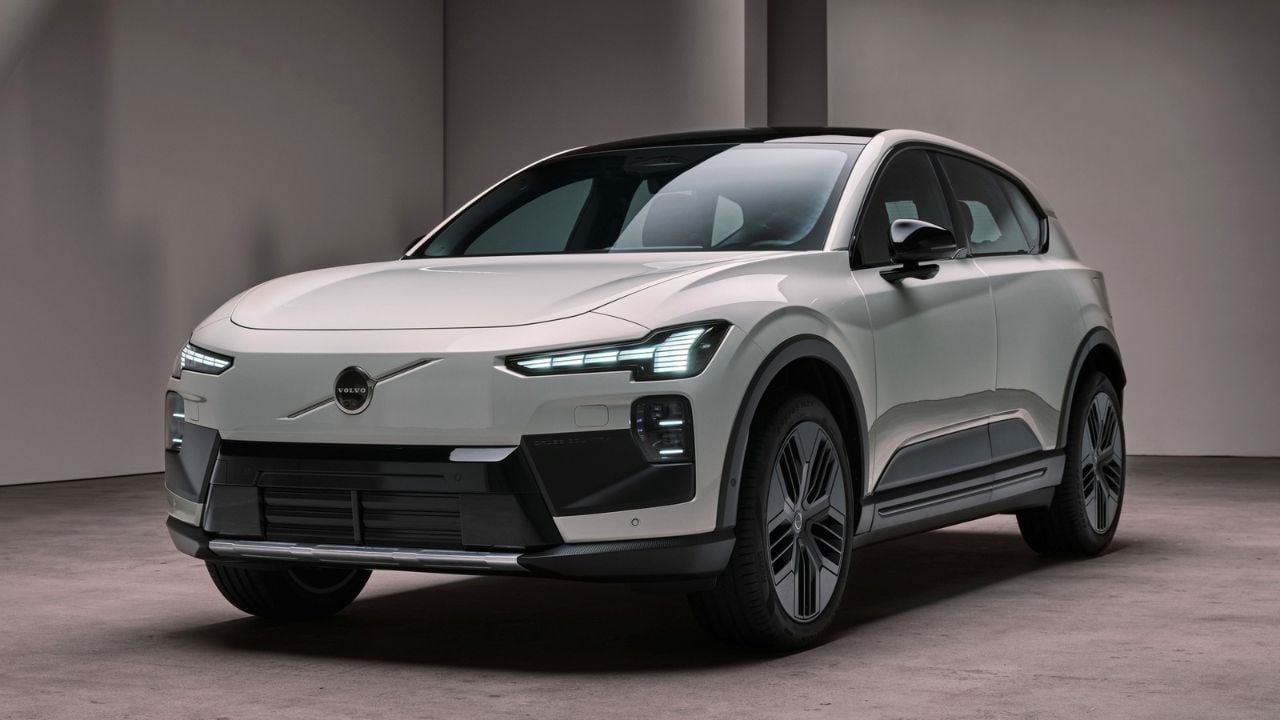
The idea of cheap electric cars in America has felt like a fantasy for years. Prices keep climbing, incentives keep changing, and the kinds of affordable EVs seen in China remain completely out of reach for U.S. buyers.
However, that gap might not stay closed forever, as Volvo CEO Håkan Samuelsson has now openly said the company is willing to explore a very different approach that could shake up the entire market.
Instead of importing low-cost EVs directly from China, the plan would be to build them in the United States. More specifically, Volvo could use its existing factory in South Carolina to assemble vehicles developed by its Chinese parent company.
It’s still early, and there are plenty of obstacles, but if it happens, this could be one of the first real pathways for affordable Chinese EV technology to reach American roads.
A Backdoor Into The U.S. Market?
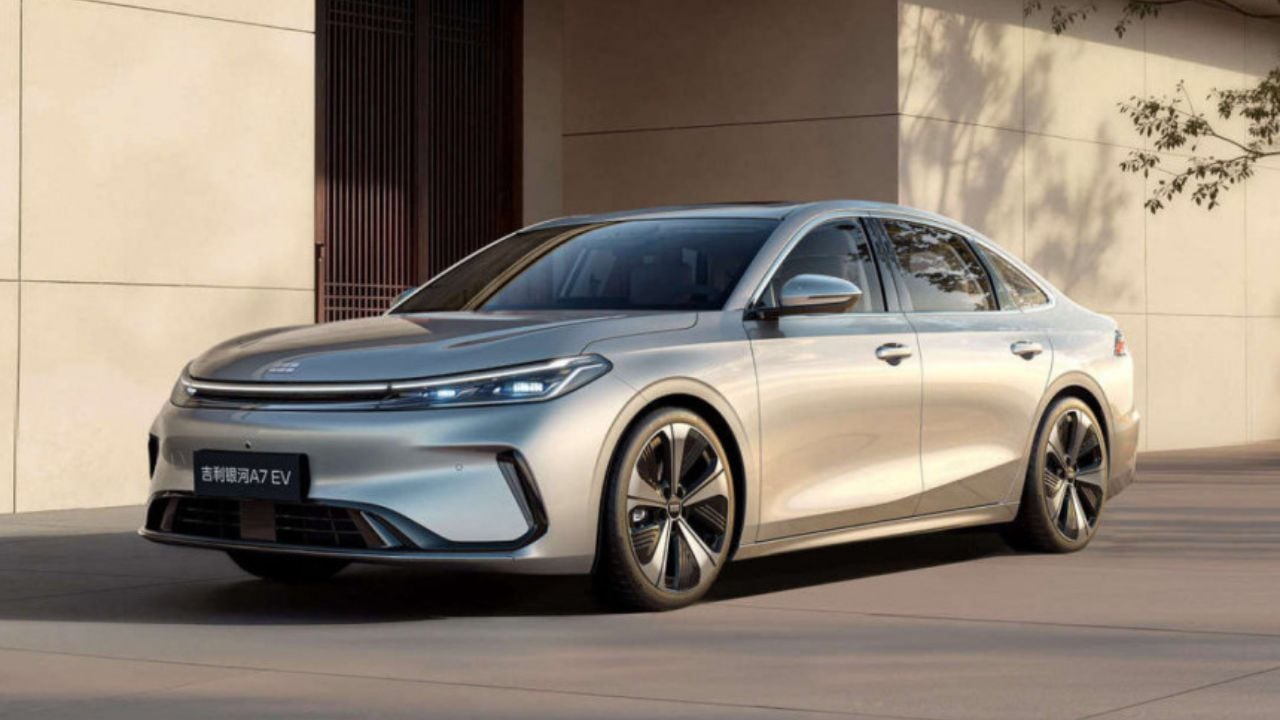
The biggest issue for Chinese automakers isn’t demand, it’s access. Brands under Geely, along with rivals like BYD, are already producing highly competitive EVs at prices Western manufacturers struggle to match.
Some of these cars cost under $10,000 in China. That’s not a typo, and it highlights just how far ahead Chinese manufacturers are when it comes to cost efficiency.
The problem is tariffs. Imported Chinese vehicles face duties of over 100% in the U.S., effectively pricing them out of the market before they even arrive.
Building those same vehicles locally could bypass that barrier. If Volvo produces Geely-based EVs in South Carolina, they wouldn’t be subject to those import tariffs, at least in the same way.
The Factory Is Already There
Volvo already has a manufacturing footprint in the U.S., and that’s what makes this idea more than mere speculation. Its plant in Charleston, South Carolina, currently builds models like the EX90 SUV and the Polestar 3.
According to Samuelsson, the facility has available capacity. That means, in theory, it could take on additional production without requiring a massive new investment.
From a business standpoint, that’s a major advantage. Instead of building a new factory from scratch, Volvo could simply repurpose existing infrastructure to support a new lineup of vehicles.
Regulations Are The Real Roadblock
Even if tariffs can be avoided, there’s another challenge that’s arguably even bigger: regulation. The U.S. has strict rules around vehicle software, data security, and hardware sourcing, especially when it comes to Chinese-developed systems.
Right now, many of those technologies are effectively banned. That means Geely-developed EVs would need significant changes before they could be legally sold in the U.S.
This could involve redesigning key systems, rewriting software, and reworking supply chains to meet compliance standards.
Then there’s politics. Lawmakers have already proposed banning Chinese cars outright, and domestic automakers have warned that low-cost imports could disrupt the entire industry.
If Volvo and Geely can find a way through those barriers, the impact could be huge. The U.S. market has a clear shortage of affordable EVs, with most options sitting well above what many buyers are willing or able to pay.
Chinese automakers have built their success on delivering strong value. They combine competitive pricing with modern tech, which is exactly what many younger buyers are looking for.
In fact, studies suggest a large percentage of Gen Z consumers are open to buying Chinese brands if the value is there. That kind of demand could eventually force the market to adapt, whether traditional automakers like it or not.
Pressure On The Entire Industry

Samuelsson himself has acknowledged the growing pressure from Chinese competitors. He’s even tested vehicles from brands like Xiaomi and Zeekr and noted how advanced and competitive they’ve become.
That admission suggests that even established Western brands recognize they can’t ignore what’s happening in China.
If anything, they may need to learn from it. Lower production costs, faster development cycles, and aggressive pricing strategies are all areas where Chinese companies currently have the edge.
Bringing that approach to the U.S., even indirectly, could force a major change in how EVs are priced and marketed.
Still A Big “If” — But A Serious One
For now, this is still a possibility rather than a confirmed plan. Volvo has made it clear that any decision will depend on whether Geely can navigate U.S. regulations and political resistance.
Still, the fact that it’s even being discussed is significant. A few years ago, the idea of Chinese-developed EVs being built in America would have seemed unlikely at best. Now, it’s on the table.
If it happens, it could fundamentally change how the global auto industry operates, blending Chinese efficiency with Western manufacturing in a way we haven’t really seen before.