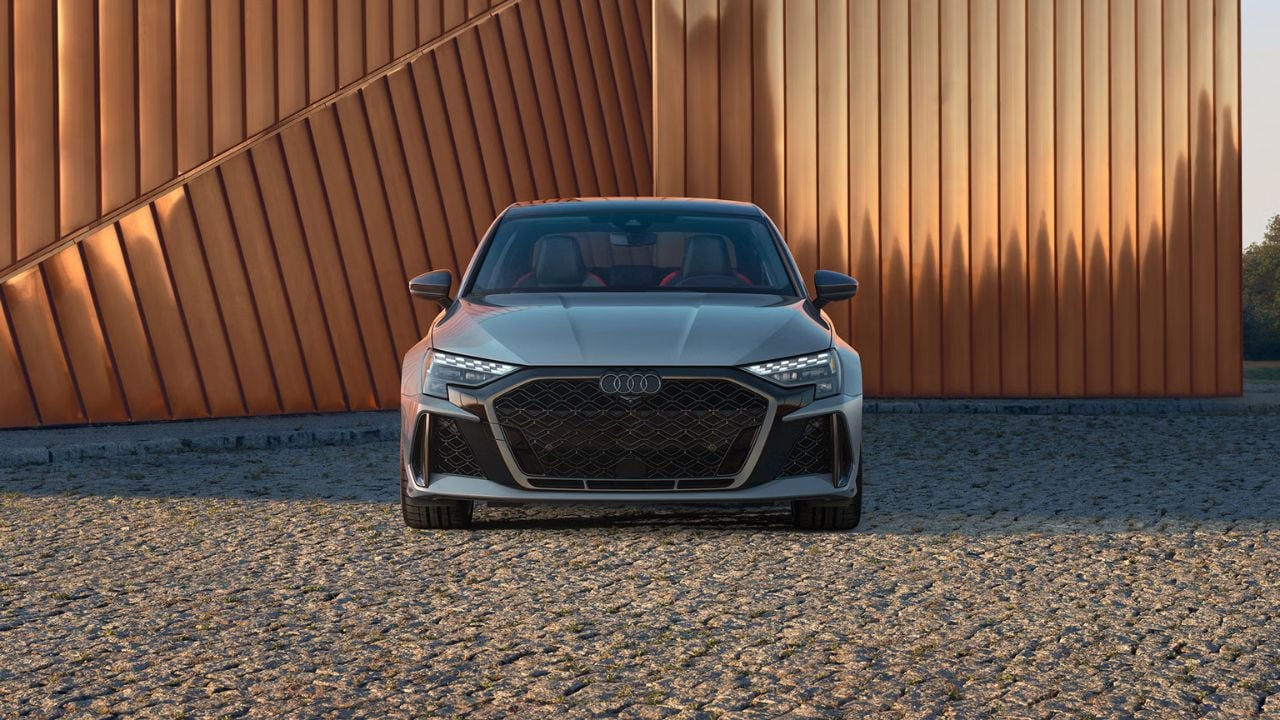
A Porsche 911 is still the benchmark many serious performance cars get measured against. It has the badge, the balance, the history, and the engineering polish that make its reputation feel earned.
The price has moved into rare territory. For 2026, Porsche lists the base 911 Carrera from $135,500 before delivery, processing, dealer charges, taxes, title, registration, options, and possible tariffs. It also lists 388 hp and a factory 0-to-60 mph time of 3.9 seconds.
That creates a very interesting opening for buyers who care about speed as much as tradition. Several performance cars sold in the U.S. can beat the base Carrera’s official sprint number while starting far below its price.
That does not make every car here a better sports car than a 911. It means each one delivers stronger straight-line acceleration for less money, while making its own case for why performance value still exists.
Where The Base 911 Leaves A Speed-Per-Dollar Opening

The benchmark here is the 2026 Porsche 911 Carrera, not a Carrera S, Carrera GTS, GT3, GT3 RS, Turbo, or Turbo S. Those faster 911 variants live in a different price and performance category, and they would change the comparison entirely.
The cars below all start below the base Carrera’s $135,500 MSRP and have a quicker stated or independently tested 0-to-60 mph result. Factory claims, instrumented test results, and EV rollout-subtracted times are not identical measurement methods, so the wording matters in each case.
Straight-line acceleration is the main comparison point. Handling character, drivetrain layout, daily usability, and emotional appeal still matter, but the central question is simple: which current performance cars make the base 911 Carrera look expensive in a 0-to-60 mph fight?
Chevrolet Corvette Stingray
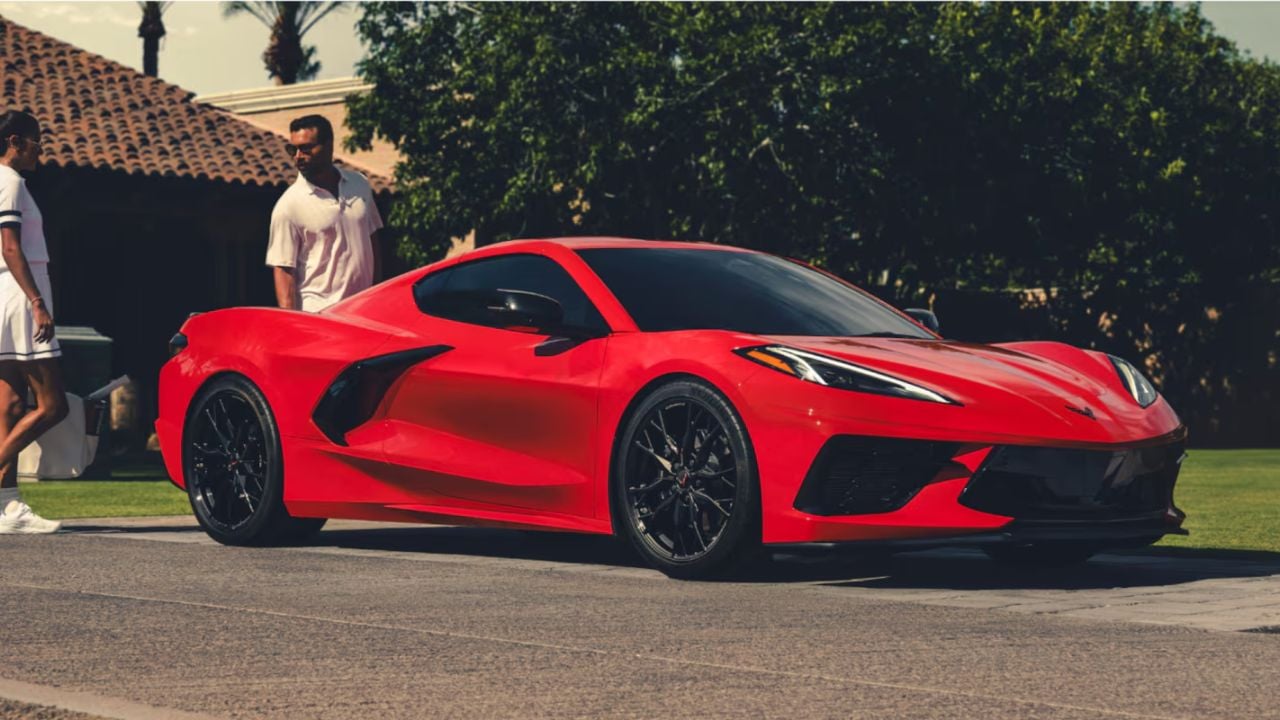
The Chevrolet Corvette Stingray attacks the 911 from the most direct angle. It is a mid-engine, two-seat American sports car with serious performance credentials and a starting price far below Porsche money.
Chevrolet lists the 2026 Corvette Stingray from $70,000, with up to 495 hp, a 2.9-second 0-to-60 mph time when properly equipped, and a 194-mph top track speed. On paper, that makes the base 911 Carrera look very expensive for its acceleration figure.
The Corvette does not try to copy Porsche’s rear-engine personality. It feels lower, wider, louder, and more dramatic. The 911 remains the subtler precision tool, but the Stingray delivers the acceleration shock for nearly half the money.
Tesla Model 3 Performance
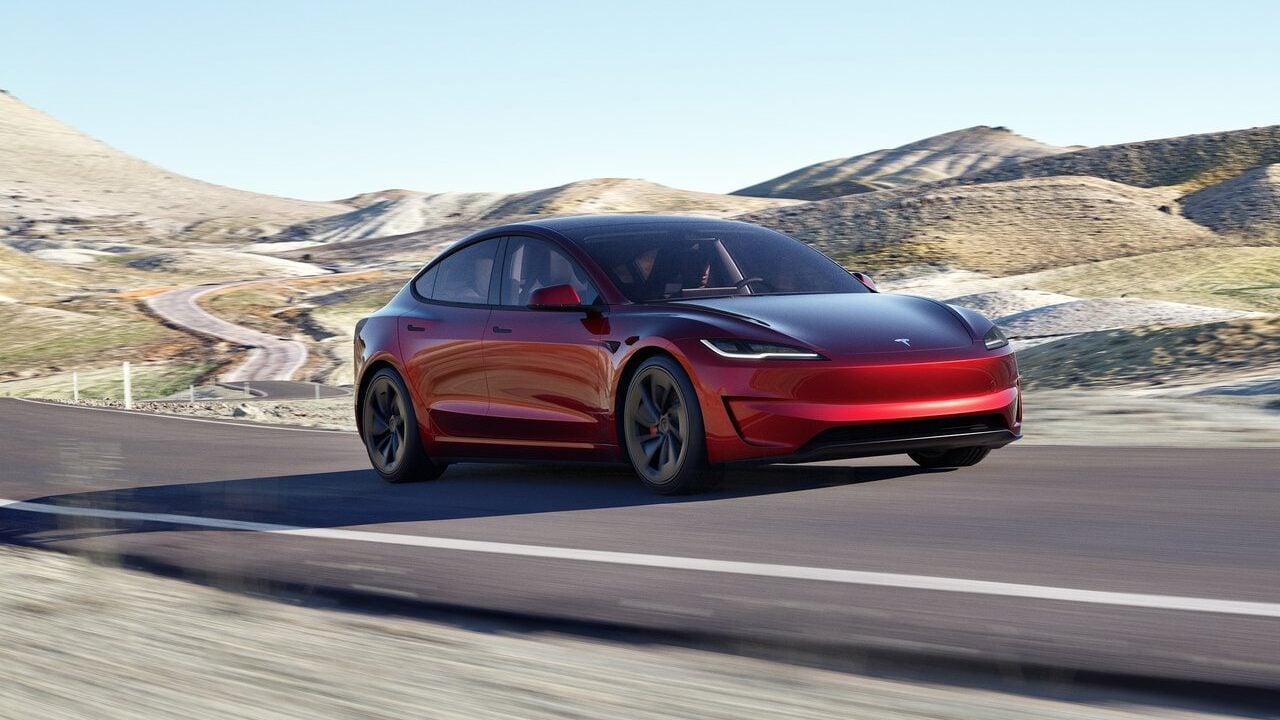
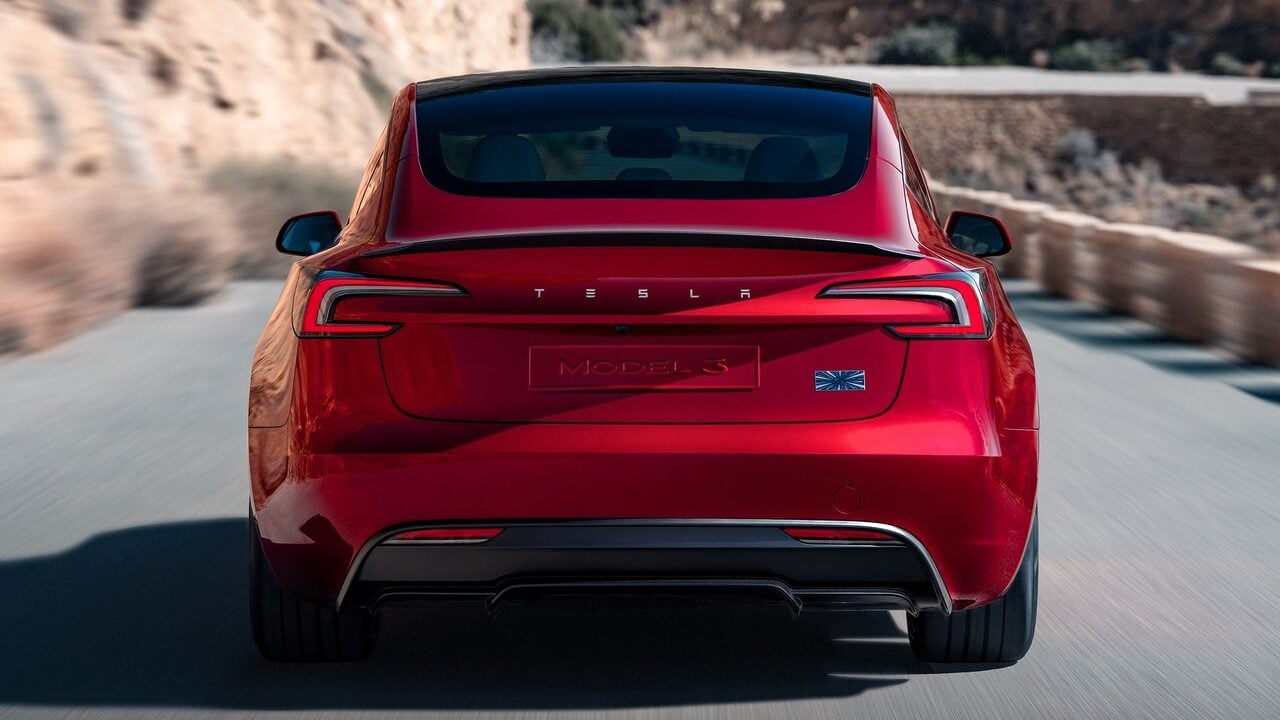
The Tesla Model 3 Performance does not look like a traditional sports car, but its acceleration makes the 911 comparison impossible to ignore. Tesla lists the current Model 3 Performance at $56,630, including destination and order fees, with dual-motor all-wheel drive and 309 miles of EPA-estimated range.
The headline number is the 2.9-second 0-to-60 mph time, with rollout subtracted. That caveat matters, but the value argument remains brutal. The Model 3 Performance costs less than half as much as a base 911 Carrera and reaches 60 mph much quicker by Tesla’s stated measure.
It does not offer the steering feel, sound, or mechanical intimacy that makes a 911 so beloved. Its appeal comes from a different kind of performance: silent, immediate, usable every day, and almost absurdly quick from ordinary road speeds.
Audi RS 3
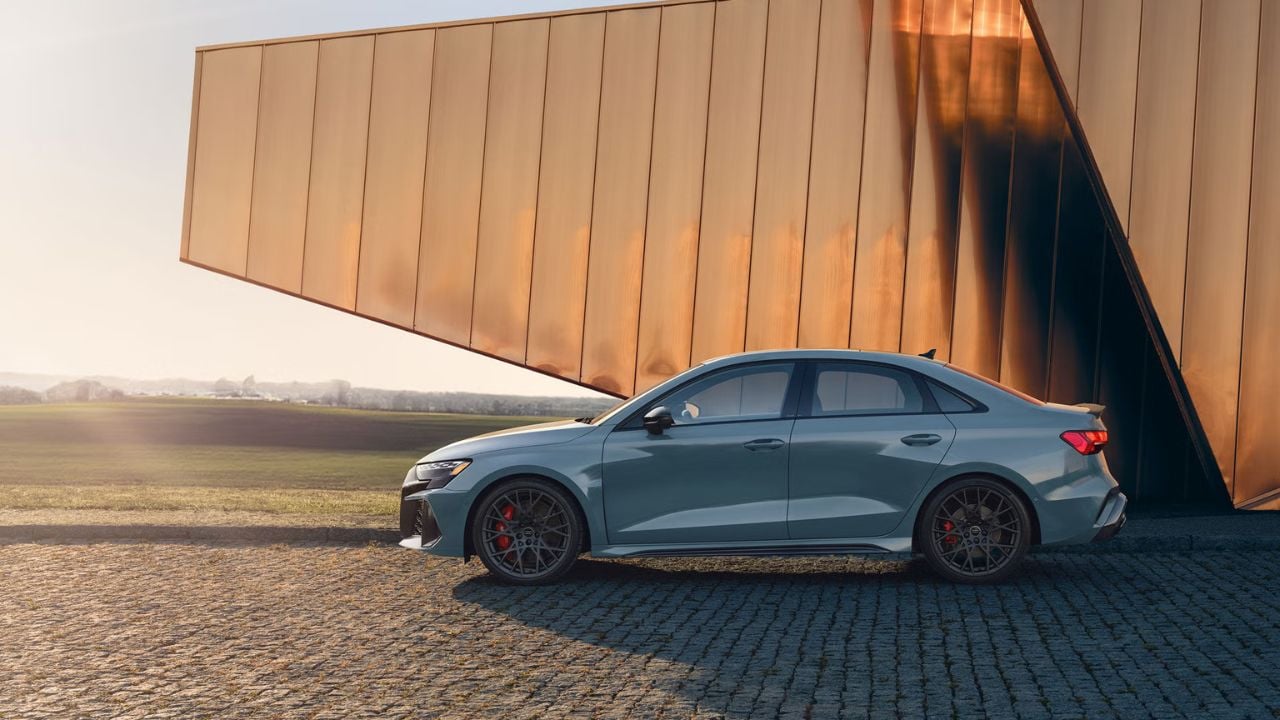
The Audi RS 3 is one of the smallest cars in this group, yet it makes one of the strongest cases for character-per-dollar. Audi lists the 2026 RS 3 with 394 hp, 369 lb-ft of torque, quattro all-wheel drive, and a 3.6-second 0-to-60 mph time.
The available Dynamic Plus package also raises the electronically limited top track speed to 180 mph. That gives the RS 3 more than a quick launch; it has real high-speed credibility in a compact sedan body.
The turbocharged five-cylinder engine gives it a sound and rhythm most rivals cannot copy, while the torque splitter helps the all-wheel-drive system feel playful rather than merely secure. It does not carry 911 prestige, but it brings rarity, pace, and personality for far less money.
BMW M3 Competition xDrive
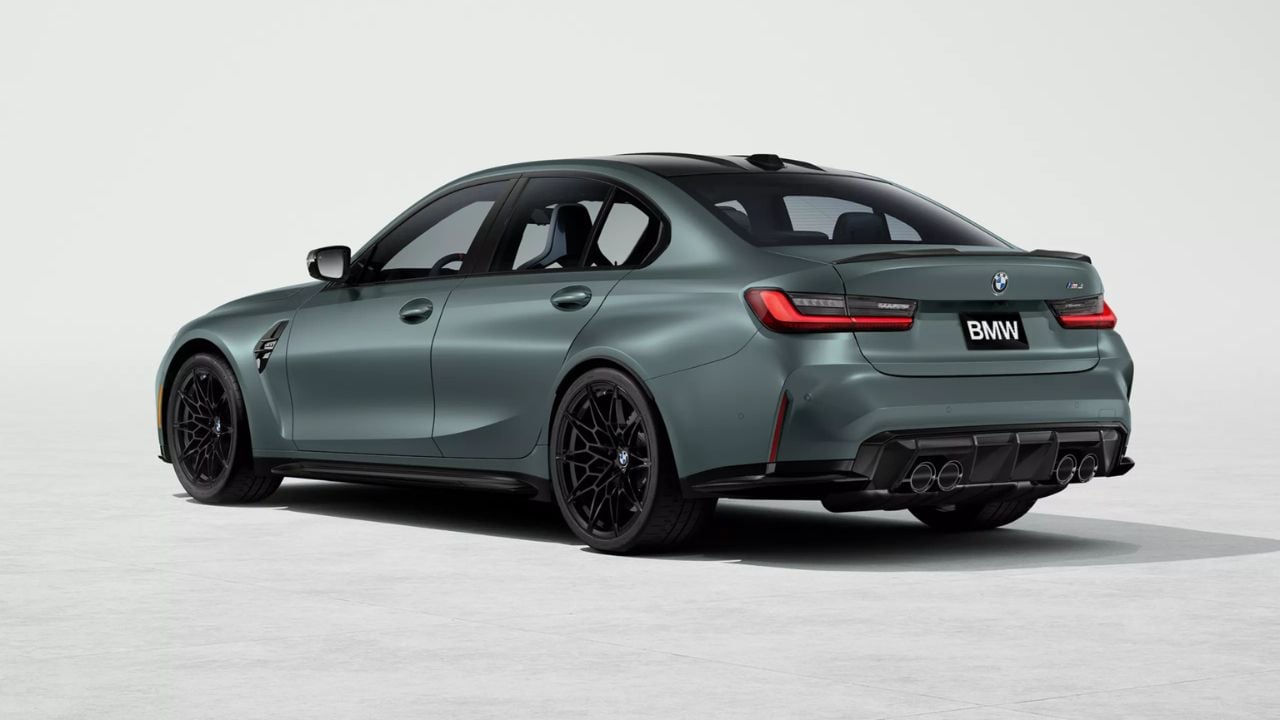
The BMW M3 Competition xDrive keeps embarrassing cars that look much more exotic. Car and Driver lists the 2026 M3 lineup from $80,650, with the Competition xDrive still far below the 911 Carrera’s starting price.
The Competition xDrive uses a 523-hp twin-turbo inline-six and all-wheel drive. In Car and Driver testing, the M3 Competition xDrive reached 60 mph in 2.8 seconds, a number that puts this four-door sedan deep into modern supercar acceleration territory.
The M3 is larger, heavier, and less delicate than a 911, but it brings four doors, a usable trunk, and everyday practicality the Porsche cannot match. Its ability to combine family-sedan usefulness with 911-beating acceleration is exactly why the current M3 remains such a serious performance value.
Mercedes-AMG C 63 S E Performance
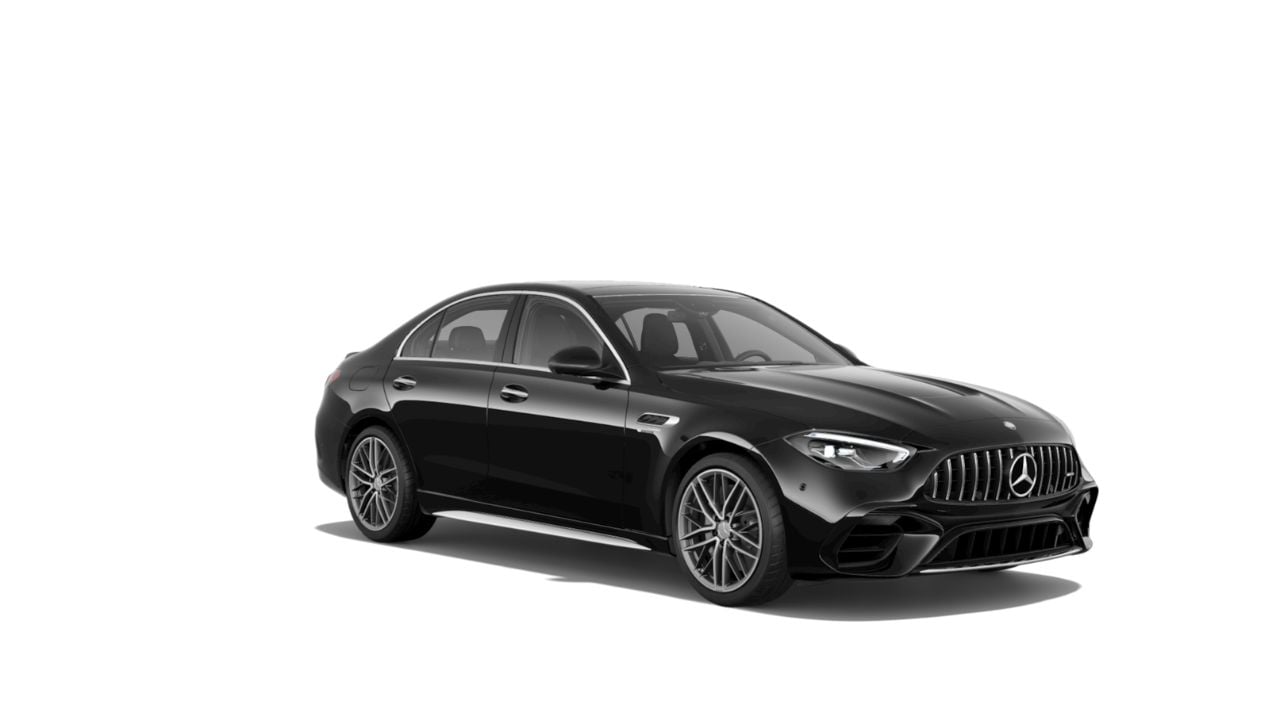
The Mercedes-AMG C 63 S E Performance is controversial because it replaced V8 emotion with a complex turbocharged plug-in hybrid system. Against the base 911 Carrera, though, the acceleration and price make the case cleanly.
Mercedes-Benz lists the 2026 AMG C 63 S E Performance Sedan at $88,000, with 671 hp, 752 lb-ft of torque, all-wheel drive, and a 3.3-second 0-to-60 mph time. That is an enormous amount of output for a compact luxury sedan.
It may not deliver the old AMG thunder that many buyers miss, but it turns electrified complexity into very real speed. Four doors, all-weather traction, and a technology-heavy cabin only make the value contrast with the 911 Carrera sharper.
Cadillac CT5-V Blackwing
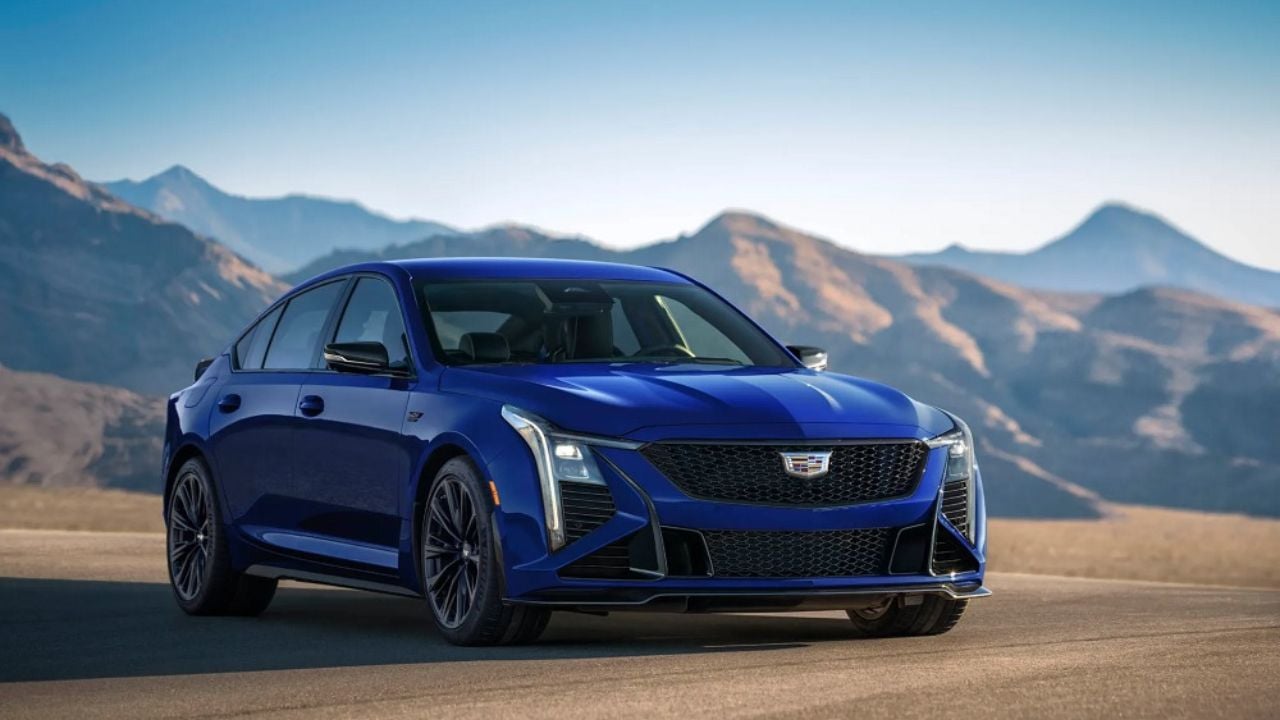
The Cadillac CT5-V Blackwing brings a different kind of appeal because it feels wonderfully old-school next to many modern performance cars. Recent pricing coverage places the standard 2026 CT5-V Blackwing at $101,195, still well below the base 911 Carrera’s starting point.
Cadillac lists the CT5-V Blackwing with a hand-built supercharged 6.2-liter V8 producing 668 hp and 659 lb-ft of torque. It also lists a 3.4-second 0-to-60 mph time and a racetrack top speed above 200 mph, with the quickest acceleration figure tied to the available 10-speed automatic rather than the standard manual.
This is not a small, delicate sports car. It is a big rear-wheel-drive luxury sport sedan with serious muscle and a manual transmission as standard. It beats the base 911 Carrera’s factory acceleration figure while offering a V8 soundtrack, real cabin space, and a level of driver involvement that feels increasingly rare.
BMW i4 M60
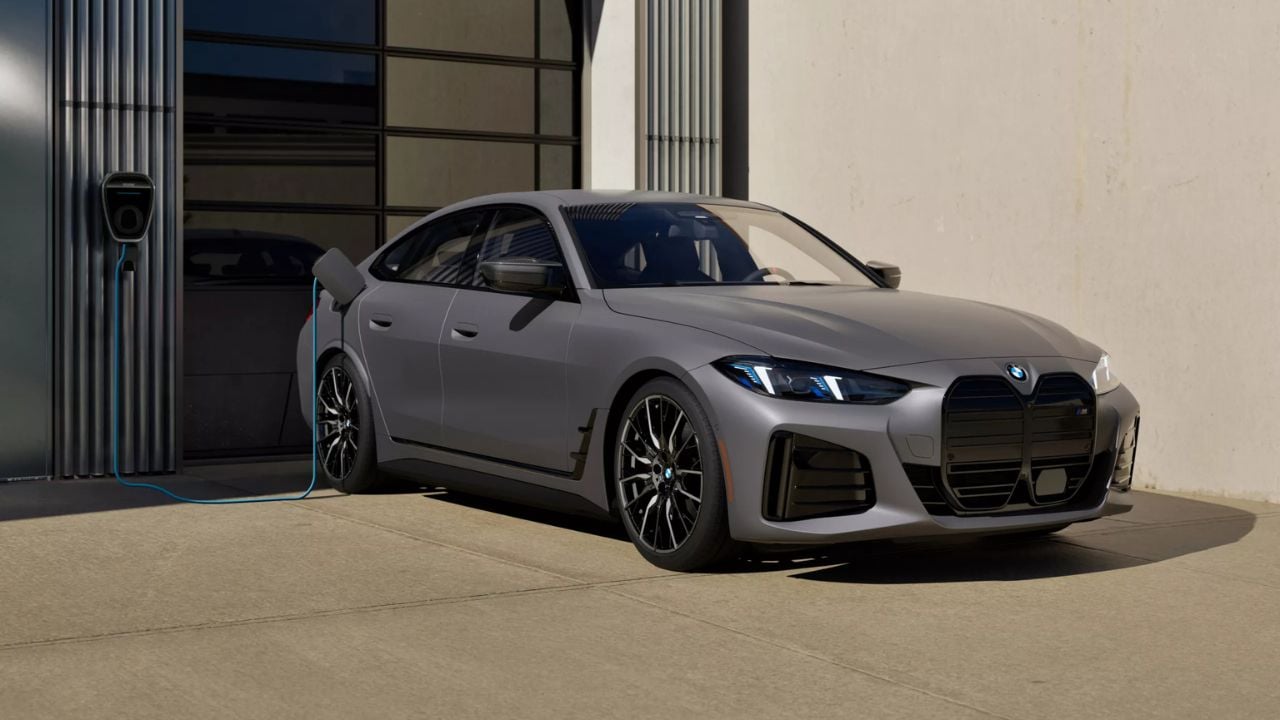
The BMW i4 M60 is the quietest upset here. It looks like a sleek electric Gran Coupe, but its numbers put it directly into the same acceleration conversation as the base 911 Carrera.
BMW lists the 2026 i4 M60 at $70,700 before destination, with 593 hp and a claimed 3.6-second 0-to-60 mph time. Cars.com lists the price at $71,875 including destination, still far below the 911 Carrera’s starting price.
The i4 M60 does not try to imitate a 911. It is heavier, quieter, and much more digital in feel. Its strength is effortless speed: hard launches, calm distance covering, and electric torque that turns everyday driving into a luxury performance advantage.
The Price Gap Changes The Conversation
The 911 still has qualities most rivals cannot copy. Its driving position, steering feel, rear-engine identity, and decades of refinement make it one of the most complete sports cars in the world.
The surprise is how many current cars can beat the base Carrera’s official 0-to-60 mph figure while costing far less. Some do it with V8 power. Others use turbocharged six-cylinder engines, five-cylinder character, hybrid assistance, or electric motors.
That variety makes the market more interesting. A Corvette Stingray delivers mid-engine theater. A Model 3 Performance delivers ruthless EV speed. An M3 Competition xDrive brings sedan practicality into supercar acceleration territory.
The 911 remains the emotional benchmark, but it no longer owns the value argument. For buyers chasing speed per dollar, the field has become wider, stranger, and much harder for Porsche to dominate.