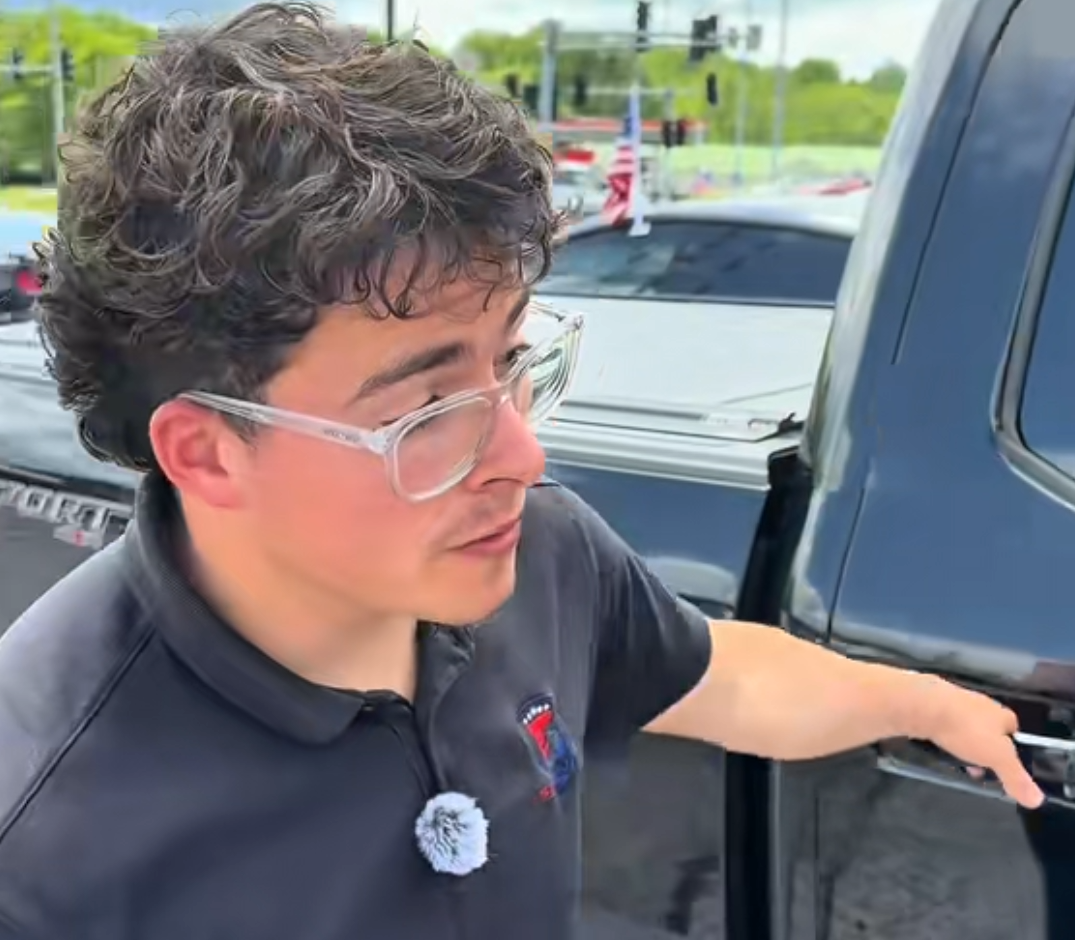
A Missouri salesman took to TikTok to share what happens when a car buyer simply stops responding, and the video has the comment section divided between outraged shoppers and dealers who say this is just business as usual.
Car deposits have always been a bit of a gray area for buyers who are not sure whether they are ready to commit. Most people assume that if a deal falls through, they will get their money back. That assumption, it turns out, can be an expensive one. A viral video out of Blue Springs, Missouri is putting the entire deposit question under a spotlight, and the comments section is practically a courtroom drama.
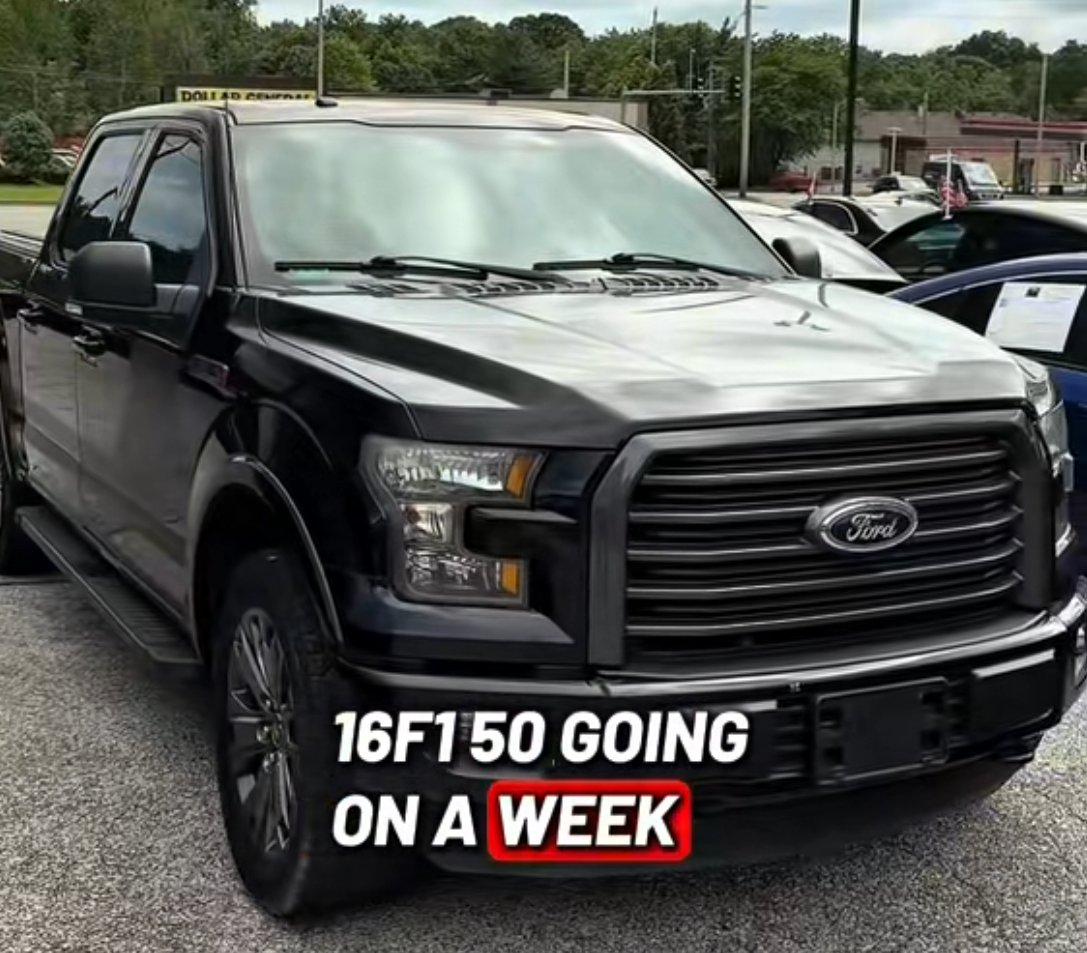
The salesman behind the video works at 5 Star Motor and goes by 5StarSalesGuy on social media. He posted the clip on April 27, and it has since pulled in more than 85,000 views. The story he tells is straightforward: a younger buyer put down a $500 non-refundable deposit on a 2016 Ford F-150, promised to return with a check, and then dropped off the face of the earth for an entire week. No calls returned. No texts answered. No emails opened.
Things got even more interesting when the salesman revealed, in a reply to commenters, that the buyer had not actually gone dark due to some emergency. The buyer had texted him to say he had been shopping around at other trucks. That detail changed the tenor of the whole conversation and turned a simple ghost story into a debate about buyer ethics, dealer practices, and what the law actually says about keeping someone’s deposit.
What the Dealership Did, and Why They Felt Justified
@newsalesguy lol this makes no sense to me man #fyp #sales #dealership #carsales #ford ♬ original sound – 5StarSalesGuy
After a full week of silence, 5 Star Motor made a call that the salesman described as unprecedented for their business: they listed the truck back on the market and kept the $500. The deposit had been documented in writing, and the salesman stated on camera that the agreement was enforceable under Missouri law.
For the dealership, the logic is not complicated. They had taken the truck off the market, turned away other potential buyers, continued paying floor plan costs to finance the vehicle’s presence on the lot, and kept up advertising expenses. From their perspective, the buyer made a commitment, documented it, and then simply chose not to honor it while the dealership absorbed real financial losses.
What the Law Actually Says About Car Deposits
Here is where things get genuinely complicated. There is no federal rule that governs car dealership deposits, which means the answer to “can they keep my money?” depends almost entirely on the state where you bought and how the paperwork was written.
Missouri, where this story takes place, leans in favor of dealers on this issue. If the deposit is in writing, signed by the buyer, and the non-refundable language is clearly stated, the dealer generally has legal standing to keep it.
Other states are significantly more protective of buyers. Pennsylvania requires the non-refundable terms to be a specific dollar amount, clearly written, and separately initialed by the buyer. New York typically entitles buyers to a refund if they decide not to move forward with a purchase. Connecticut requires dealers to disclose the refundable or non-refundable status of a deposit the moment it is collected. The variation from state to state is wide enough that buyers really cannot assume their home state handles things the same way as Missouri.
There are also circumstances where even a signed, non-refundable deposit has to be returned. If the dealer cannot actually deliver the car as promised, if financing collapses despite the buyer making good-faith efforts, or if the dealer changes the terms of the deal after the deposit is taken, the money typically has to come back. Courts have also voided so-called liquidated damages clauses when judges decided that the amount kept was wildly out of proportion to any real harm the dealer actually suffered.
The Comments Section Was Its Own Drama
Viral car content always attracts a certain kind of energy, and this video was no different. Customer-facing commenters were quick to call the practice shady. Several said they refuse to leave deposits at any dealership, period. A few labeled the lot a “buy here pay here” operation based solely on the deposit requirement.
The dealers and finance professionals in the comments told a completely different story. They pointed out that a dealership is not a bank, that holding a vehicle for a buyer comes with real costs, and that buyers regularly use deposits as a way to shop around without losing access to a vehicle they are not actually committed to buying. One commenter noted the dealership had been paying floor costs, advertising, and holding expenses for an entire week while the buyer was casually browsing other options.
A few commenters predicted the buyer would simply file a credit card chargeback and win. Others, including people claiming dealer experience, pushed back and said they had successfully defended deposit chargebacks many times.
One particularly sharp observation came from a commenter who pointed out that if the written contract did not include a specific deadline for the buyer to complete the purchase, selling the truck could actually constitute a breach of contract on the dealer’s end, potentially making the deposit refundable regardless of the non-refundable language. That kind of legal nuance is exactly why deposit agreements need to be airtight on both sides.
What Buyers Can Actually Learn From This Situation
The most practical thing anyone can take away from this story is simple: read the paperwork before you hand over any money. If a dealer asks for a deposit, ask directly and in writing whether it is refundable and under what conditions. If you are not ready to buy within the next few days, think twice about leaving money behind.
One dealer in the comments described a smarter structure he uses called a “holding fee” rather than a deposit. Under his approach, the fee holds the vehicle for up to a week and gets credited back to the buyer or deducted from the purchase price if the deal goes through. That model protects the dealer’s time and costs while giving the buyer a clear, fair path forward.
For anyone who has already signed a non-refundable deposit agreement, the key questions are whether the contract specifies a purchase deadline, whether the dealer has changed any terms since the deposit was taken, and whether state law offers any additional protections. Consumer law firms note that those details can make the difference between money you lost and money you can recover.
The buyer in this case apparently just decided he wanted to keep shopping. That is his right as a consumer. But leaving a signed, non-refundable deposit in place while quietly looking elsewhere is the kind of move that costs $500 and generates 85,000 views worth of internet commentary.