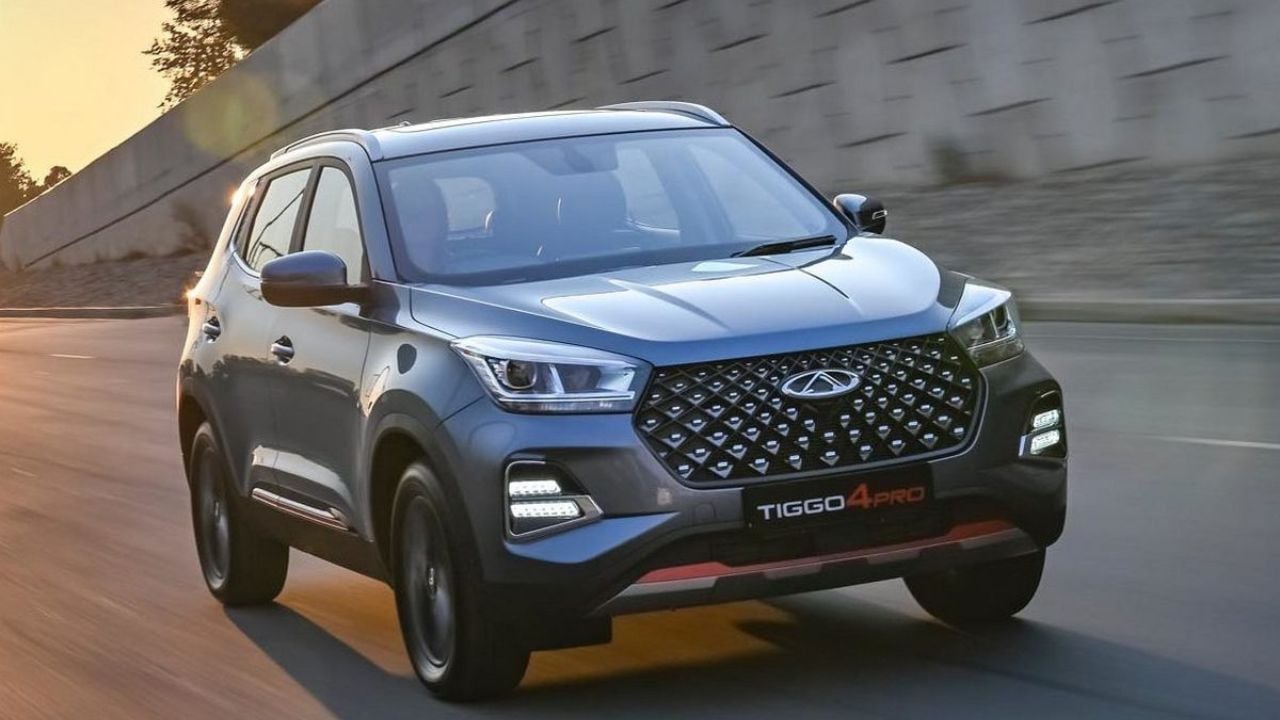
Chery is trying to redefine what a modern global automaker looks like. The Chinese brand has made it clear that it no longer wants to be seen as merely a budget-friendly alternative, but as a serious contender on the world stage.
That ambition comes with a bold and somewhat unusual strategy. Instead of choosing between reliability or innovation, Chery wants both, and it’s openly benchmarking itself against two industry giants that rarely overlap.
On one side is Toyota, known for bulletproof reliability and long-term ownership appeal. On the other is Tesla, a company that built its reputation on software, speed, and disruption.
Chery’s plan is to combine those two identities into a single product philosophy. It calls the approach “Toyota plus Tesla” (very imaginative, I think we can all agree?!), and it could reshape how emerging automakers position themselves globally.
The “Double T” Strategy Explained
Chery chairman Yin Tongyue has been upfront about the company’s direction. The goal is to deliver vehicles that can match Toyota’s durability while offering the kind of technology and user experience that attracts Tesla buyers.
Now, that’s easier said than done, as automakers typically specialize in one area, either building a reputation for reliability over decades or pushing cutting-edge features that appeal to early adopters.
Trying to balance both could either make Chery incredibly competitive or stretch its resources too thin. Still, the company believes modern buyers want cars that are both dependable and technologically advanced, not one or the other.
Rapid Growth Is Fueling The Push
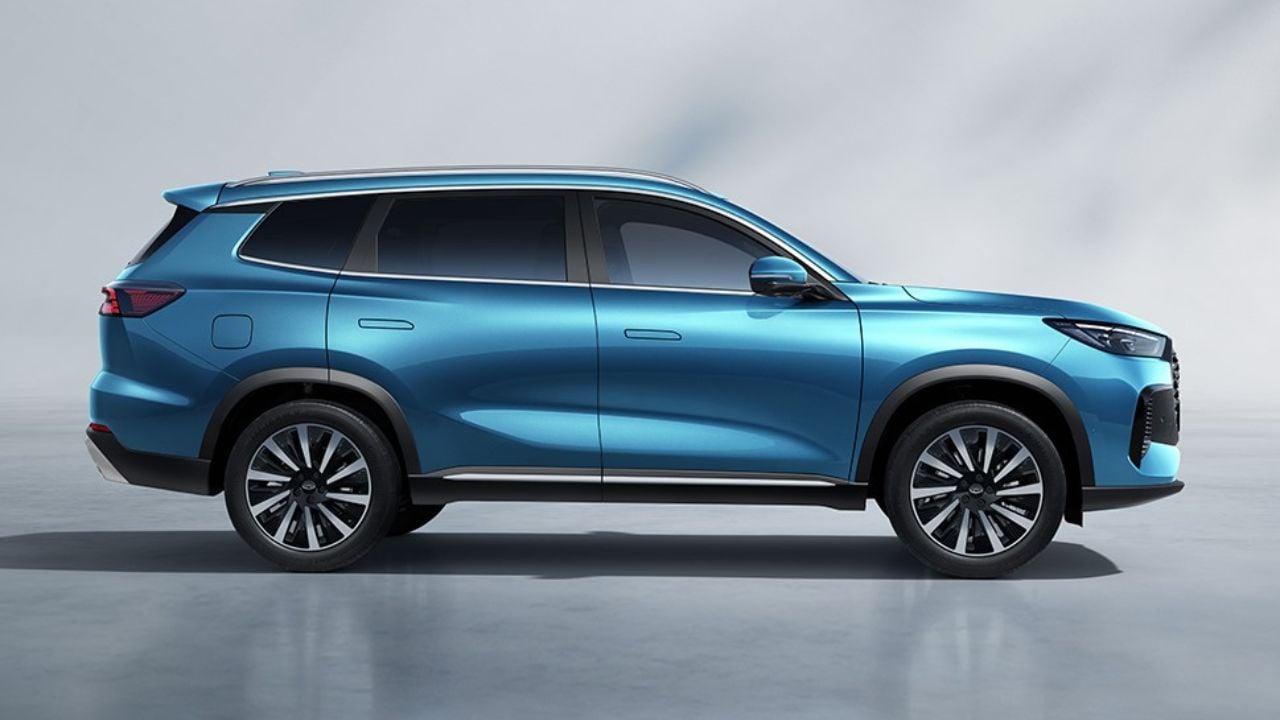
Chery’s confidence isn’t coming out of nowhere. The company sold 2.8 million vehicles last year, with global sales nearly quadrupling since 2020.
It has also established itself as China’s largest car exporter, which gives it a strong foothold in markets where other Chinese brands are still finding their footing. That international presence is becoming a key part of its long-term strategy.
Newer brands like Omoda and Jaecoo are driving much of this expansion. Together, they sold 380,000 units last year, and Chery is targeting a combined 1 million sales by 2027, which shows just how aggressive the company’s growth plans really are.
Europe Is The Next Major Target
To support its global ambitions, Chery is moving closer to key markets. The company is already building vehicles in Spain through a joint venture and is actively looking to expand its production footprint across Europe.
This move is partly about cost and logistics, as shipping large volumes of vehicles from China isn’t sustainable in the long term, especially with tariffs and trade tensions complicating cross-border business.
Chery is also exploring partnerships with European automakers, potentially sharing production facilities and even vehicle platforms. That kind of collaboration could help it scale faster while reducing financial risk.
SUVs Dominate, But Change Is Coming
At the moment, Chery’s lineup is heavily skewed toward SUVs. Out of the 2.8 million vehicles it sold last year, around 2.3 million were SUVs, reflecting strong demand in its home market.
However, that strategy doesn’t translate perfectly to every region. European buyers, for example, still favor smaller, more efficient vehicles, which means Chery will need to adapt.
The company has already acknowledged this and is working on expanding its lineup with smaller models. If it wants to compete directly with established global players, flexibility will be just as important as scale.
A Brutal Market At Home Is Forcing Expansion
While Chery is growing internationally, the domestic market in China is becoming increasingly difficult. With more than 100 automakers competing for attention, the level of competition is intense.
Price wars are squeezing margins, and not every company will survive. Even Chery’s leadership has admitted that a major industry shakeout is coming, with only a handful of brands likely to remain strong.
That pressure is one of the main reasons Chinese automakers are pushing so hard into global markets. Expanding abroad is now about long-term survival as much as it is about growth.
Building Trust Is The Hardest Part
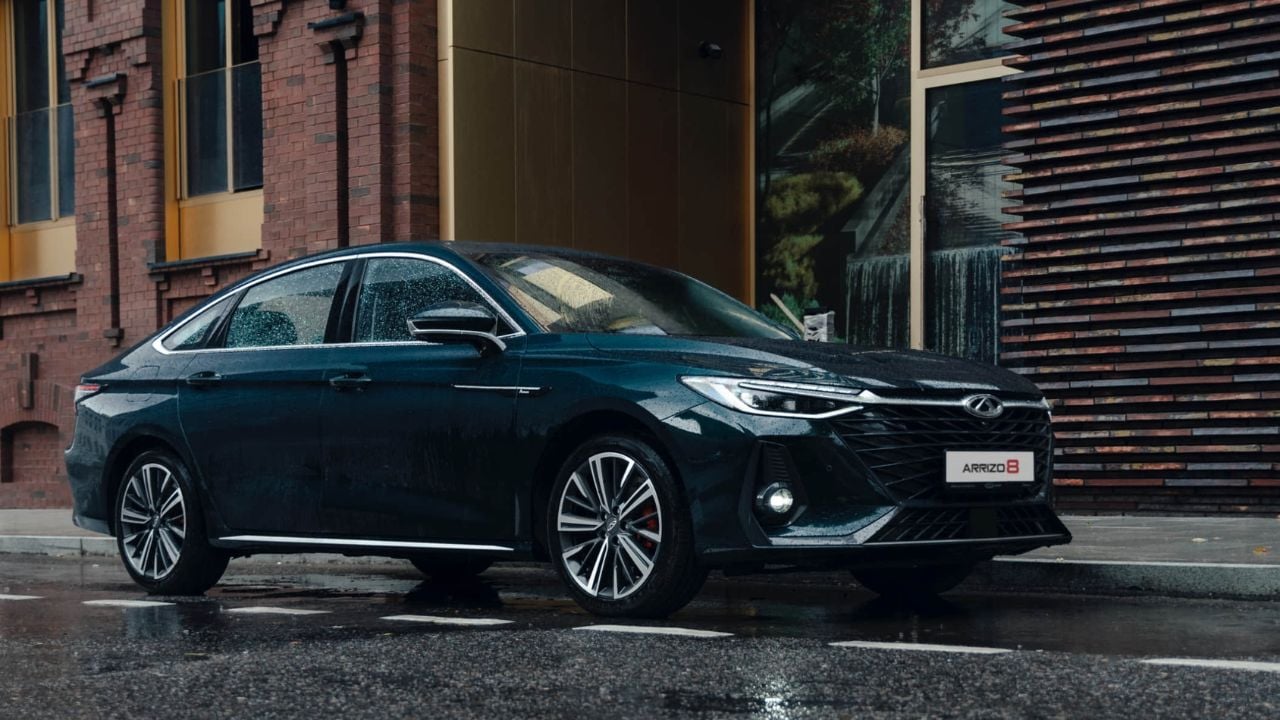
Adding technology to a car is relatively straightforward compared to building a reputation for reliability. Screens, software, and driver assistance systems can be upgraded quickly, but trust takes years to develop.
Toyota didn’t earn its reputation overnight, and Chery knows it will take time to reach that level of credibility. To bridge the gap, the company is offering long warranties and competitive pricing in many markets.
Even so, convincing buyers to switch from established brands will be one of the biggest challenges it faces. The “Toyota” side of its strategy may take far longer to achieve than the “Tesla” side.
A Global Contender In The Making
Despite the challenges, Chery’s trajectory is hard to ignore. The company is expanding quickly, building production capacity abroad, and positioning itself as more than another run-of-the-mill Chinese automaker.
There are still limitations, especially in markets like the United States, where regulatory barriers keep Chinese brands out, but in Europe, Australia, and emerging markets, Chery is already gaining traction.
If it manages to deliver on its promise of combining reliability with cutting-edge technology, it could become one of the most disruptive forces in the global auto industry. If that happens, the idea of “Toyota plus Tesla” may not sound so far-fetched after all.